

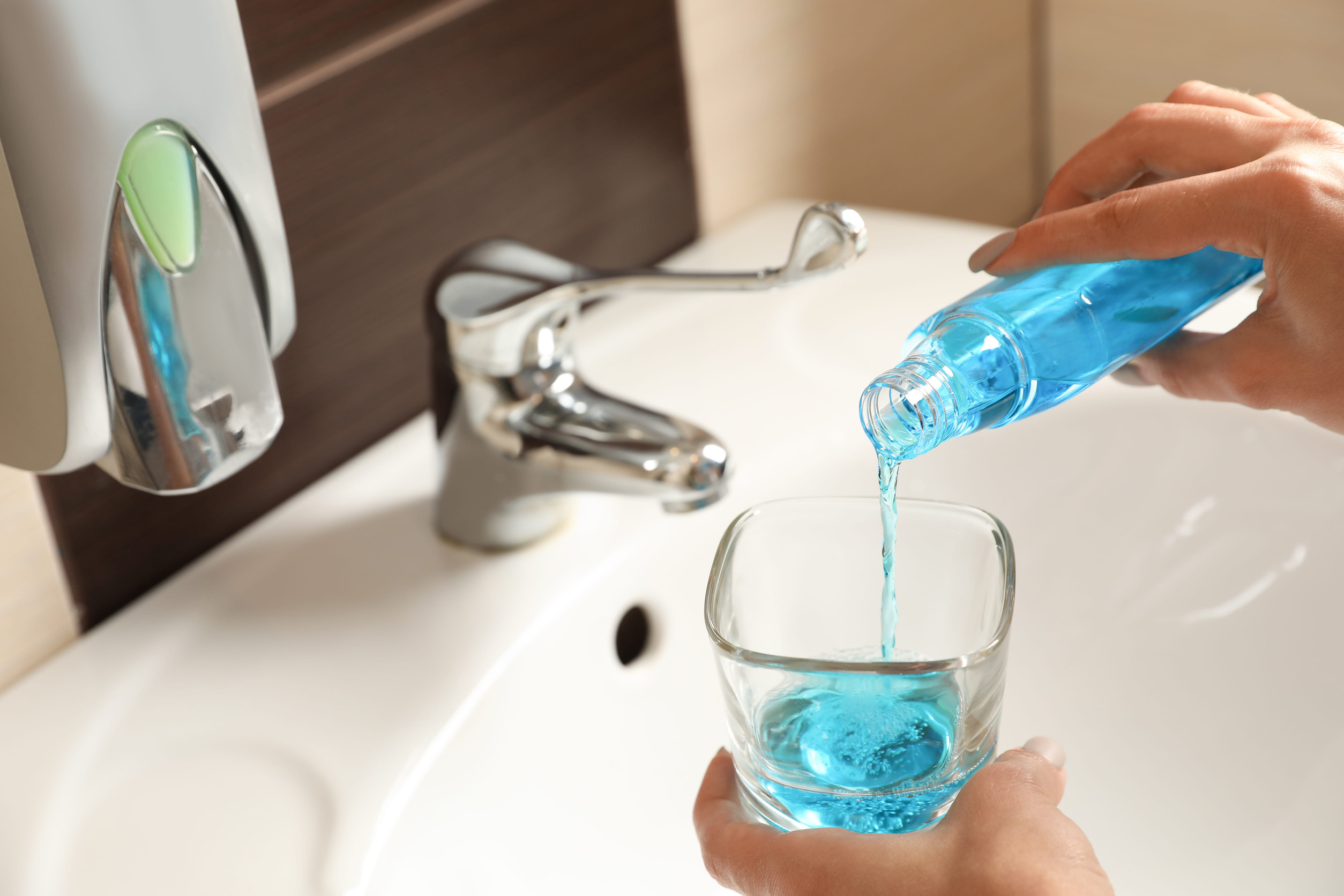
Mouthwash is a staple in many people’s daily oral hygiene routine. It’s advertised as a quick, easy way to freshen breath, fight bacteria, and promote overall oral health. But how much do you really know about this common product that most of us use without a second thought? While mouthwash may seem straightforward, several surprising and little-known facts about it could change the way you think about swishing.
Mouthwash Can Mask Symptoms, Not Solve the Problem

It’s easy to think that mouthwash can solve all your oral hygiene problems in one quick swish, but the reality is that it can only mask the symptoms rather than solve the root causes of dental issues. For example, while mouthwash can temporarily freshen breath, it doesn’t address the underlying causes of bad breath, such as gum disease, poor diet, or digestive issues.
If you’re using mouthwash to cover up persistent bad breath, it’s important to see a dentist or doctor to rule out more serious health conditions. Breath fresheners may give you immediate results, but they won’t cure conditions that cause chronic bad breath.
Mouthwash Can Help Prevent Gum Disease, But It’s Not a Substitute for Brushing
While mouthwash can indeed help kill bacteria and freshen breath, it should never replace brushing and flossing. Brushing your teeth at least twice a day and flossing regularly are the cornerstones of good oral hygiene. Mouthwash should be used as an adjunct to brushing and flossing, not as a replacement.
Certain mouthwashes are formulated with ingredients that can help prevent gum disease and plaque buildup. For example, some contain fluoride, which strengthens your teeth and helps prevent cavities. Others may include antimicrobial agents that fight harmful bacteria that can cause gum disease. But no mouthwash can clean your teeth or gums as effectively as a toothbrush and floss.
Overusing Mouthwash Can Lead to a ‘Chemical Burn’ in Your Mouth
Did you know that using mouthwash too frequently can cause chemical burns in your mouth? This can happen especially with mouthwashes that contain high levels of alcohol or strong antibacterial agents. Overuse of such products can irritate the sensitive tissues in your mouth, leading to sores, a burning sensation, or a dry feeling.
While mouthwash is typically safe when used as directed, overdoing it can have adverse effects. It’s best to follow the instructions on the label and use mouthwash as part of your regular oral hygiene routine, not as a constant habit.
Mouthwash Can Help Fight Cavities, If It Contains Fluoride
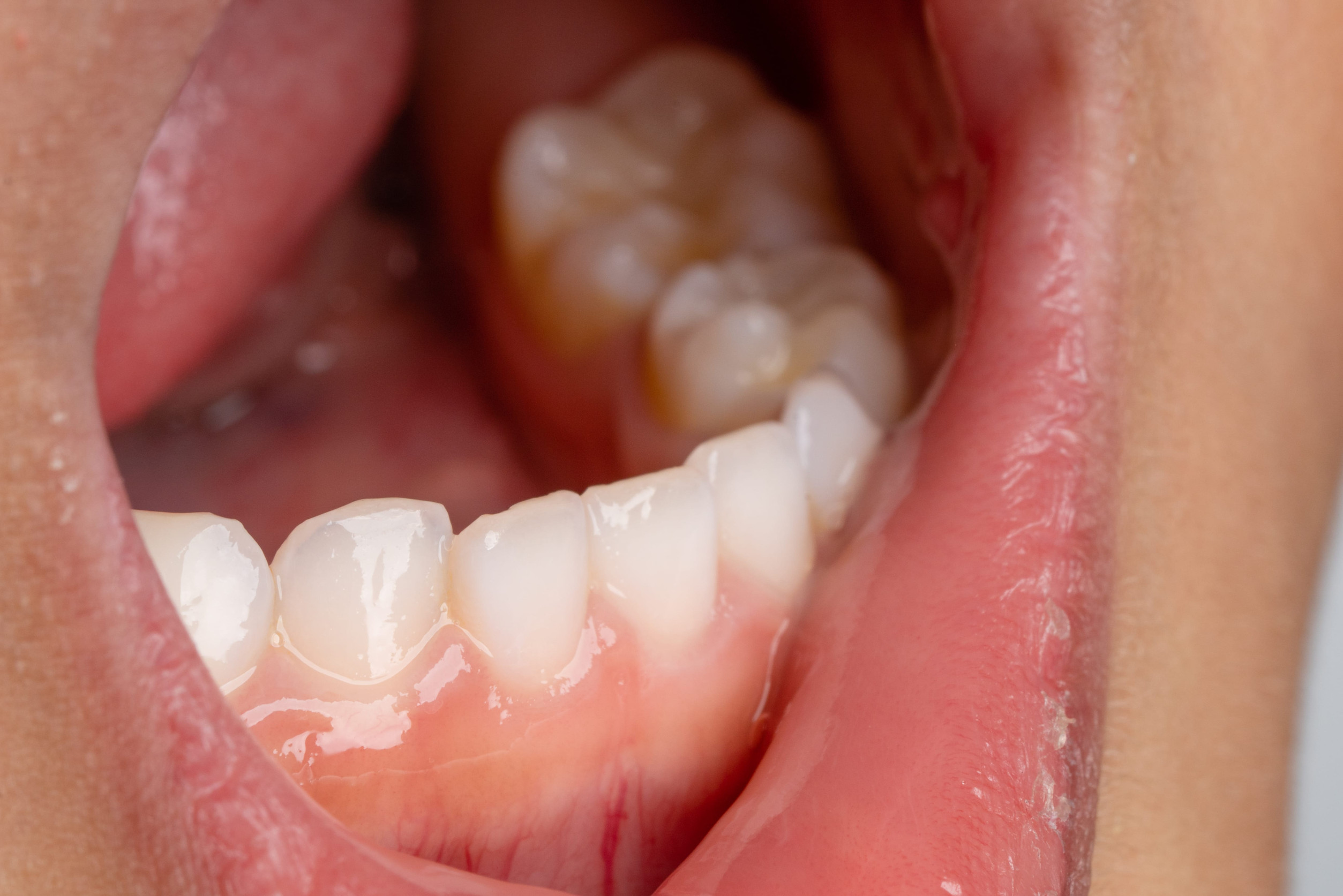
Not all mouthwashes are created equal. Some contain fluoride, a key ingredient that helps strengthen teeth and prevent cavities. Fluoride is a mineral that can remineralize tooth enamel, making it more resistant to decay. In fact, studies have shown that fluoride mouthwash can significantly reduce the incidence of cavities.
If you’re looking for extra protection against cavities, using a fluoride-containing mouthwash after brushing can give you an added layer of defense. But remember, fluoride mouthwash should only be used in moderation. Swish for 30 seconds to one minute, and make sure not to swallow it.
Mouthwash May Be Linked to Oral Cancer, But It’s Not All Mouthwashes
There’s been some controversy surrounding mouthwash and its potential link to oral cancer, particularly for mouthwashes that contain alcohol. Some studies have suggested that alcohol-based mouthwashes might increase the risk of oral cancers due to the way alcohol can interact with the cells in your mouth and throat.
However, the evidence is still inconclusive, and many factors contribute to cancer risk, including smoking, alcohol consumption, and overall oral hygiene. If you’re concerned about this risk, consider switching to an alcohol-free mouthwash, which has not been linked to these concerns.
Children Under 6 Should Not Use Mouthwash

Mouthwash might seem like a quick and easy way to ensure your child’s mouth stays fresh and clean, but for children under 6, it can actually be dangerous. The American Dental Association (ADA) recommends that children under 6 not use mouthwash, as they are at risk of swallowing it.
Swallowing mouthwash, especially alcohol-based mouthwashes, can be harmful and cause a range of health problems, from stomach irritation to more severe alcohol poisoning. Make sure to keep mouthwash out of reach of young children, and consult your dentist for kid-friendly alternatives, such as fluoride toothpaste and safe rinses.
Mouthwash Can Promote a Healthy Smile, If You Choose the Right One
With so many different mouthwash options on the market, it’s easy to pick one up without reading the label. However, not all mouthwashes are created equal. Some are designed to target specific issues, such as gingivitis or bad breath, while others focus on general hygiene. It’s important to choose the right mouthwash for your specific needs.
For example, if you’re looking for something to help prevent gum disease, you may want a mouthwash containing antimicrobial ingredients such as chlorhexidine. If you’re after breath freshening, choose one with a minty formula. And if cavity protection is your goal, go for one that contains fluoride.
Choosing the right mouthwash for your unique oral care needs can make all the difference in maintaining a healthy mouth. Pay attention to the ingredients and select one that aligns with your dental goals.
Mouthwash Isn’t Always as Healthy as It’s Made Out to Be
When you think of mouthwash, you probably imagine a bottle of minty liquid that cleans your mouth in seconds, leaving you with fresh breath. But the truth is, some mouthwashes can actually do more harm than good. Many commercial mouthwashes contain alcohol, which, while effective at killing bacteria, can also dry out your mouth and irritate your gums.
This dry mouth can, in turn, increase your risk of developing cavities, bad breath, and even gum disease. Alcohol-based mouthwashes also tend to strip the protective mucus lining your mouth, leaving it more vulnerable to infection. If you’re someone who suffers from dry mouth or has sensitive gums, you might want to consider alcohol-free mouthwash options.
Mouthwash Doesn’t Fix the Root Cause of Oral Health Problems
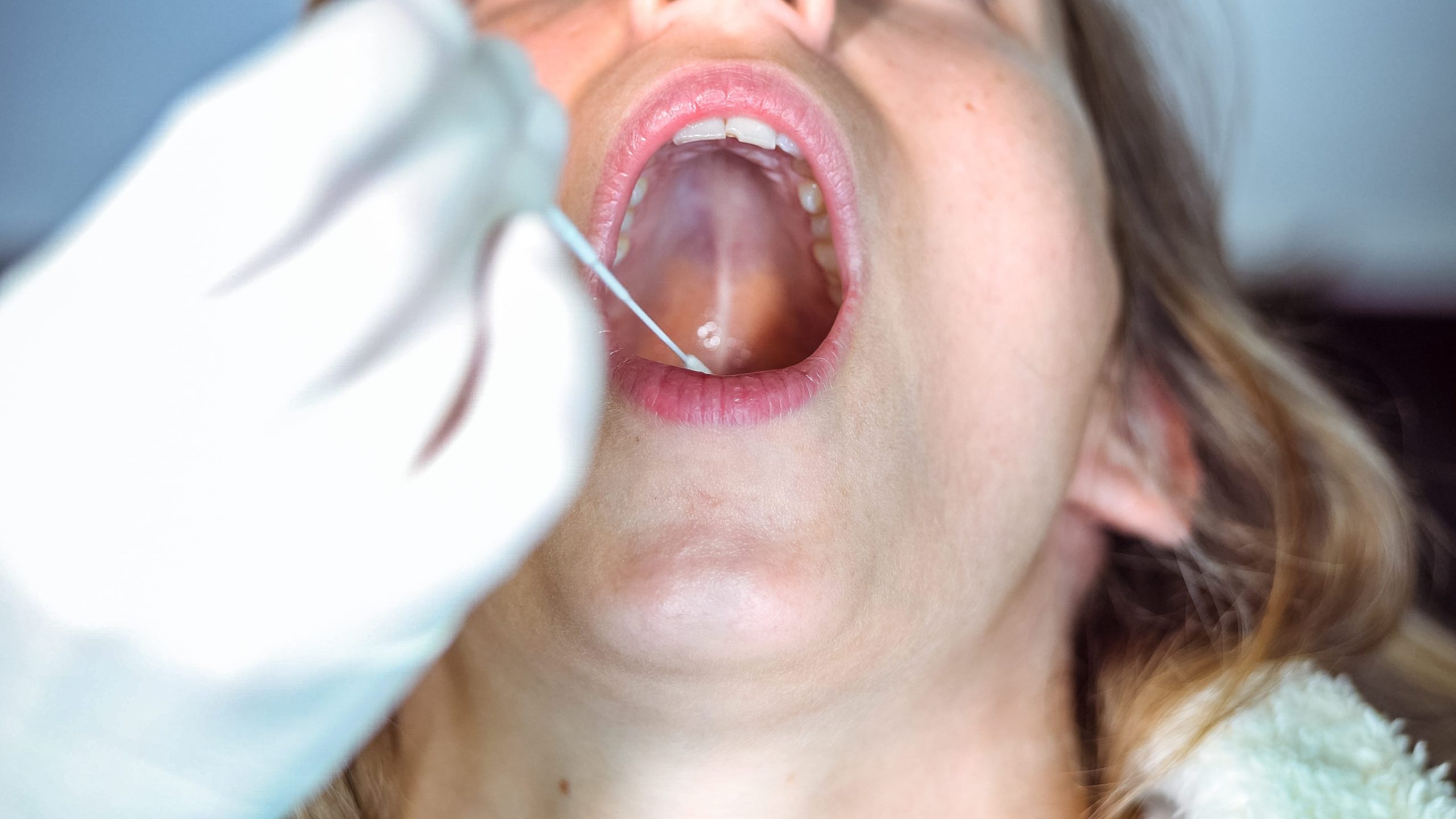
While mouthwash can help freshen breath and kill bacteria, it doesn’t address the underlying causes of oral health problems like gum disease, tooth decay, or bad breath. These issues require more than just a quick rinse; they require regular brushing, flossing, a balanced diet, and routine dental checkups.
Conclusion
Mouthwash is a great addition to your oral hygiene routine when used correctly, but it’s important to be aware of its potential drawbacks. While it can freshen breath, fight bacteria, and even help prevent cavities, overuse or reliance on mouthwash alone is not a substitute for brushing, flossing, and regular dental visits.
By choosing the right type of mouthwash, using it in moderation, and being mindful of its limitations, you can ensure your mouth stays fresh and healthy without any unexpected side effects. Ultimately, mouthwash can be a powerful tool in your oral hygiene arsenal, but it’s important to understand that it’s only one part of the equation.
Healthy habits, regular checkups, and smart choices about your oral care products will always be the key to a long-lasting, healthy smile.
Read the original Crafting Your Home.


