


Gardening can be one of the most rewarding hobbies, but it doesn’t have to come with a hefty price tag.
By embracing a few simple, budget-friendly strategies, anyone can cultivate a thriving garden without overspending.
Here are ten essential tips to help you keep your gardening costs low while maximizing results.
Start with Seeds Instead of Expensive Plants
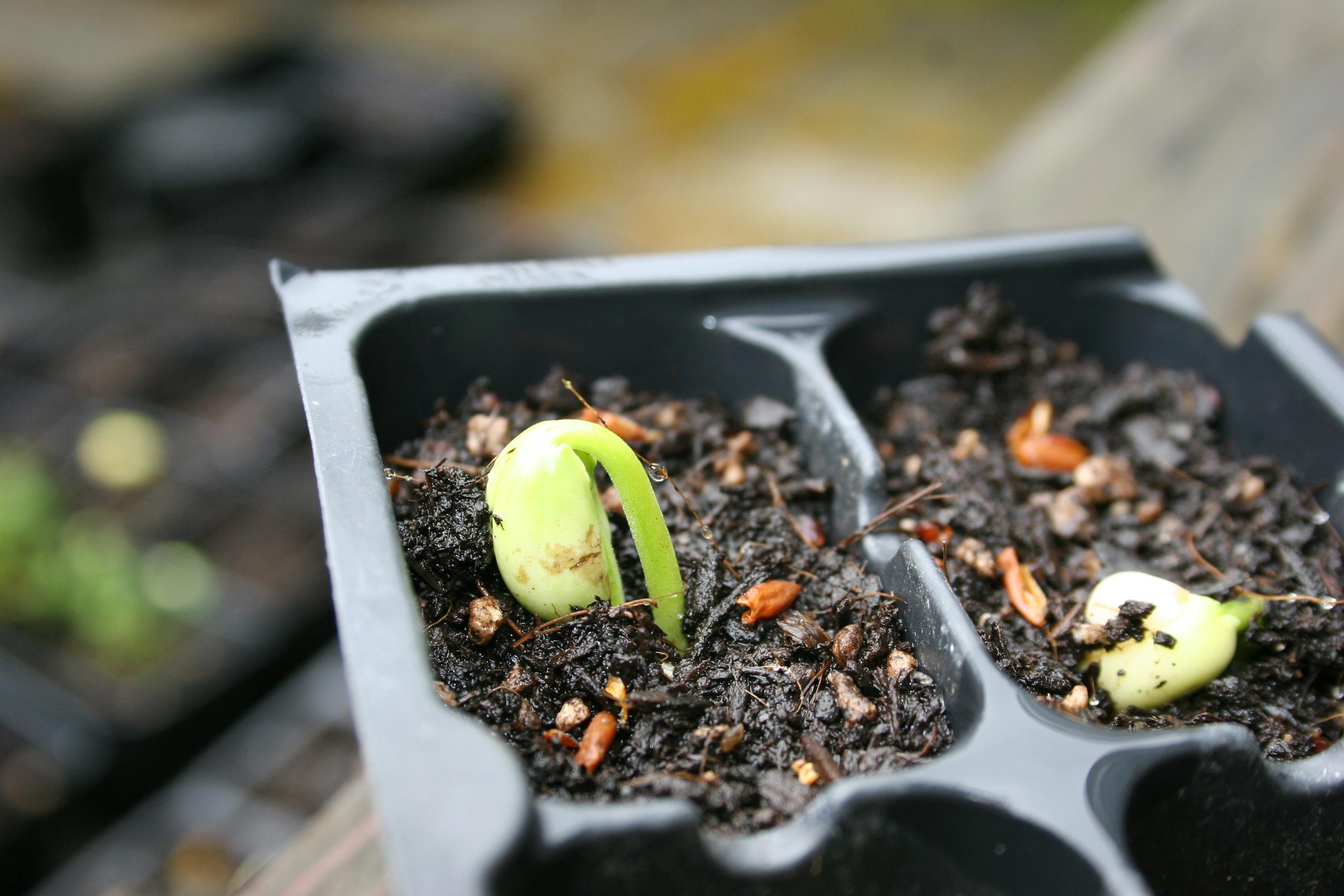
Buying mature plants from the nursery can be convenient, but it’s a costly way to fill your garden.
Instead, start with seeds, which are significantly cheaper and allow you to grow a wider variety of plants.
Many plants, including vegetables, flowers, and herbs, can be started from seed, and all you need is some quality soil and pots.
Additionally, swapping seeds with fellow gardeners or participating in local seed exchanges can further reduce costs.
Use Household Items for Planters
Repurposing household items can save you money while reducing waste. Consider using containers like old coffee cans, shoe boxes, or broken pottery for your garden.
These items not only work as creative planters but also help you avoid spending money on fancy pots.
You can personalize these containers by painting or decorating them to add a unique touch to your garden.
Compost Your Kitchen Scraps

Composting is an excellent way to recycle your kitchen waste and create nutrient-rich soil for your plants.
Instead of buying expensive fertilizers, make your own compost by collecting organic scraps like vegetable peels, coffee grounds, and eggshells.
Over time, your garden will benefit from the rich nutrients in your homemade compost, resulting in healthier plants and fewer trips to the garden store.
Practice Companion Planting for Better Yields
Companion planting is the practice of placing plants that work well together next to each other.
For example, planting basil with tomatoes helps improve growth by deterring pests and improving soil health.
This natural method can reduce the need for pesticides and fertilizers, making it both eco-friendly and cost-effective.
Research which plants grow best together to maximize your garden’s productivity.
Recycle Old Mulch and Wood Chips
Mulch is essential for retaining soil moisture and preventing weeds, but buying bags of mulch can be expensive.
Instead, recycle old mulch or wood chips from other areas of your garden. You can also collect leaves or grass clippings to use as a free, natural mulch alternative.
By reusing materials, you’re saving money and reducing your environmental footprint.
Learn to Propagate Plants
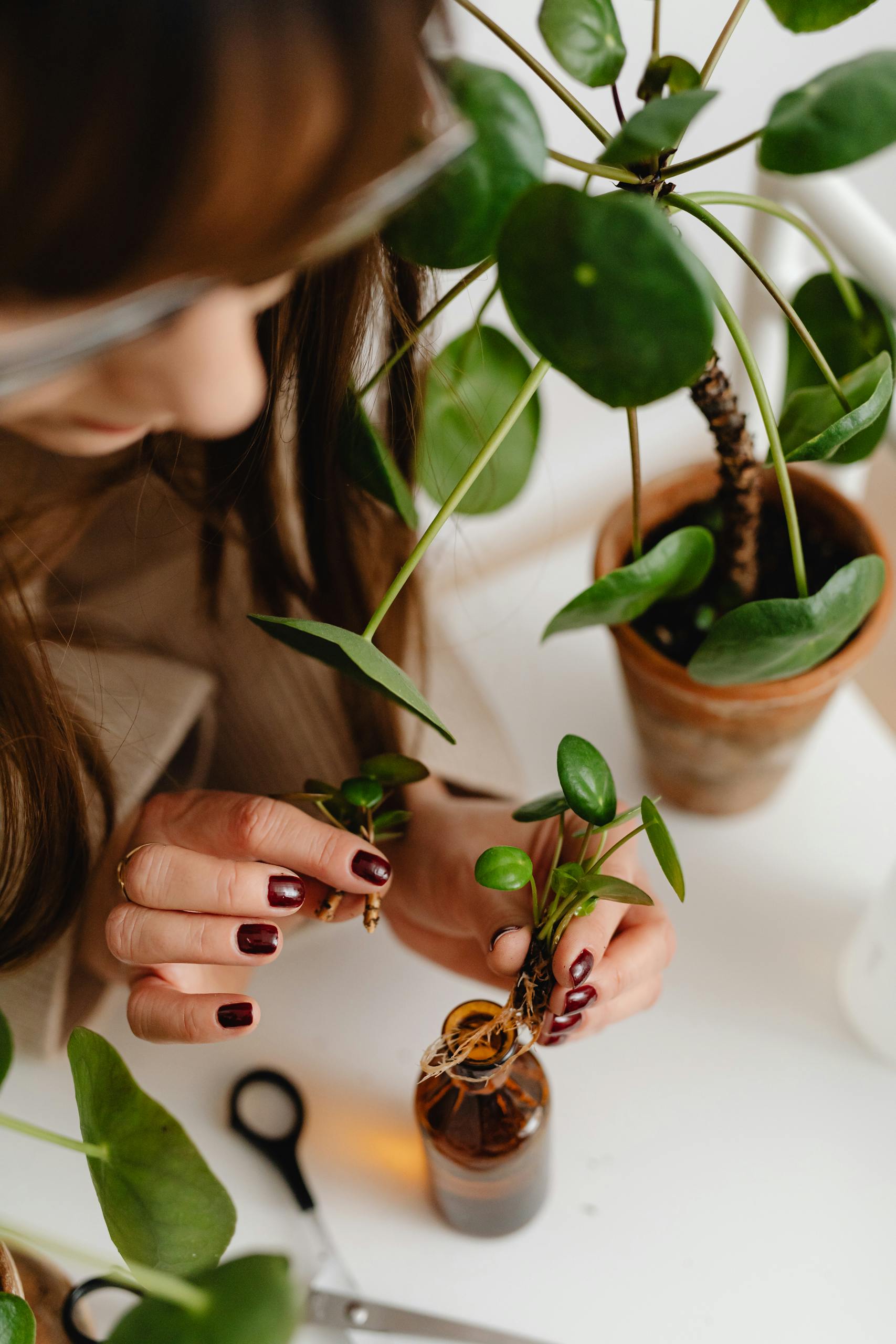
Propagating plants from cuttings or division is one of the most cost-effective ways to expand your garden.
Many plants, such as mint, geraniums, and succulents, can easily be propagated at home. Simply cut a healthy stem, place it in water or soil, and wait for roots to develop.
Propagating allows you to grow multiple plants from a single one, saving money on purchasing new plants.
Build Your Own Raised Beds
While raised beds are fantastic for improving drainage and increasing yields, purchasing them pre-made can be expensive.
Instead, consider building your own using inexpensive materials like wood, bricks, or repurposed items.
Raised beds can be built in any size to fit your available space, and they’re easier to maintain than traditional in-ground gardens.
Use Rainwater for Irrigation
Watering your garden can be a significant expense, especially in areas with high water costs.
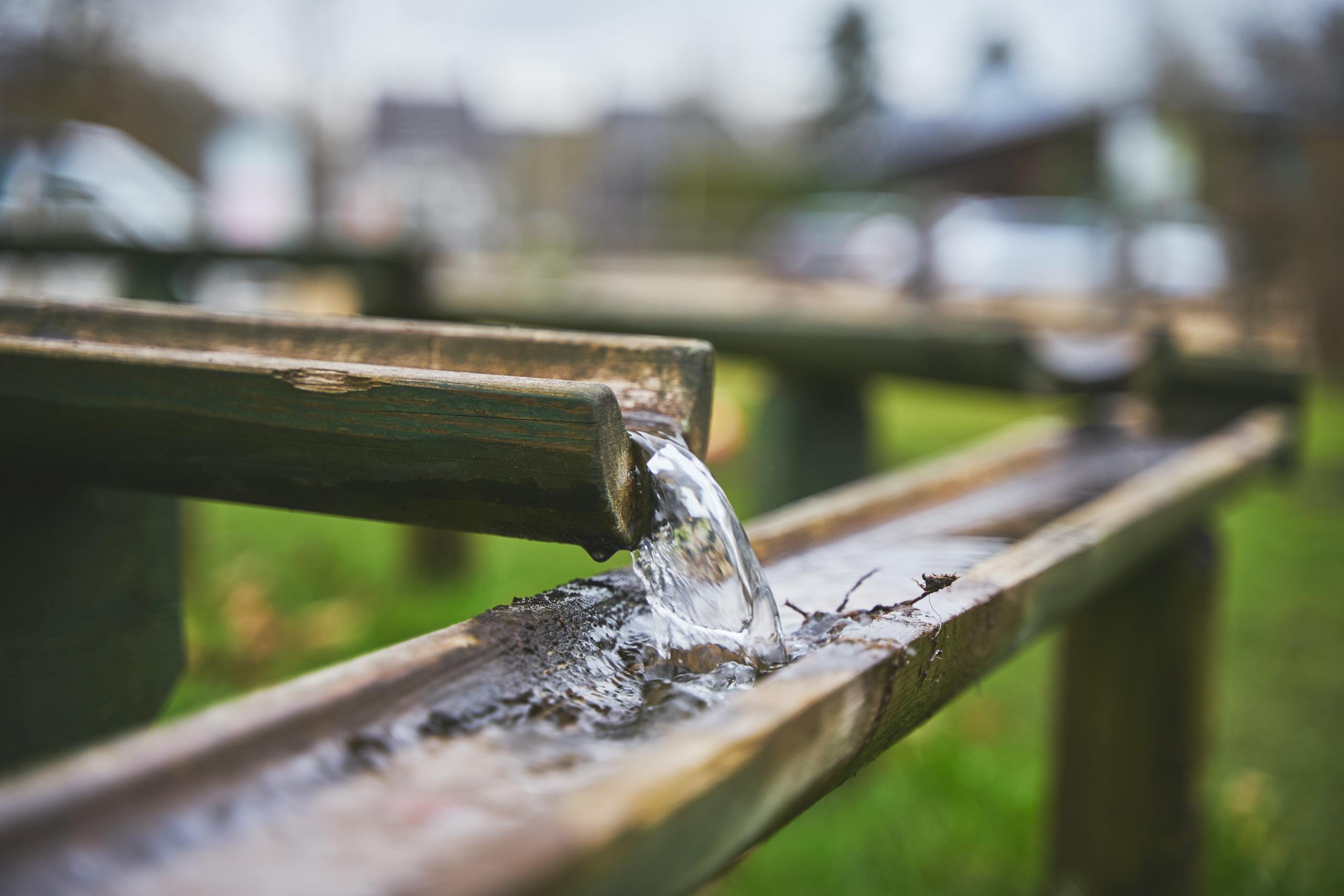
Using rainwater for irrigation is an effective way to save money and ensure your plants are getting the water they need.
Set up a simple rainwater collection system with a barrel or container under a downspout. You’ll save money on your water bill while providing your plants with chemical-free rainwater.
Conclusion
Gardening doesn’t have to be an expensive hobby. By adopting these budget-friendly strategies, you can enjoy a flourishing garden without spending a fortune.
Starting with seeds, reusing household items, and taking advantage of free resources are just a few of the ways to cut costs while enhancing your garden’s health and beauty.
With a little creativity and resourcefulness, you can enjoy the benefits of gardening on a budget.


