


Most kitchen disasters don’t start with big fires or ruined holiday dinners. They usually come from small habits that seem harmless but can ruin flavor, waste food, or even risk your health. Being a confident cook isn’t about making mistakes. It’s about knowing which habits to let go of for good.
Here’s a clear look at common kitchen mistakes and some simple changes that can make cooking easier, safer, and less stressful.
Thawing Food on the Counter Like It’s No Big Deal
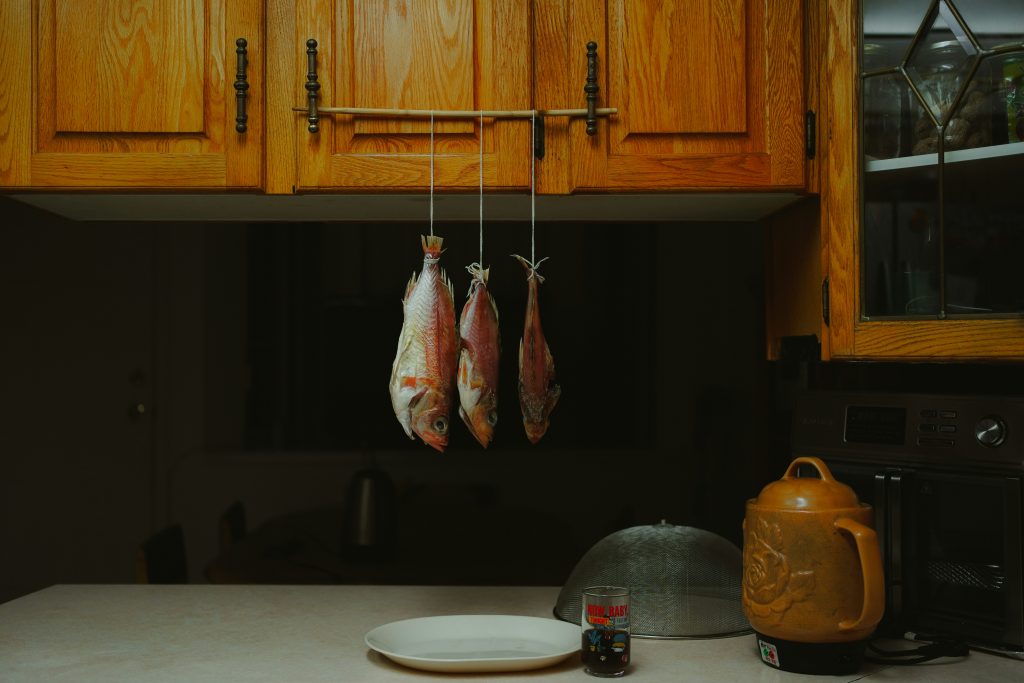
This habit seems harmless, but it’s actually risky. Leaving frozen meat on the counter lets it warm up into the food-safety “danger zone” before it’s fully thawed, which allows bacteria to grow. It’s safer to thaw food in the fridge, in cold water that you change often, or in the microwave if you’ll cook it right away. In the kitchen, safety should always come before convenience.
Guessing Doneness Instead of Using a Thermometer
Many people still poke or cut into food to check if it’s done, but that method isn’t reliable. Safe internal temperatures are important for poultry, ground meat, leftovers, and seafood. Using a food thermometer takes away the guesswork. It’s an inexpensive tool that saves more meals than fancy cookware ever could.
Letting Raw Meat Touch Everything Around It
A.Rahmat MN/ Unsplash
Cross-contamination is a hidden danger in home cooking. If a knife touches raw chicken, then a cutting board, then the counter, and then a salad ingredient, the kitchen might look clean, but it isn’t safe.
Good habits include keeping raw meat, poultry, and seafood separate from ready-to-eat foods, washing your hands well, and cleaning surfaces carefully. This is one mistake where “it should be fine” is never good enough.
Skipping the Oven Preheat Because You’re in a Hurry
Being impatient ruins more meals than bad recipes. When a recipe lists a temperature and cooking time, it expects the oven to be already hot. Putting food in before the oven is ready changes the timing, texture, and sometimes even the safety of your dish.
Cakes may bake unevenly, vegetables may soften before they brown, and anything that needs a hot start won’t turn out right.
Crowding the Pan and Expecting Golden Magic
A crowded pan can’t fry or sear food properly. When food is packed in, moisture gets trapped, the heat drops, and instead of a nice brown crust, you get pale, soft results. Good cooking often means fewer pieces in the pan, more space between them, and the patience to cook in batches. Giving food room helps it brown and brings out better flavor.
Seasoning Only at the Very End
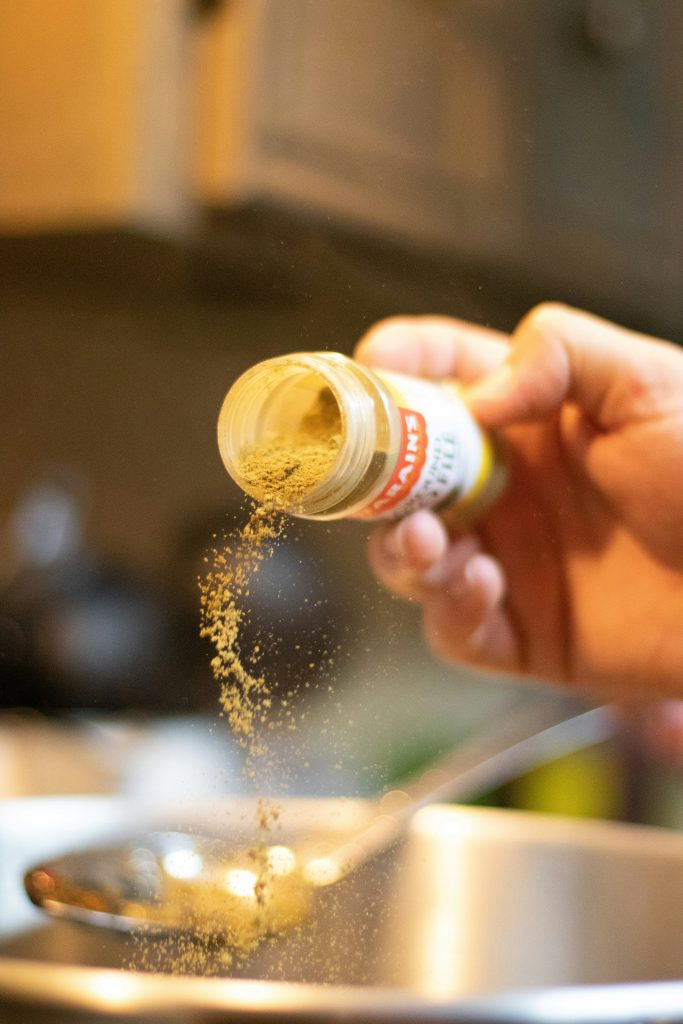
If you wait until the very end to add salt, your food can taste flat, even if you followed the recipe. Good flavor comes from adding seasoning in layers, not just at the end. Add a little early, adjust as you cook, and taste before serving. This gives your food depth, not just surface saltiness. Confident cooks build flavor step by step.
Refusing to Taste As You Cook
Cooking without tasting is risky. You might get lucky, but it’s not a good plan. Sauces need to be checked, soups need to be balanced, and even simple dishes can change as they cook. The best meals usually come from cooks who keep tasting, adjusting, and making sure the food turns out right before serving.
Slicing Meat the Second It Leaves the Heat
Many people cut meat too soon after cooking. Letting meat rest for a few minutes helps the juices redistribute and allows the inside to finish cooking. If you cut it right away, the juices run out onto the cutting board instead of staying in the meat. Waiting just a few minutes can make your meat taste much better.
Treating Leftovers Like a Mystery Collection
Leftovers can save money or just go to waste. If containers get pushed to the back of the fridge without labels or dates, they’re often forgotten. It’s better to keep older items in front and use leftovers within 3 to 4 days. An organized fridge isn’t about being picky; it’s about being efficient.
Using Dull Knives Because They Feel “Safer”
Many people believe dull knives are safer, but that’s a common myth. A dull knife needs more force, gives you less control, and is more likely to slip. A sharp knife cuts easily and safely, making prep faster. The real danger isn’t a sharp knife, it’s a neglected, dull one.
Conclusion
A better kitchen doesn’t come from big changes. It comes from small improvements that make every meal easier, cleaner, safer, and more enjoyable. Don’t rush thawing, don’t guess temperatures, don’t leave seasoning until the end, and don’t let bad habits become traditions.
When you let go of these habits, cooking feels less stressful and much more enjoyable. That’s when your kitchen starts to work with you, not against you.
Remove the Original Article on Crafting Your Home


