


Lead exposure is a hidden danger that could be lurking in your food. While many people associate lead poisoning with environmental factors, it is crucial to recognize that certain foods can also be sources of lead contamination.
This heavy metal is harmful to human health, particularly for children and pregnant women. In this article, we will explore foods commonly associated with lead contamination and provide essential information on how to minimize the associated risks.
Canned Foods
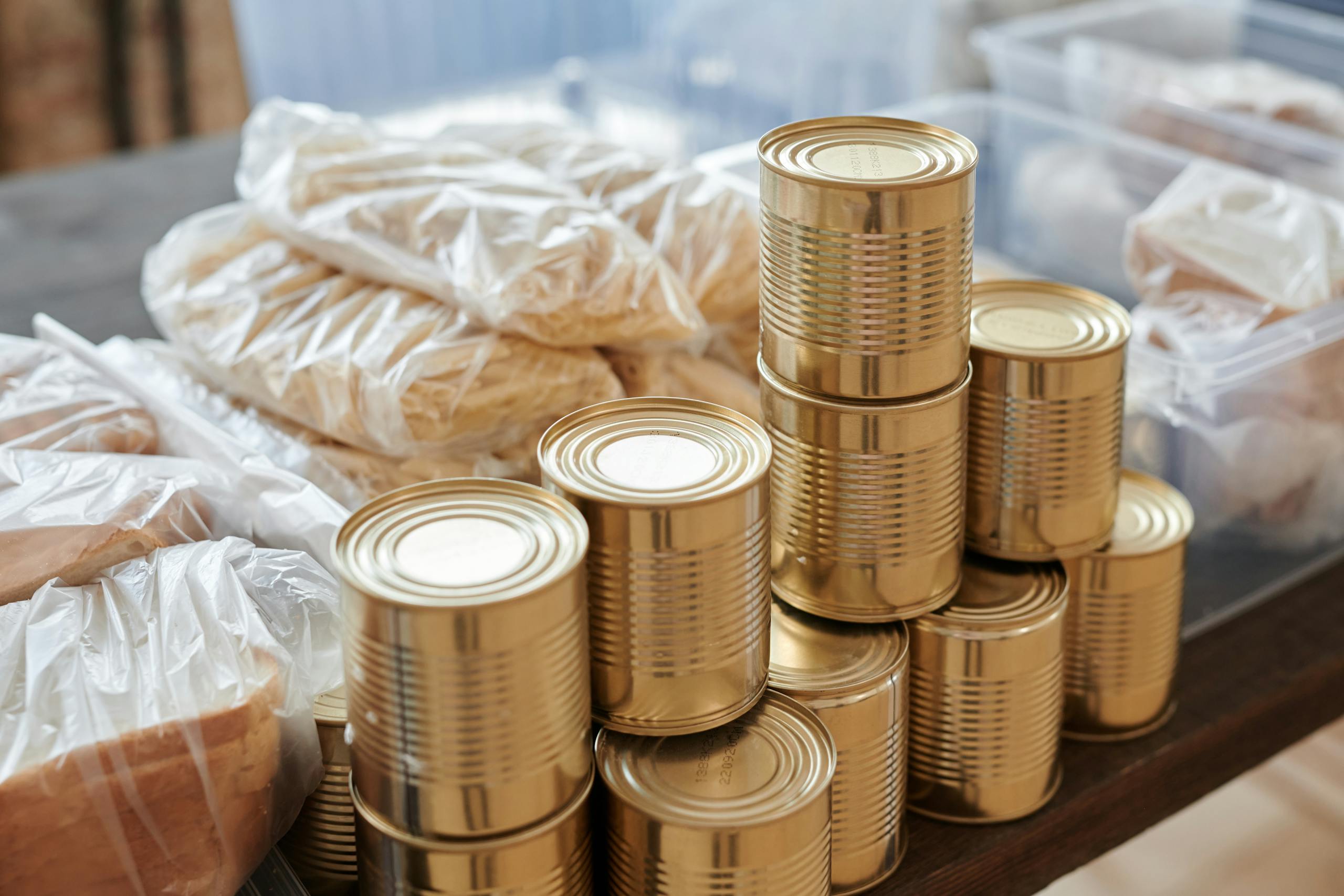
Canned goods are a staple in many households due to their convenience and long shelf life. However, the lining of some cans contains lead, which can leach into food during storage. Even though regulations have reduced the use of lead in can linings, some older cans still pose a risk.
Imported Foods and Spices
Many imported foods, particularly from countries with less stringent regulations, can contain lead. Spices such as turmeric, chili powder, and saffron, as well as candies and traditional snacks, have been found to be contaminated. The risk is even higher in artisanal or street food.
Root Vegetables
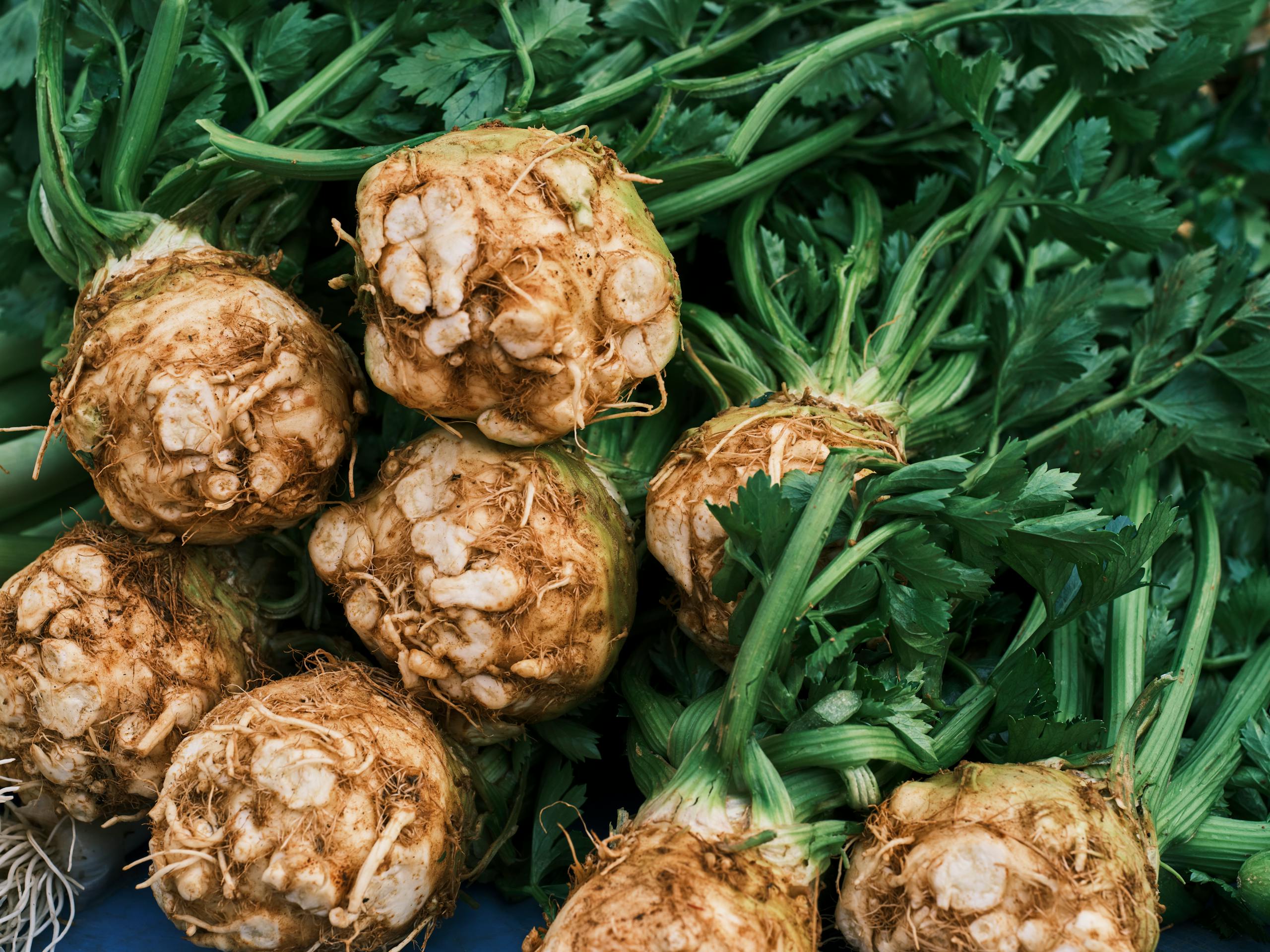
Root vegetables like carrots, potatoes, and beets grow underground, where they can absorb lead from contaminated soil or water. This makes them particularly vulnerable to lead contamination, especially when grown near industrial areas or old buildings with lead-based paint.
Rice
Rice, a dietary staple for millions, can absorb lead from the soil and water in which it is grown. Studies have shown that rice from certain regions, particularly those irrigated with contaminated water, may contain harmful levels of lead.
Beer and Wine

Lead can also find its way into alcoholic beverages like beer and wine. In particular, lead contamination has been linked to older equipment used in beer production and to the use of lead-soldered containers in wineries. Additionally, lead can seep into beverages through contact with contaminated pipes or storage containers.
Traditional Folk Remedies
Some traditional folk remedies and herbal medicines, particularly those from countries with looser regulations, can contain lead. These remedies, which are often used in cultures for their supposed healing properties, may be contaminated due to improper handling or the use of lead-based ingredients.
Chocolate
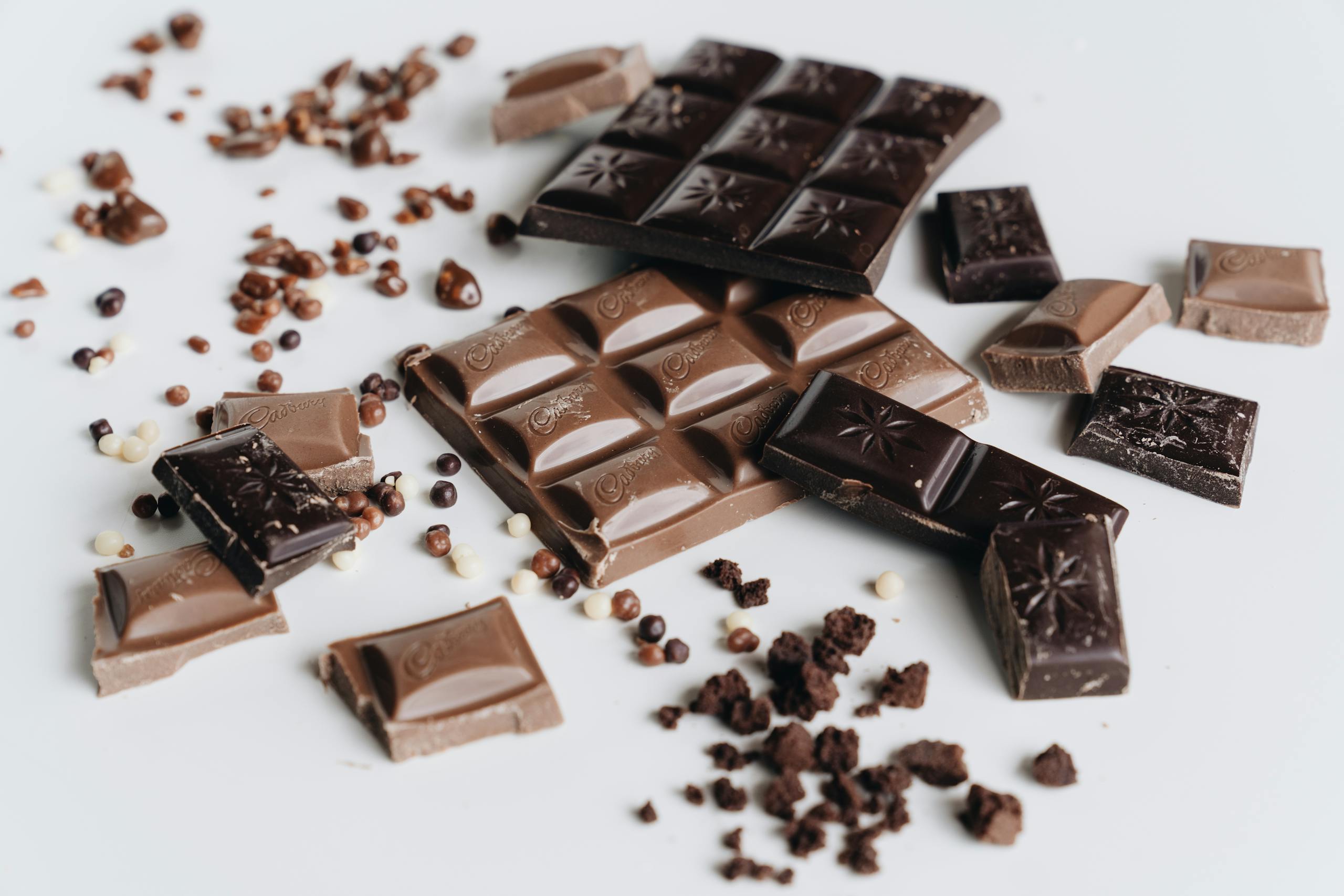
Chocolate, especially that imported from countries with less stringent food safety standards, has been found to contain lead. The lead can be introduced during harvesting, as cocoa beans may be grown in contaminated soil or stored in lead-contaminated containers.
Tea
Tea, particularly green tea and herbal teas, can sometimes contain lead due to contamination in the soil or through the use of lead-based pesticides. This issue is especially concerning for teas sourced from regions with weak pesticide regulation.
How to Minimize Lead Exposure in Food
While it is difficult to completely eliminate lead exposure from food, there are several steps you can take to minimize your risk:
- Choose Fresh, Local Produce: Fresh, locally grown produce is less likely to be contaminated with lead than imported or canned goods.
- Opt for Organic: Organic foods are less likely to be exposed to lead due to stricter agricultural practices and pesticide regulations.
- Wash and Peel Your Food: Thoroughly wash and peel vegetables, fruits, and root crops to remove any contaminants on the surface.
- Cook with Non-Toxic Utensils: Avoid using cookware made from leaded glass or materials that may leach lead into your food.
Conclusion
Lead contamination in food is a real concern that should not be overlooked. By being aware of foods that are more likely to contain lead and taking steps to minimize exposure, you can protect your health and your family’s health.
While it may not be possible to avoid lead entirely, making informed choices when shopping and preparing food can significantly reduce your risk.
Stay vigilant, make educated choices, and prioritize food safety to keep lead out of your diet.


