


We are in a time where every penny counts; it’s becoming increasingly important to find ways to save without sacrificing quality.
One of the most effective and satisfying ways to do so is to make your own food at home instead of purchasing pre-made.
Not only is this practice far more cost-efficient, but it also provides an opportunity to enjoy fresher, healthier meals tailored to your tastes.
In this article, we look deep into the foods that are cheaper to make than buy and explore how this simple shift can lead to a significant reduction in your grocery bills.
Bread
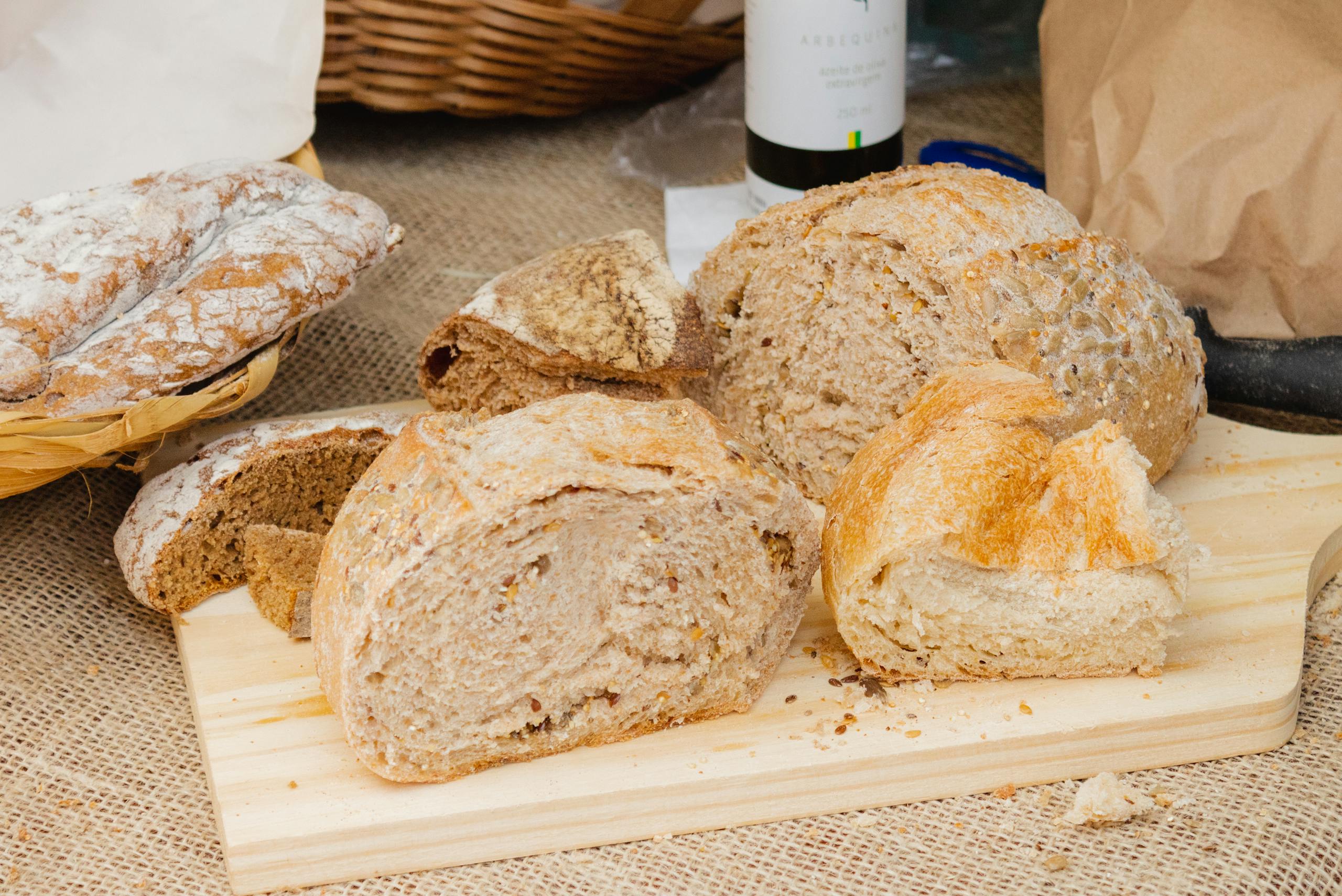
Bread is a foundational food in most households, but it’s also one that many people rely on buying from the store.
While a loaf from your local bakery or grocery store can range between $3 to $5, the cost of baking bread at home is drastically lower.
A basic loaf made from flour, yeast, salt, and water costs just a fraction of that, with homemade bread coming in at around $0.50 to $1 per loaf.
The ingredients for bread are inexpensive and highly versatile. Flour, water, and yeast are pantry staples that can be stored for extended periods, reducing the need to restock.
By investing in a bread machine or learning to knead by hand, you can produce multiple loaves at once and freeze them for future use.
Moreover, homemade bread has a superior texture and taste compared to mass-produced bread, and you can experiment with flavorings like herbs, garlic, or cheese for a personalized touch.
Pizza
Pizza, a beloved comfort food, is often a go-to for takeout, with a typical pizza costing anywhere between $12 to $20, depending on size and toppings.
But why spend so much on delivery when you can make a delicious pizza from scratch for as little as $3-$5?
Homemade pizza allows you to exercise full creative control. The dough is made with simple ingredients like flour, yeast, olive oil, and salt, and costs less than $1 for a large pizza. Tomato sauce and cheese, purchased in bulk, cost only a few cents per pizza.
You can add your favorite toppings, from vegetables to meats, without the premium charges imposed by pizza restaurants.
Making pizza at home also gives you more freedom in terms of portion size and nutritional content.
You can opt for a whole wheat or gluten-free crust, adjust the cheese-to-sauce ratio, and include healthier toppings such as fresh veggies or lean proteins.
Granola
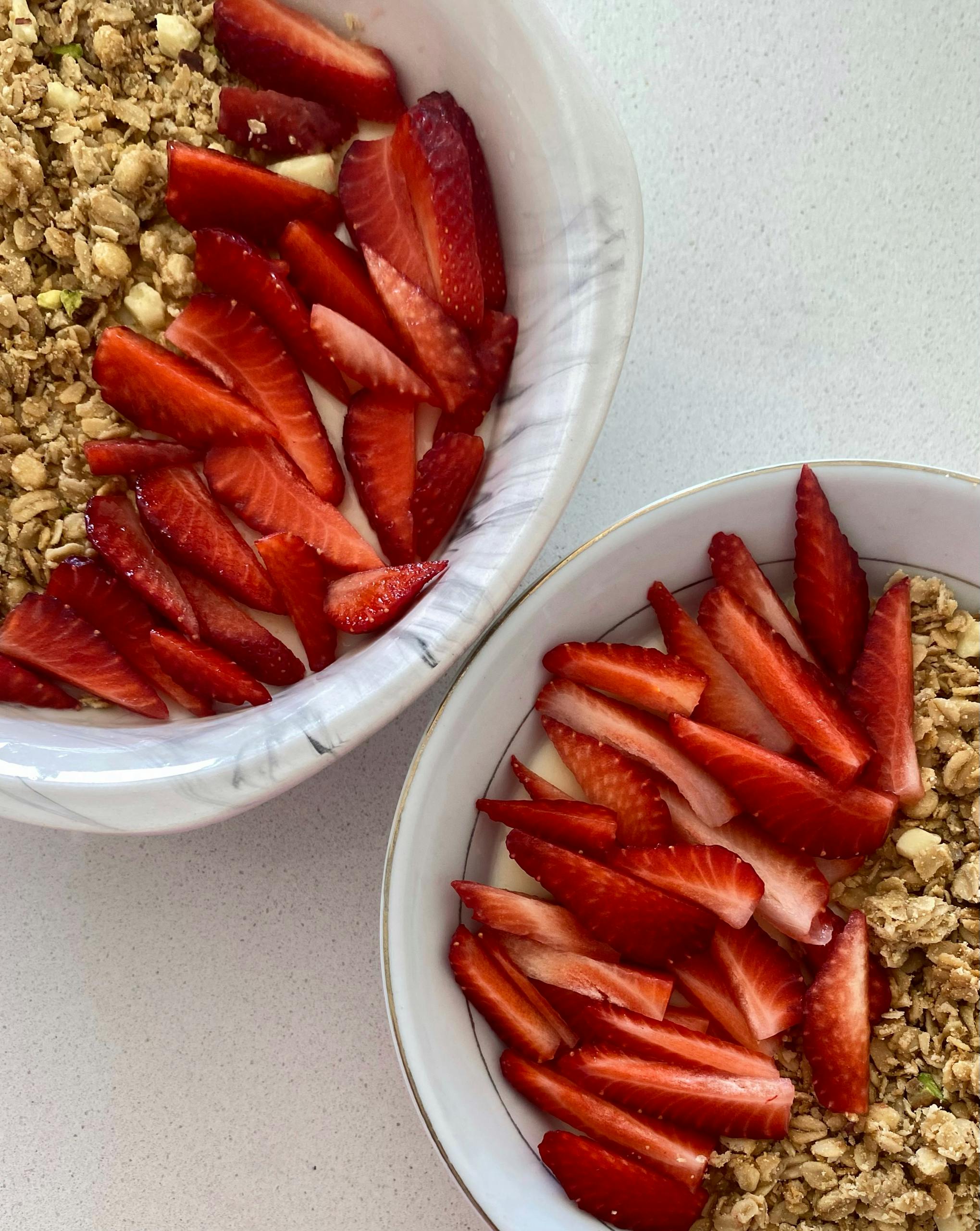
Granola is a popular breakfast option or snack, but buying pre-made versions can get expensive.
A box of organic granola can easily cost upwards of $5, especially when purchased in smaller portions. However, making granola at home costs about $2 to $3 per batch and yields several servings.
The beauty of homemade granola lies in its simplicity and flexibility. Oats, honey, and seeds are the basic ingredients needed, but you can easily add dried fruits, nuts, and spices to create your own signature blend.
By purchasing these ingredients in bulk, you ensure a lower cost per serving, making it a far more economical choice compared to store-bought options.
Moreover, you can control the sugar content, making your homemade granola a healthier alternative to the often sugary, preservative-laden varieties found in supermarkets.
Granola can also be made in large batches, stored in airtight containers, and used throughout the week, saving both time and money.
Pasta
Pasta is one of the most affordable meal options, but even so, buying pre-packaged pasta can still be expensive over time.
A single box of store-bought pasta might cost $1 to $2, but making your own pasta from scratch costs even less: flour and eggs total just $1 to $2 per batch, enough for four servings.
Homemade pasta takes only a few minutes to prepare, and the ingredients are both affordable and shelf-stable.
Making your own gives you control over thickness and texture, ensuring the pasta is fresh and perfectly suited to your dishes.
Additionally, homemade pasta cooks faster and has a richer flavor than mass-produced pasta.
If you enjoy Italian cuisine and frequently use pasta in your meals, making it at home can save you a lot, particularly if you cook in bulk and freeze extra portions for later.
Ice Cream
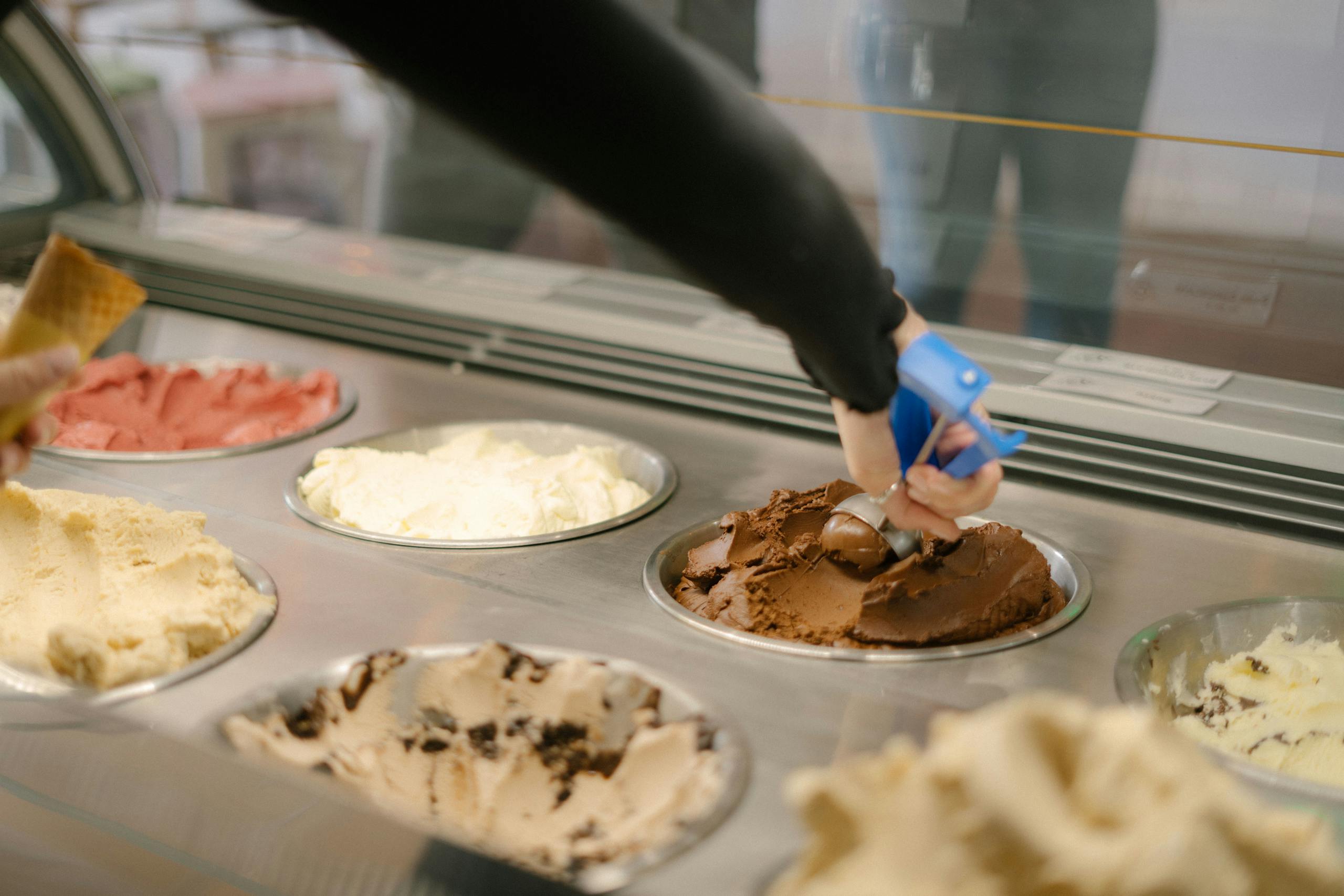
Ice cream is a classic indulgence, but buying it from the store can be expensive, with premium brands costing $5 or more per pint. However, you can make your own ice cream for around $2 to $3 per batch, using basic ingredients like cream, sugar, and milk.
Homemade ice cream allows you to create your desired flavor combinations, whether you’re in the mood for chocolate, vanilla, or something more exotic like pistachio or mango.
You can add fresh fruit, nuts, or even cookies to personalize your dessert. Plus, there’s the added benefit of controlling the sweetness and ensuring there are no artificial additives.
Homemade ice cream can be made without an ice cream machine, simply freeze the mixture in a container and stir it periodically.
The process is easy, cost-effective, and results in a delicious treat that’s far more affordable than store-bought alternatives.
Tortillase
Tortillas are essential for tacos, quesadillas, and wraps, yet buying them at the store can be unnecessarily expensive.
Pre-packaged tortillas often cost between $3 and $5 per pack, but homemade tortillas can cost as little as $1.50 to $2 per batch.
The ingredients for tortillas are minimal: flour, salt, water, and oil. Once you’ve mastered the technique, you can easily make multiple batches at once and store extras for future meals.
Homemade tortillas are also fresher, fluffier, and far more flavorful than their store-bought counterparts, and you can customize them by adding herbs or spices for a unique twist.
Energy Bars
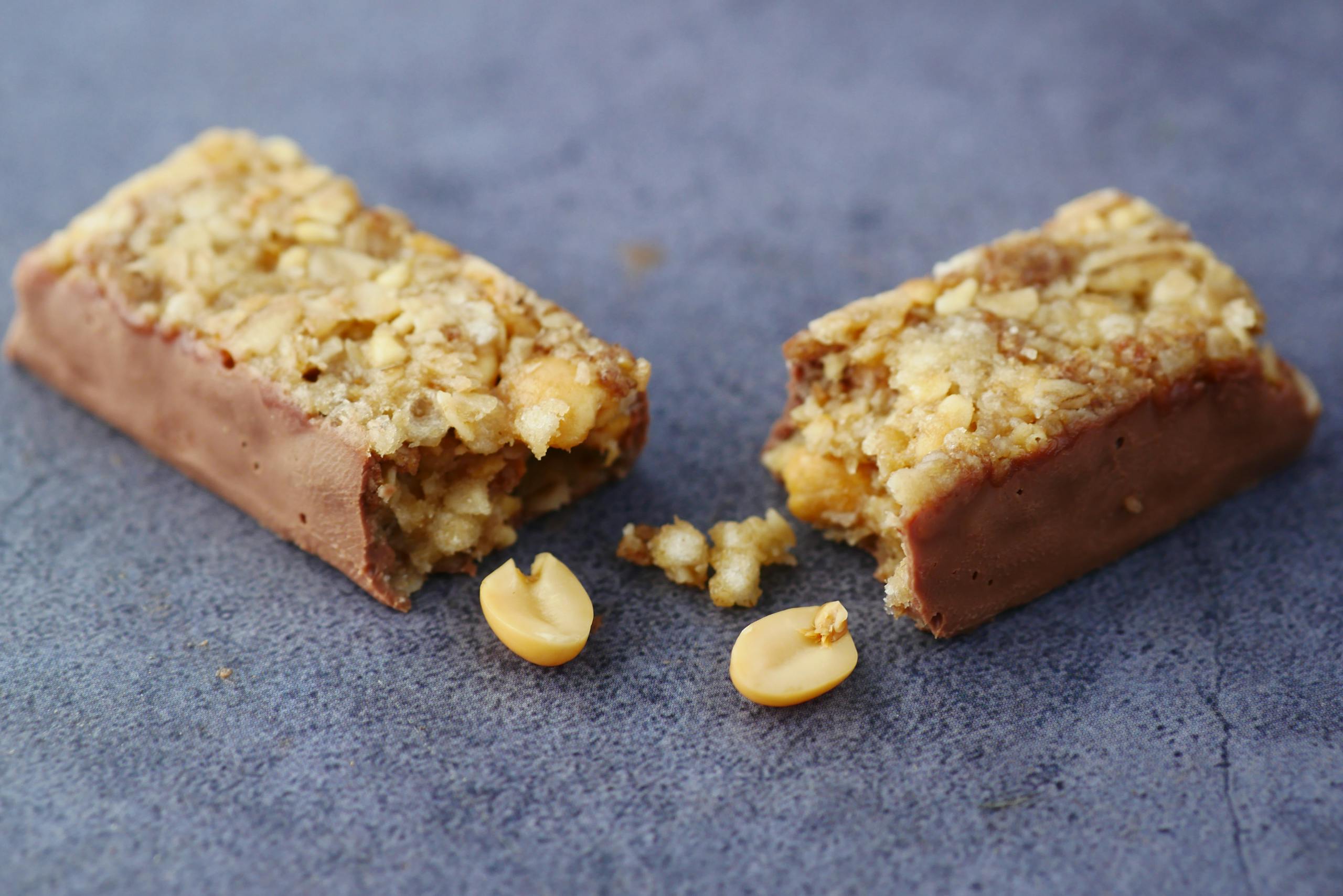
Energy bars are a great on-the-go snack, but buying them regularly can get expensive, especially if you opt for organic or specialty bars.
Store-bought energy bars can cost $2 to $3 each, while homemade energy bars can cost as little as $0.50 each.
The ingredients for homemade energy bars are simple: oats, nuts, seeds, dried fruit, and honey.
These ingredients are easy to find in bulk, making it more affordable to prepare large batches.
You can adjust the sweetness, texture, and flavor to suit your needs, creating a snack that’s both nutritious and cost-effective.
By making your own energy bars, you avoid the preservatives and added sugars found in many commercial brands, ensuring a healthier snack option that is just as convenient.
Conclusion
Making your own food from scratch isn’t just about saving money; it’s also about reclaiming control over what you eat and reducing your environmental impact.
By making bread, pizza, granola, and other everyday staples at home, you can dramatically reduce your grocery bills while enjoying fresher, healthier meals.
The ingredients are affordable, the process is simple, and the results are often far superior to anything you can buy in a store.
Making food from scratch also encourages creativity and experimentation. Whether you’re trying your hand at pasta making or crafting the perfect pizza dough, the kitchen becomes a place of discovery and personal satisfaction.
So, next time you’re thinking of purchasing pre-packaged food, consider the savings and joy of making it yourself.


