

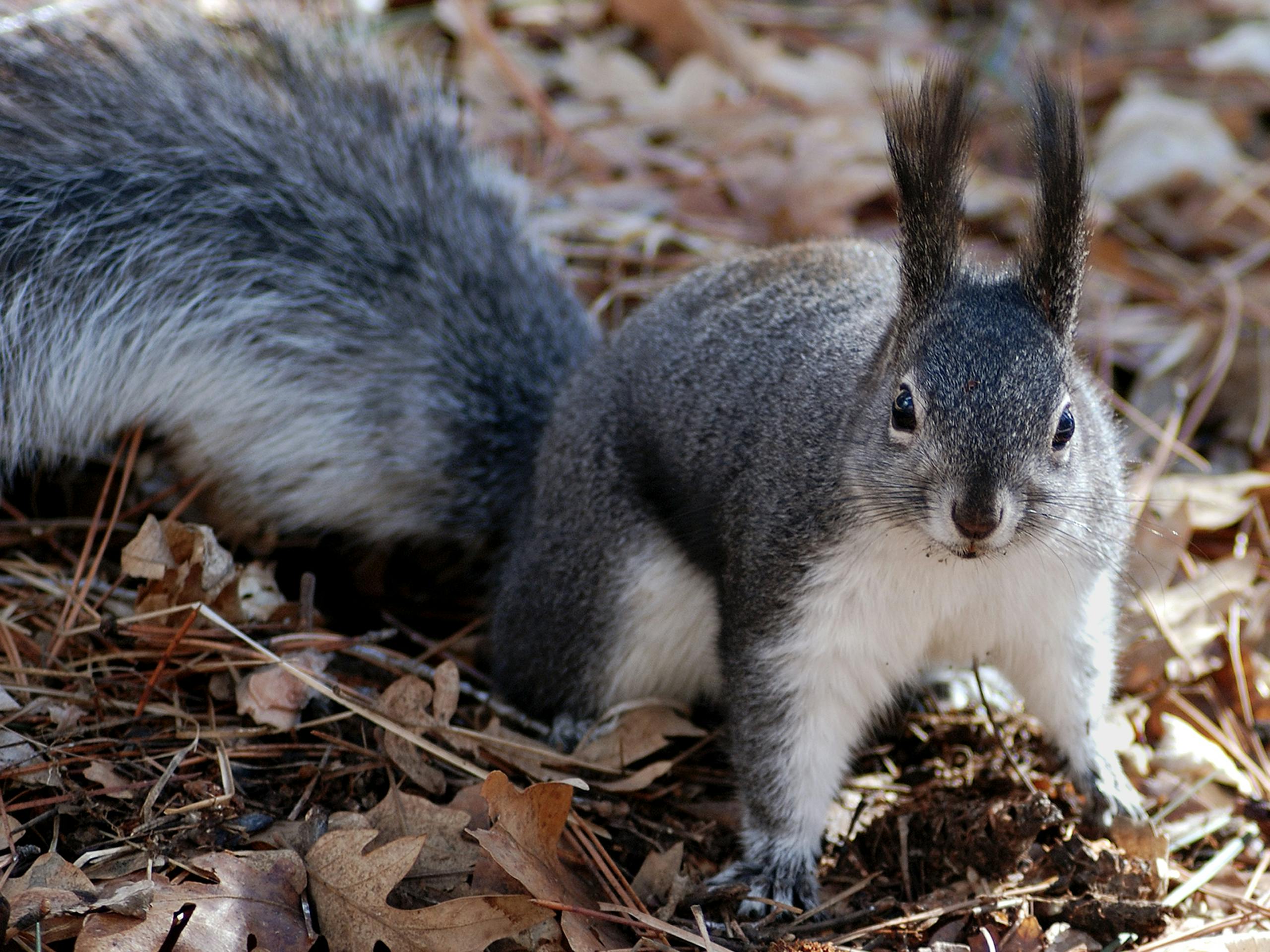
If you’ve noticed unsightly mounds on your lawn, damage to your garden, or cracks in your foundation, there’s a good chance you’re dealing with a ground squirrel infestation.
These destructive rodents are more than just an eyesore; they can cause extensive damage to your property and threaten your home’s integrity. But don’t worry; you don’t have to let them win.
In this article, we’ll show you exactly how to take control, protect your garden, and ensure your property remains squirrel-free.
Preventive Measures to Keep Ground Squirrels Away
Before taking extreme measures to eradicate ground squirrels, it’s important to first prevent their intrusion. Here are some effective ways to keep them out:
Fencing
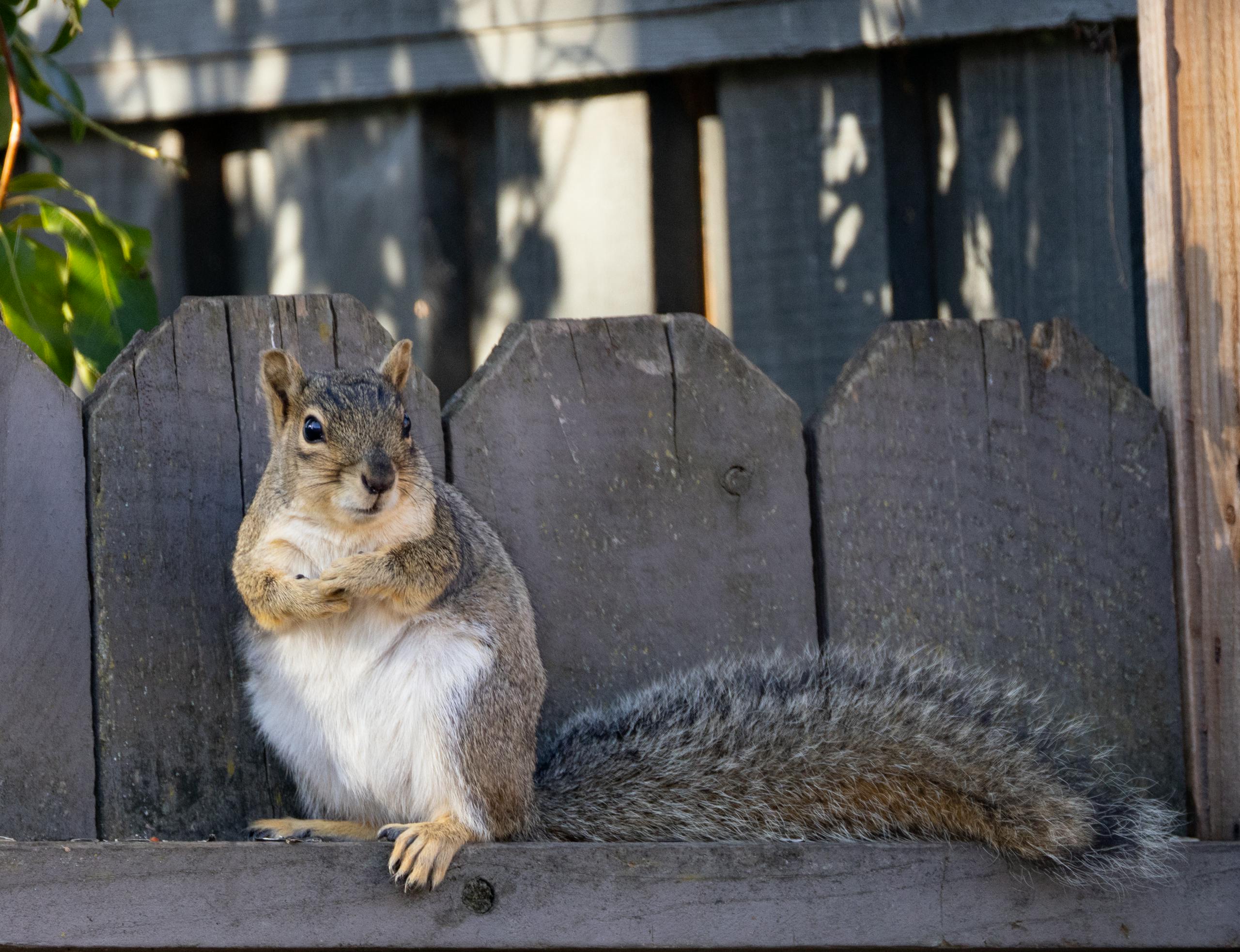
A well-constructed fence can be an effective deterrent for ground squirrels. Build a barrier at least 3 feet tall and bury it 6 to 12 inches deep.
Use a fine-mesh wire or hardware cloth with small holes (about 1 inch in diameter) to prevent squirrels from slipping through. Make sure the fence is installed securely with no gaps at the bottom.
Remove Shelter and Food Sources
Ground squirrels are more likely to inhabit areas where they find food and shelter. Remove any piles of rocks, wood, or debris where they can nest.
Additionally, keep bird feeders clean and store any food sources (such as seeds or pet food) in sealed containers. Clean up fallen fruits or vegetables from your garden to remove food sources.
Use Natural Repellents
Several natural repellents can help deter squirrels from settling on your property. For instance, you can sprinkle crushed red pepper, garlic powder, or cayenne pepper around the perimeter of your garden. The strong smell and taste can keep squirrels at bay.
Additionally, predator urine (such as coyote or fox) can be used to mimic the presence of predators and deter squirrels.
Plant Squirrel-Repelling Plants
Certain plants are known to repel ground squirrels due to their strong scents. Examples include lavender, garlic, mint, and rosemary. Planting these around your garden or along the edges of your property may help keep squirrels away.
Trapping Ground Squirrels
If preventative measures are not enough and you find ground squirrels still causing damage, trapping is an effective way to reduce their population.
Selecting the Right Trap
Choose a live trap that’s large enough to accommodate ground squirrels. Steel cage traps work best for this purpose. Look for traps with a spring-loaded door and a sensitive trigger mechanism, so the squirrel is trapped as soon as it enters.
Baiting the Trap
Ground squirrels are attracted to food sources like seeds, nuts, or fruits. For effective trapping, use peanuts, sunflower seeds, or apple slices as bait. Place the bait at the back of the trap, ensuring it doesn’t spill out and scare the squirrels away.
Setting the Trap
Set the trap in areas where you’ve observed squirrel activity. Common spots include near burrow entrances, along garden edges, or on pathways where squirrels frequent. Check the traps regularly to ensure you don’t leave the trapped squirrels for too long.
Relocating Trapped Squirrels
Once you’ve captured the squirrels, relocate them at least 5 to 10 miles away from your property. Make sure to release them in an area where they will not return. Do not release squirrels in urban or residential areas, as they may continue to cause trouble.
Using Poison to Kill Ground Squirrels
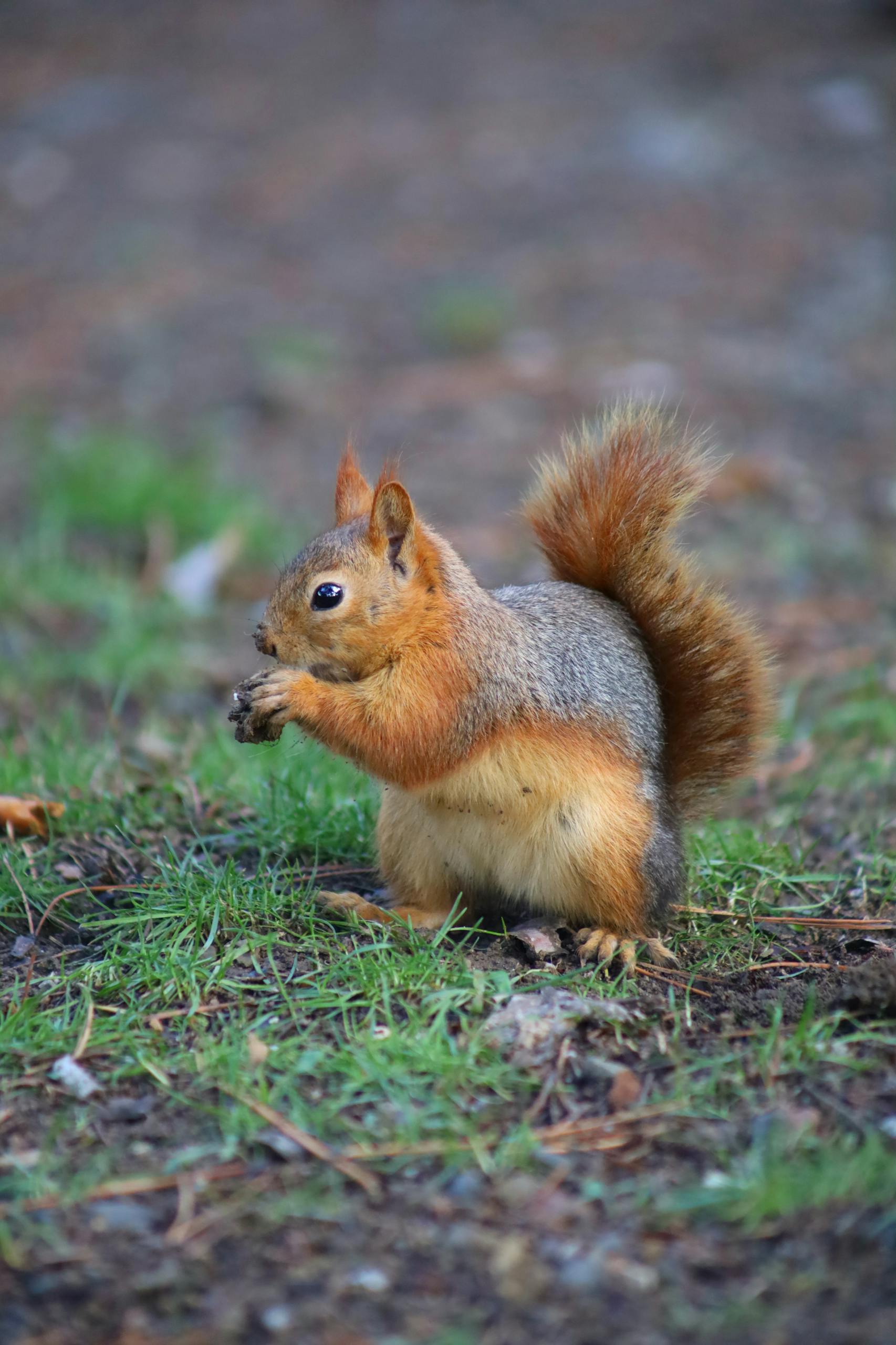
While using poison is an option, it should be approached with caution due to the risks to other animals and the environment.
Types of Squirrel Poison
There are two main types of poison used for ground squirrels:
- Anticoagulant Poison: These poisons cause internal bleeding by interfering with the blood’s ability to clot. They typically take several days to be effective.
- Zinc Phosphide: This poison is faster acting and results in the immediate death of the squirrel. However, it is more hazardous to pets, wildlife, and humans, so it should only be used in areas that are out of reach of non-target animals.
Applying the Poison
If you decide to use poison, follow the manufacturer’s instructions carefully. Distribute the poison near burrow entrances or areas where squirrels frequent. Ensure that the poison is placed out of reach of pets and other wildlife.
Safety Precautions
Always wear gloves and take care when handling poison. Dispose of dead squirrels properly and keep track of where you have placed the poison. Inform your neighbors if you’re using poison, as it may affect wildlife in the area.
Hiring Professional Pest Control
If DIY methods aren’t working or you’re dealing with a large infestation, it may be time to call in a professional pest control service. Pest control experts are experienced in handling wildlife invasions and can provide you with effective solutions tailored to your situation.
Benefits of Professional Help
Pest control services have access to specialized tools and techniques that can safely and efficiently remove ground squirrels. They also understand the legal regulations on trapping and the use of poisons, ensuring that all actions comply with local laws. Hiring professionals can save you time and effort, as they have the knowledge to handle tricky infestations.
Costs of Professional Pest Control
The cost of hiring pest control varies based on the size of your property and the extent of the infestation. Typically, you can expect to pay between $100 and $500 for professional squirrel control. The price may also include an inspection, trapping services, and prevention recommendations.
How to Prevent Ground Squirrel Infestations in the Future
Ongoing Monitoring
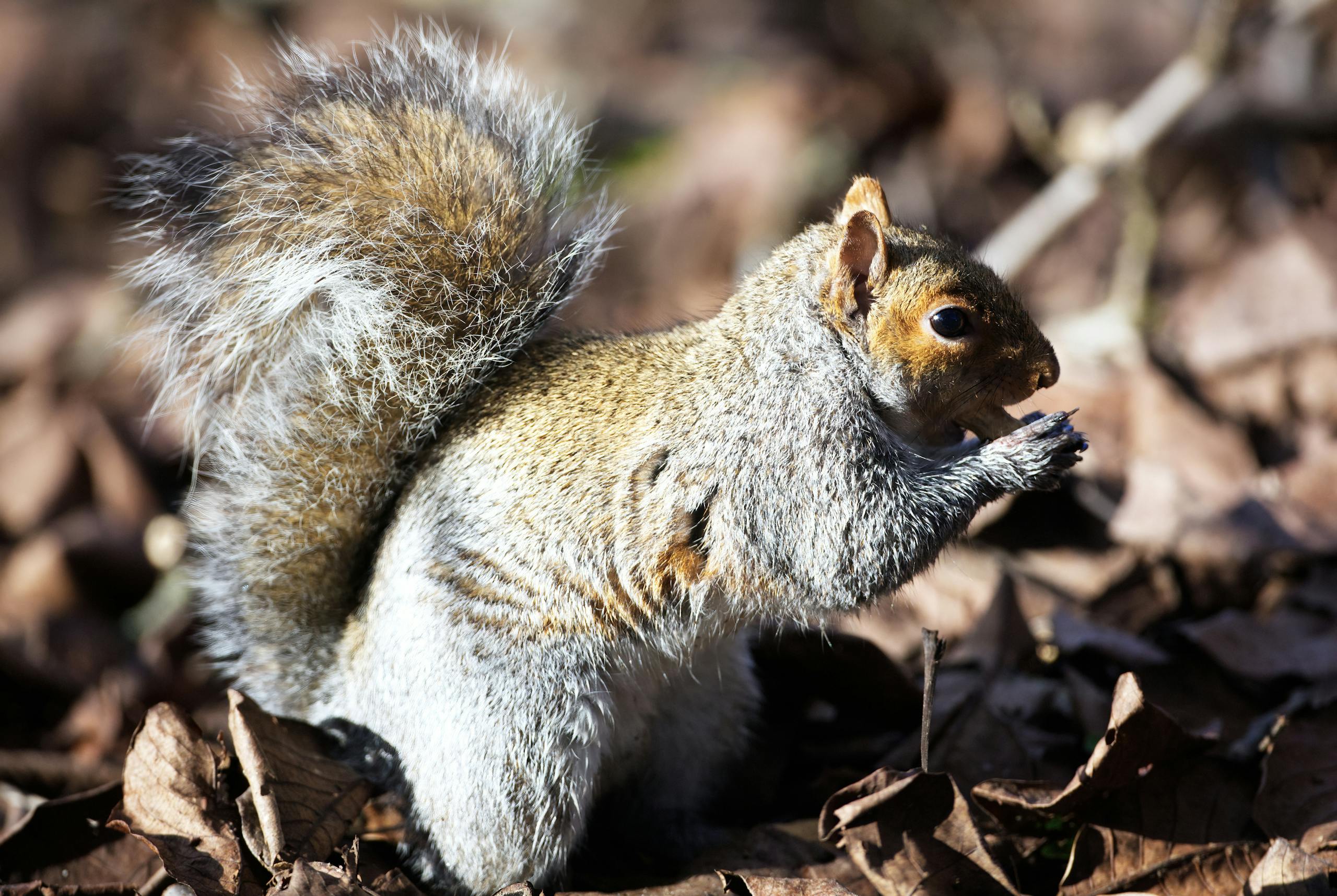
After eliminating the current squirrel problem, continue monitoring your property for any signs of new activity. Check burrow entrances regularly, and keep your property free of food sources and shelter.
Maintain Your Fencing
Ensure that your fencing remains intact and secure. Regularly check for any weak spots, holes, or gaps that could allow squirrels to slip through.
Use Repellents Continuously
Keep using natural repellents around your garden and property to maintain a barrier that keeps squirrels away. Reapply repellents after heavy rain or watering to ensure they remain effective.
Create an Unattractive Environment
Keep your lawn mowed and avoid excessive brush or weeds where squirrels might find shelter. Consider using gravel or rocks in your landscaping, as these materials are less hospitable to burrowing.


