

Emergencies happen when you least expect them, whether it’s an injury, a medical condition, or a natural disaster. In these high-stress situations, your ability to remain calm and act quickly can make a significant difference in the outcome.
While some of us may hope never to face a medical emergency, the reality is that being prepared with lifesaving first aid skills can mean the difference between life and death. Understanding how to respond to a variety of common emergencies can save lives and prevent further harm. Below, we cover critical first-aid techniques that every person should know.
CPR

Cardiopulmonary resuscitation (CPR) is one of the most critical first aid skills to learn. In the event of a cardiac arrest, every second counts, and knowing how to perform CPR can save a life. CPR involves chest compressions to help circulate blood and oxygen throughout the body when the heart stops beating. For adults, the American Heart Association recommends 30 chest compressions followed by 2 rescue breaths.
If you’re uncomfortable giving breaths, hands-only CPR (chest compressions only) is highly effective. It’s crucial to call 911 immediately and, if available, use an Automated External Defibrillator (AED) to restart the heart. Taking a certified CPR class is the best way to ensure you’re prepared in case of an emergency.
Treating Burns
Burns are among the most common injuries, ranging from mild sunburn to severe thermal burns. The treatment of a burn depends on its severity. For minor burns, run cool water over the area for at least 10 minutes to reduce pain and prevent the burn from worsening.
Once the area is cooled, apply aloe vera or a burn ointment to soothe the skin, and cover it with sterile gauze. For more severe burns, where the skin is charred or appears white, cover the area with a clean cloth or bandage and seek emergency help immediately. Never immerse severe burns in water, as this can lead to shock.
Basic First Aid Concepts

First aid is rooted in three core principles: preserve life, prevent further injury, and promote recovery. Whether you’re treating a burn, managing a heart attack, or providing care to someone choking, these principles are your guide. Preserving life is the top priority, so it’s essential to assess the situation, check for danger, and call emergency services if needed.
Preventing further injury involves stabilizing the person while waiting for professionals to arrive, and promoting recovery can include providing comfort, hydration, and basic treatments to ease symptoms. Being prepared to follow these steps can help you navigate any emergency with confidence.
First Aid Kit Essentials
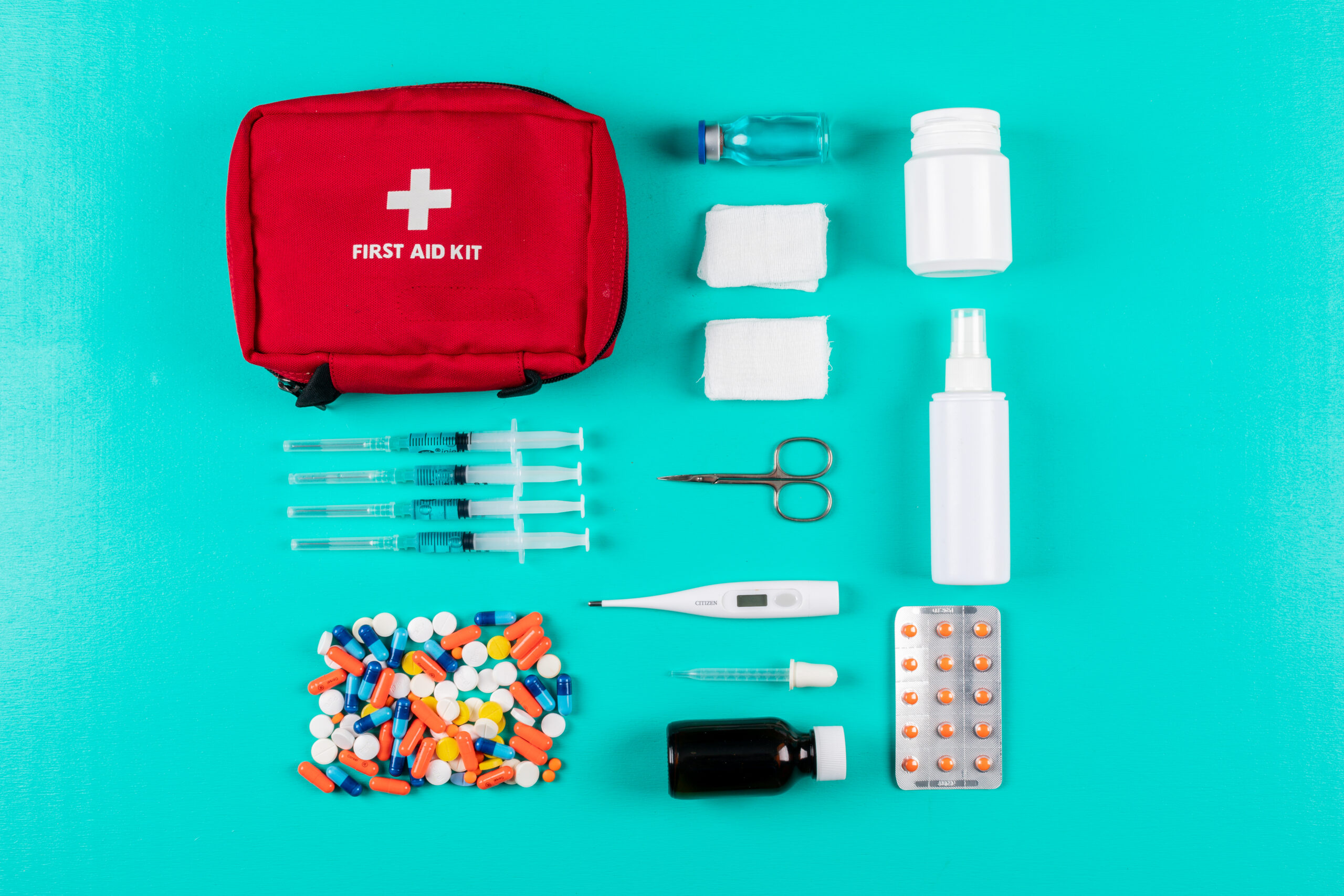
Having a well-stocked first-aid kit is one of the best ways to prepare for emergencies. Your first aid kit should include bandages, antiseptic wipes, sterile gauze, medical tape, scissors, tweezers, and a thermometer. For specific injuries, include burn ointment, eye wash, and a cold compress.
Also consider adding pain-relief medication, an instant cold pack, and gloves for personal protection. It’s important to regularly check your kit to ensure it’s fully stocked and that all items are within their expiration dates. Keep the kit in an easily accessible location at home, in your car, and at work.
Recognizing and Responding to a Stroke
A stroke occurs when blood flow to the brain is interrupted, either by a blocked artery or a burst blood vessel. Recognizing the signs of a stroke early can help minimize brain damage and improve outcomes. The National Stroke Association recommends using the FAST method to assess a person:
- Face: Is the face drooping on one side?
- Arm: Is one arm weaker than the other when asked to raise both arms?
- Speech: Is the person slurring their speech or unable to speak clearly?
- Time: If any of these signs are present, call 911 immediately. Do not give the person any food, drink, or medication, and seek medical attention right away. Early intervention can reduce the severity of a stroke and improve recovery chances.
Choking

Choking occurs when an object blocks the airway, preventing air from entering the lungs. In such cases, it’s essential to act quickly. The Heimlich maneuver is a proven method for dislodging objects from the throat. To perform it on an adult, stand behind the person, place your arms around their waist, and make a fist just above their navel. Grasp the fist with your other hand and give quick, forceful upward thrusts.
Continue the thrusts until the object is expelled. If the person is a child or pregnant, specific techniques must be used to prevent injury. For infants, back blows and chest thrusts are preferred over the Heimlich maneuver. Always ensure you’re following the correct procedure to avoid further harm.
Water Safety
Drowning is a silent emergency that can happen in the blink of an eye, often in shallow water. Water safety involves being vigilant, particularly when swimming or boating. Always supervise children around water, even if they know how to swim, and ensure that they wear proper flotation devices. If someone is drowning, immediately begin CPR with rescue breaths and chest compressions.
For a drowning victim, some experts recommend five initial rescue breaths before starting chest compressions. If you are on a boat, avoid storms or rough waters, and ensure that everyone is wearing a life jacket. When someone regains consciousness, keep them warm and continue monitoring their breathing until help arrives.
Dealing with Seizures
Seizures can be frightening, but it’s important to remain calm and focus on keeping the person safe. The first step is to guide the person away from dangerous objects or areas that could cause injury. Never try to restrain the person or put anything in their mouth.
Most seizures last only a few minutes, but if the seizure continues for more than five minutes or if another seizure begins immediately after, call 911. After the seizure ends, place the person on their side to help with breathing and prevent choking. Allow them to rest and recover in a safe position until they regain full consciousness.
Handling Bleeding

When a person is bleeding heavily, controlling the bleeding quickly is crucial. The first step is to apply direct pressure to the wound with a clean cloth, gauze, or bandage. Elevate the affected area if possible to reduce blood flow to the injury. If the bandage becomes soaked, don’t remove it, place a new one over the top and continue applying pressure.
For severe bleeding, a tourniquet may be necessary if bleeding doesn’t stop after prolonged pressure. A tourniquet should be applied above the wound (not on a joint) and tightened enough to stop the bleeding, but not so tight that it causes additional harm. Always seek medical help as soon as possible.
Conclusion
First aid is an essential skill that can save lives in emergencies, from burns and cuts to heart attacks and strokes. Understanding how to act quickly and efficiently can make all the difference when someone needs help.
Be prepared by taking first-aid classes, stocking your first-aid kits with essential supplies, and familiarizing yourself with lifesaving techniques. Your knowledge and readiness to respond to a crisis will help protect you and others, ensuring you’re always prepared to handle whatever comes your way.
Read the original article in Crafting Your Homes


