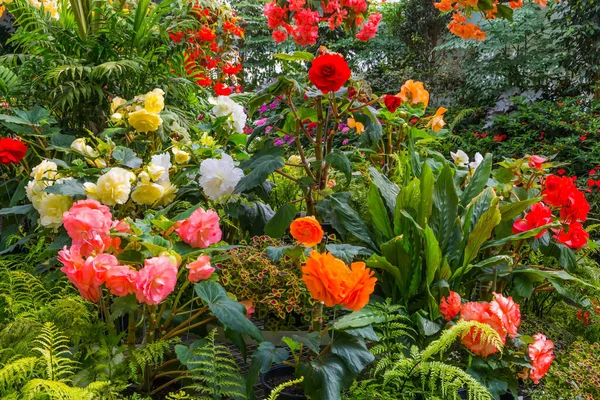
The 2026 garden color of the year, “faded petal,” promises to bring subtle elegance and sophistication to garden landscapes.
This soft pink shade, reminiscent of ballet slippers or blush tones, is not only visually pleasing but embodies themes of romance, nostalgia, and understated luxury.
In this article, we explore six exceptional plants that feature faded petal hues, allowing you to incorporate this delicate color into your garden effortlessly.
Why “Faded Petal” is the Ideal Color for Your Garden
The 2026 garden color of the year, faded petal, speaks to a growing desire for authenticity and refined simplicity.
Unlike the boldness of Barbie Pink or the youthful energy of Millennial Pink, faded petal exudes a calming, timeless charm that appeals to those who appreciate quiet luxury and vintage aesthetics.
This color evokes feelings of nostalgia, drawing inspiration from natural, weathered objects and faded fabrics.
As we continue to embrace Kusumi colors, which have gained popularity in Asia, faded petal’s delicate appeal aligns with current global design trends.
Whether you’re looking for a romantic touch or a serene ambiance in your garden, this soft pink shade offers the perfect balance, blending seamlessly with earthy tones and lush greenery.
The Top 6 Faded Petal Plants to Add to Your Garden
Whether you’re designing a romantic garden or simply want to add a hint of softness to your space, these six plants in faded petal shades are perfect choices.
Hellebore (Helleborus spp.)

Hellebores, known for their elegance, bloom in winter and early spring, offering stunning faded pink varieties like ‘Merlin’ or ‘Flower Girl.’ These plants bring delicate beauty to your garden, blooming when most others have faded, making them ideal for adding early-season color.
Best For:
- Cottage, woodland, or winter gardens.
- Growing beneath trees with high shade and well-draining soil.
Hardiness Zone: 5-8
Height: 12-15 inches
Care Tips:
Hellebores thrive in partial to full shade and prefer organic fertilizer. Be cautious, as they are toxic if consumed.
Pink Hydrangea (Hydrangea arborescens ‘American Lace’)
Pink hydrangeas like the ‘American Lace’ variety offer large, showy flowers that create a timeless, graceful look.
Their sturdy stems prevent the blooms from flopping, making them an excellent choice for garden beds and landscapes.
Best For:
- Growing under windows, along fences, or in groups for a lush look.
- Attracting pollinators, particularly bees.
Hardiness Zone: 3-8
Height: 4-5 feet
Sun Exposure: Full sun to partial shade
Care Tips:
Hydrangeas prefer slightly acidic, well-draining soil and regular watering. These plants thrive with moderate care and reward you with long-lasting blooms.
Hollyhock (Alcea rosea)
Hollyhocks add drama and height to any garden with their towering stems and bell-shaped flowers. Their pale pink varieties, such as ‘Double Salmon’ or ‘Majorette Double Champagne,’ embody the gentle nature of faded petal, offering whimsy and elegance in equal measure.
Best For:
- Cottage gardens or adding height in cut gardens.
- Attracting butterflies and pollinators.
Hardiness Zone: 3-9
Height: 3-8 feet
Sun Exposure: Full sun to partial shade
Care Tips:
Hollyhocks prefer well-drained soil and thrive in cooler climates. These hardy plants require minimal maintenance but benefit from regular deadheading to extend the bloom season.
Sugar Tip Rose of Sharon (Hibiscus syriacus ‘America Irene Scott’ Sugar Tip)

The Sugar Tip Rose of Sharon offers a tropical flair with its soft pink, double blooms, perfect for adding a touch of elegance to your garden. This shrub is heat and drought-tolerant, making it ideal for areas with hot summers.
Best For:
- Native gardens or flowering privacy hedges.
- Attracting hummingbirds and butterflies.
Hardiness Zone: 5-9
Height: 6-10 feet
Sun Exposure: Full sun to partial shade
Care Tips:
This plant enjoys well-draining soil and blooms profusely in summer. It’s ideal for warm climates and doesn’t require frequent watering once established.
Angelique Tulip (Tulipa ‘Angelique’)
The Angelique tulip stands out with its peony-shaped, pale pink double blooms that last for a long time, making it perfect for spring gardens. These tulips bring a romantic flair and vibrant color to any flower bed.
Best For:
- Garden beds, containers, and landscaping borders.
- Creating dramatic spring displays.
Hardiness Zone: 3-8
Height: 12-18 inches
Sun Exposure: Full sun
Care Tips:
Plant in groups for the best visual impact. Tulips thrive in fertile, well-draining soil and prefer cool winters and warm, dry summers. They are toxic to pets, so keep them out of reach of curious animals.
Ivory Blush Rose (Rosa Hybrid ‘Meimeigea’)

The Ivory Blush Rose features beautiful, creamy pink blooms and is perfect for low-maintenance garden designs. This ground-cover rose is heat and disease-resistant, making it a tough yet attractive option for adding a delicate blush hue to your landscape.
Best For:
- Borders, low hedges, or mass plantings.
- Adding a soft touch to garden edges or containers.
Hardiness Zone: 4-11
Height: 3 feet
Sun Exposure: Full sun
Care Tips:
Ivory Blush Roses thrive in full sun and well-drained soil. They’re known for their durability and require minimal upkeep, making them a reliable choice for any garden.
How to Pair Faded Petal with Other Garden Elements
Incorporating faded petal into your garden design doesn’t just involve adding pink flowers. To create a cohesive look, pair these plants with earthy tones, lush greenery, and vintage-inspired textures.
Weathered wood, terracotta pots, and antique garden furniture all complement the romantic appeal of faded petal hues.
Additionally, consider incorporating other soft, muted colors like ivory, soft lavender, or pale yellow to create a harmonious garden palette. These colors will enhance the soft pink tones of your faded petal flowers and bring out their full beauty.
Conclusion
Faded petal, the 2026 garden color of the year, offers a refined and romantic tone that can easily transform any garden.
Whether you’re drawn to the nostalgic appeal of pink hydrangeas, the whimsical elegance of hollyhocks, or the timeless beauty of hellebores, there are plenty of plants in faded petal shades to elevate your outdoor space.
By thoughtfully incorporating these plants into your garden, you can create a serene, sophisticated environment that embodies the essence of faded petal’s delicate beauty.