

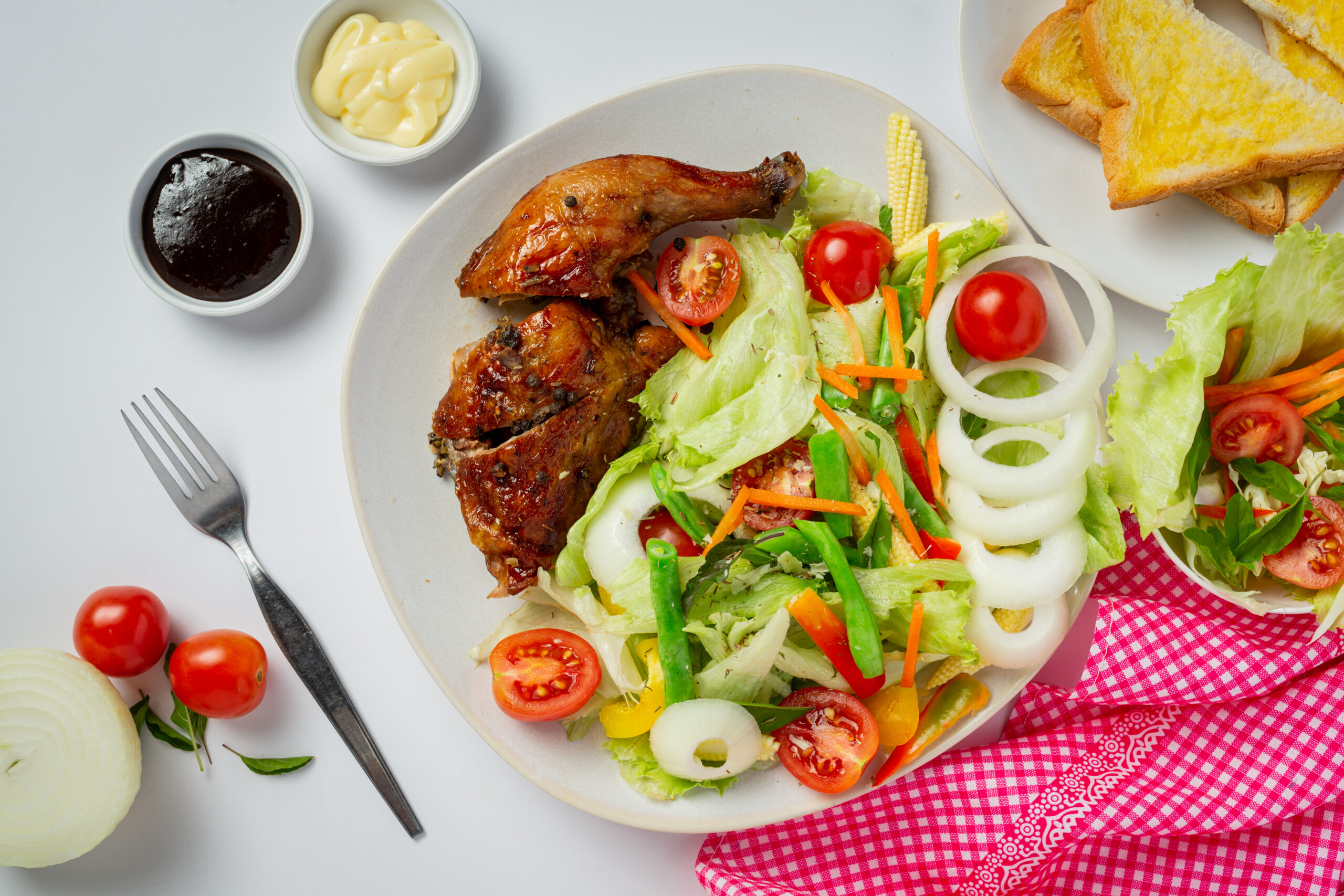
Salads are often seen as the go-to healthy meal option. Packed with vegetables, greens, and protein, they are meant to provide the nutrients your body needs while keeping calories low. But what if we told you that many of the popular salad toppings and dressings you love are actually sabotaging your health goals? Despite the fresh produce, many common salad ingredients are loaded with unnecessary sugars, unhealthy fats, and hidden calories. It’s time to rethink your salad choices and opt for healthier alternatives.
In this article, we uncover 9 common salad ingredients that you should avoid, along with healthy swaps that will help you build the perfect nutritious salad. Let’s dive into these surprising offenders and discover how simple adjustments can make your salad a true powerhouse of health.
Creamy Dressings

Ranch, Caesar, and blue cheese dressings are beloved for their rich, creamy texture and flavor. However, these dressings are packed with unhealthy fats, excess calories, and sometimes even added sugars. While they might make your salad taste better, they significantly increase its calorie count without offering much nutritional value. The high-fat content in these dressings can contribute to heart disease and weight gain when consumed in excess.
To keep your salad light and nutritious, opt for a vinaigrette made with olive oil, lemon juice, or balsamic vinegar. If you’re craving something creamy, blend some avocado into your dressing or mix Greek yogurt with a little lemon juice for a healthier alternative. These swaps still give you that creamy texture without all the harmful fats.
Dried Fruit
Dried fruits like raisins, cranberries, and apricots are often seen as a healthy addition to salads, but they are surprisingly high in sugar and calories. The drying process concentrates the sugar content, making them much sweeter (and more caloric) than their fresh counterparts. Dried fruits are also often coated with added sugars or preservatives, which further detracts from their nutritional value.
Instead of dried fruits, opt for fresh fruits such as berries, apples, or citrus. These fresh alternatives offer natural sweetness and are rich in fiber, antioxidants, and vitamins. They will add a refreshing burst of flavor to your salad without the added sugar and calories.
Deep Fried Crunchy Bits
Those crispy tortilla strips, wonton chips, and fried noodles might seem like the perfect topping to add texture to your salad, but they come at a cost. These deep-fried crunchies are loaded with unhealthy fats, calories, and sodium, making them an unnecessary addition to an otherwise healthy meal. While they add crunch, they provide very little nutrition, and the fried oils used in these toppings can raise your cholesterol levels.
Instead of deep-fried crunchies, try incorporating baked chips or nuts. For a lower-calorie, high-fiber alternative, add raw veggies like celery, carrots, or jicama. These not only add crunch but also pack vitamins and minerals that benefit your overall health.
Bacon

Bacon is a popular salad topping, but it comes with serious health concerns. It is high in saturated fats, sodium, and nitrates, which have been linked to an increased risk of heart disease, high blood pressure, and even cancer. While bacon can add flavor and a savory crunch to your salad, it’s far from a healthy choice.
For a healthier alternative, opt for grilled chicken, turkey, or plant-based protein like tofu or tempeh. These lean proteins offer a savory flavor without the harmful saturated fats, making your salad both tasty and nutritious.
Fried Chicken
While fried chicken may seem like a great addition to a hearty salad, it’s loaded with unhealthy fats, refined carbohydrates, and calories. The breading and deep-frying processes significantly increase calorie intake, making it a poor choice for those looking to maintain a healthy diet. Plus, fried chicken doesn’t provide much in terms of nutritional value and can leave you feeling sluggish after a meal.
Opt for grilled or baked chicken instead. Grilled chicken provides lean protein without the excess fat and calories, helping you stay satisfied while keeping your salad light and healthy. You can also add other lean proteins, such as shrimp or salmon, for added nutrients and flavor.
Pasta

Pasta is often added to salads for extra bulk, but it’s a refined carbohydrate that can quickly turn your healthy salad into a high-calorie, carb-heavy meal. White pasta, in particular, lacks fiber and essential nutrients, can cause blood sugar spikes, and can contribute to weight gain when consumed in large quantities.
Instead of traditional pasta, try whole-grain pasta or alternatives like quinoa, farro, or even zucchini noodles. These options are rich in fiber, protein, and essential nutrients, making them a much healthier addition to your salad while keeping it filling and satisfying.
Croutons
Croutons are often added to salads for texture, but they are usually made from white bread, which is low in fiber and nutrients. Most store-bought croutons are also high in sodium and unhealthy fats, especially when they are fried. Not only do they provide empty calories, but they can also increase your blood sugar levels, making them an unhealthy addition to your salad.
If you enjoy the crunch of croutons, try making your own with whole-grain bread. Simply toast whole-grain slices with olive oil and your favorite herbs for a nutritious alternative. You can also add seeds or nuts for a satisfying crunch, rich in healthy fats and protein.
Fat-Free Dressing
Fat-free dressings may seem like a healthier option, but they often come with a hidden downside, added sugar and artificial ingredients. In many fat-free dressings, fat is replaced with sugar, preservatives, and other artificial additives to improve flavor and texture. These added sugars can spike your blood sugar levels and contribute to weight gain, making fat-free dressings just as unhealthy as full-fat options.
Instead of using fat-free dressings, opt for homemade vinaigrettes made with healthy fats such as olive or avocado oil. These provide flavor and nutrients without the added sugars and artificial ingredients found in store-bought versions. You can even add herbs or mustard for extra flavor without added sugar.
Candied Nuts

Nuts are generally a healthy addition to salads, providing healthy fats, protein, and fiber. However, candied nuts are a different story. Many salad mixes include nuts coated in sugar, syrup, or butter, making them a sugary, calorie-dense topping that can undermine the health benefits of your salad.
For a healthier alternative, choose raw, unsalted nuts like almonds, walnuts, or pecans. These provide all the health benefits of nuts without the added sugars and unhealthy fats. You can also try adding seeds like chia, flax, or sunflower seeds for an extra boost of nutrients and crunch.
Conclusion
A salad can be a powerhouse of nutrition, but the toppings you choose can either enhance or undermine its health benefits. By avoiding these common salad mistakes and swapping them for healthier alternatives, you can create a salad that’s not only delicious but also nourishing.
Keep your salad fresh, nutrient-dense, and free of hidden sugars, fats, and calories by choosing whole foods and natural ingredients. With a little creativity, you can enjoy a salad that’s both satisfying and good for your body.
Read the original article in Crafting Your Home


