Dating today can feel like navigating a labyrinth designed for frustration, exhaustion, and disappointment. If you’re struggling to make sense of the modern dating scene, you’re far from alone. With endless swiping, ghosting, and emotionally drained conversations, it’s no wonder many people feel dissatisfied with their romantic lives.
So, why does the modern dating world seem rigged against us? Let’s break it down.
The Rising Cost of Living Makes Marriage Less Accessible
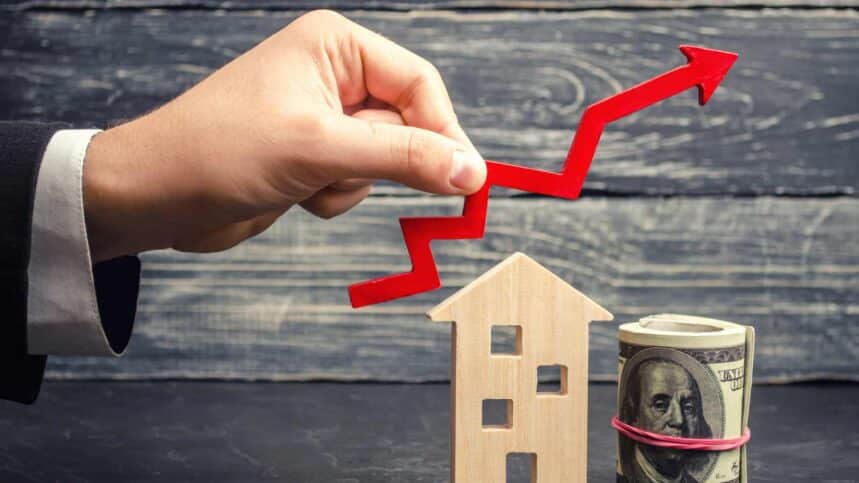
In recent years, the U.S. has seen a rise in housing prices, making it increasingly difficult for many young people to afford the basics, like renting or buying a home.
Data compiled from the Federal Reserve Bank of St. Louis, home prices have been growing faster than wages since 2013. The median age for first marriage has risen to 30 for men and 28 for women, correlating directly with the rising cost of living.
Without financial stability, many young adults are delaying marriage and family formation, leading to more temporary and unstable relationships.
The Rise of Emotional Burnout in Modern Dating
A survey by Forbes Health in 2024 revealed that 78% of dating app users felt emotionally exhausted or burned out by their online dating experiences. The constant back-and-forth, the ambiguity, and the lack of clear intentions create emotional fatigue that makes people increasingly reluctant to engage in dating altogether.
It’s not a lack of desire, but rather an emotional overload that leaves people feeling burned out by the process.
Ghosting Has Replaced Rejection, Leaving Emotional Scars

In the pre-app days, rejection came in the form of awkward but clear conversations. Now, the default mode of rejection is simply silence. Ghosting, once thought of as a rare occurrence, has become a normalized behavior in the online dating world.
This lack of closure can be far more emotionally damaging than traditional rejection because people are left to wonder what went wrong. With no clear explanation, individuals are left to internalize these experiences, often believing there’s something wrong with them.
Therapists and Divorce Lawyers See the Same Relationship Failures
Couples therapists and family law attorneys have noticed that most relationship failures stem from similar patterns: emotional disconnection, uncertainty about life goals, and an inability to navigate conflict. Modern dating, especially with the pressure of instant gratification from apps, creates relationships with short lifespans that don’t allow time for growth or repair.
As noted by experts like Esther Perel, people are increasingly expecting one partner to fulfill needs once spread across an entire community, making relationships fragile and prone to failure.
Highly Educated People Are Exiting the Dating Scene Early

For many highly educated individuals, the path to a committed relationship seems to be clearer, which is why most people with graduate degrees are partnered by their early 30s. This trend leaves a dating pool full of individuals experiencing economic or social precarity.
As a result, the dating market is increasingly skewed, with more people facing instability, leading to frustration for those left behind. The absence of stable participants creates a false narrative that dating as a whole is broken.
The “Sexual Marketplace” Went National, While Commitment Remains Local
Before dating apps, the selection of potential partners was constrained by geography , work, neighborhood, or social circles. With the advent of apps like Tinder, which set its default search radius to 100 miles, the “sexual marketplace” was expanded, allowing people to meet others far beyond their local communities. Yet, the issue arises when these long-distance connections fail to materialize into real-life relationships.
Attraction scales much faster than our ability to close the geographical gap, creating frustration and long-distance ambiguity that no one signed up for.
Key Takeaways
- Dating apps are designed for engagement, not relationship-building.
- Financial instability, especially related to housing, delays commitment.
- The expansion of online dating has created long-distance relationships with no feasible solution.
- The collapse of dating norms has left individuals feeling anxious and uncertain.
- Highly educated people are exiting the dating scene earlier, distorting perceptions.
- Ghosting has replaced traditional rejection, leading to emotional damage.
- Therapists and divorce lawyers notice the same recurring patterns of relationship failure.
- Men and women face different material risks, which complicates relationship dynamics.
- Dating advice has shifted to influencer content, making it less reliable.
- Emotional burnout is a widespread issue, leaving many hesitant to engage in dating.