

Rain gardens are an innovative solution for managing stormwater runoff while also enhancing your yard’s beauty. By planting species suited for wet conditions, you can reduce water runoff and erosion while promoting biodiversity.
Here are 10 must-have rain garden plants that thrive in waterlogged conditions and make a positive impact on the environment.
Blue Flag Iris (Iris versicolor)
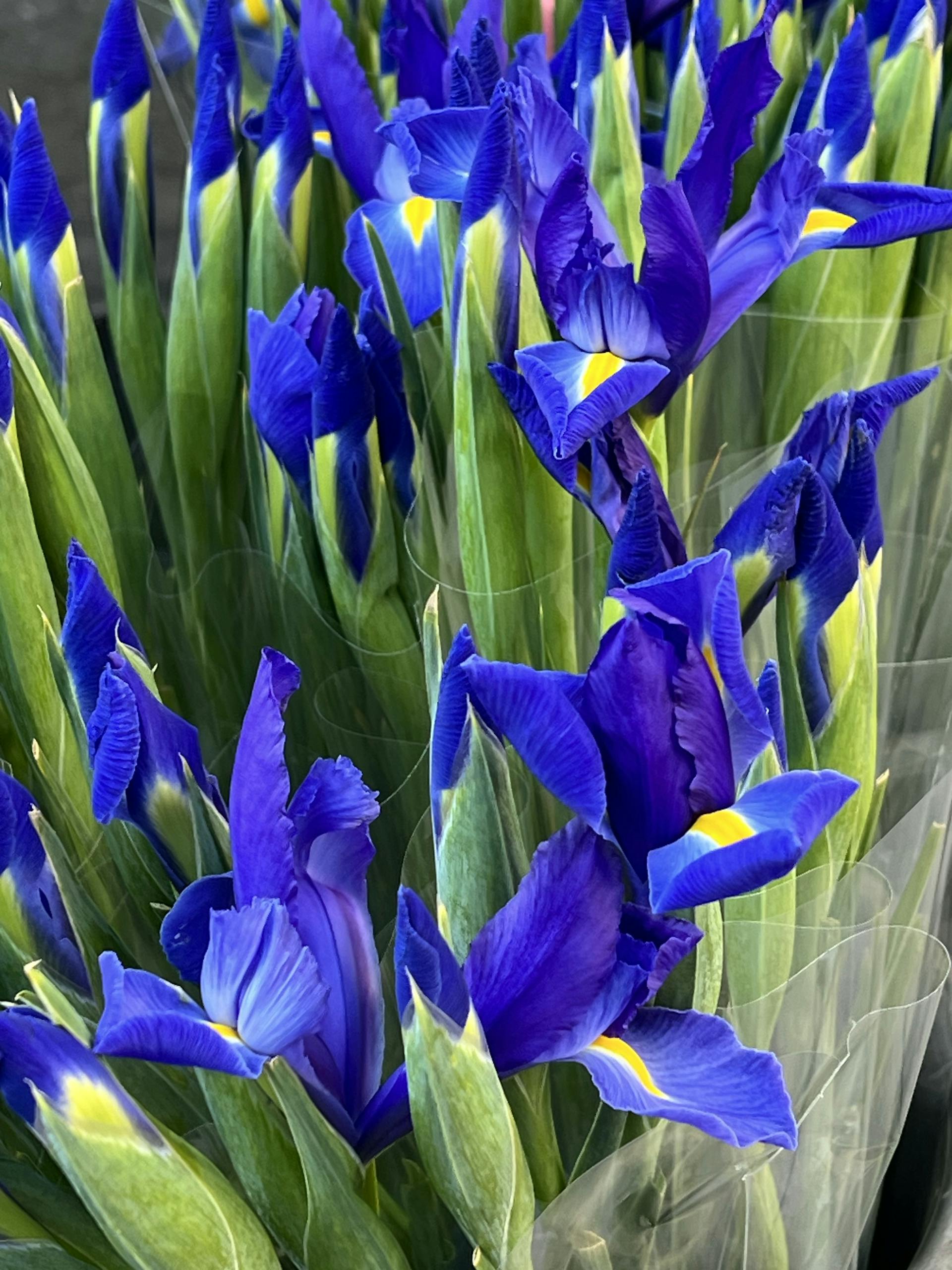
The Blue Flag Iris, with its striking blue-purple blooms, is a standout in any rain garden. This perennial thrives in wet, poorly drained soils, making it an ideal choice for areas with standing water. Requiring little maintenance once established, the Blue Flag Iris adds visual interest with its tall, sword-like foliage and vibrant flowers that attract pollinators.
- USDA Hardiness Zones: 3–9
- Size: 2–3 feet tall and wide
- Care Tips: Cut back foliage in late fall after frosts to maintain plant health.
Cardinal Flower (Lobelia cardinalis)
Known for its deep red blooms, the Cardinal Flower adds a pop of color to your rain garden. Its vibrant flowers are an essential food source for hummingbirds, making it a perfect choice if you’re looking to support local pollinator populations. This perennial grows well in moist conditions and is a fantastic companion plant for native species.
- USDA Hardiness Zones: 3–9
- Size: 2–5 feet tall; 1–2 feet wide
- Care Tips: Prefers full sun to partial shade. Deadhead spent blooms to promote further flowering.
Ditch Lily (Hemerocallis fulva)
Ditch Lily, a popular choice for low-lying areas, is a versatile plant that thrives in moist conditions. Known for its vibrant orange flowers, it adds a bold statement to any rain garden. While it’s quite tolerant of wet soils, it may become invasive in some areas, so it’s essential to monitor its growth.
- USDA Hardiness Zones: 3–8
- Size: 2–4 feet tall and wide
- Care Tips: Best suited for areas with consistent moisture but well-drained soil. Prune back after flowering.
