

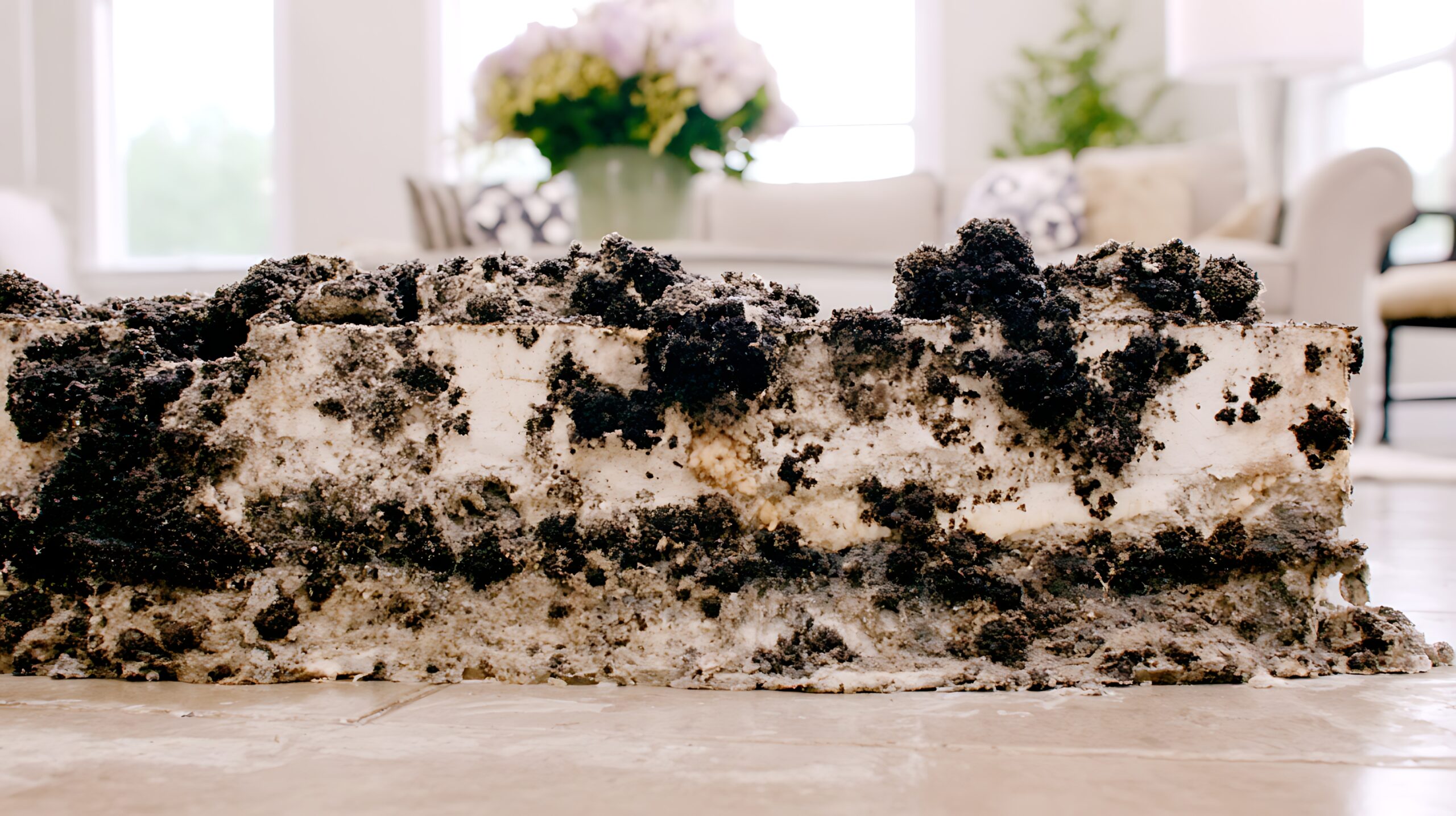
Mold growth on carpet can cause significant health and property damage if not addressed quickly. Whether due to a plumbing leak, flooding, or high humidity, mold thrives in damp environments and can spread quickly.
Below is an in-depth guide on how to remove mold from carpet efficiently, prevent further growth, and address the root causes of the problem.
Understanding Mold on Carpet
Mold is a type of fungus that grows in moist environments, often on organic materials like carpet fibers. The primary cause of mold growth on carpets is sustained moisture exposure. Whether from leaks, spills, or high humidity, mold can spread rapidly.
Key Indicators of Mold Presence
- Visible discoloration: Mold can appear as green, black, gray, or white patches.
- Musty odor: A strong, unpleasant smell is a common sign of mold.
- Dampness: A wet or moist carpet is more likely to harbor mold.
- Lifted carpet or water damage: Mold may affect both the carpet and underlying layers.
Addressing mold promptly is crucial to avoid further damage and health issues.
Health Risks Associated with Mold on Carpet
Mold exposure can lead to various health problems, including:
- Respiratory issues: Asthma, wheezing, and coughing can be triggered by mold spores.
- Allergies: Mold can cause sneezing, itching, and eye irritation.
- Infections: People with weakened immune systems are at risk of fungal infections.
Those with mold sensitivity or preexisting respiratory conditions should take extra precautions during mold removal.
Step-by-Step Process for Removing Mold from Carpet
Prepare the Area for Cleaning

Ensure proper ventilation by opening windows and using fans. Wear protective gear including gloves, a long-sleeve shirt, and an N95 respirator mask to prevent mold spores from being inhaled.
Assess the Extent of Mold Growth
Check the carpet and padding beneath it for mold. If the carpet is severely contaminated or mold has spread to the underlayment, it may need professional intervention. For smaller areas, proceed with the following steps.
Scrub Away the Mold
Use a stiff-bristle brush to scrub the affected area. This helps loosen the mold from the carpet fibers. Be sure to clean both the carpet’s front and the underlying surface. Collect the loose mold particles into a dustpan and dispose of them in a sealed trash bag.
Apply an Antifungal Solution
Apply an antifungal spray designed for carpets. Saturate the moldy area and surrounding 6 inches. Leave the solution to sit according to the product’s instructions (typically 1 hour).
Alternatively, a mixture of water and white distilled vinegar can be used as a natural mold treatment, though it’s less effective on porous materials.
Blot and Dry the Carpet

After applying the antifungal treatment, blot the area with a clean rag to remove excess moisture. Let the carpet dry completely for at least 24 hours, using a dehumidifier to accelerate drying. Avoid walking on the carpet or letting pets enter the room until it is dry to prevent spreading spores.
Clean and Sanitize Tools
Clean all tools used during the mold removal process with hot, soapy water. Disinfect the brush and dustpan with an antifungal treatment. Dispose of any contaminated rags or gloves by sealing them in a plastic bag.
Repeat the Process
If necessary, repeat the antifungal treatment after the carpet is completely dry to ensure that all mold is eradicated. Continue using a dehumidifier in the room to keep the area dry and prevent the mold from returning.
When to Consider Replacing Moldy Carpet

In cases where the mold infestation is extensive or deep, cleaning may not be enough. If the carpet’s backing is severely damaged or the mold has spread too far, replacing the carpet may be the most effective solution.
Signs that replacement is necessary:
-
- Visible mold on a large area: If mold has spread beyond a small section, cleaning may not be enough.
- Deeply embedded mold: Mold that has penetrated the carpet backing often requires full carpet replacement.
- Persistent musty odor: If the smell persists despite cleaning, it may be time to replace the carpet.
- Water damage: If the carpet has been wet for more than 48 hours, mold growth may be too extensive to clean.
If replacing the entire carpet is not feasible, a carpet patch may provide a temporary solution, though moldy underlayments must be removed and replaced.
Preventing Mold Growth on Carpet
The best way to deal with mold is to prevent it from forming in the first place. Here are some proactive steps to help keep your carpet safe:
- Promptly address moisture problems: Fix any leaks or water damage immediately to prevent moisture buildup.
- Use a dehumidifier: In areas prone to high humidity, running a dehumidifier can significantly reduce the risk of mold.
- Proper carpet cleaning: Vacuum regularly, and use a carpet cleaner with adequate drying time to prevent moisture retention.
- Avoid direct contact with moisture: Use moisture barriers under plants or firewood placed on carpet, and avoid setting wet items directly on carpet.
Conclusion
Mold on carpet requires swift and thorough action to prevent health risks and further damage. While DIY cleaning can be effective for smaller infestations, larger problems may require professional help. By following the steps outlined in this guide, you can restore your carpet and ensure that mold doesn’t return.


