9 Unique and Strange Japanese Foods You Must Try

Japan is a land rich in culture, vibrant traditions, and culinary innovations that continue to fascinate the world. The island nation is renowned for its diverse and often surprising approach to food. While many are familiar with sushi, ramen, and tempura, there is a whole world of strange and unusual dishes that you might not have heard of.
In this article, we’ll dive into 9 of the most unusual and sometimes bizarre Japanese foods that range from delicacies to bizarre snacks that could challenge your taste buds. If you have an adventurous palate, these dishes should be on your list of must-tries.
Fish Sperm (Shirako)
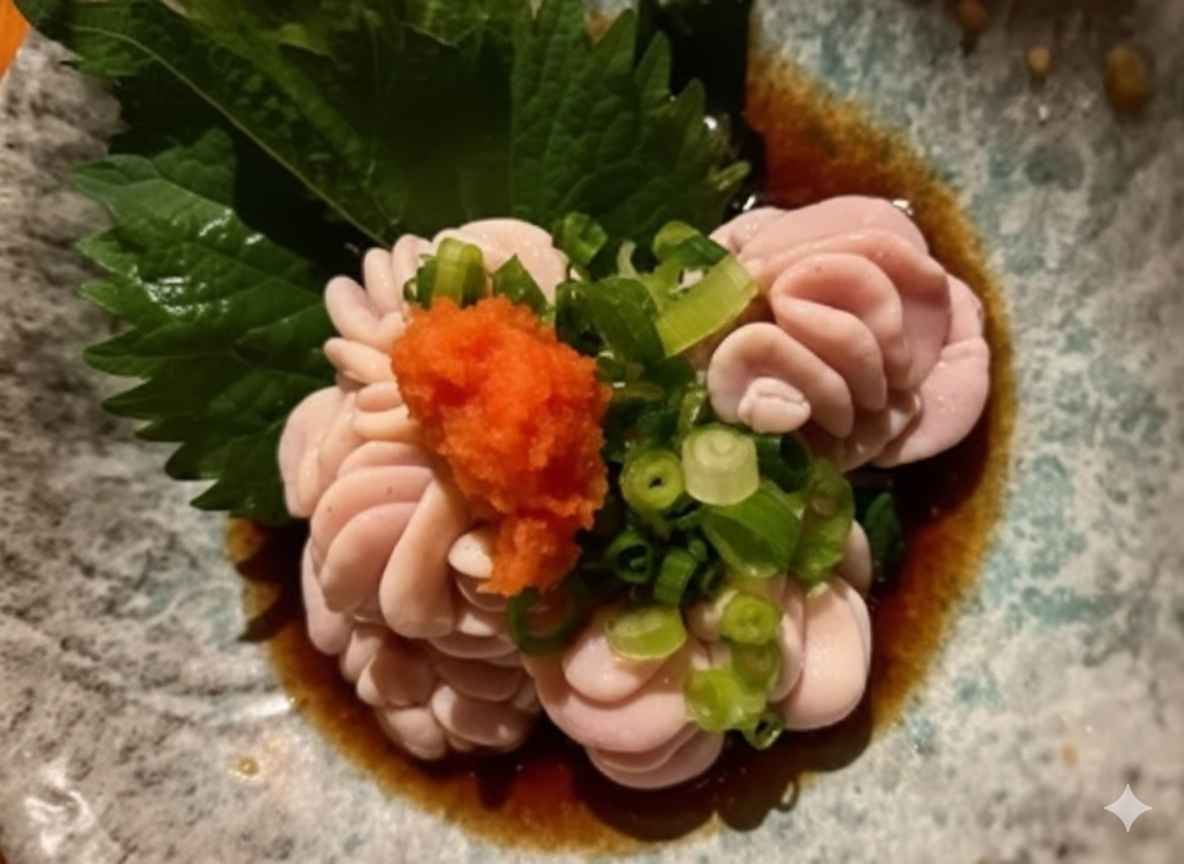
One of the strangest Japanese foods that you’ll come across is shirako, or fish sperm. Often served in upscale restaurants, this dish is made from the sperm sacs of fish such as cod, salmon, or pufferfish. The creamy texture and delicate flavor have made shirako a delicacy in Japan. Though it may seem a bit unusual to some, the texture is often compared to tofu, with a subtle sweetness.
Kare Donatsu
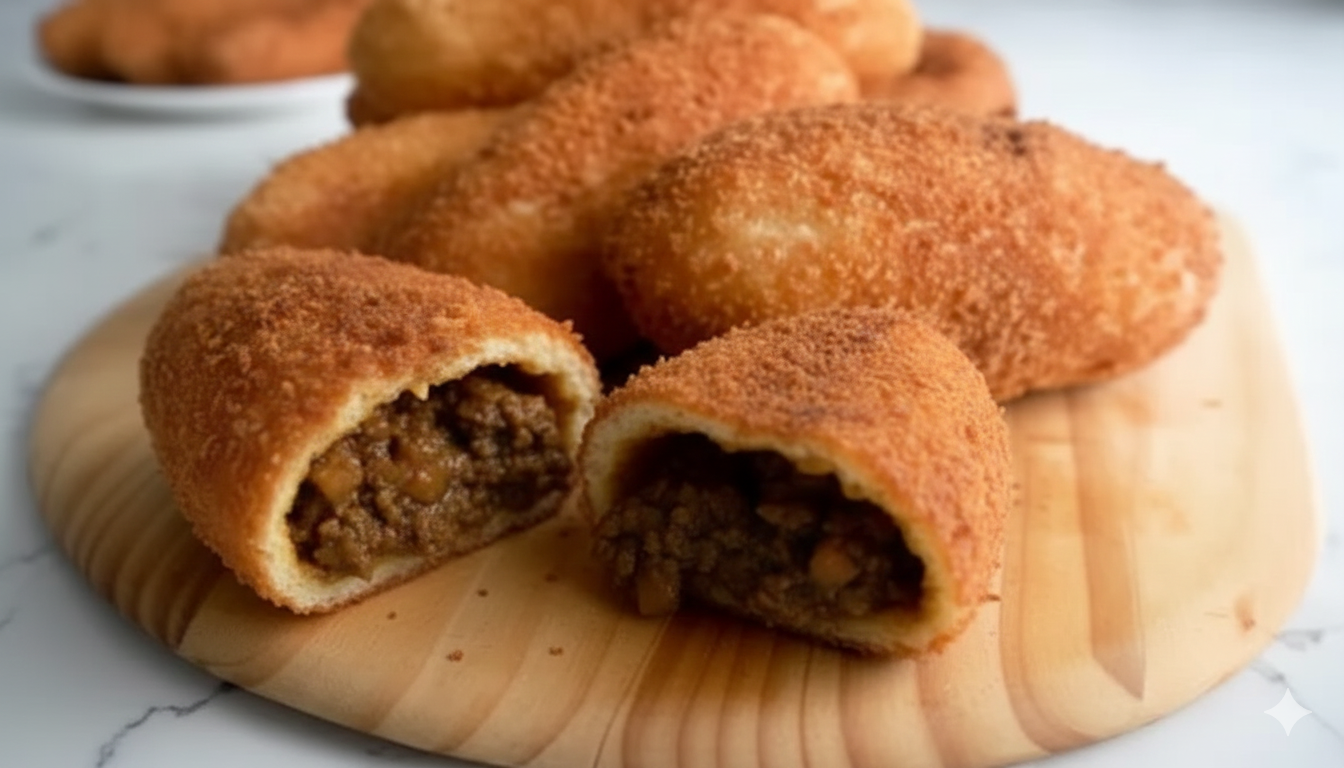
In Japan, a food revolution took place when curry doughnuts, known as kare donatsu, hit the scene. This sweet-and-savory hybrid snack is a doughnut filled with Japanese curry and deep-fried to perfection. The dish combines the rich flavors of Japanese curry with the familiar texture of a doughnut, making it a unique and indulgent treat.
Dancing Squid (Katsu Ika Odori-don)
If you’re looking for a dish that’s truly out of the ordinary, the katsu ika odori-don—also known as dancing squid—is sure to impress. This dish features a freshly killed squid whose tentacles move when doused with soy sauce. The reaction occurs because the salt in the soy sauce triggers electrical impulses in the squid’s muscles, causing them to twitch.
Shiro-uo (Ice Gobies)
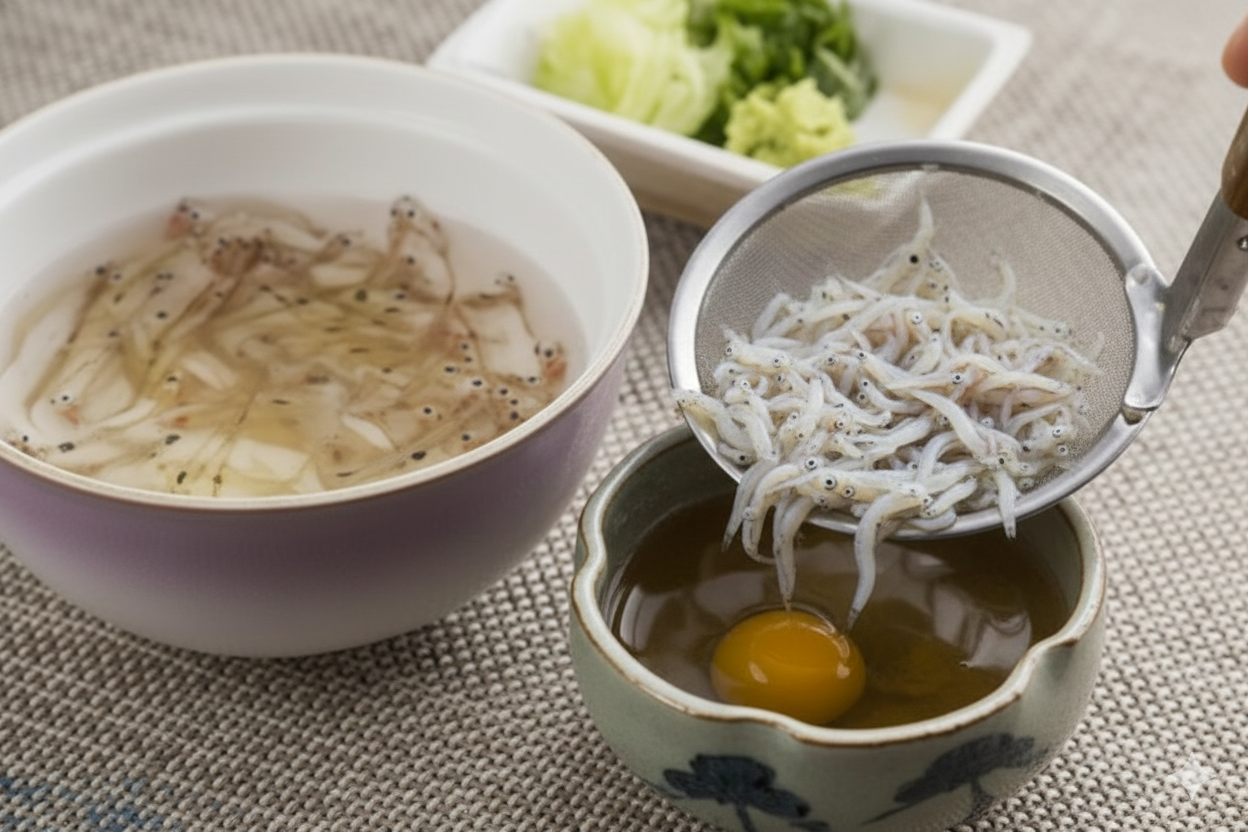
Another unique Japanese dish that plays with the concept of “dancing food” is shiro-uo, or ice gobies. These tiny, translucent fish are often eaten alive, and their bodies continue to move as they are consumed. The fish are sometimes served in their natural state, or they can be mixed with vinegar and eggs before being swallowed whole.
Wasps, Hornets, Bees, and Their Larvae
Insects are often seen as pests in many parts of the world, but in Japan, they are a beloved food source. Wasps, hornets, and bees, along with their larvae, are consumed in various forms, including in broths, as appetizers, or deep-fried as tempura. The practice of eating insects, known as entomophagy, dates back centuries and is still alive today in rural parts of Japan.
Square Watermelons
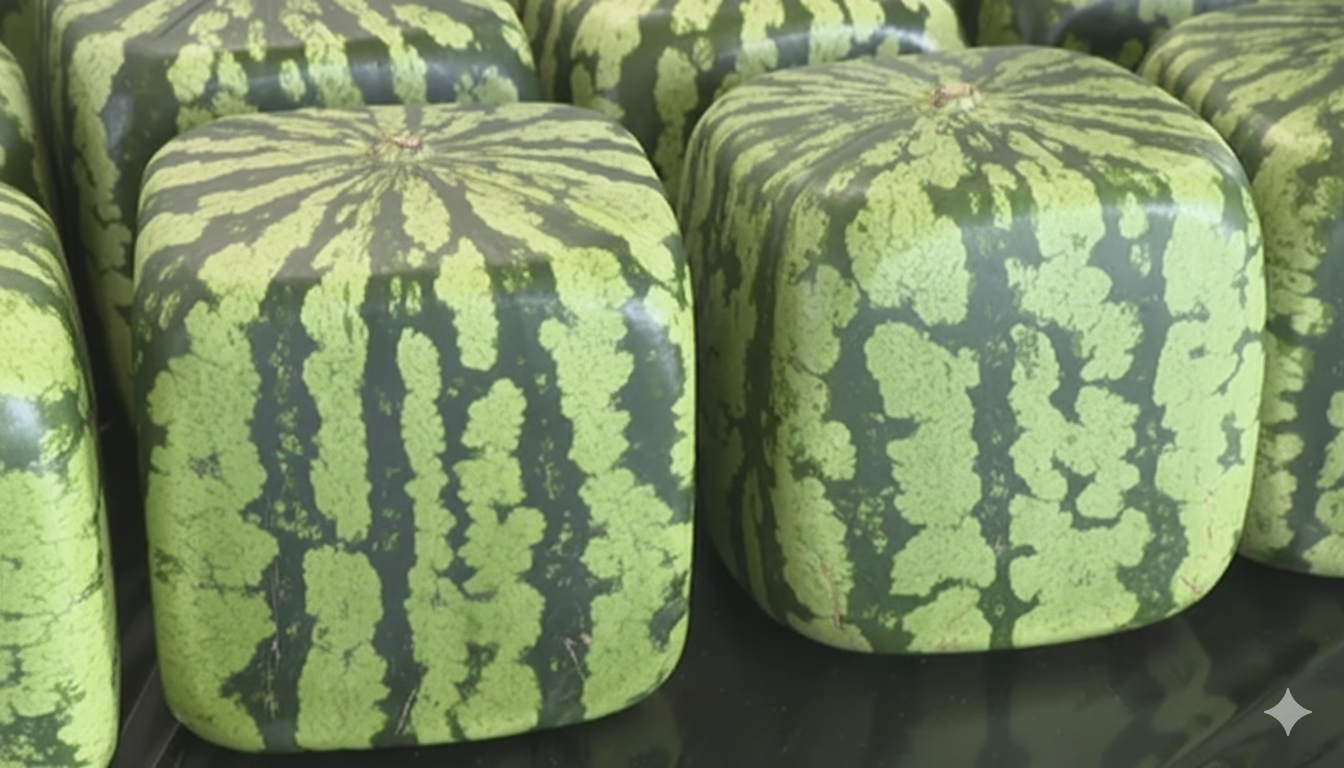
Japan is also famous for its unique approach to fruit, and one of the most bizarre examples of this is the square watermelon. These specially grown watermelons are molded into a square shape using a glass container, making them easier to store and transport. The square watermelon was originally invented in the 1980s by a Japanese farmer, who wanted to solve the problem of fitting round watermelons into refrigerators.
Novelty Ice Cream
When it comes to strange and bizarre foods, Japan’s novelty ice cream options take the cake. From squid ink to wasabi, Japanese ice cream flavors push the boundaries of traditional sweet treats. In Tokyo, the former Ice Cream City at Namco’s Namja Town offered an extensive range of odd flavors, including shark fin, beer, and whiskey. Even more surprising are flavors like raw horse meat and tulips, which are sometimes available in local shops.
Green Caviar (Sea Grapes)
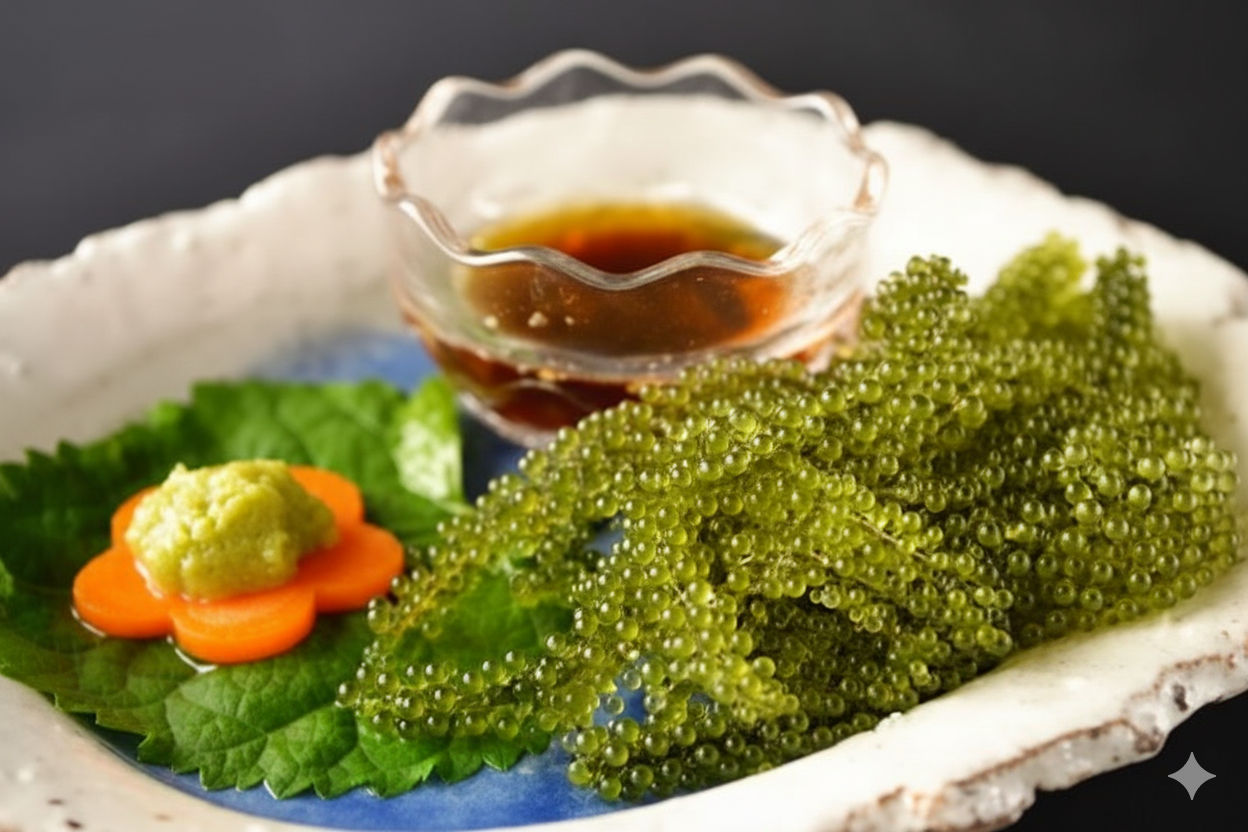
Known as umi budou, green caviar is not actually caviar at all. Instead, it is a type of seaweed that grows in the shallow waters of Okinawa. These little green pearls, also known as sea grapes, have a distinct texture and flavor. When eaten, they burst in your mouth, releasing a salty, slightly tangy flavor.
Horumon
In the Kansai region of Japan, horumon refers to offal, the organs and intestines of animals, which are commonly grilled and enjoyed as a dish. It is a beloved comfort food among locals, often served in izakayas (Japanese pubs) or at street stalls. The name horumon roughly translates to “things to discard,” reflecting the Japanese approach to minimizing waste.
Conclusion
Japan’s culinary world is not just about sushi and ramen. The country’s strange foods reflect its unique approach to dining, where tradition, innovation, and a touch of daring curiosity collide. Whether you’re willing to try fish sperm, venture into the world of insect larvae, or challenge your taste buds with odd ice cream flavors, Japan offers something for every adventurous eater.
For anyone with an adventurous palate, Japan’s strange foods are a fascinating way to explore the island’s diverse and ever-evolving food scene.
Read the original article on crafting your home