


The Knicks finally had the stage New York had been craving for 27 years, and Madison Square Garden should have felt like pure basketball electricity. Instead, Donald Trump’s arrival made Game 3 of the NBA Finals louder, stranger, and more complicated than a championship matchup, turning the night from a basketball celebration into a political distraction.
This was not just another famous face in a luxury suite. Trump became the first sitting U.S. president to attend an NBA Finals game, and that historic moment shifted the night’s emotional weight. The Knicks wanted a homecoming, the fans wanted a release, and the country got another reminder that politics now follows Americans almost everywhere, even into the NBA Finals.
A basketball escape became a political pressure point.

Sports are supposed to offer a few hours of escape, especially during a championship series. Fans enter the arena wanting noise, drama, and a clean scoreboard argument. Trump’s presence changed that mood before tipoff because the night carried a political charge that many fans did not ask for.
That is what made the moment feel bigger than a normal presidential appearance. The game was still Knicks versus Spurs, but the atmosphere also became Trump versus New York, politics versus entertainment, and history versus inconvenience. That tension gave the night its viral power and kept the thesis in focus.
The Knicks’ long-awaited homecoming lost its clean spotlight.
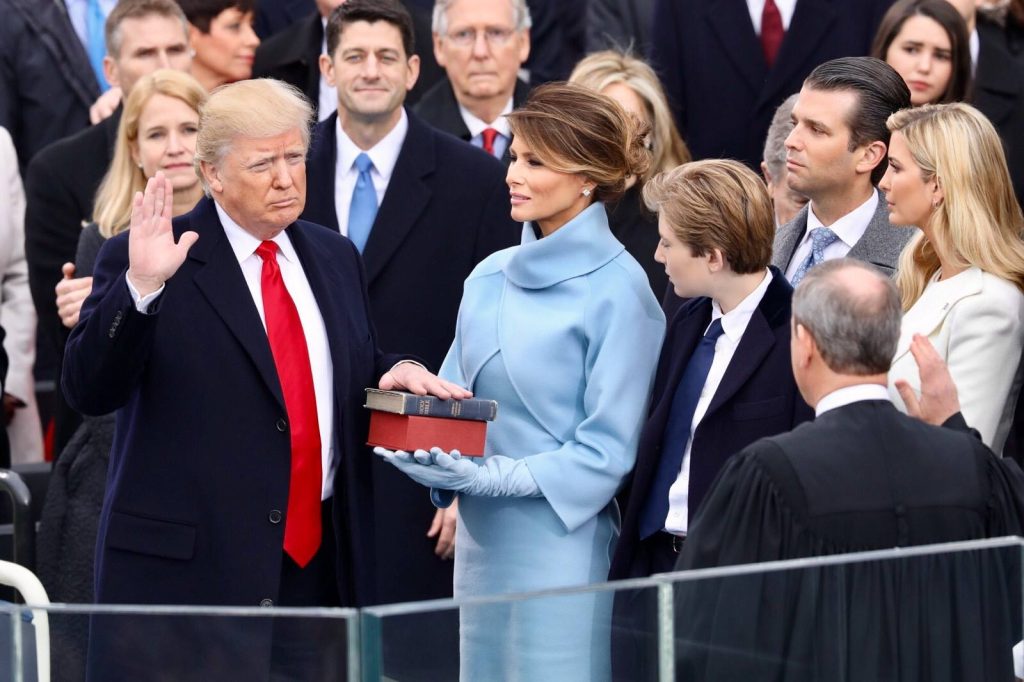
New York had waited since 1999 to host another NBA Finals game, which made Game 3 feel like a citywide emotional event. The Knicks were leading the series 2-0, the Garden was ready to explode, and fans wanted the night to belong to basketball.
Instead, the storyline split before the players could settle into the game. Trump’s arrival became a competing headline, and that changed the way the night was remembered. For Knicks fans, that had to sting because a rare championship moment suddenly had to share attention with national politics.
Security became part of the fan experience.
A sitting president does not enter an arena quietly. Security tightened around Madison Square Garden, pedestrian movement became restricted, and fans faced long lines before getting inside. Bag restrictions and heavy screening made the road to the seats feel like part of the story.
That matters because inconvenience changes emotion. Fans may tolerate traffic, expensive tickets, and crowded trains, but championship nights carry a special kind of expectation. When people arrive in search of joy and encounter barricades, that frustration follows them into the building.
The crowd’s reaction became a snapshot of divided America.
When Trump appeared on the arena screens during the national anthem, the reaction was mixed and loud. Some fans cheered, others booed, and the moment quickly became a national talking point. Madison Square Garden did what it often does best. It made the room’s feelings impossible to ignore.
The reaction was not just about one arena or one game. It captured the larger American divide in a few noisy seconds. Same anthem, same screen, same building, completely different reactions from people standing only feet apart.
Trump did not play, but he changed the room’s temperature.
Trump did not take a shot, miss a defensive assignment, or turn the ball over. Still, his presence changed the emotional weather of the night. That is the power of a political figure whose public appearances rarely stay small.
The best angle here is not that Trump distracted the Knicks. That would be too easy and unfair. The sharper point is that his presence altered the mood around the game, and mood matters in sports because fans, players, media, and officials all feel the pressure of the room.
The NBA gained attention but lost control of the story.
The NBA wants its Finals to feel like a global event, and a sitting president attending certainly adds historical weight. Yet that attention comes with a price. The league’s biggest stage suddenly became less about basketball strategy and more about security, politics, and public reaction.
That is a difficult trade-off for any sports league. Presidential attendance makes the event feel important, but it also pulls the conversation away from the players. On a night meant to showcase elite basketball, the league had to share its spotlight with Washington.
The Spurs stayed calm while New York got swallowed by noise.
San Antonio had the quietest mission in the building. The Spurs did not need to win the news cycle. They only needed to win the game, and they did exactly that with an 115-111 road victory.
That contrast made the result feel even more brutal for New York. The Knicks had the crowd, the history, the lead, and the emotional setup. The Spurs had the steadier finish, and in the NBA Finals, that is the only thing that survives the final buzzer.
Victor Wembanyama became the real problem that New York could not solve.
The loudest storyline was Trump, but the most important basketball problem was Victor Wembanyama. His 32-point performance helped drag San Antonio back into the series and turned Game 3 into a warning for the Knicks.
That is what makes the night so layered. One man changed the atmosphere, but another changed the series. Trump dominated attention, yet Wembanyama delivered the performance that actually reshaped the Finals.
The loss made every distraction feel heavier.
If the Knicks had won, Trump’s visit might have been remembered as an odd but historic side note. Winning has a way of softening inconvenience, shortening complaints, and turning chaos into background color. Losing does the opposite.
Because New York fell 115-111, every disruption felt louder after the final buzzer. The security delays, the boos, the split crowd reaction, and the presidential spectacle all became part of the night’s emotional memory. The Knicks did not just lose Game 3. They lost the chance to make their first home Finals night in nearly three decades feel theirs fully.
The night proved that sports can no longer keep politics outside the door.
That may be the most uncomfortable lesson from the whole event. Americans often treat sports as an escape, but Game 3 showed how thin that escape has become. A basketball arena can still hold a championship game, but it cannot always protect the crowd from the national argument waiting outside.
Trump’s NBA Finals visit will be remembered for being historic, loud, inconvenient, and inseparable from the final score. The Spurs won the game, the Knicks lost momentum, and Madison Square Garden became a mirror for a country that now brings politics into almost every public space. That is the lasting discomfort of the night: even the NBA Finals could not stay untouched.


