


The post 9 Things Wives Over 60 Say Their Husbands Finally Got Right first appeared on Crafting Your Home.
Marriage can look very different after decades together. The early years may be filled with excitement, big dreams, financial pressure, raising children, and learning how to live with another person. Over time, many couples discover that the habits that keep a marriage strong are often much simpler than they once imagined.
For some wives over 60, the most meaningful changes in their husbands are not grand romantic gestures or expensive gifts. They are the everyday things that make a woman feel heard, respected, appreciated, and supported. These lessons do not apply to every couple, but they reflect common themes in long-term relationships: communication, consistency, shared responsibility, and emotional connection.
Here are nine things some wives over 60 say their husbands eventually learned to get right.
They Learned That Listening Is More Important Than Always Having an Answer

gorynvd/123rf
Earlier in marriage, some husbands may approach every problem as something that needs to be fixed immediately. When their wives share a difficult experience, they may offer advice before fully understanding what happened.
Sometimes, a wife wants to explain why her day was exhausting or talk through a disagreement without being told what she should have done differently. She may want her husband to put down his phone, pay attention, and let her finish speaking.
Willingness to listen without interrupting can make a woman feel her thoughts and experiences matter. It also reduces the frustration that develops when one partner repeatedly feels misunderstood.
The lesson is simple: not every conversation requires a solution. Sometimes, being present is enough.
They Stopped Assuming Their Wives Could Read Their Minds
After many years together, couples can become familiar with each other’s habits. However, familiarity doesn’t mean a partner
automatically knows what the other person is thinking or feeling.
Some husbands eventually learn that expecting their wives to guess their needs creates unnecessary tension. The same is true in reverse.
Healthy communication means expressing appreciation, explaining concerns, and asking directly for what is needed rather than relying on hints, silence, or resentment.
A husband who learns to say, “I’m worried about this,” or “I need your help with something,” allows his wife to understand him. Likewise, asking his wife how she feels, instead of assuming he already knows, can keep small misunderstandings from becoming lasting disagreements.
A long marriage does not eliminate the need for communication. In many cases, it makes honest communication even more important.
They Started Taking Household Responsibilities Seriously
In some marriages, household responsibilities were traditionally divided in ways that left one partner carrying most of the daily work. Over time, some husbands recognize that maintaining a home is a shared responsibility, not simply a favor they perform when asked.
Getting this right may mean preparing meals, washing dishes, doing laundry, arranging repairs, or noticing what needs attention without waiting for instructions.
The difference isn’t just about completing a task. It is also about recognizing the mental effort it takes to keep a household running.
When one person must constantly remember appointments, plan meals, organize family events, and monitor household needs, the
burden can become exhausting. A partner who takes initiative helps reduce that pressure.
For many couples, sharing responsibilities later in life can make retirement and everyday living more peaceful. It communicates that both partners deserve rest and consideration.
They Learned to Apologize Without Turning Everything Into an Argument
An apology can be difficult when pride outweighs understanding. Some people respond to criticism by defending themselves, listing their partner’s mistakes, or explaining why the other person should not be upset.
But a sincere apology doesn’t require someone to take all the blame. It requires acknowledging their own part in a situation.
A husband who says, “I understand why that hurt you, and I should have handled it differently,” can help repair a disagreement more
effectively than one who insists on winning the argument.
Some wives eventually value this change because it makes disagreements feel less threatening. They can raise a concern without worrying that every conversation will turn into a competition.
The goal is not to avoid disagreements altogether. The goal is to work through them without humiliating each other or letting resentment grow.
They Became More Comfortable Expressing Affection
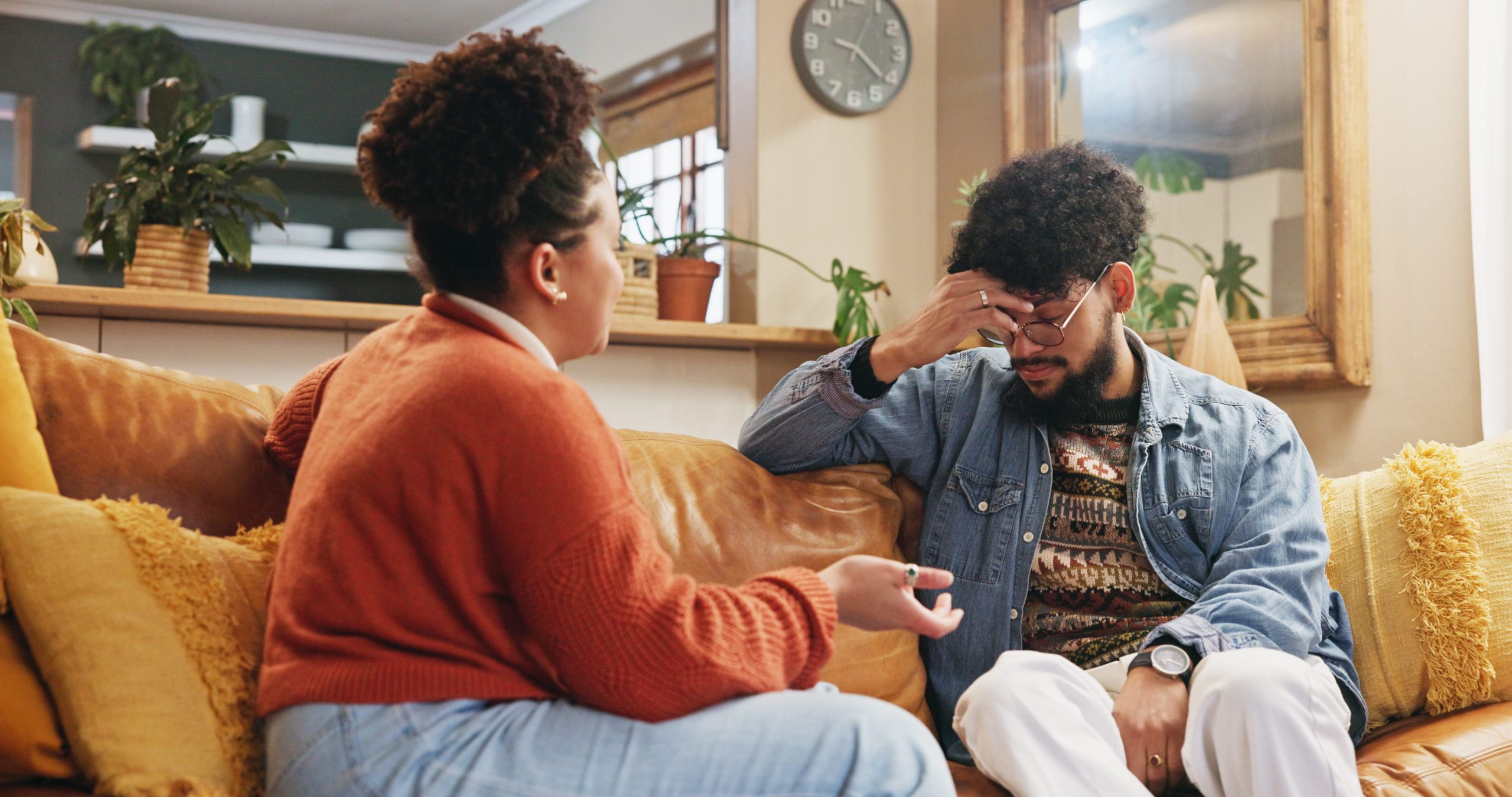
Affection does not always come naturally to everyone. Some people grow up in families where love is rarely expressed verbally, while others believe working hard and providing financially communicates everything their partner needs to know.
Those efforts may matter, but many spouses also appreciate hearing loving words and small signs of affection.
A thoughtful message, a warm embrace, holding hands during a walk, or saying “I appreciate you” can help maintain emotional closeness.
For some husbands, expressing affection becomes easier as they age and worry less about appearing vulnerable. They may begin to understand that telling their wives they love them isn’t unnecessary after decades in the relationship.
Affection does not have to be dramatic. Often, its value comes from being genuine and consistent.
Related : 7 Signs Your Partner Is Using You
They Learned to Appreciate the Work Their Wives Did Over the Years
Raising children, managing a household, supporting a spouse’s career, caring for relatives, and keeping family traditions alive can involve years of largely unseen effort.
Some husbands only fully appreciate the scale of that work when life becomes less hectic. The children may leave home, retirement
may arrive, or the couple may finally have time to reflect on what they have built together.
At that point, gratitude can become more meaningful when it is expressed openly.
Instead of assuming his wife knows he appreciates her, a husband may start acknowledging her sacrifices and her contributions to their family’s life.
Recognition cannot change the past, but it can help a partner feel seen in the present.
A simple expression of gratitude can mean a great deal, particularly when it is specific and sincere.
They Stopped Treating Every Disagreement as a Battle to Win
Couples will not always agree about money, family decisions, social activities, or how to spend their time. Even people married for 40 years can have different opinions.
Some husbands eventually learn that being right is not always as important as protecting the relationship.
This doesn’t mean avoiding difficult conversations or pretending serious problems don’t exist. It means discussing differences without insults, threats, or the assumption that one person must lose for the other to win.
Sometimes, the answer is a compromise. Other times, it means respectfully agreeing to disagree.
A husband who can step back, consider his wife’s perspective, and seek a fair solution helps create a relationship where both partners feel safe expressing themselves.
Peace in marriage does not come from one person always giving in. It comes from two people learning how to disagree without losing respect for each other.
They Made Time for Their Wives Even When Life Got Busy
Work, parenting, financial responsibilities, and extended-family obligations can consume much of a couple’s attention. In the process, spouses may start functioning more like household managers than partners.
Some husbands eventually realize they shouldn’t postpone spending time together until every responsibility is completed.
Quality time does not necessarily require travel or expensive outings. It may involve taking an evening walk, sharing a meal without distractions, watching a favorite p