


This article was originally published on Crafting Your Home. A human contributor also wrote and edited the post.
The post 9 Things That Happen When Grandparents Live Nearby, According to Research first appeared on Crafting Your Home
Grandparents have always been part of family life, but a run of recent studies has started putting numbers on something families suspected all along: that living close to them changes outcomes in measurable ways, for the kids and for the grandparents themselves.
The research spans continents and methods, from Cornell demographers mapping exact mileage between households to Chinese longitudinal health surveys tracking mortality over a decade, and the findings line up more often than not.
None of it is simple cheerleading for proximity. Some of the research complicates the picture as much as it supports it. Here are nine things studies have found happen when grandparents live nearby, including a few that are worth taking with a grain of salt.
What Happens for the Grandparents
They tend to live longer
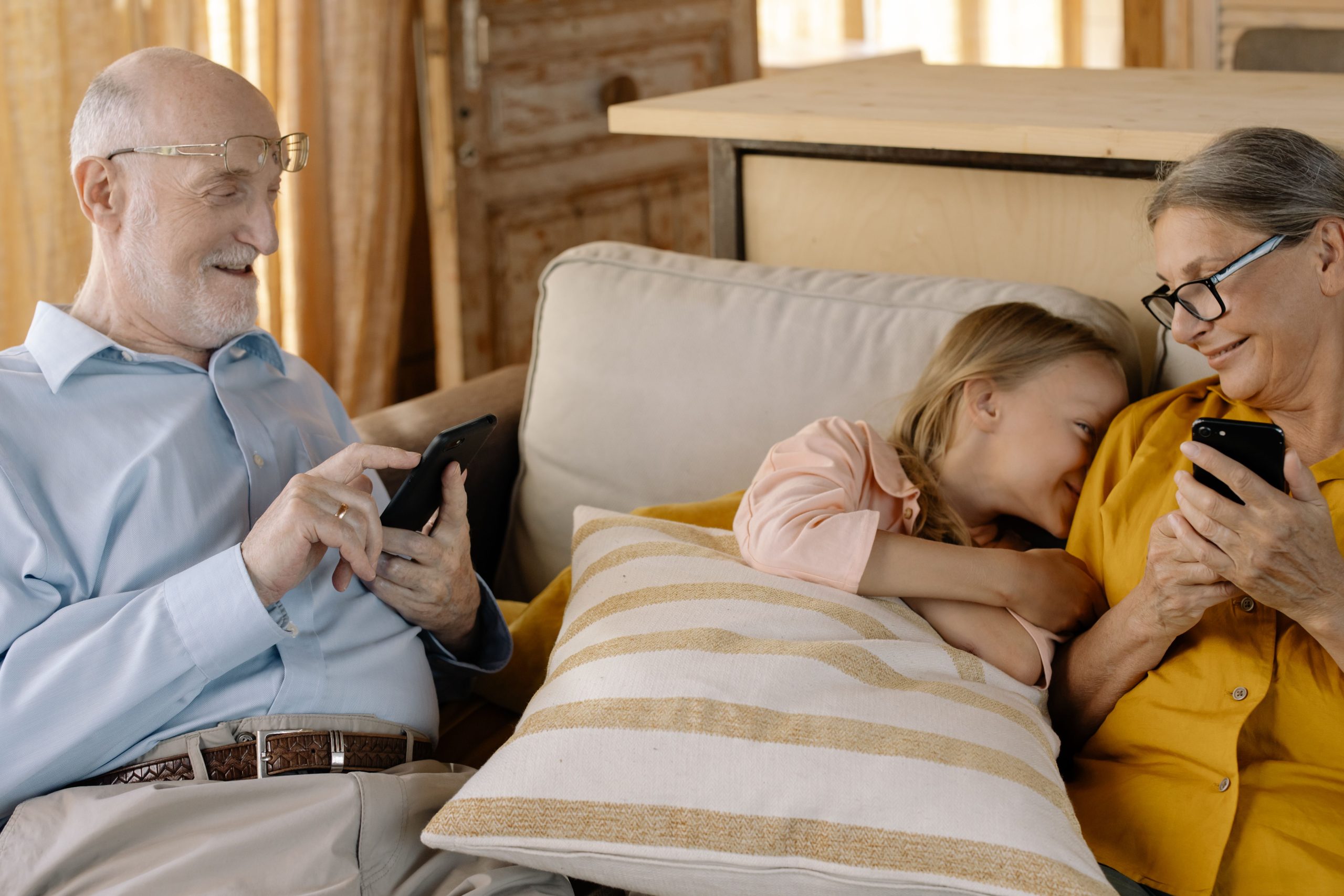
The clearest finding in this entire body of research is also the most striking. Grandparents who babysit grandkids regularly had a 37% lower mortality risk than adults who did not, with researchers suspecting the effect has something to do with staying mentally active and having a purpose.
A separate study of periodic caregivers found something similar. Grandparents who regularly provided periodic care, not primary care, for their grandchildren lived five years longer than grandparents who didn’t provide care.
The dose appears to matter, since the benefit shows up for involved but not all-consuming caregiving, not for raising a grandchild full time.
Related: 9 Lessons From People Who’ve Been Grandparents for 30 Years
Their cognitive health gets a boost
Proximity doesn’t just extend life; it appears to help the brain in the years leading up to it.
A 2021 study published in Psychiatry Investigation found that caring for grandchildren can positively affect older adults’ cognition, and an NIH study found that grandmothers who spent one day a week caring for children had a reduced risk of Alzheimer’s.
That one-day-a-week detail is notable, since it suggests the benefit does not require constant contact, just a regular, meaningful dose of it.
They get a genuine hormonal and emotional lift
Grandparents light up around their grandchildren for a physiological reason, and it shows up on a brain scan. The Cleveland Clinic found that being around grandchildren can increase levels of feel-good hormones such as dopamine and oxytocin.
Researchers have also looked at whose face triggers that response. Researchers at Emory University found that during scans, a grandmother’s brain region associated with emotional empathy lit up when she saw photos of her grandchildren, a reaction that did not happen when she looked at photos of her own adult children.
What Happens for the Grandchildren
They are less likely to struggle with depression as adults
The benefit of proximity runs in both directions across generations, and it shows up decades later.
A 2014 study out of Boston College linked close emotional relationships between grandparents and adult grandchildren to lower rates of depression, for both the elderly and their adult grandkids.
A separate Boston College study reached a similar conclusion from the other direction. A 2013 Boston College study, which looked at relationships between grandparents and their adult grandchildren, found that both experienced psychological benefits.
They grow up less biased against older people
Regular contact with a grandparent appears to reshape how kids see aging itself. In a study of 1,151 Belgian kids aged 7 to 16, researchers found that kids close to their grandparents are less likely to show bias toward older adults.
That makes intuitive sense, since a close relationship with one older adult tends to make the whole category feel less abstract and less easy to stereotype.
Related: 8 Habits Grandkids Picked Up From Their Grandparents and Still Keep as Adults
They gain resilience and a steadier sense of identity
Grandparents often function as a second layer of emotional support, one that matters most when things at home are hardest.
One parenting outlet summarizing the research notes that in a very real way, grandparents can provide a sense of security and support that helps kids through adverse childhood experiences.
A psychologist studying the trend described the mechanism simply: “They bring the history of the family to the children. They have a lot of cohesiveness and can bring a family together.”
The same reporting found that children with close grandparent bonds also develop a greater understanding of who they are and who their parents are.
What Happens to the Family as a Whole
Practical support flows more freely, both ways.
Distance is not just an emotional variable; it is a logistical one, and Cornell researchers measured exactly how much it matters.
Among families living within one mile of a grandparent, 61 percent reported receiving help from grandparents. The support was not one-directional either.
As expected, families living closer together spend more time together, and families within one mile were somewhat more likely to provide financial assistance to grandparents than those living farther away.
Across the full study, grandparents overall gave more time and money to grandchildren’s families than they received back.
It can ease financial and parenting stress enough to strengthen marriages
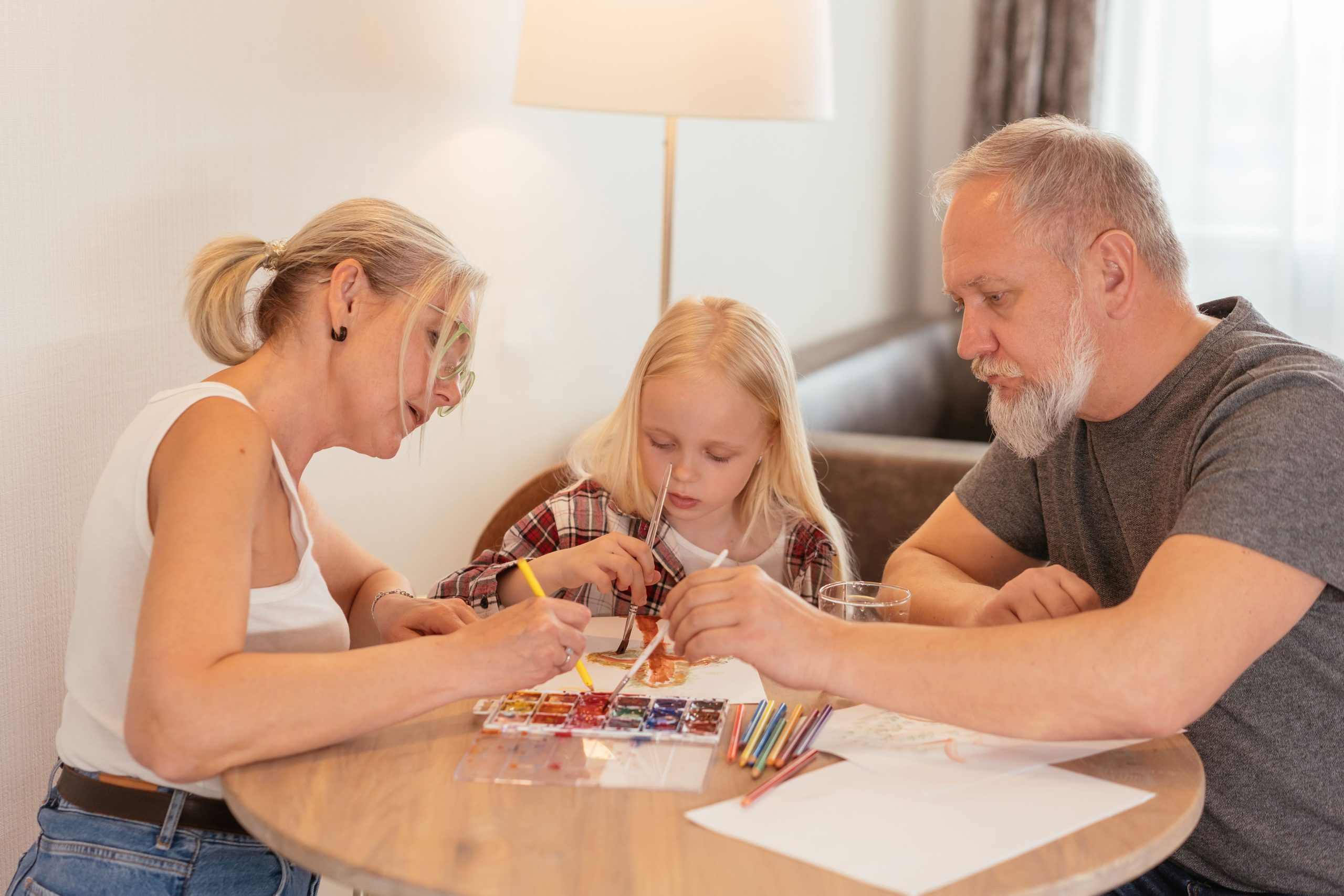
The research here is thinner than the rest, but the pattern researchers describe is consistent with everything above it.
One parenting researcher’s professional read on the evidence, drawing on his own clinical experience alongside the broader research base, suggests that helping overtaxed parents relieve financial and parenting stress can strengthen marriages and benefit kids, and that living near grandparents in particular helps offset the cost of raising children.
Related: Goldie Hawn, Ray Romano and More Stars Share Their Grandparenting Rules
But more contact is not automatically better, and the research is honest about that
This finding keeps the whole picture from turning into a simple pitch to move closer to family. A 2016 study from The Gerontologist showed that living with grandkids was good for mental acuity, but also showed that those who took care of grandkids five or more days a week experienced negative mental health effects.
A separate study of adult grandchildren found the same curve. Grandparents and adult grandchildren who reported greater emotional closeness experienced fewer symptoms of depression, but more frequent contact increased symptoms for both grandparents and adult grandkids.
A 2025 study using sound recordings from grandparents’ daily lives found a similarly mixed emotional reality in the moment-to-moment experience, since grandparents also reported feeling sadder and more worried when with their grandchildren, even as the overall relationship brought more positive emotion than time spent with most other people.
Conclusion
Taken together, the nine findings form a clear picture. Regular, moderate contact with grandchildren appears to be close to a best-case scenario for everyone involved, longer life and sharper cognition for grandparents, lower depression risk and less bias for grandchildren, and real practical relief for the parents caught in the middle.
But the research is equally detailed: more is not always better. Full-time, five-day-a-week caregiving starts working against grandparents’ own well-being, which suggests the real benefit of living nearby isn’t unlimited access, but the option to show up often without having to do it every day.
Other Stories You Might Like
- 8 Traditions Grandparents Say They Wish Families Still Kept on Sundays
- 12 Phrases Every Boomer Dad Said
- 9 Things That Were Always in Grandma’s Purse
If you like what you just read, then subscribe to our newsletter and follow us on social media.


