
9 Things in Your House That Are Quietly Wasting the Most Water
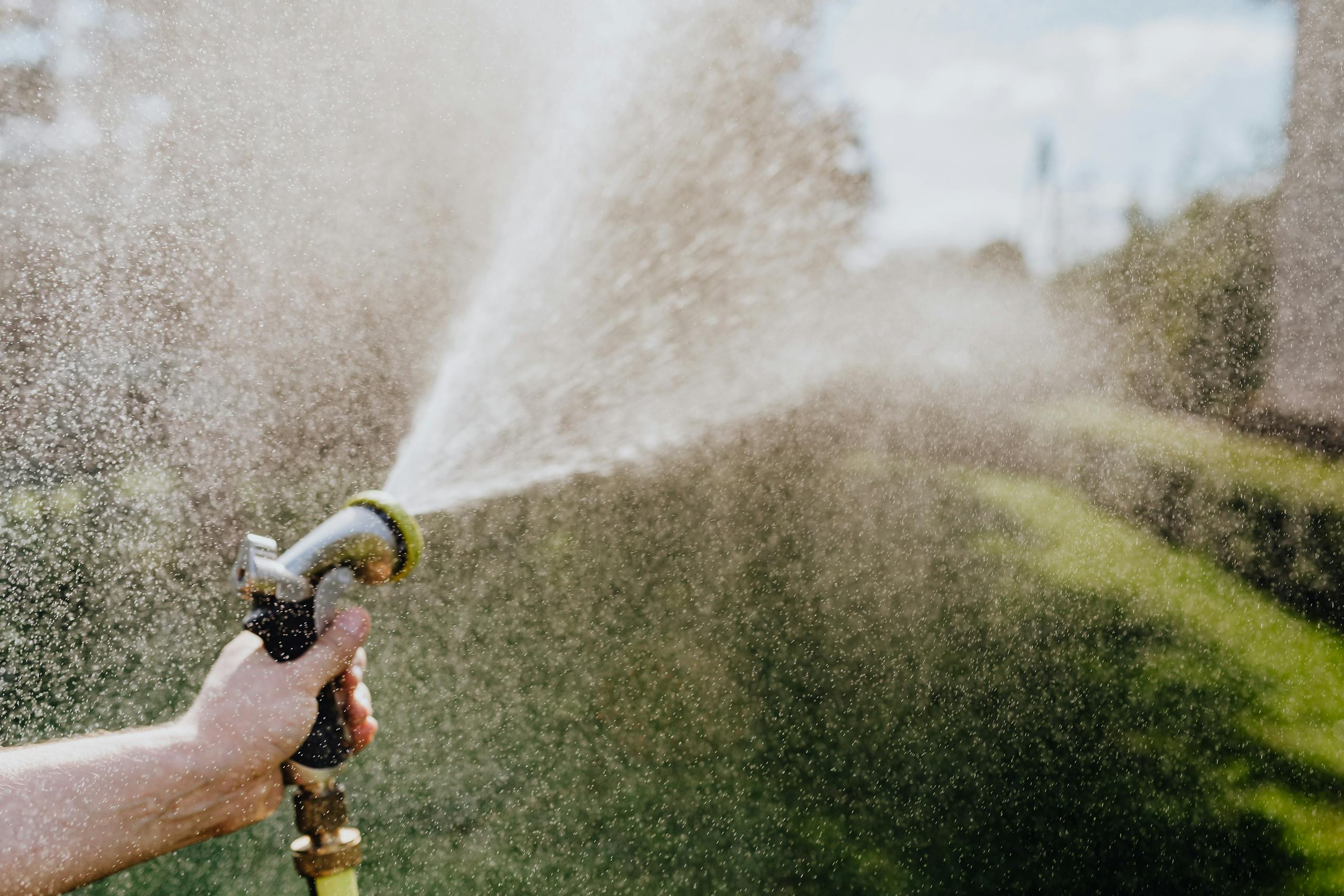
Image credit:www.kaboompics.com
Most homeowners know the electric bill can bite. The air conditioner, fridge, lights, dryer, and heating system usually get blamed first when monthly costs start climbing. Water feels quieter. It disappears down drains, into toilets, through hoses, and behind walls without making much noise at all.
That is why household water waste can feel so sneaky. The biggest offenders are often the most ordinary things in the home. A toilet flush, a long shower, a dripping faucet, or one half-full laundry load can look harmless in the moment. Over time, those habits can quietly turn into wasted gallons and higher bills.
Toilets Are Bigger Water Drains Than People Think
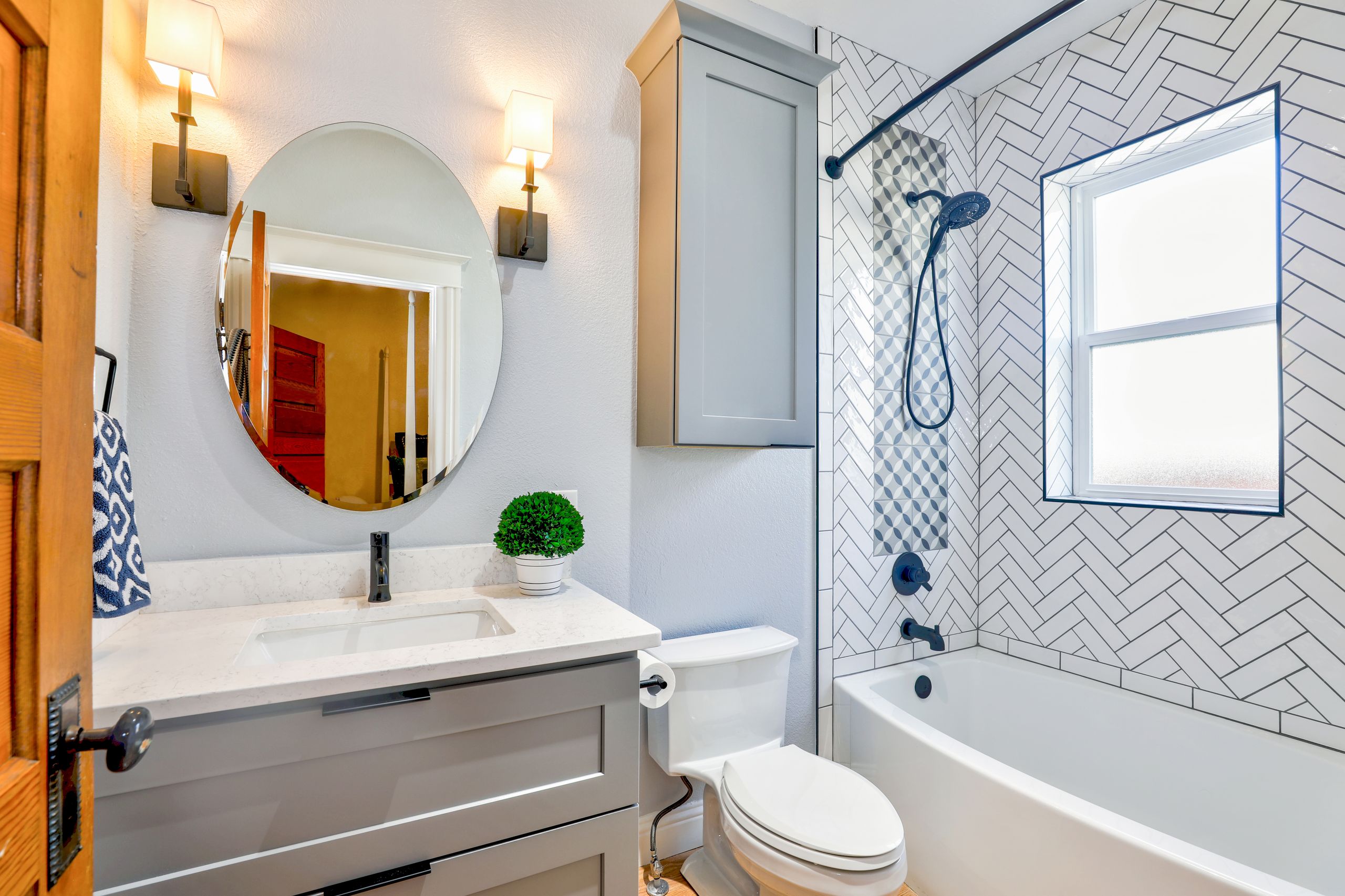
The toilet is one of the most used fixtures in the home, so even small inefficiencies can add up quickly. Older toilets can use more water per flush than newer high-efficiency models, and a weak flapper can let water run long after anyone has left the bathroom. That makes the toilet one of the easiest places for waste to hide because people rarely think about it unless something breaks.
The problem is not just flushing. It is silent running, worn parts, and outdated fixtures that keep using water without getting attention. A toilet that keeps refilling after a flush should never be ignored. Replacing a flapper, checking for leaks, or upgrading to a Water Sense-labeled model can reduce waste without asking anyone in the house to change their entire routine.
Long Showers Turn Comfort Into Cost
A hot shower feels like one of life’s simple rewards, especially after work, exercise, or a stressful day. The trouble starts when five minutes turn into fifteen. Showers can use a surprising amount of water, and waste builds up quickly in homes where several people shower every morning.
This is one of the easiest habits to underestimate because people do not feel the gallons leaving. They feel the steam, the comfort, and the quiet. A low-flow showerhead can help, but behavior matters too. Shorter showers, turning off the water while shaving, and keeping morning routines tighter can save water without making the bathroom feel miserable.
Faucets Waste Water Through Tiny Daily Habits
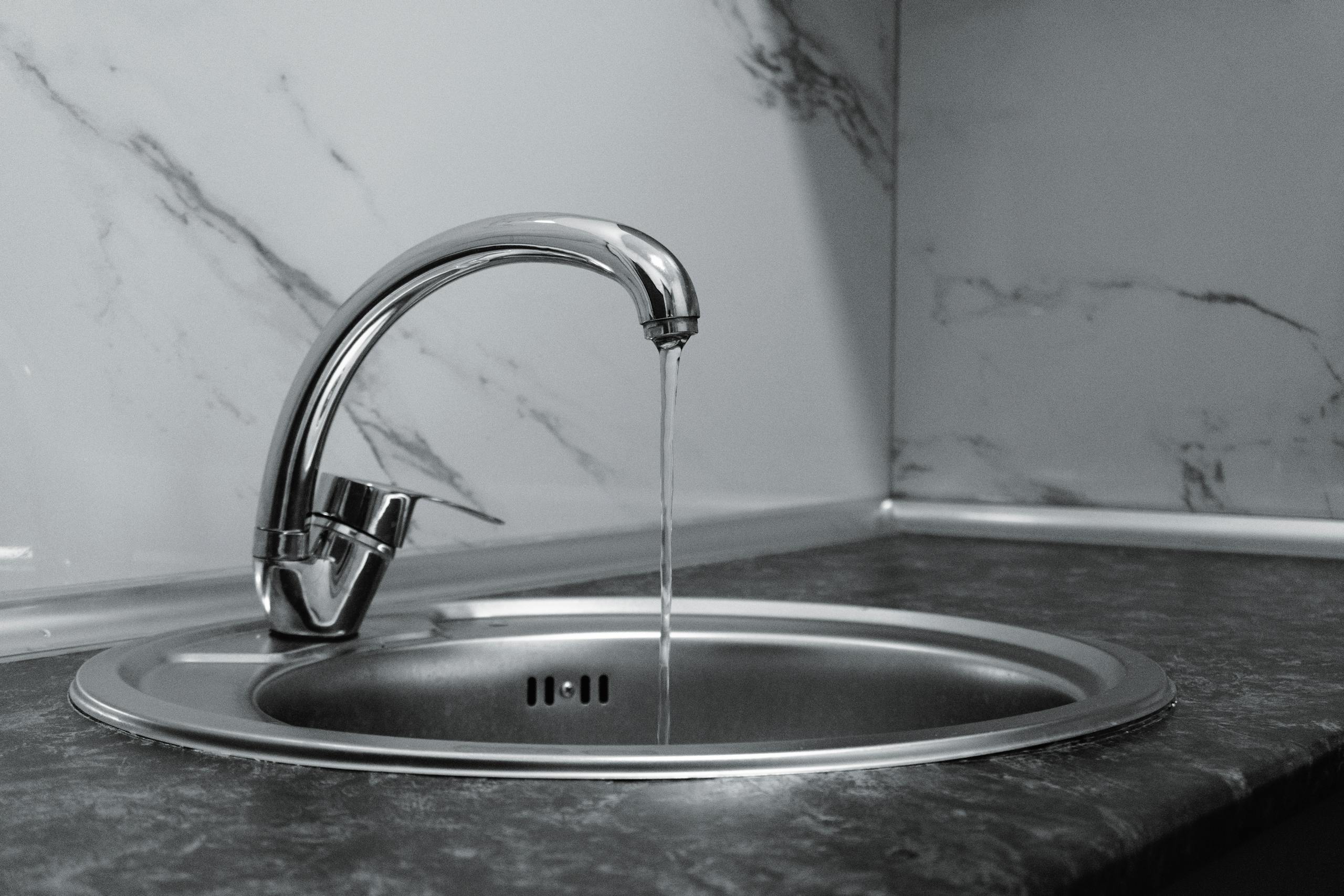
Faucets are small, but they are used constantly. People leave water running Christa Grover while brushing their teeth, rinsing vegetables, washing dishes, shaving, cleaning counters, or waiting for the water to turn cold. None of these moments feels dramatic, which is exactly why they become costly.
A faucet does not need to flood the kitchen to waste water. Even a slow drip can keep working against your bill, day and night. Turning the tap off during routine tasks is one of the simplest fixes in the house. Keeping a pitcher of cold water in the fridge can also stop the habit of running the tap just to get a cold glass.
Washing Machines Punish Half-Empty Loads
Laundry feels productive, so people rarely think of it as wasteful. But washing machines can use a lot of water, especially when they are older or used for small loads too often. A few shirts here, a towel there, and a half-basket of clothes can quietly add up to several unnecessary cycles each week.
The better habit is simple. Wait for a full load when possible, choose the correct load size, and avoid using too much detergent. Extra soap can lead to extra rinsing, which uses more water. Families with kids, uniforms, towels, gym clothes, or workwear can save more by planning laundry days instead of running the machine every time a small pile appears.
Leaks Are the Silent Thieves of the House
Leaks are frustrating because they waste water even when nobody is using anything. A dripping faucet, a running toilet, a loose pipe, a worn washer, or a leaking outdoor spigot can keep draining water hour after hour. Many people only notice the problem when the bill suddenly looks wrong.
The sneakiest leaks are the ones that seem too small to matter. A drip does not feel urgent when it is not flooding the floor. But water waste is patient. It builds quietly. Checking under sinks, listening for running toilets, and watching for damp spots can help catch problems before they turn expensive.
Bathtubs Use Comfort by the Gallon
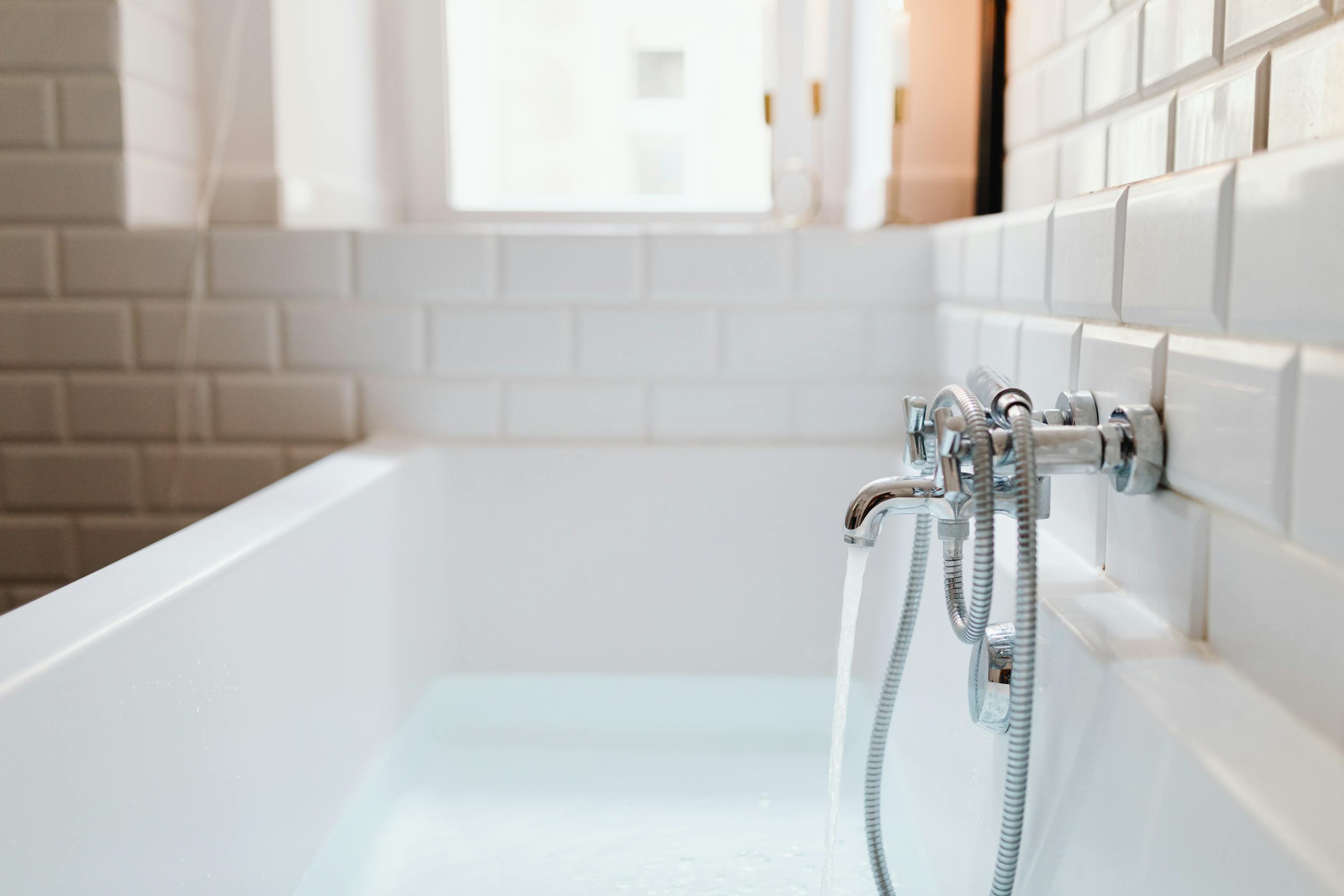
A bath can feel peaceful, nostalgic, and deserved. It can also use a large amount of water in one sitting. Filling a tub takes much more water than many people realize, especially if the bath is deep or followed by extra rinsing and cleaning.
That does not mean baths need to disappear forever. It means they should be treated like an occasional comfort, not an everyday default. A shorter shower usually makes more sense for regular bathing. Parents can also save water by using less water in the tub when bathing children, rather than filling it to a higher level than necessary.
Dishwashers Help Only When Used the Right Way
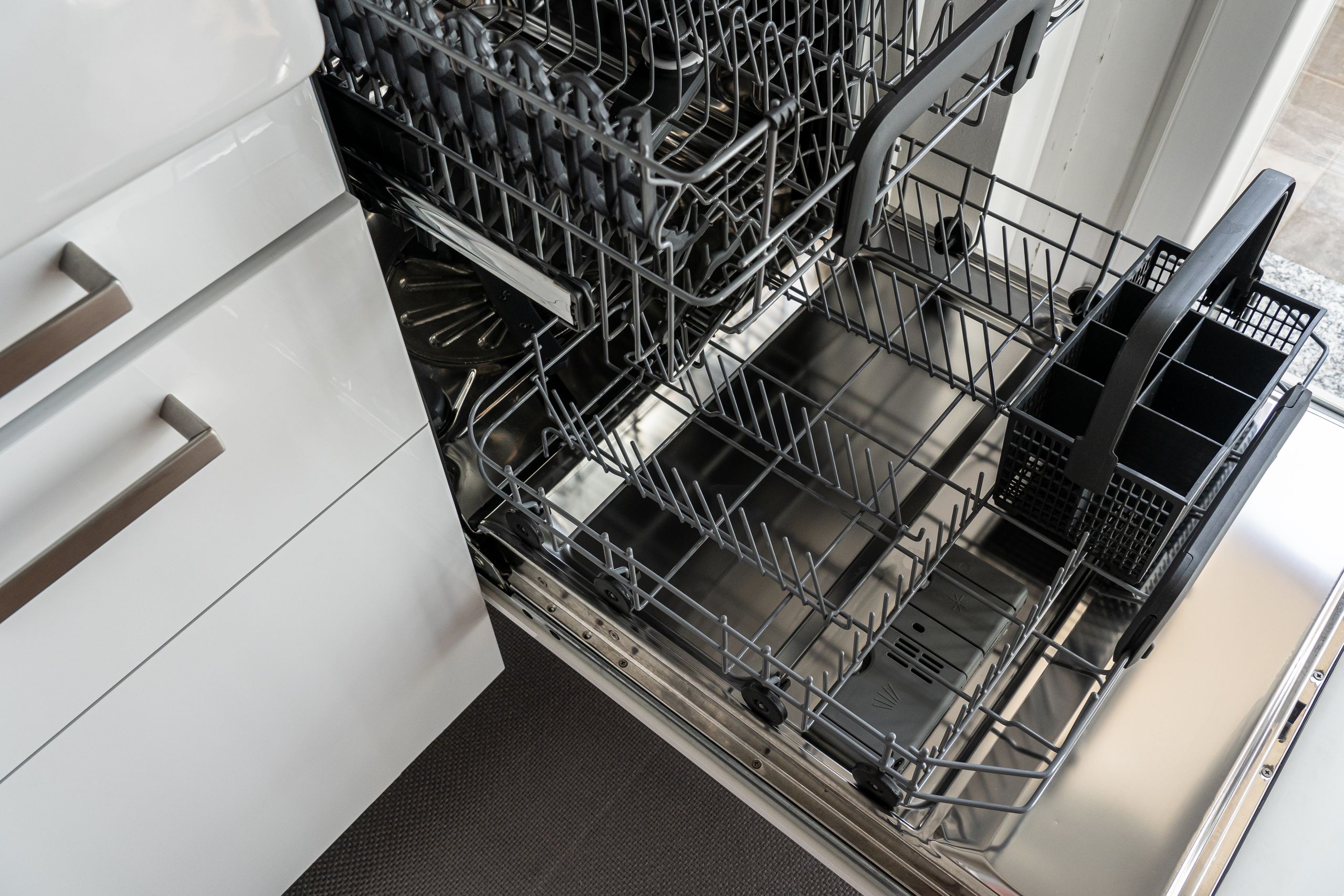
A modern dishwasher can be more efficient than handwashing under a running tap, but that advantage disappears when people use it poorly. Running half-empty loads, choosing heavy cycles for lightly soiled dishes, or rinsing every plate as if it were already being washed can waste water before the machine even starts.
The smartest habit is to load the dishwasher properly and run it when it is full. Scrape plates instead of rinsing them endlessly. Use the right cycle for the mess. When used correctly, the dishwasher can be a water-saving tool. When used carelessly, it becomes another quiet drain hiding in the kitchen.
Outdoor Watering Can Wreck the Whole Bill
Indoor water waste gets plenty of attention, but outdoor watering can be brutal in warmer months. Lawns, gardens, sprinklers, hoses, car washing, and pressure washing can quickly send water use climbing. A sprinkler left running too long can erase the savings from shorter showers and careful laundry habits.
Timing matters too. Watering during the hottest part of the day can lead to more evaporation, which means less water reaches the soil. Early morning watering, mulch, drought-tolerant plants, and smarter sprinkler settings can help homeowners keep yards alive without treating the hose like an open wallet.
Kitchen Routines Waste More Than People Realize
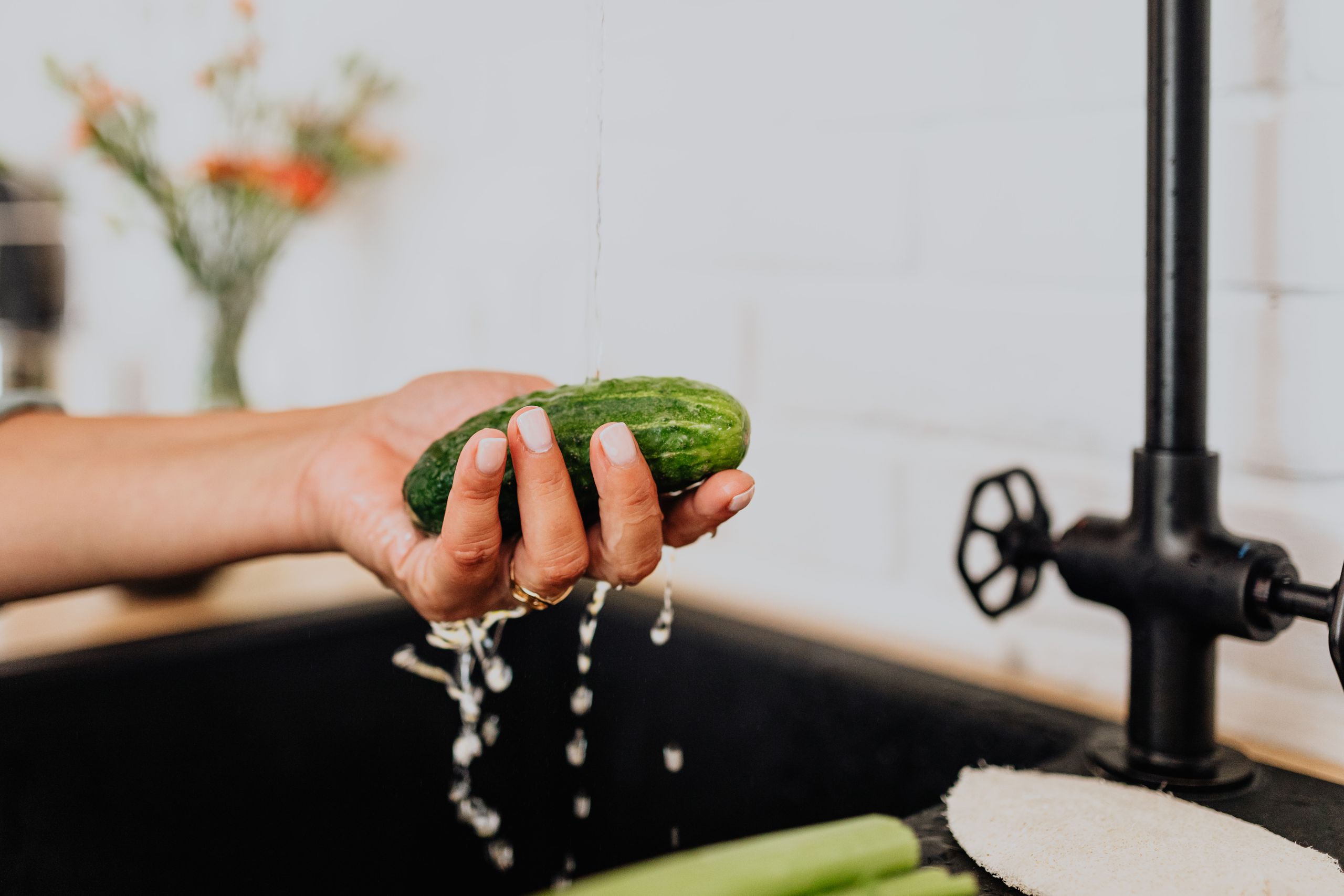
The kitchen is full of small water decisions. People rinse produce, fill pots, wash hands, clean counters, scrub pans, thaw food, and rinse dishes. Each task feels normal, but together they can create a steady stream of waste.
A few simple changes can make the kitchen less wasteful. Soak stubborn pans instead of blasting them under the faucet. Use a bowl to rinse fruits and vegetables. Stop letting the water run while arranging dishes or wiping counters. These habits work because they target the routines that happen every single day.
The Real Problem Is Water Waste Nobody Notices
The worst water waste in a home usually does not look dramatic. It hides in old fixtures, lazy habits, small leaks, long showers, and appliances running more often than necessary. That is why a household can feel normal and still waste gallons every day.
Saving water does not require turning the home into a strict survival camp. It starts with noticing where water leaves without adding much value. Fix the leak. Shorten the shower. Fill the washer. Stop letting the faucet run like background noise. The monthly bill may be the first place people notice the difference, but the bigger win is knowing the home is no longer wasting something everyone depends on.
