


The post 9 Things Families Used to Do on Long Winter Nights Before Television first appeared on Crafting Your Home
Long before television became the centerpiece of American living rooms, families found their own ways to fill long winter evenings. When darkness settled outside, home entertainment often meant sharing stories, playing games, singing familiar songs, or working on something together.
These traditions may seem old-fashioned today, but they reveal how families entertained themselves before screens became part of everyday life. According to the U.S. Census Bureau, only about 9% of American households had a television in 1950, compared with approximately 65% by 1955.
For anyone who remembers stories from grandparents or treasures an old family quilt, these nine activities offer a fascinating glimpse into how evenings at home once unfolded.
Gathering Around the Fireplace to Tell Stories
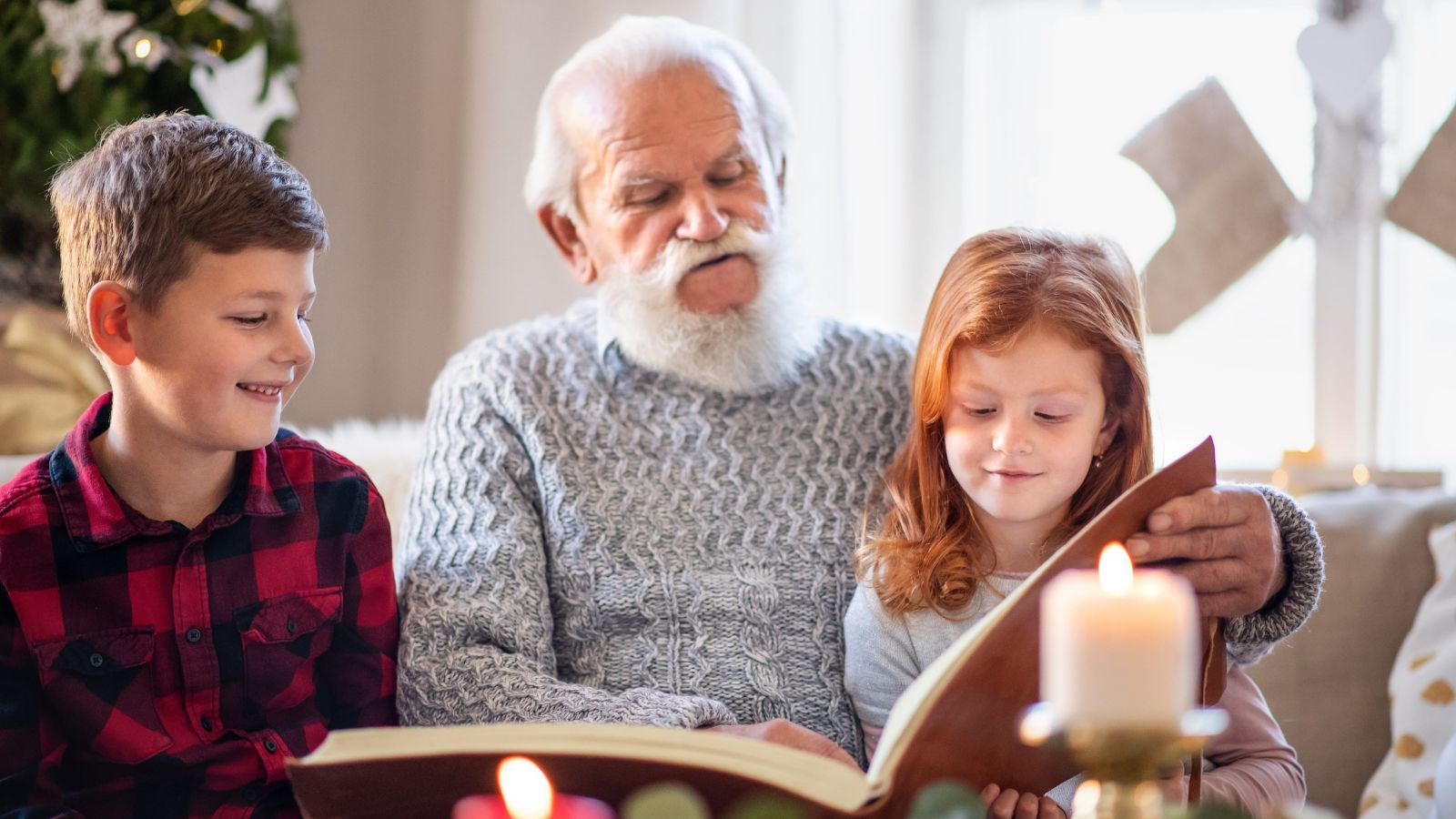
Before people could turn on their favorite television shows, spoken stories provided entertainment and preserved family memories.
Grandparents and older relatives could share childhood adventures, family experiences, and stories passed down through generations. Some stories offered lessons, while others brought laughter or introduced younger listeners to family traditions.
The National Park Service documents Indigenous storytelling traditions in which grandparents gathered with younger relatives during long winter evenings. These stories helped preserve cultural knowledge and connections to the past.
For some families, the most memorable entertainment came from someone who knew how to tell a captivating story.
Playing Games in the Living Room
Family game night existed long before television became popular.
During the nineteenth century, households enjoyed activities such as charades, guessing games, Blind Man’s Buff, and board games.
According to the National Park Service, some nineteenth-century board games were designed to teach subjects such as geography and history.
The Smithsonian also preserves historical question-and-answer cards used for playful exchanges. These games show that earlier generations had their own ways of creating laughter and friendly competition.
Instead of watching someone else compete on television, family members could become part of the entertainment themselves.
Reading Books and Newspapers Aloud
Family gathering around while one family member reads a fascinating story to everyone else.
Reading aloud was one way nineteenth-century households entertained themselves. According to the Library of Congress, families enjoyed reading, playing games, making music, and performing plays at home.
A shared reading session allowed several people to enjoy the same story without everyone needing a separate book.
Different family members could take turns reading, while others listened.
The experience resembles today’s family story time, except the entertainment came from someone sitting nearby rather than a recorded voice.
For households that enjoyed books, reading aloud could transform an ordinary evening into a shared experience.
Related Post: If You Grew Up With These 8 Winter Traditions, Your Family Did Something Right
Singing Songs and Playing Musical Instruments
Music did not always come from radios, televisions, or electronic devices.
Some families made their own entertainment by singing together or playing musical instruments.
The Library of Congress documents nineteenth-century Cincinnati households where children learned piano and singing, while family members participated in musical activities at home.
The National Park Service also records traditions of singing ballads in the Great Smoky Mountains, including winter gatherings where songs were performed without instruments.
Some ballads told stories about love, loss, and events remembered within communities.
These musical evenings offered something different from simply listening to a performance: family members could participate in creating the entertainment.
Sewing, Quilting, and Mending Clothes
Not every winter evening activity was purely recreational.
For many households, practical work occupied part of the evening. Sewing, mending clothes, and making quilts helped families maintain and create useful household items.
The National Park Service documents Appalachian quilting traditions in which people used leftover fabric, worn clothing, and other available materials.
Quilting gatherings could also become social occasions. Neighbors shared conversations, exchanged news, and sometimes enjoyed music afterward.
However, sewing and mending were often necessary responsibilities rather than leisurely hobbies.
Today, an old handmade quilt may be treasured as a family keepsake. Earlier generations might have valued that same quilt for its practical purpose as well as the work involved in making it.
Writing Letters to Friends and Relatives

/Shutterstock
Before text messages and instant communication, handwritten letters helped families maintain relationships across long distances.
People wrote about family news, personal experiences, celebrations, and everyday events.
The National Park Service explains that lengthy personal letters were a common way to communicate holiday greetings before printed greeting cards became widespread.
The Library of Congress also preserves historical family correspondence that offers a glimpse into how relatives communicated.
Some letter writers even conserved paper by writing across existing lines in another direction.
Unlike today’s quick digital messages, handwritten letters could become physical keepsakes.
For modern readers, discovering an old family letter can offer a particularly personal connection to an earlier generation.
Performing Homemade Plays and Puppet Shows
Long before television dramas filled evening schedules, some families created performances of their own.
The Library of Congress documents nineteenth-century toy theaters featuring miniature stages, printed scenery, and paper characters.
These small theaters allowed people to act out stories using carefully arranged scenes and figures.
Children and adults could participate in performances or enjoy watching others bring the characters to life.
Some toy theaters even featured adaptations of familiar dramatic works.
The activity combined storytelling, creativity, and performance without requiring electronic entertainment.
It also demonstrates that the desire to watch an engaging story unfold existed long before television screens entered American homes.
Related Post: :12 Things Every Family Should Talk About Before the Holidays
Listening to Radio Programs Together
Before television became common, radio brought a different kind of entertainment into American living rooms.
According to the U.S. Census Bureau, approximately 40.3% of American households owned a radio in 1930. By 1950, more than 40 million households had one.
Families could listen to music, comedy, news, and dramatic programs together.
Radio dramas were particularly interesting because listeners had to imagine characters, locations, and events through sound.
Performers such as Jack Benny, George Burns, and Gracie Allen entertained radio audiences before becoming familiar television personalities.
Radio marked an important transition between entertainment created within the household and programming delivered electronically.
For families who owned a radio, an evening broadcast could become a shared occasion.
Making Homemade Toys and Inventing Games
Children did not always rely on store-bought toys for entertainment.
The Library of Congress explains that manufactured toys were less common in nineteenth-century America, when many playthings were handmade or relatively simple.
Children could use homemade toys, invent games, and create imaginative activities using available materials.