


Storm season can strike without warning, and a few inches of rain can cause flooding or structural damage. Unprepared homes quickly become unsafe, and families caught off guard face serious risks. Protecting your property and loved ones can be life-saving.
Preparation starts before the first drop. Knowing where water collects and which parts of your house are vulnerable can make the difference between a minor inconvenience and a disaster. The right strategies combine foresight and fast action.
Secure Your Roof and Gutters
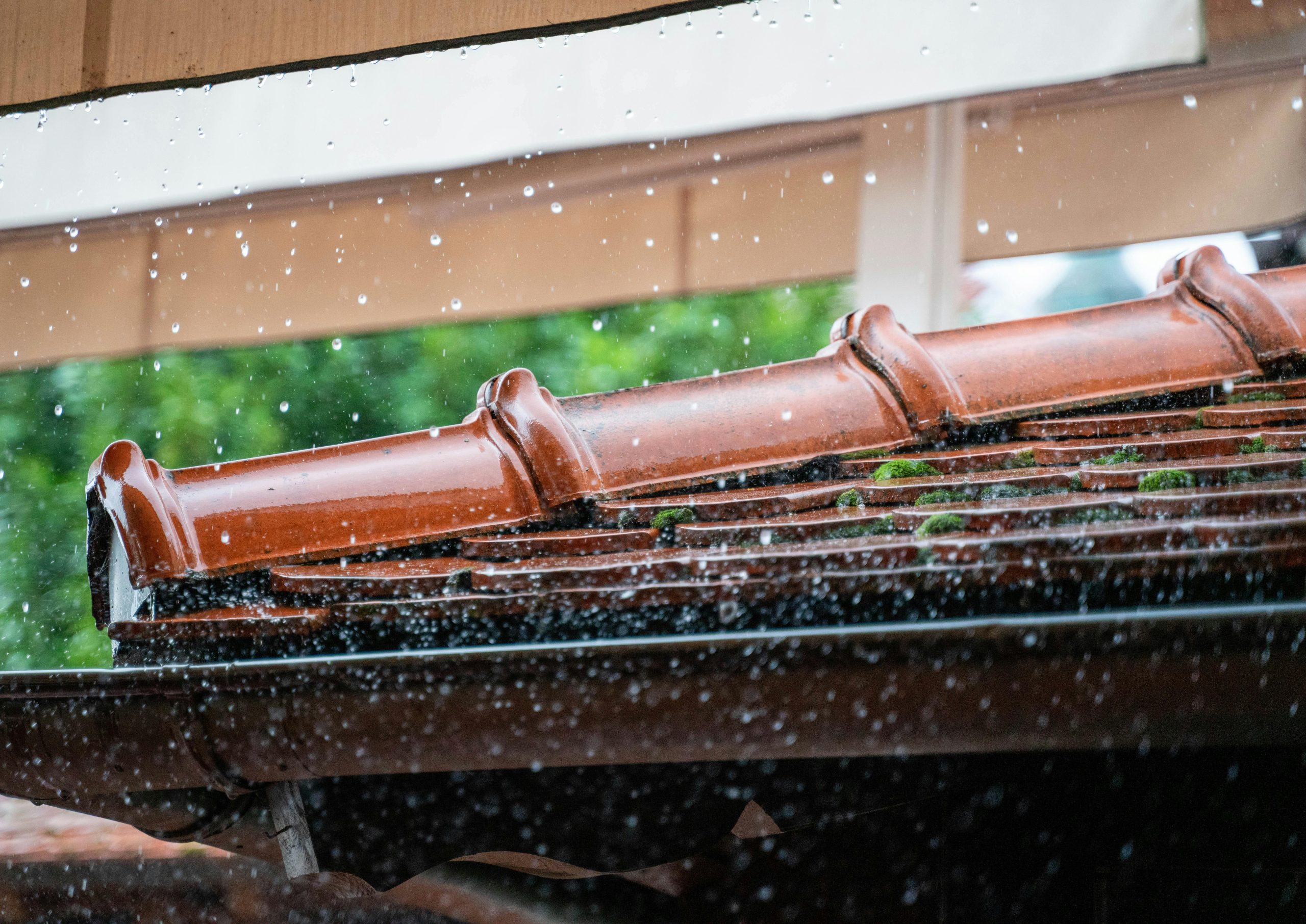
Clogged gutters and loose shingles are silent threats. Heavy rain can overwhelm drainage systems, causing water to seep into walls or foundations. Make roof inspections and gutter cleaning part of your seasonal routine to prevent leaks.
Check for Basement Vulnerabilities
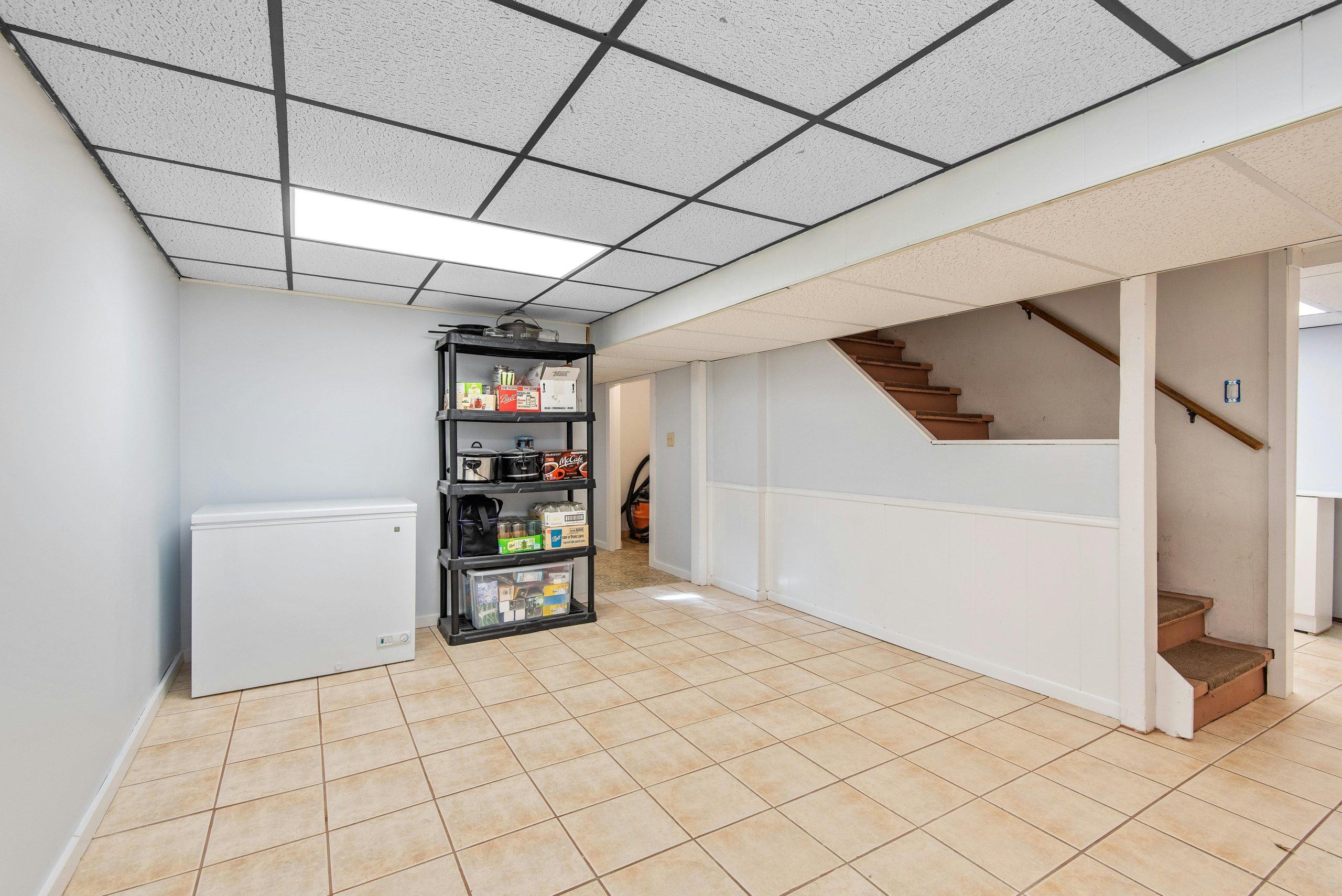
Basements are often the first areas to flood. Install sump pumps, seal foundation cracks, and keep valuables elevated. A few preventive measures can keep water from turning your basement into a costly disaster.
Reinforce Windows and Doors
Strong winds and rain exploit weak points in your home. Upgrade to storm-rated windows and ensure doors are properly sealed. Sandbags or temporary barriers can help divert water away from entrances.
Create a Storm Emergency Kit
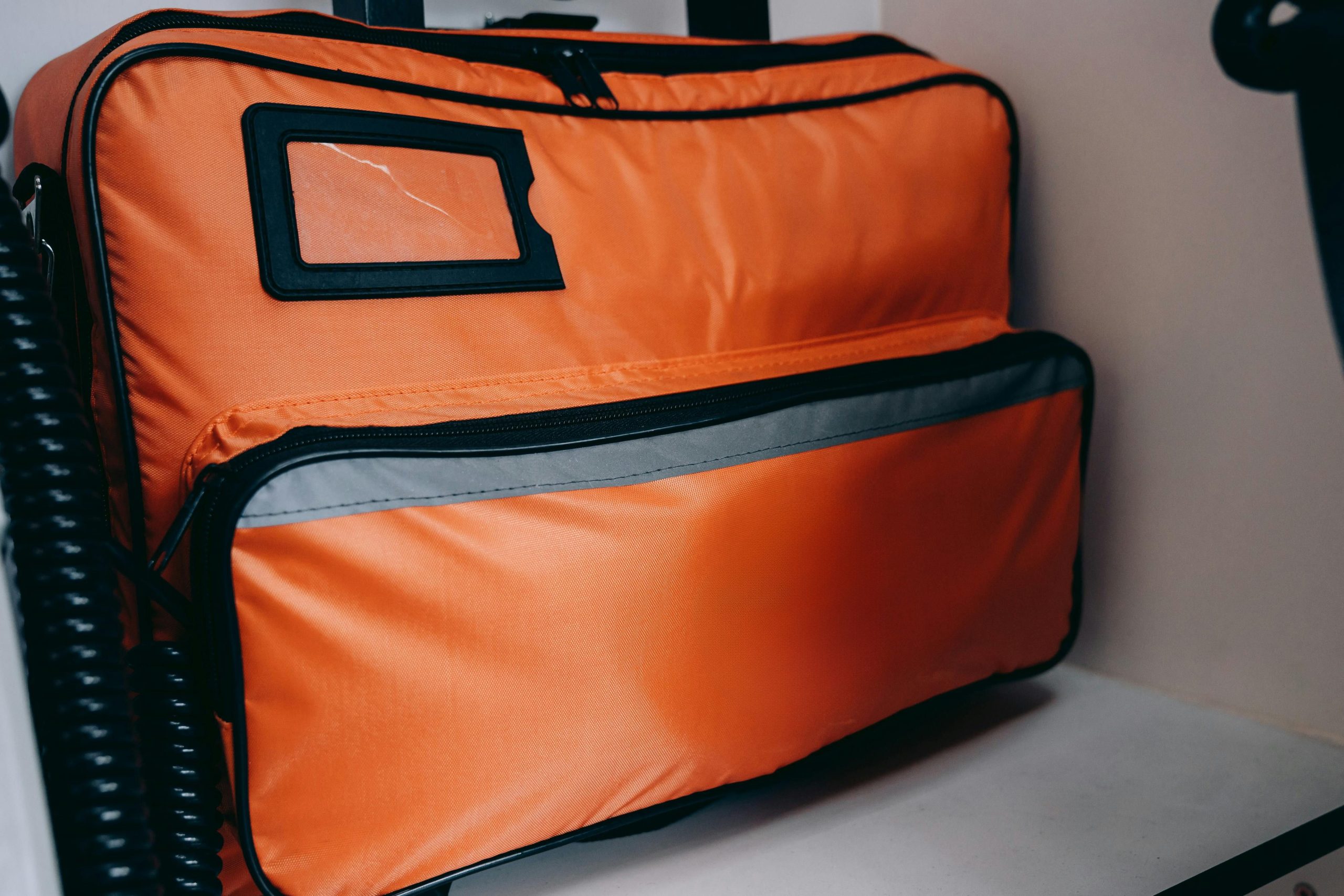
Power outages and isolation are common during severe storms. Keep flashlights, batteries, bottled water, non-perishable food, first-aid supplies, and important documents in a waterproof container. Preparedness inside your home helps if help is delayed.
Trim Trees and Remove Debris
Falling branches or unsecured objects become deadly projectiles during storms. Regularly trim trees, remove loose items from yards, and secure outdoor furniture. Preventing hazards before a storm reduces property damage and personal injury.
Maintain Backup Power
Power failures can leave families stranded and homes vulnerable. Invest in a generator or battery backup for essential appliances. Keeping lights, refrigeration, and communication tools operational is critical for safety.
Monitor Weather and Alerts
Storms can escalate quickly. Stay informed with weather apps, emergency broadcasts, and local alerts so you can respond early. Early knowledge allows you to move valuables, protect vulnerable areas, and evacuate if necessary.
Elevate Critical Systems
Water heaters, electrical panels, and HVAC systems are often damaged in floods. Elevate these systems where possible to prevent water-related failures. Proactive placement can reduce repair costs.
Know Evacuation Routes and Safety Zones
Even the best-prepared homes can face extreme weather. That’s why you should identify nearby shelters, flood-free areas, and safe roads in advance. Planning escape routes ensures your family can evacuate safely if conditions worsen.
Severe storms aren’t just inconvenient; they’re potentially life-threatening. The difference between staying safe and suffering avoidable damage often comes down to preparation. These strategies help your family weather the storm while protecting what matters most.


