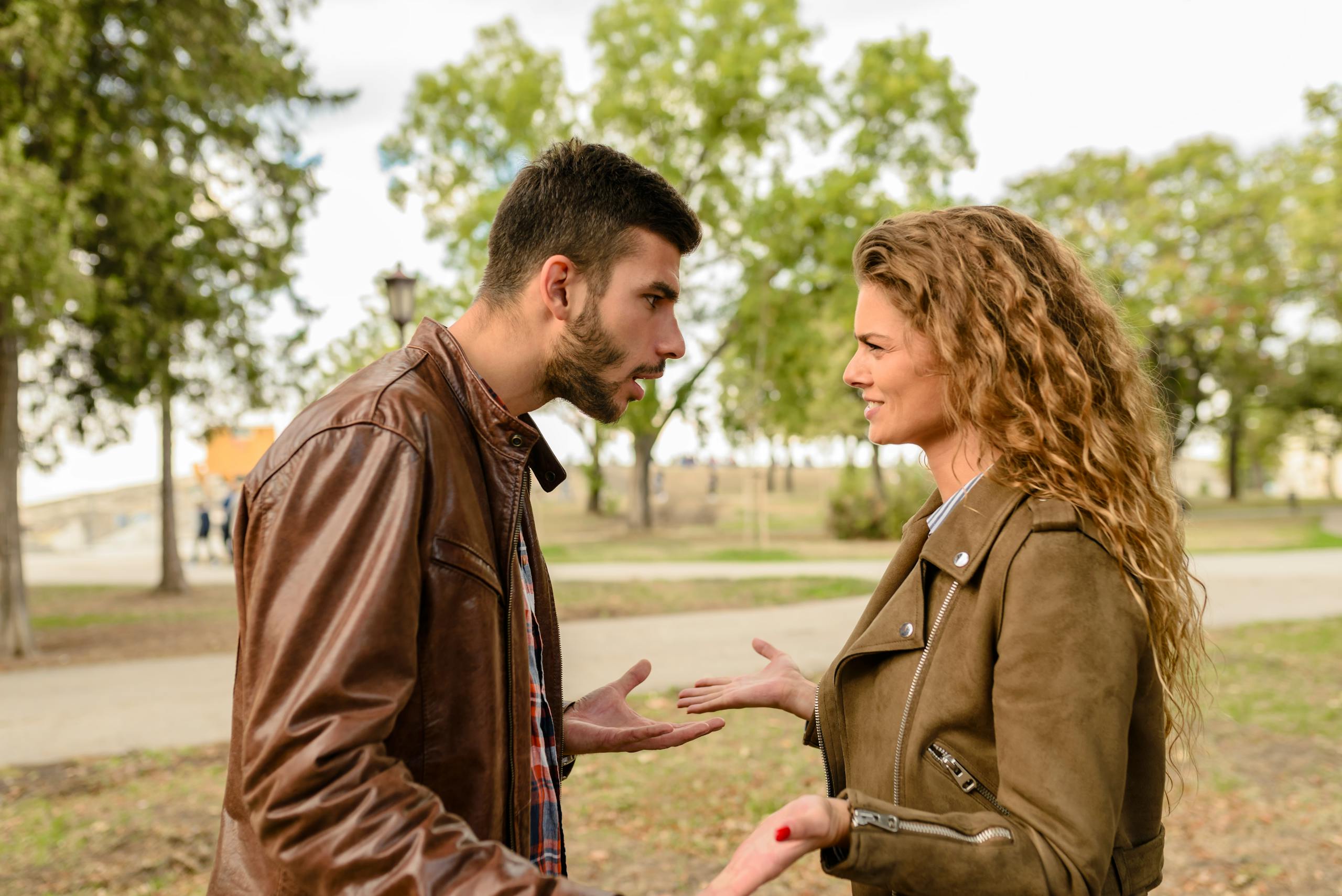
Some of the worst relationship habits do not enter our lives through dating apps, heartbreak, or bad partners. They enter quietly at home, long before we understand what love is supposed to feel like.
We learn by watching. We watch how adults argue, apologize, avoid each other, control each other, forgive each other, or refuse to talk for days.
Then we grow up, fall in love, and suddenly realize we are repeating patterns we once promised never to repeat.
These toxic relationship habits can feel normal because they were introduced to us as family life, not emotional damage.
We Shut Down Instead of Speaking Honestly

Many of us grew up in homes where silence was treated as peace. When tension entered the room, people stopped talking, changed the subject, or acted as if nothing had happened.
As adults, we may avoid difficult conversations because honesty feels risky. We may tell ourselves we are being calm, but we are really burying resentment. Avoiding conflict does not protect love. It slowly poisons it.
We Turn Small Arguments Into Emotional Wars
Some families treat disagreement like a battlefield. A simple misunderstanding becomes shouting, blaming, insults, or old mistakes dragged back into the room. When we inherit this habit, we enter arguments ready to win instead of ready to understand.
We may attack our partner’s character instead of addressing the issue. Healthy love does not require two people to destroy each other just to prove a point.
We Confuse Control With Love
Control can look like care when we saw it often enough growing up. A parent may have monitored the other parent’s friends, money, clothes, movement, or decisions and called it concern.
Later, we may repeat the same behavior with a partner. We may demand updates, question every choice, or feel threatened by independence. Love should create safety, not surveillance.
We Apologize Without Actually Changing
In some homes, “sorry” is used like a magic word. Someone hurts another person, apologizes quickly, and then repeats the same behavior again. When we inherit this pattern, we may believe an apology should erase the damage.
But words without change become manipulation, even when we do not mean them that way. A real apology must be accompanied by better behavior.
We Use Silence as Punishment
There is a difference between needing space and using distance as a weapon. If we watched adults punish each other with coldness, ignored calls, gave short answers, or withdrew emotionally, we might repeat those patterns without noticing. This makes a partner feel anxious, rejected, and unsafe. Taking time to calm down is healthy. Making someone suffer in silence is not maturity. It is emotional punishment.
We Believe Love Means Losing Ourselves
Some families praise sacrifice so much that self-abandonment starts to look noble. We may watch one parent give up their needs, dreams, rest, money, or happiness to keep the relationship alive.
Then we grow up believing love means carrying everything alone. That habit can turn us into overgivers who feel guilty for having boundaries. A relationship should not require one person to disappear so the other can feel comfortable.
We Treat Jealousy Like Proof of Passion

Jealousy can feel romantic when we were taught that possessiveness means someone cares. A partner who questions everything may seem protective at first.
But jealousy becomes toxic when it turns into accusations, monitoring, suspicion, or guilt. Real passion does not need to trap someone. Being loved should not feel like being watched, tested, or controlled.
We Hide Our Feelings Because Vulnerability Felt Unsafe
If our emotions were mocked, ignored, or punished as children, we may learn to hide them as adults. We may say “I’m fine” when we are hurt. We may joke through pain, change the subject, or act strong even when we are breaking inside. This habit blocks intimacy because our partner cannot love the truth we keep hiding. Real closeness requires emotional honesty, not constant performance.
We Repeat the Same Relationship Roles From Home
Every family has roles. One person may be the fixer, another the avoider, another the critic, and another the one who keeps everyone calm. Without realizing it, we can carry those roles into our relationships.
We may become the rescuer, the emotional manager, the silent sufferer, or the person who never takes responsibility. Love becomes unhealthy when two adults are trapped in childhood roles they never chose.
Breaking the Pattern Before It Breaks the Relationship

We do not repeat these habits out of hopelessness. We repeat them because they were familiar before they were harmful. The first step is noticing what we copied. The second step is refusing to excuse it just because it came from home.
We can love our parents and still admit that some patterns damaged us. We can understand our childhood and still choose a healthier relationship.
The goal is not to blame the past forever. The goal is to stop letting the past control how we love now.
The hardest truth is also the most freeing one. What we inherited may explain our behavior, but it does not have to become our future.
We can learn to speak calmly, apologize honestly, respect boundaries, stop controlling, and love without fear. The moment we recognize the pattern, we finally get the chance to break it.