


The Post: 9 Funeral Etiquette Rules Many People Have Quietly Forgotten first appeared on Crafting Your Home
Funerals today can look very different from the services of the past. Some are traditional ceremonies, while others are celebrations of life with personal touches, special themes, or unique family requests.
But one thing has not changed: a little thoughtfulness can make a difficult day easier for everyone involved. These often-forgotten funeral courtesies are less about strict rules and more about respecting the family’s wishes and keeping the focus on remembrance.
1. Read the obituary or service notice before you go
Before attending a funeral, take a moment to read the obituary, invitation, or service announcement carefully. These details often answer guests’ questions, including the location, time, type of service, dress guidance, whether flowers are welcome, donation requests, and whether there will be a reception or graveside gathering.
Instead of making assumptions, follow the family’s instructions. Every service is different, and the family’s wishes should take priority over general traditions.
2. Arrive early and enter quietly
Walking in late can be especially noticeable during a funeral service. A good practice is to arrive about 10 to 15 minutes early. This gives you time to park, sign a guest book if one is available, find a seat, and settle in before the ceremony begins.
Arriving early also helps avoid interruptions during meaningful moments such as prayers, music, or eulogies. If you do arrive late, enter quietly and choose a seat without drawing attention away from the service.
3. Put your phone away before entering
4. Do not post about the death or service without permission
Sharing news online can feel natural, but a funeral is not the place to announce someone else’s death. Some relatives, friends, or coworkers may not know about the death yet.
Avoid posting service details, photos of mourners, flowers, the casket, or the deceased unless the family has already shared the information publicly or has specifically welcomed sharing. Keep a private moment private unless the family chooses otherwise.
5. Dress respectfully, not necessarily in all black
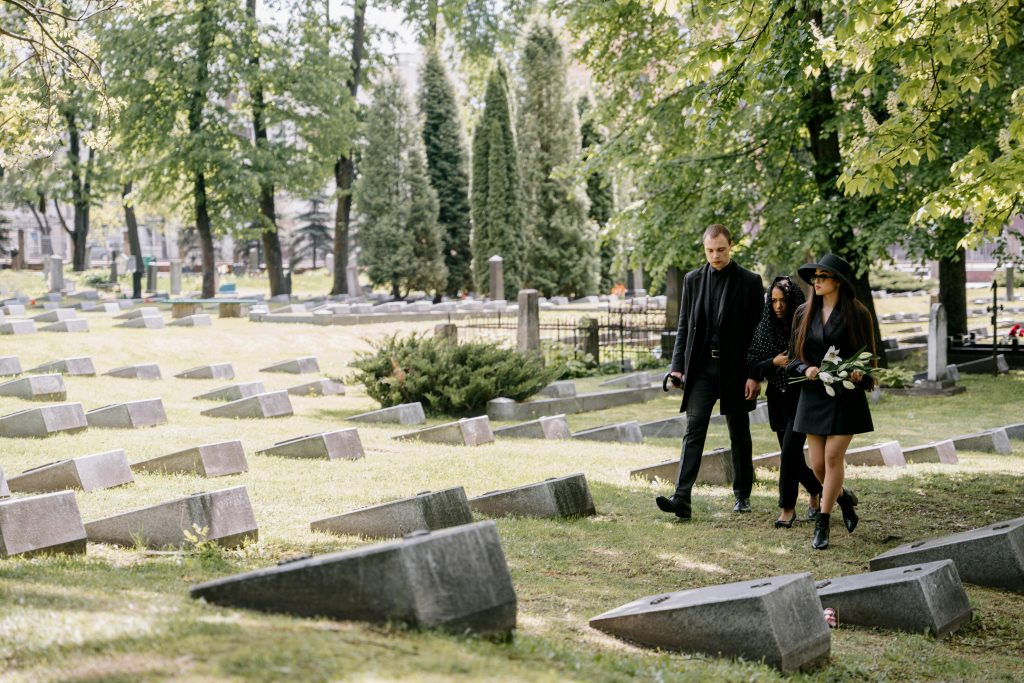
Many people still associate funerals with head-to-toe black clothing, but that is not a universal expectation today. Clean, modest clothing in subdued or darker colors is generally appropriate for many traditional services.
However, the family’s request matters most.
Some celebrations of life may encourage bright colors, cultural clothing, favorite team jerseys, or a special theme connected to the person being remembered. Following that request is often the most respectful choice.
6. Keep condolences brief, sincere, and focused on the grieving family
A funeral is a time to offer support, not to search for the perfect words. Simple expressions such as “I’m so sorry for your loss” or “I’m thinking of you” can mean a great deal.
If you knew the person who died, sharing a short, genuine memory can be meaningful. Try to keep the conversation centered on the family rather than turning the moment into a long discussion that requires them to comfort others.
7. Respect requests about flowers, food, and donations
When a family writes “in lieu of flowers,” it is a request to be honored. They may prefer donations to a cause, practical help, a meal, or simply the presence of friends and loved ones.
Flowers aren’t appropriate for every funeral tradition or faith practice, so check the family’s wishes. If flowers are welcomed, they are usually sent to the funeral home before the service rather than carried in by guests.
8. Do not treat the receiving line as a social catch-up
A receiving line or visitation gives family members a chance to greet guests, but it is not a typical social gathering. Offer your sympathy, share a kind word, and allow others their turn.
Close relatives may be greeting many people while dealing with grief and exhaustion. Avoid asking detailed questions about the death, and remember that a brief, compassionate exchange can be more meaningful than a lengthy conversation.
Related: 11 Social Behaviors That Hinder Women from Forming Friendships
9. Remember that support continues after the funeral
One of the most forgotten parts of funeral etiquette happens after the service ends. Attendance matters, but grief does not disappear when the ceremony is over.
A later phone call, sympathy card, meal, or practical offer of help can provide comfort long after the flowers have faded. Instead of saying only “Let me know if you need anything,” a specific offer such as helping with an errand or a household task may be easier for someone to accept.
When in doubt, follow the family’s lead, respect their wishes, and remember that kindness is the heart of funeral etiquette.
Small acts of consideration can leave a lasting impression when people need support the most.
Other Posts You Might Like
- 9 Funeral Traditions That Are Quietly Disappearing From American
- What Grieving People Say They Actually Needed in the Weeks After a Loss
If you like what you just read, then subscribe to our newsletter and follow us on social media.


