

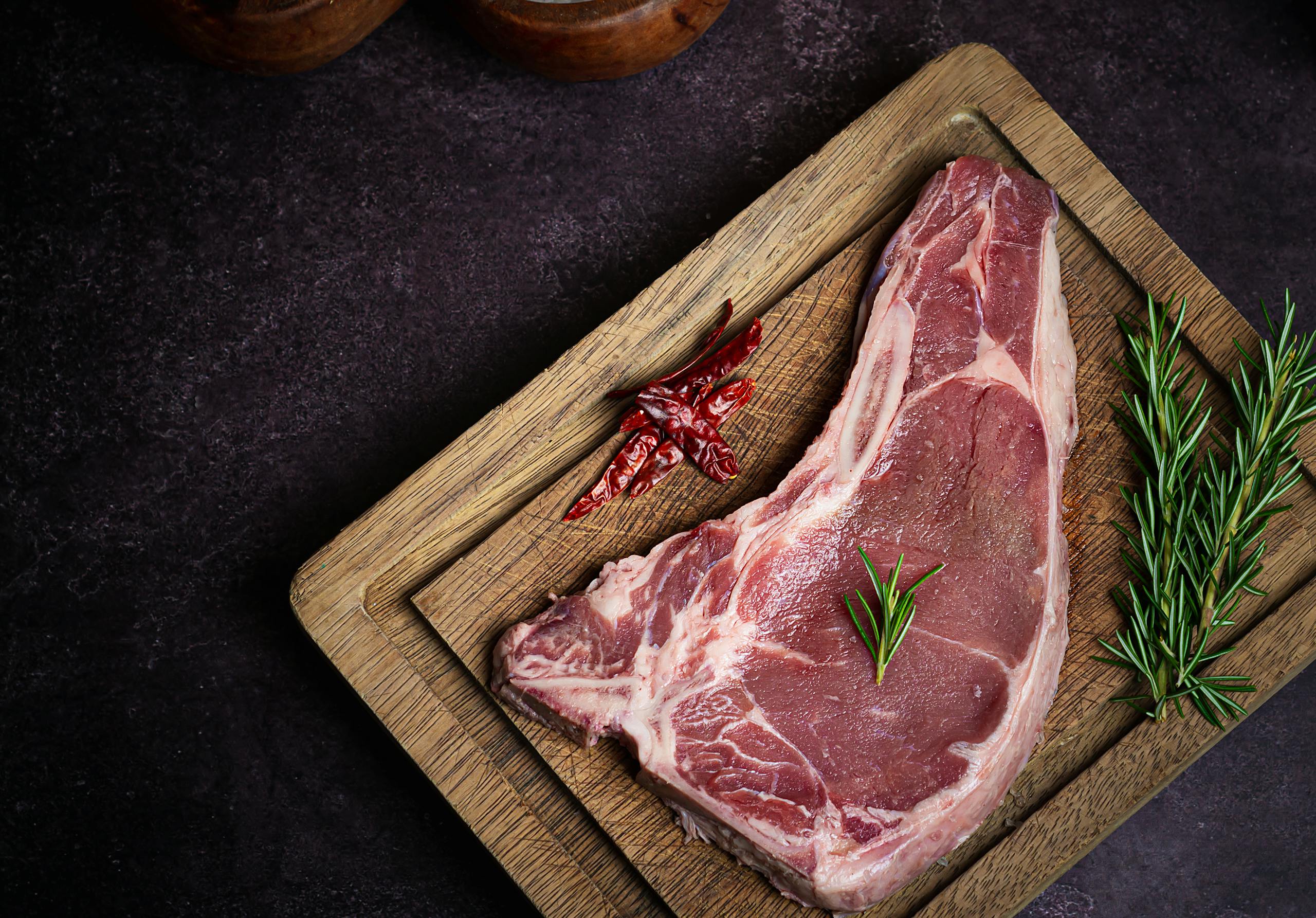
A ribeye steak is not something you should grab without looking. Not because the process is complicated, it is not, but because the difference between a great ribeye and a mediocre one is visible before you ever get to the register, and most people walk past that information without reading it.
They pick the biggest steak. Or the cheapest one. Or the one with the most impressive label. And then they cook it carefully and wonder why it did not taste like the one at the steakhouse.
The steakhouse did not have a secret technique. It had better sourcing and someone who knew what to look for. You can be that person. Here is what actually matters when you are standing at the meat counter.
Marbling Is the Only Thing That Actually Matters

Everything else on this list is useful context. Marbling is the thing. Marbling is the white fat streaked through the red muscle of the steak, not the fat cap around the outside, but the intramuscular fat distributed within the meat itself.
During cooking, that fat melts into the surrounding muscle, basting the steak from the inside and producing the juicy, buttery, deeply flavored result that makes ribeye the cut it is.
A ribeye with excellent marbling, thin, spiderweb-like streaks of white fat distributed consistently across the meat, extending into the central eye muscle, will outperform a ribeye twice its size with poor marbling almost every single time. The fat is not something to trim away. It is the point.
What you want to see: fine, even distribution throughout the whole steak. What you want to avoid: large pockets of exterior fat with almost no internal marbling, or dense sections of lean meat with fat concentrated only in one corner.
Those steaks will cook up chewier and less flavorful, regardless of how skilled you are at the grill.
USDA Grades Are a Starting Point, Not a Verdict
The USDA grading system, Prime, Choice, and Select, gives you useful information, but it is a category, not an individual assessment.
Not every steak inside a Prime package is equally excellent. Every Choice steak is not equally average.
Prime beef has the highest marbling requirements and is the grade most commonly found in upscale steakhouses.
It represents roughly eight percent of graded beef produced in the United States, which is why it commands a premium and is not always available at every retailer.
Choice is the grade most commonly found in supermarkets and represents a wide range; the top end of Choice can approach Prime quality, while the bottom end is noticeably less impressive. This is where careful individual inspection pays off most.
Select has less marbling and will generally produce a leaner, less tender result. It is not a bad steak for certain preparations, but for a simple grill or cast-iron sear, where the beef carries the whole experience, it is the grade at which you are most likely to be disappointed.
The practical takeaway: use the grade as a filter, then use your eyes to make the final call. A Choice steak with outstanding marbling will beat a Prime steak with mediocre marbling. Look at the actual steak in front of you.
Fat Color Tells You About Freshness

While you are examining the marbling, look at the color of the fat itself. Fresh, high-quality ribeye fat should be creamy white, firm, clean, and consistent.
Fat that has turned yellow or gray, or looks dried out around the edges, tells you something about how long the steak has been sitting or how it has been stored. Neither answer is good.
The meat itself should be a vibrant, bright red. Some variation is normal; a steak that has been vacuum-sealed and not yet exposed to oxygen will be purple-red until it blooms back to bright red after a few minutes of air exposure, which is fine.
What you want to avoid is significant browning across large portions of the surface, which indicates age and oxidation. Bright red meat, creamy white fat. That is the visual target.
Thickness Determines How the Steak Cooks
A ribeye that is too thin does not give you enough time to develop a proper crust before the interior overcooks. You end up with a steak that is well-done in the middle before the outside has done anything interesting.
For home cooking, whether you are grilling, using a cast-iron pan, or doing a reverse sear, a ribeye between one and a quarter and one and a half inches thick gives you the best control.
Thick enough to build a crust, build a crust, and still hit a proper medium-rare in the center. Thick enough that the steak feels substantial on the plate.
If you are buying a package and the steaks look thin, under an inch, consider whether the butcher counter can cut you something thicker, or whether a different package offers better proportions. Thickness is not vanity. It is a technique.
Bone-In vs. Boneless Is Mostly About Presentation
The bone-in vs. boneless debate generates more strong opinions than the evidence warrants. Bone-in ribeye, which includes the cowboy steak and the dramatic tomahawk, with its long exposed rib bone, looks spectacular.
There is a genuine argument that cooking meat on the bone adds some flavor and that the bone helps conduct heat in ways that can improve the result. These effects are real but modest.
The more honest reason to buy bone-in is that it is a great-looking steak, and eating something that resembles a prop from a Viking feast is its own form of enjoyment. That is a completely valid reason to choose it.
Boneless ribeye is easier to cook evenly, easier to slice, and often more widely available. If your priority is a consistent, reliable result, boneless is the more forgiving choice.
If your priority is the experience of the thing, bone-in delivers that. Neither is wrong. Know what you are paying for.
Grass-Fed and Grain-Fed Taste Genuinely Different
This distinction matters more than most label differences, because the flavor profiles are actually distinct rather than marginally different.
Grain-fed beef, the majority of conventionally raised American beef, produces a richer, more buttery flavor with higher marbling.
The taste is what most people mean when they say they love steak. It is the profile that made ribeye famous.
Grass-fed beef is leaner, with a more mineral-forward, slightly gamey flavor that some people prefer and others find unfamiliar. It also has less marbling by default, which means it requires more careful cooking.
Grass-fed ribeye cooked to medium-well is a genuinely different experience from grain-fed ribeye cooked to medium-well, and not a better one.
Neither is objectively superior. Grass-fed has nutritional differences that some buyers consider meaningful. Grain-fed has the flavor profile that most ribeye enthusiasts are looking for.
Know what you are buying and cook accordingly. Grass-fed steaks generally benefit from slightly lower heat and less time on the fire.
Value Packs Can Be Exceptional… If You Inspect Every Steak
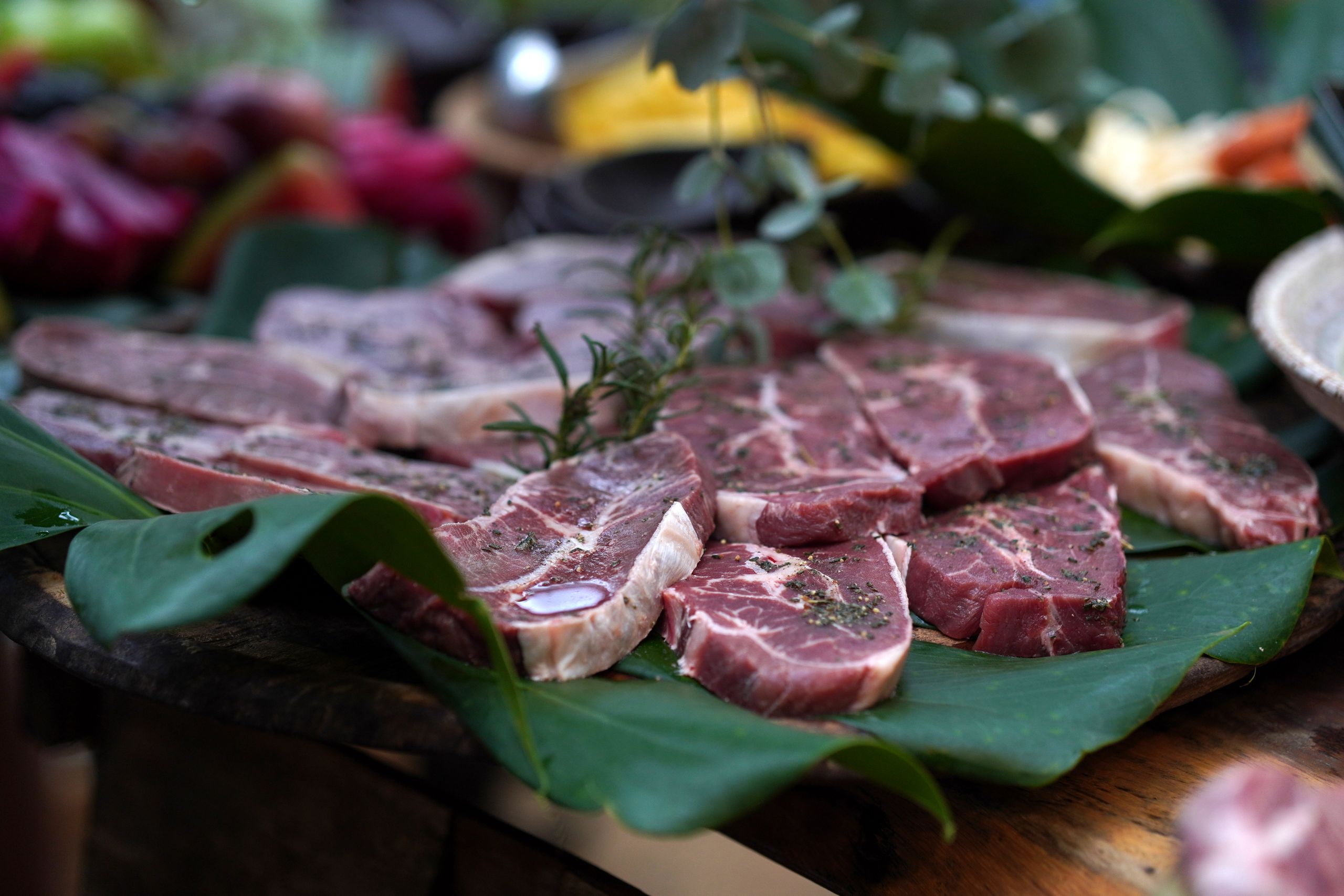
The family-sized multi-steak packages at warehouse clubs and larger supermarkets often offer a significantly lower price per pound than individually packaged steaks. This is a genuine opportunity, with a genuine catch.
The catch is that quality variation within a single package can be wide. One package might contain two beautifully marbled steaks and one noticeably leaner steak. Another might be consistently excellent throughout. You cannot know without looking.
Pick up the package and examine each steak visible through the packaging as carefully as you would a single steak. Check the marbling distribution, fat color, meat color, and thickness on every piece you can see.
If the package contains four steaks and you can only clearly see two, that is useful information about the risk you are accepting.
When a value pack is good, it is an excellent value. When it is not, the per-pound savings do not compensate for a refrigerator full of steaks you are not excited to cook.
Timing Your Purchase Can Significantly Reduce the Price
Ribeye is one of the cuts where strategic timing pays off most visibly, because the price swings around major holidays and grilling season are substantial.
Memorial Day, Fourth of July, and Labor Day all reliably produce significant ribeye promotions at most major grocery chains.
Prices that seem fixed the rest of the year drop meaningfully during these windows, and the quality on offer is often higher as well, since retailers stock up with premium products to attract shoppers.
If you have freezer space and find exceptional steaks at a strong price, buying additional portions and freezing them is worth doing.
Wrap each steak individually in freezer paper or vacuum-seal them if you have the equipment, label them with the purchase date, and use them within six to nine months for best quality.
A well-frozen ribeye loses very little in the process. The flavor and texture survive cold storage far better than most people expect.
A Good Butcher Is Worth Finding
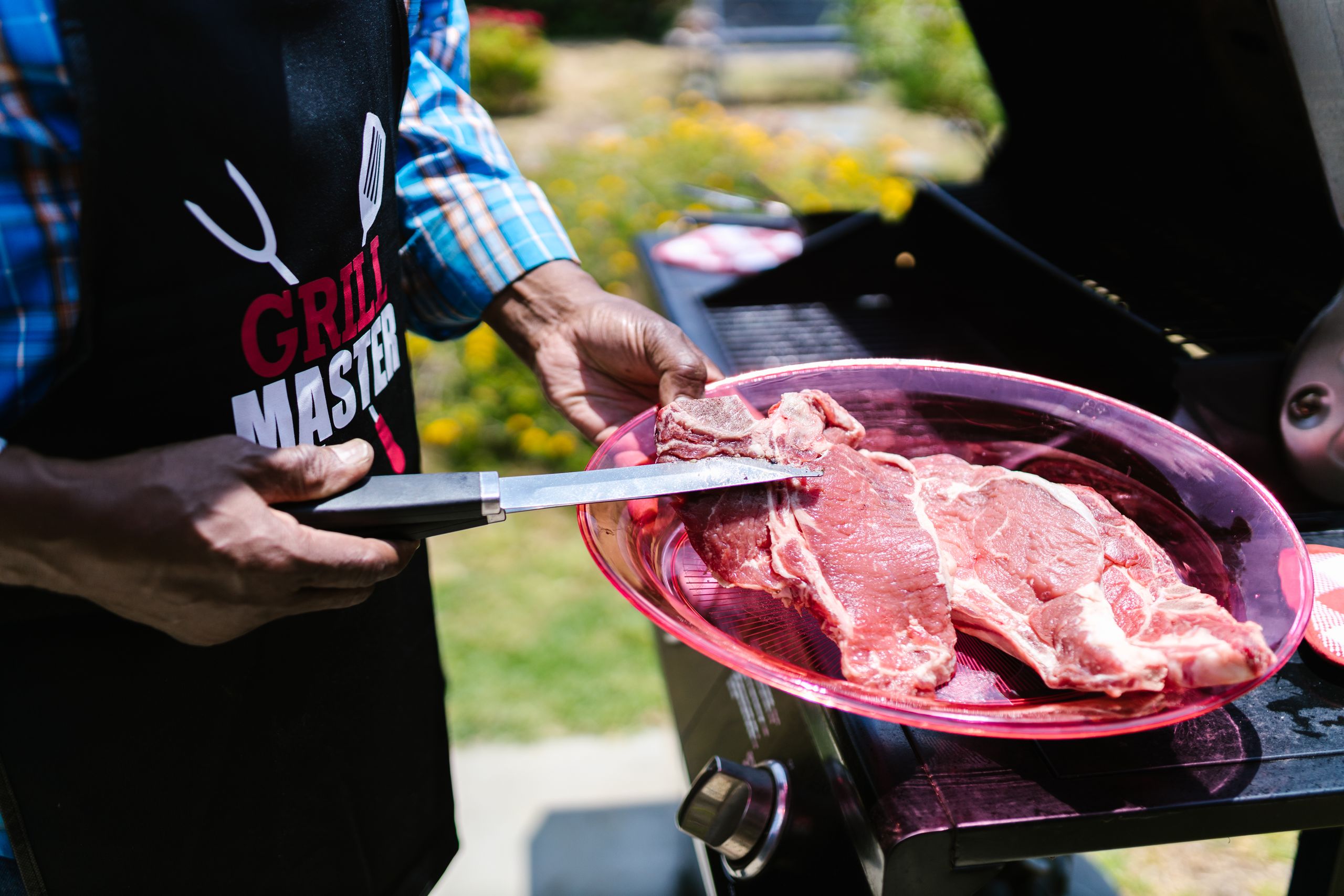
Everything in this guide helps you navigate a supermarket meat case. A good butcher eliminates most of the navigation.
An independent butcher shop, or the full-service butcher counter at a higher-end grocery store, gives you access to things a self-service case cannot: custom-cut thickness, personalized recommendations based on what you are cooking and how, sourcing transparency, and someone who will simply tell you which steaks are worth buying this week and which ones are not.
Butcher prices are sometimes higher than supermarket prices for equivalent weight.
They are frequently not higher once you factor in the quality difference, and they are never higher when you factor in the time spent inspecting packages and the disappointment rate on poorly chosen steaks.
Find a butcher you trust, tell them what you are looking for, and let them help you. The expertise is part of what you are paying for, and it consistently produces better steaks.
Conclusion
Buying a great ribeye is not about luck or spending the most money. It is about looking at the right things before the steak ever leaves the store.
Marbling first, always. Then, fat color, meat color, and thickness. Understand what the grade label tells you and what it does not.
Know the difference between grass-fed and grain-fed, between bone-in and boneless, between a genuine value pack and a discounted disappointment.
Time your purchases when the promotions are real. And if a good butcher is available to you, use them.
Do those things consistently, and the gap between your weeknight ribeye and the steakhouse version gets very small, very quickly. The secret was never the restaurant. It was always the shopping.


