9 Dark Realities Behind Our Unpreparedness for Death

Death is the one certainty in life, yet it remains the most avoided topic in many conversations. We live our lives thinking of death as something distant, something that happens to others but not to us. This mindset often makes us reluctant to confront the reality of our mortality, leading us to avoid planning or discussing death until it’s too late.
As much as we may want to ignore it, death is inevitable. Unfortunately, our unpreparedness for it can bring immense suffering, confusion, and stress when it arrives, whether it’s our own death or the loss of someone we love.
The Fear of Mortality

The root of our unpreparedness for death often lies in the deep, existential fear of our own mortality. Death is the ultimate unknown, and the fear of what lies beyond it can cause people to avoid thinking about it altogether. We spend our lives focusing on the present, distracted by work, relationships, and responsibilities, all while pushing the idea of death into the back of our minds.
We often convince ourselves that it’s too far off to think about or that we’ll be too old when it comes. But this avoidance only increases our fear. By confronting the reality of our mortality, we can alleviate some of that fear and prepare ourselves for the inevitable. Acknowledging that death is certain helps us to appreciate life more fully and allows us to plan for it without paralyzing anxiety.
Facing our mortality head-on enables us to live with purpose and prepare for the end with clarity and peace of mind.
We’re Too Busy with Life to Think About Death
In today’s fast-paced world, it’s easy to become consumed by the daily hustle. Between managing careers, maintaining relationships, and dealing with everyday stresses, the thought of death often gets pushed aside. We focus on achieving milestones, accumulating wealth, and chasing success, leaving little room to confront the fact that our time here is finite.
We feel that we have all the time in the world to prepare. However, life can change in an instant. Illness, accidents, and unexpected events can force us to confront our mortality in ways we never anticipated. Taking time to reflect on and plan for death while we’re healthy allows us to live with the awareness that life is precious and time is limited, making the most of both.
Cultural Taboos Around Death

Death remains a taboo subject in many cultures. It is rarely discussed openly, and many people shy away from acknowledging it, believing that doing so would be morbid or inappropriate. Cultural silence surrounding death leads to unpreparedness, as people aren’t equipped with the language or tools to address it in a healthy way.
In some cultures, death is even viewed as shameful or something to be avoided at all costs. This silence prevents people from having important discussions about end-of-life planning, funerals, and wishes for medical care. When death is treated as a taboo, we fail to recognize the practical, emotional, and legal steps we need to take to ensure our passing is handled according to our wishes.
Breaking the cultural taboo around death encourages open conversations and thoughtful preparation, which can ease the burden on our loved ones when the time comes.
Denial of the Practicalities of Death
Many of us shy away from the practicalities of death, wills, life insurance, funeral plans, and medical directives, because they are difficult or uncomfortable topics. It’s much easier to focus on the present than to think about the legal and financial steps we need to take to ensure our wishes are carried out after we’re gone.
This reluctance to engage in practical death-related planning often leaves families scrambling to make difficult decisions when they should be grieving. Not having a clear plan in place can lead to confusion, financial hardship, and emotional distress for your loved ones.
Taking the time to address the practical aspects of death, creating a will, designating power of attorney, and planning for medical decisions ensures that your wishes are honored and reduces the burden on those you leave behind.
The False Illusion of Control
Throughout our lives, we are conditioned to believe we can control our circumstances. We set goals, work hard, and make decisions, all while believing that we have the power to dictate our future. This illusion of control can make it difficult to accept that death is something we cannot prevent or avoid.
The idea that we have time, that we can control when and how death comes, often leaves us unprepared when it arrives unexpectedly. Accepting that death is outside our control allows us to focus on the things we can control, like how we live, the memories we create, and how we prepare for our end.
Recognizing the limits of our control over death helps us prepare for it with acceptance, and by doing so, we regain control over how we want to face the inevitable.
Fear of Grief and Emotional Pain
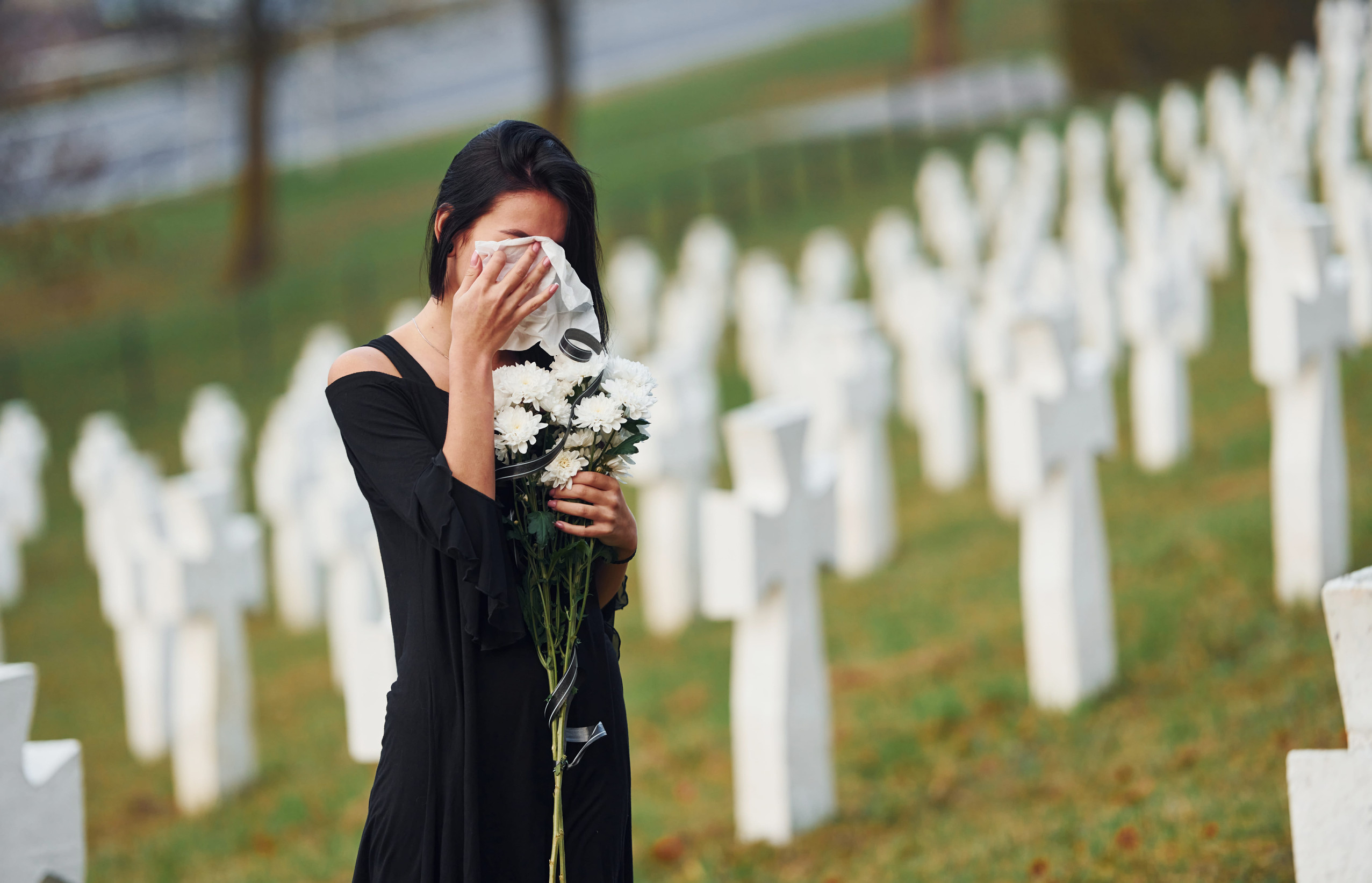
Death forces us to confront some of our deepest fears, not just about ourselves, but about those we love. The thought of losing a loved one or leaving behind family members can bring intense feelings of sadness and helplessness. Many people avoid planning for death because they fear the grief that will follow.
The idea of dealing with the pain of loss is often enough to keep us from facing death directly. However, grief is a natural part of the human experience. It cannot be avoided, but it can be navigated more easily if we’re prepared emotionally. By embracing the inevitability of grief and preparing ourselves for it, we can better cope with the emotional pain of loss when it arrives.
Cultural and Religious Beliefs About the Afterlife
For many, cultural or religious beliefs about the afterlife play a significant role in how they approach death. Some individuals may believe that death is just a transition, and this belief can sometimes prevent them from addressing the practicalities of the end of life.
The assumption that someone else will take care of arrangements or that death is just a step to a “better place” can lead to neglect of legal and medical planning. While spiritual beliefs can provide comfort, they must be balanced with practical actions to ensure that our end-of-life wishes are respected. Incorporating both spiritual beliefs and practical planning into our approach to death allows us to honor both our values and the needs of those we leave behind.
The Fear of Facing Our Vulnerabilities

Death is an uncomfortable subject because it forces us to confront our vulnerabilities, our inability to control life, our mortality, and our dependence on others. Many people avoid thinking about death because it reminds them that they are not invincible. This fear of vulnerability makes it difficult to prepare for death, as it challenges our sense of security and invulnerability.
We Don’t Know How to Start the Conversation
Talking about death with loved ones can feel uncomfortable, and many people avoid starting these important conversations. Whether it’s about their own death or the death of someone close to them, the emotional weight of the topic can be overwhelming. The difficulty in knowing how to begin these conversations often results in neglecting to plan for death altogether.
Conclusion
Death is inevitable, yet we often go to great lengths to avoid preparing for it. Our fear, denial, and avoidance of difficult emotions only prolong the inevitable and make the experience more difficult for ourselves and our loved ones.
By acknowledging death’s certainty and facing it with courage, we can make practical, emotional, and legal preparations that will ensure our wishes are respected and ease the burden on those left behind. It’s time to stop avoiding the subject of death and start having open, honest conversations.
By preparing for death now, we can live with more peace, purpose, and clarity, knowing that we’ve addressed the important aspects of life’s final chapter. Ultimately, preparing for death is not just about the end; it’s about living fully and intentionally, ensuring that when our time comes, we are ready to face it with grace.
Read the original Crafting Your Home.