9 Common Dishwasher Myths Debunked: Expert Advice for Cleaner, More Efficient Use

Dishwashers are a modern convenience that many households rely on daily. However, myths about their use can lead to inefficient cleaning, higher utility bills, and even damage to the dishwasher.
In this article, we debunk common dishwasher myths with expert advice to help your dishwasher work optimally every time.
You Don’t Need to Pre-rinse Dishes

A common misconception is that modern dishwashers can handle heavily soiled dishes without pre-rinsing. While newer models have powerful cleaning technology, leaving dishes with excessive food waste can strain the dishwasher.
Pre-rinsing is important for dried-on food like cheese, sauce, or other sticky substances, as they can block the spray arms and reduce wash efficiency.
Expert Advice:
- Scrape off excess food before loading your dishes, but you don’t need to rinse everything thoroughly.
- For stuck-on food, consider soaking dishes briefly or using a dishwasher-safe pre-wash cleaner.
- If you have an older dishwasher, pre-rinsing or even thoroughly rinsing the dishes may be more necessary.
All Dishwashers Are the Same
Another myth is that all dishwashers work the same way. In reality, dishwashers vary in technology, design, energy efficiency, and cleaning power. High-end models often have features like multiple wash cycles, adjustable racks, and specialized settings for delicate items.
Choosing the right dishwasher for your needs can make a noticeable difference in performance and energy use.
Expert Advice:
- Research and select a dishwasher that suits your specific needs, whether it’s for heavy-duty washing, energy efficiency, or gentler handling of fragile items.
- Energy-efficient models, such as those rated by ENERGY STAR, can save you money on utility bills over time.
- Consider models with customizable cycles and innovative features that offer greater flexibility for handling different load types.
You Can Load the Dishwasher Any Way You Like
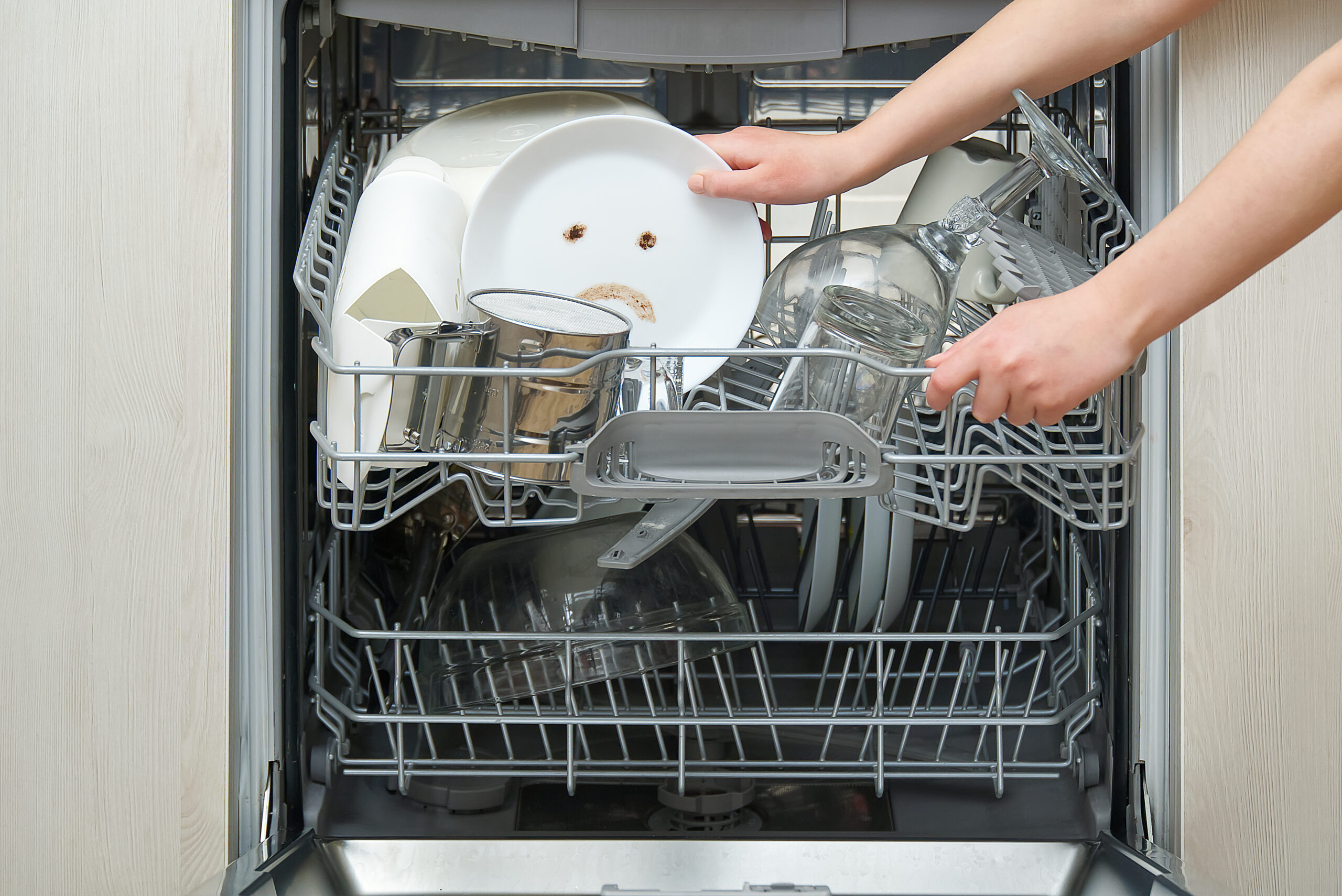
Expert Advice:
- Place larger items, such as pots and pans, on the bottom rack, ensuring they don’t block the spray arms. Smaller items should go on the top rack.
- Avoid overcrowding the dishwasher. Dishes need space so water and detergent can reach every surface.
- Face all items towards the center to ensure water reaches every part of the dish.
- Do not block the detergent dispenser, as this can prevent proper dispensing.
The More Detergent, the Better
Expert Advice:
- Follow the manufacturer’s guidelines for detergent use. Most dishwashers require only a small amount of detergent.
- Consider using powdered or gel detergents designed for specific machines to prevent residue buildup.
- Use rinse aid for a streak-free finish and to prevent water spots on glassware.
Dishwashers Are Always Energy-Efficient
Expert Advice:
- Run your dishwasher only when it’s full to maximize energy and water efficiency.
- Use eco-mode or energy-saving cycles for lighter loads. These cycles consume less water and energy.
- Avoid using the heated dry cycle. Instead, let the dishes air dry or open the dishwasher door after the wash cycle to speed up drying.
Dishwashers Can Handle Any Dish
While dishwashers are versatile, they cannot handle every type of dish or cookware. So Dishwashers are versatile, but they cannot handle every type of dish or cookware.
Materials like cast iron, non-stick cookware, or fine china may not be suitable for the harsh conditions inside a dishwasher. Water can strip away the seasoning and cause rust.
- Hand-wash delicate items like fine china, crystal, and certain non-stick cookware to preserve their quality.
- Always check manufacturer guidelines for dishwasher-safe labels to ensure the longevity of your items.
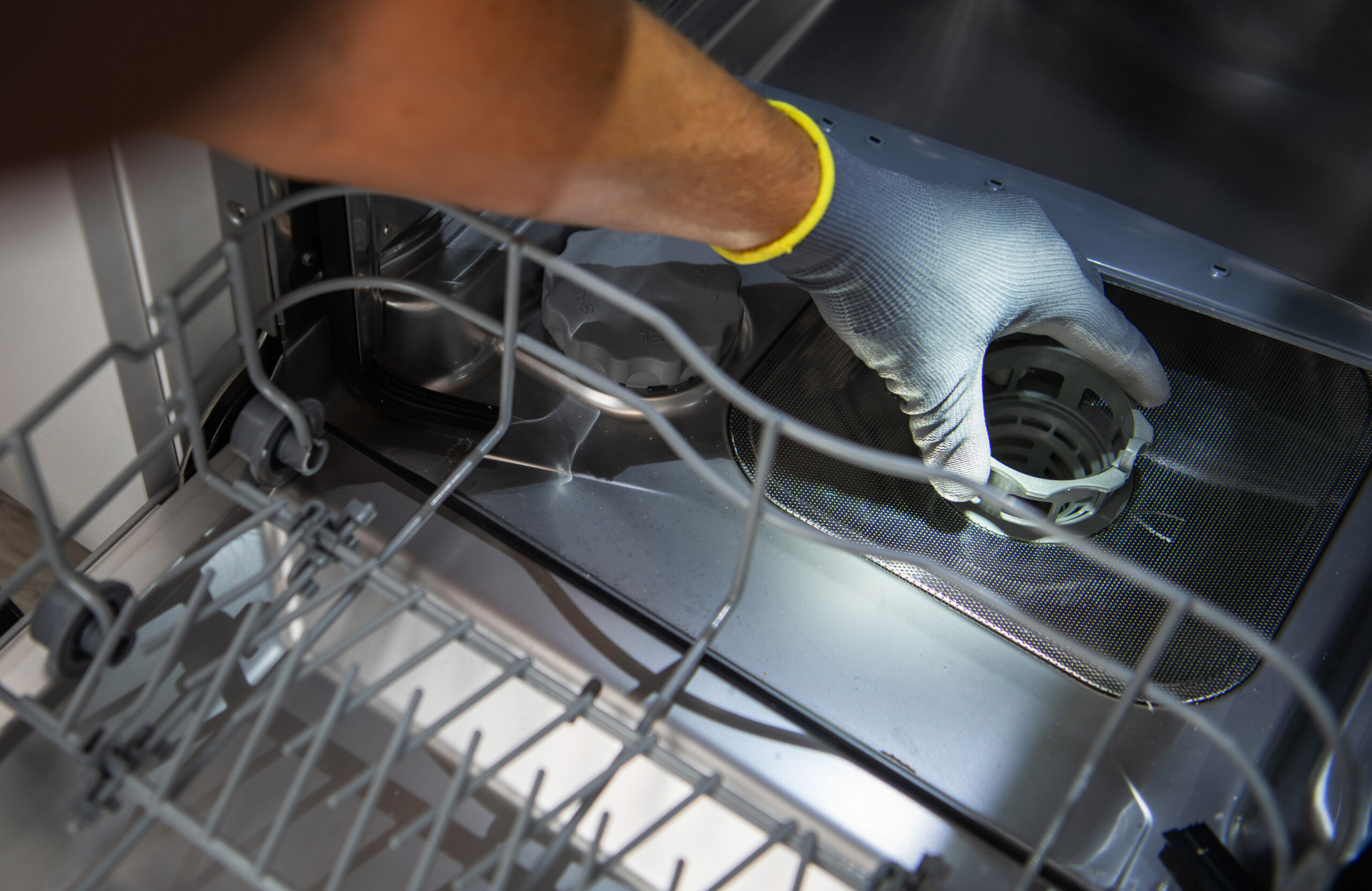
Dishwashers Don’t Need Regular Maintenance
Expert Advice:
- Clean the filter regularly to prevent food debris from blocking the drainage system. Many dishwashers have an easily removable filter that should be cleaned every few weeks.
- Check the spray arms for clogs and clean them with warm water and a soft brush to ensure that they’re working correctly.
- Run a cleaning cycle with a dishwasher cleaner every few months to remove buildup and keep your machine smelling fresh.
You Can Use Any Water Softener
Expert Advice:
- Use only dishwasher-specific water softeners to prevent damaging your machine.
- If your water is tough, consider installing a whole-house water softener for better results.
- Use a rinse aid alongside a water softener to prevent water spots and ensure a streak-free finish.
Dishwashers Don’t Clean the Inside of the Machine

It’s easy to assume dishwashers clean themselves, but the interior can accumulate grease, grime, and detergent residue.
This buildup can affect performance and cause odors. Without regular attention, your dishwasher may not be as clean as you think. her regularly with a damp cloth.
- Use dishwasher cleaner monthly to clean the machine’s interior and remove limescale buildup.
- Clean the drain and remove any debris that might accumulate over time to ensure proper drainage.
Conclusion
Dishwashers are essential in modern kitchens, but myths can lead to inefficient operation and costly mistakes. By following expert advice and debunking misconceptions, you can optimize performance, save energy, and extend your dishwasher’s lifespan.
Remember proper loading, detergent use, maintenance, and pre-rinsing to enjoy cleaner, more efficient dishwashing with every cycle.
By staying informed and making minor adjustments to how you use your dishwasher, you will improve cleaning results, reduce environmental impact, and save on utility bills.