


The post 8 Things Couples Married 40+ Years Finally Stopped Arguing About first appeared on Crafting Your Home.
Canned foods are a pantry staple for a reason: they are affordable, shelf-stable, and offer an effortless way to pull together a quick weeknight meal.
However, not all canned goods are created equal. Beyond the convenience, some canned items hide excessive sodium, refined sugars, artificial preservatives, or chemical linings like BPA that can compromise long-term health.
If you want to keep your pantry stocked with genuinely nourishing ingredients, here are nine canned foods you may want to reconsider before tossing into your grocery cart.
Canned Soups and Broths

While opening a can of soup on a chilly evening takes less than five minutes, most commercial canned soups are nutritional minefields.
They are notorious for containing staggering amounts of sodium, often packing over half of your recommended daily intake in a single small can, which can spike blood pressure.
Furthermore, many cream-based varieties rely on heavily processed vegetable oils, thickeners, and flavor enhancers to mimic homemade richness without providing real, wholesome nutrition.
Related: 5 Canned Foods Every Home Cook Should Have in Their Pantry
Canned Pasta in Tomato Sauce
A childhood comfort food for many, canned pasta products like spaghetti hoops or ravioli in sweet tomato sauce offer very little in the way of actual nutritional value.
The pasta is typically over-processed and turns mushy, while the “tomato” sauce is heavily loaded with high-fructose corn syrup, added sugars, and artificial flavorings to mask acidity.
Consuming these regularly causes rapid blood sugar spikes followed by an energy crash, offering empty calories instead of sustained fuel.
Related: 6 Essential Canned Foods Every Chef Swears By for Effortless Cooking
Canned Fruit Packed in Heavy Syrup
Fruit is naturally rich in vitamins and fiber, but canning it in heavy syrup completely undermines its health benefits. Peaches, pears, and fruit cocktails preserved in thick sugary syrups are stripped of their natural lightness and drenched in excess simple sugars.
Eating these regularly turns a healthy snack into a dessert-level sugar bomb, which contributes to weight gain, inflammation, and metabolic strain over time.
Canned Tuna in Oil
Tuna is an incredible source of lean protein and heart-healthy omega-3 fatty acids, but the liquid it is packed in matters immensely. While canned tuna packed in water is a clean protein source, varieties packed in vegetable or soybean oil absorb those refined, inflammatory oils.
Not only does this significantly increase the calorie count, but it also alters the beneficial fat ratio, introducing processed omega-6 oils that many modern diets already consume in excess.
Related: 15 Foods From the ’60s Most Boomers Loved With a Passion
Canned Baked Beans
A staple at barbecues and quick breakfasts, canned baked beans seem harmless, but their ingredient labels often tell a different story.
A single serving can contain up to four or five teaspoons of added sugar, often in the form of brown sugar or high-fructose corn syrup, alongside high levels of sodium and artificial thickeners.
While beans are inherently high in fiber and plant protein, these heavily processed canned versions counteract those benefits with a heavy dose of refined sweeteners.
Canned Ravioli and Meaty Pastas
Similar to canned vegetarian pastas, meat-filled canned options carry an even heavier burden of processing. The meat fillings used in canned ravioli or miniature meatballs are typically heavily ground scraps combined with textured vegetable protein, excessive sodium, and chemical preservatives to ensure shelf stability. The result is a heavily processed food product that lacks the nutritional integrity of fresh meat and whole grains.
Canned Condensed Milk
Sweetened condensed milk is a baking essential for certain desserts, but it is essentially just cow’s milk boiled down with massive amounts of added white sugar until it reaches a thick, syrupy consistency.
A single tablespoon contains a shocking amount of calories and sugar. Using it casually in everyday coffee or recipes can easily derail dietary goals, as it lacks the balanced macronutrients found in standard fresh dairy.
Canned Chili with Beans
Canned chili is a popular emergency pantry meal, but commercially produced varieties are often loaded with hidden pitfalls.
Beyond containing excessive sodium to preserve the meat and beans, they frequently rely on cheap fillers, modified food starches, excessive saturated fats from low-quality beef, and artificial smoke flavorings. Swapping these for a quick homemade bean chili gives you total control over the spice, salt, and fat content.
Related: 15 Poor People Foods That Even the Wealthy Eat
Canned Gravies and Cheese Sauces
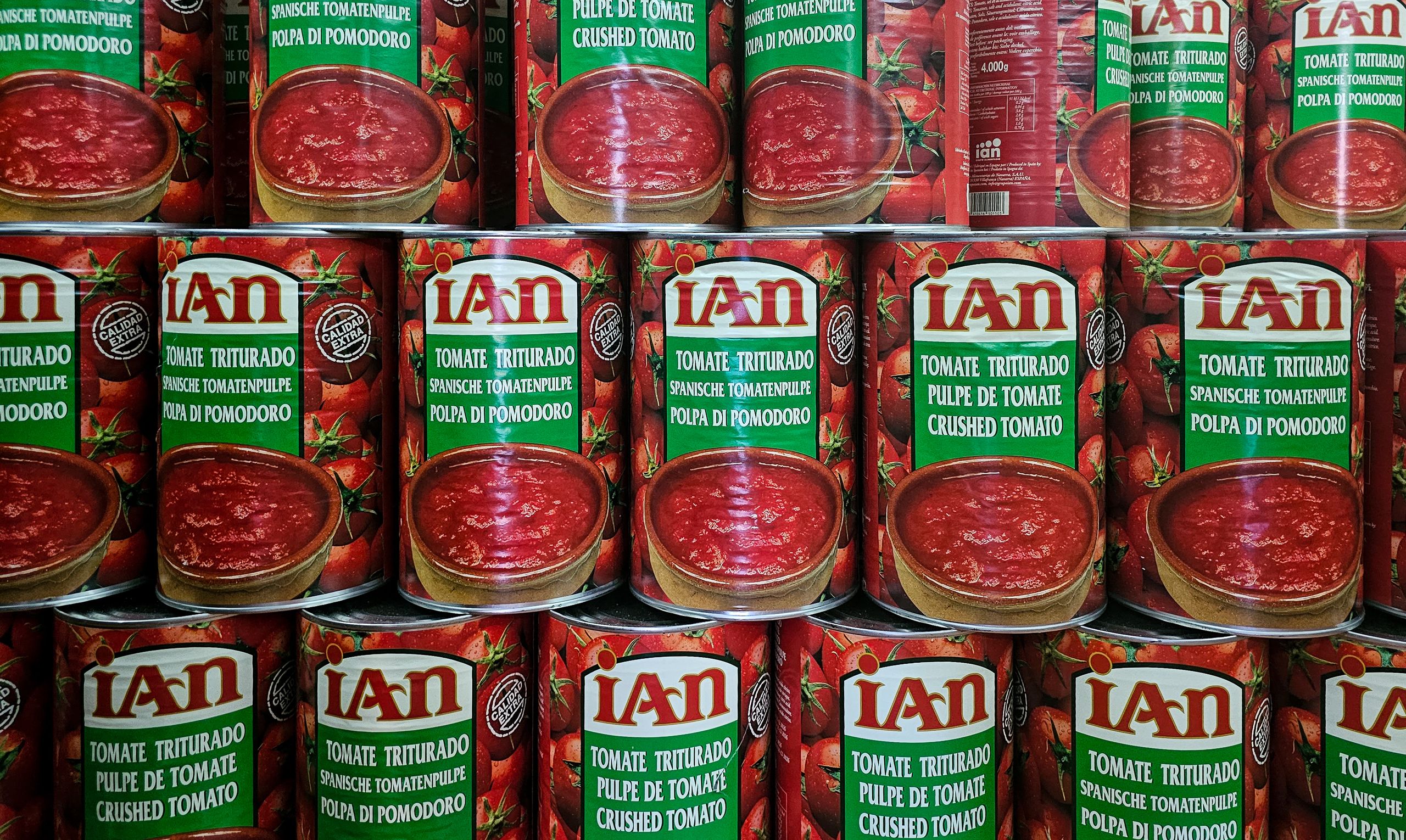
Whether it is canned turkey gravy or ready-to-heat nacho cheese sauce, these shelf-stable liquids rely on heavy chemical processing to remain smooth and pourable at room temperature.
They are typically built on a base of water, modified food starches, hydrogenated oils, artificial colorings, and staggering amounts of sodium.
Because they lack real dairy fats or authentic pan drippings, they offer zero nutritional substance while introducing heavily processed fats into your meal.
Conclusion
Convenience should never come at the total expense of your well-being. While you don’t need to banish every canned item from your kitchen, being selective about what you buy makes a massive difference.
Opting for low-sodium or water-packed versions, checking ingredient labels for hidden sugars, or taking a few extra minutes to make fresh alternatives can dramatically upgrade the nutritional quality of your everyday meals.
If you like what you just read, then subscribe to our newsletter and follow us on social media.


