


Cannabis remains one of the most widely used recreational and medicinal substances worldwide. Despite decades of research and evolving laws, myths and misconceptions continue to influence public opinion. Separating fact from fiction is crucial for users, policymakers, and healthcare professionals.
Here, we clarify nine persistent cannabis myths, drawing on contemporary science, health data, and regulatory insights.
Cannabis Leads to Criminal Behavior
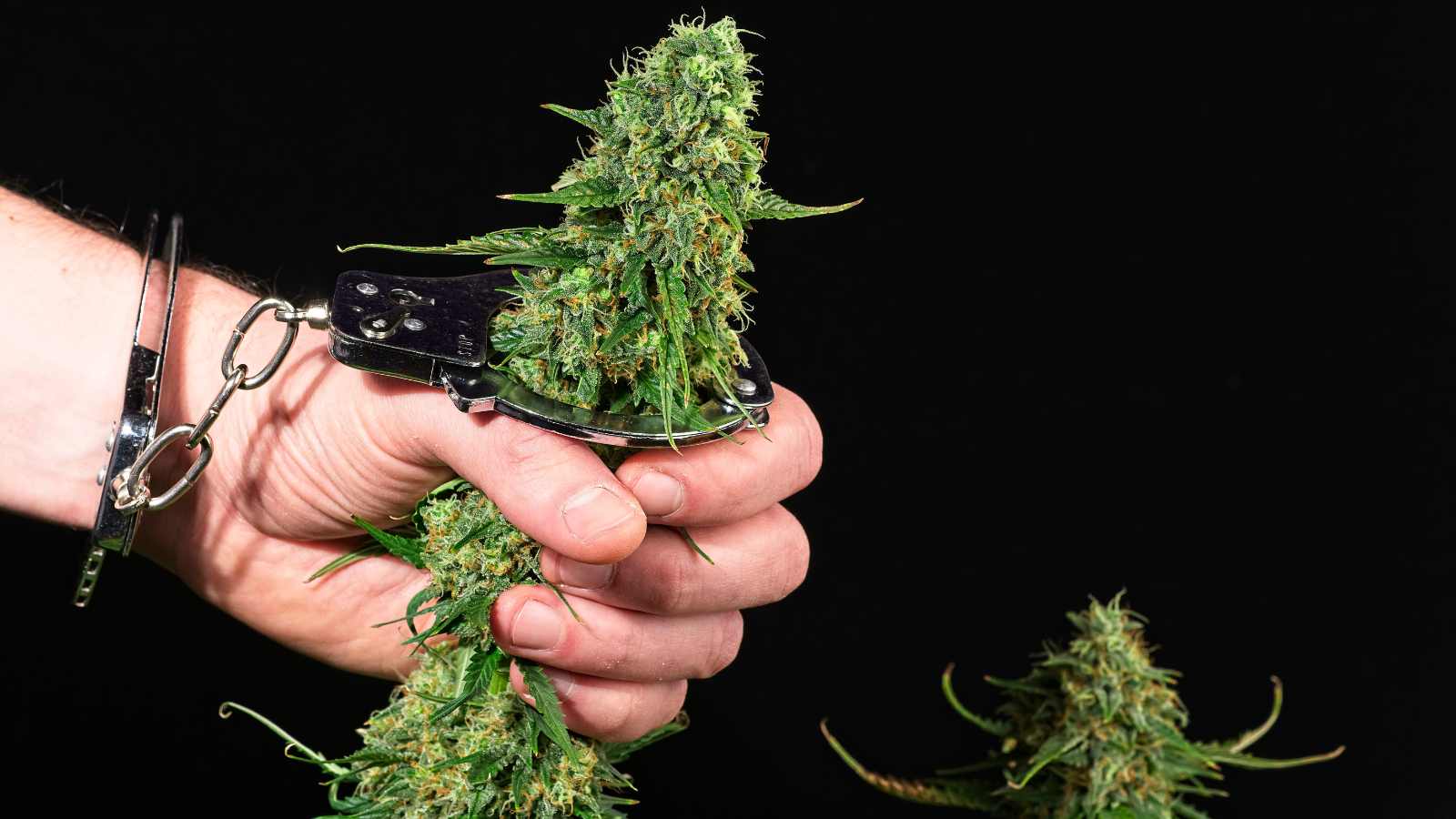
Cannabis has historically been associated with legal penalties, not violence. Empirical research indicates that cannabis may actually reduce aggression and does not causally increase criminal activity.
The “criminal” classification often results from legislation rather than behavioral tendencies. In jurisdictions with decriminalization or legalized access, rates of violent or property crime do not show significant increases attributable to cannabis consumption.
Cannabis Is More Damaging to Lungs Than Tobacco
Cannabis smoke contains irritants, but is generally consumed less frequently than tobacco. Unlike commercial cigarettes, cannabis lacks combustion additives and does not consistently correlate with chronic obstructive pulmonary disease (COPD) or emphysema in moderate users.
Heavy inhalation may cause temporary bronchial irritation, but epidemiological studies fail to demonstrate a strong causal link to long-term pulmonary disease.
Cannabis Is Highly Addictive
Cannabis can lead to dependence in a minority of regular users, characterized by difficulty stopping despite negative consequences. The estimated prevalence of cannabis use disorder is below 10% of users, and physical withdrawal symptoms are typically mild.
Psychological dependence may occur due to habitual use or lifestyle integration, rather than the pharmacological properties alone. Responsible consumption and gradual cessation strategies mitigate most risk.
Cannabis Reduces Motivation and Causes Apathy
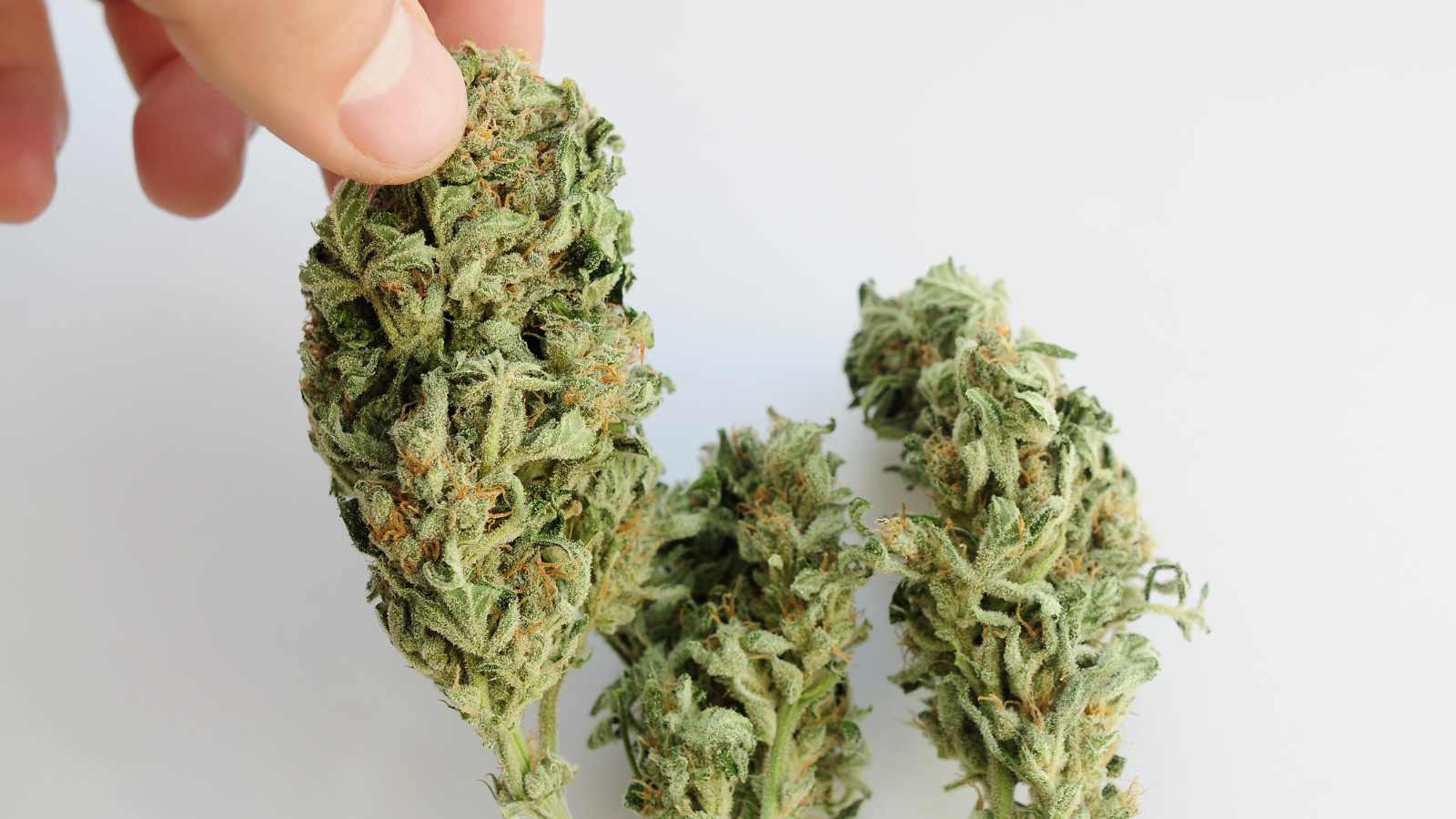
Controlled studies on daily or high-dose users show mixed outcomes, with no consistent evidence that cannabis inherently decreases motivation or productivity. Some longitudinal studies even suggest that recreational users can achieve similar or higher occupational success compared with non-users.
Apathy is more commonly observed in polydrug use or extreme, prolonged consumption, rather than moderate cannabis use alone.
Cannabis Causes Permanent Memory Loss and Intelligence Decline
Acute cannabis use can temporarily impair short-term memory and learning due to THC’s interaction with cannabinoid receptors in the hippocampus. Long-term, well-controlled studies indicate that occasional adult use does not cause permanent reductions in intelligence or memory capacity.
The greatest cognitive concern arises with early, heavy, and chronic adolescent use, which may alter neurodevelopmental trajectories, affecting executive function and attention.
Cannabis Is a Gateway Drug
Statistical associations between cannabis use and subsequent use of other illicit substances exist, but causation is not established. Many users never progress to harder drugs
Socioeconomic, environmental, and personality factors better predict progression than cannabis use alone. For most individuals, cannabis serves as a terminal recreational drug rather than a gateway to addiction to substances like opioids or hallucinogens.
THC Stores in Fat and Keeps You High for Weeks

It is true that tetrahydrocannabinol (THC), the primary psychoactive compound in cannabis, is lipid-soluble and can accumulate in fat tissues. However, its psychoactive effects do not persist once metabolized.
Detection of THC metabolites in urine or blood does not indicate ongoing intoxication or impairment. Studies confirm that residual THC in fat is biologically inert for most users and poses no long-term cognitive or physiological risk.
Cannabis Is Scientifically Proven Harmful
Cannabis has not been conclusively proven to be harmful for occasional adult use. Peer-reviewed literature demonstrates that, unlike tobacco or alcohol, moderate cannabis consumption does not reliably produce systemic organ damage.
However, chronic heavy use, especially through inhalation methods, may impact respiratory health or exacerbate psychiatric vulnerabilities in susceptible individuals. The risk profile varies by age, dose, potency, and mode of administration.
Cannabis Kills Brain Cells
THC affects neuronal signaling temporarily but does not induce widespread neuronal death. Neuroimaging and postmortem studies show no conclusive evidence of cannabis-induced neuronal loss in humans.
Adverse psychological reactions, such as anxiety, paranoia, or transient psychosis, are generally reversible and dose-dependent. Extremely high or chronic exposure in rare cases may precipitate toxic psychosis, but this is atypical and not exclusive to cannabis.
Conclusion
Contemporary evidence supports a nuanced understanding of cannabis. It is neither an inherently benign recreational substance nor a universally dangerous drug. Risks and benefits depend on user characteristics, frequency of use, product potency, and method of use.
Recognizing persistent myths, such as claims about irreversible cognitive decline, gateway potential, or extreme addictiveness, enables more informed decisions. Policy, medical guidance, and personal choices should be rooted in scientific evidence, not historical misconceptions or sensationalized anecdotes.


