8 Weirdest and Most Frightening Beaks in the Bird World
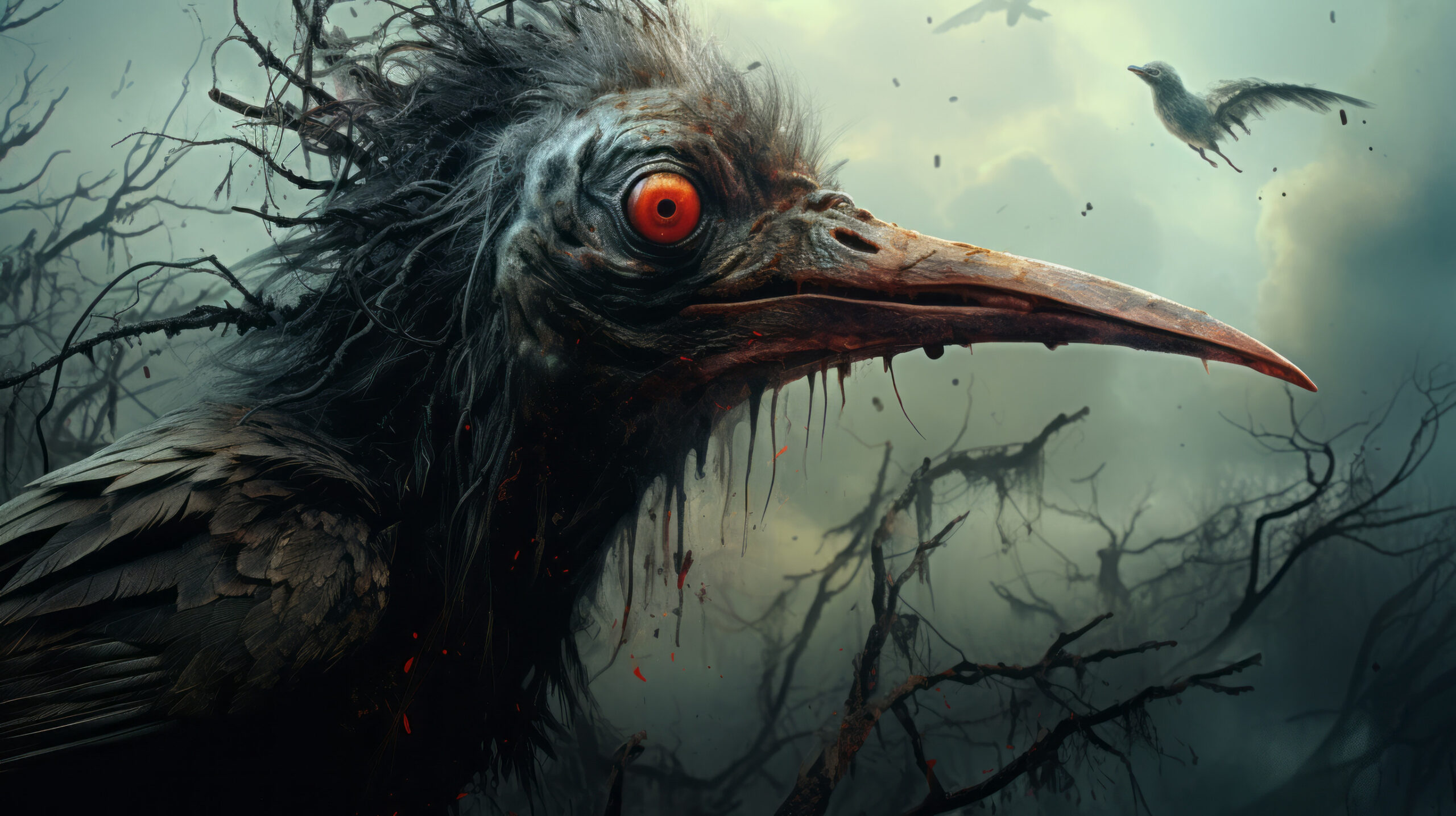
Birds come in all shapes and sizes, but one of the most fascinating features is their beaks. These evolutionary marvels serve many functions, from tearing apart prey to probing for food. But some beaks are downright strange, eerie, or downright frightening, often designed for very specific and sometimes terrifying purposes.
Let’s dive into some of the weirdest and most frightening beaks in the bird world, where form truly follows function in the most bizarre ways!
The Harpy Eagle

When you think of a bird of prey, the harpy eagle immediately comes to mind. With its massive size and powerful talons, this eagle is a true apex predator. But what really sets it apart is its beak, an enormous, hooked structure that can tear through the toughest of flesh.
This bird uses its beak to swiftly dispatch prey like monkeys, sloths, and other forest creatures. Its beak, combined with its sharp talons, is designed for gripping, tearing, and even dismembering. The sheer power and size of this beak make the harpy eagle one of the most intimidating birds on the planet.
The Shoebill Stork
The shoebill stork, also known as the “Billy the Big Mouth,” boasts one of the strangest beaks in the bird kingdom. Resembling a large,heavy wooden shoe, this bird’s beak can grow up to 9.4 inches (24 cm) in length. It is wide and flattened, and its sharp edges make it incredibly efficient at catching and swallowing fish, frogs, and even small reptiles.
The shoebill’s beak looks almost prehistoric, adding to its intimidating appearance. With its cold, calculating stare, this bird’s beak makes it look like a terrifying relic from another age.
The Hornbill
The hornbill’s beak is a spectacle to behold. Large, heavy, and curved, it looks almost comical until you realize its true purpose. The beak is used to catch prey, break open fruit, and defend its territory. But what makes this bird even more menacing is the casque, an additional structure atop its beak that is often brightly colored or horn-like.
This casque gives the hornbill a prehistoric look, and in some species, the size and shape of the casque are linked to sexual selection, adding an extra layer of intimidation. When a hornbill takes flight, the sight of that large, curved beak and the helmet-like casque can be quite unsettling.
The Great Horned Owl
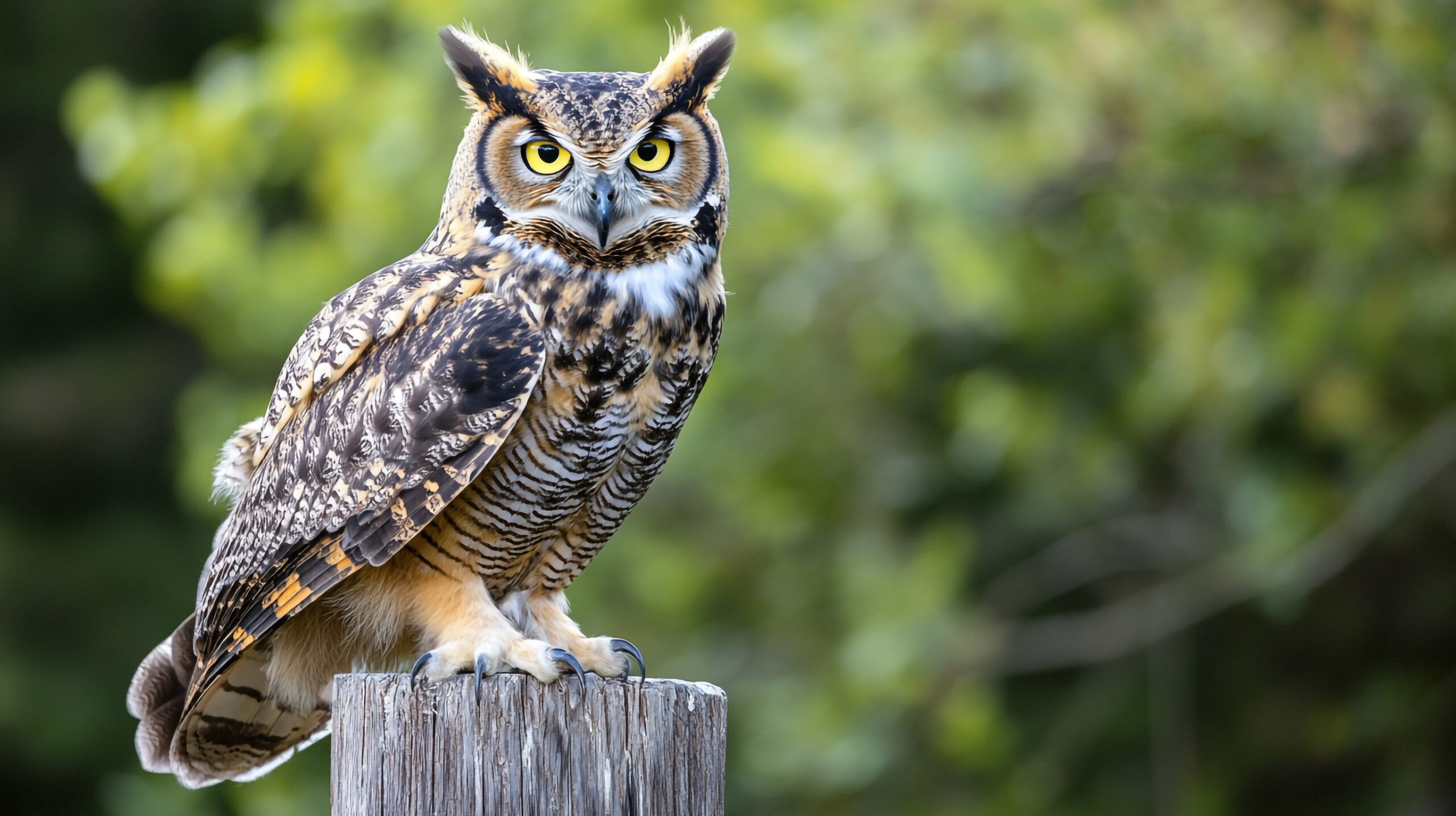
The scarlet ibis, a bird known for its vibrant red feathers, also has one of the most distinctive beaks in the bird world. Its long, downward-curved beak looks like a sharp scythe, perfect for probing in mud and water for crabs, shrimp, and other small creatures. Though it may appear graceful in flight, the scarlet ibis’s beak is a tool of efficiency, allowing it to sift through the wetland habitats with precision.
This unique and slightly menacing beak, paired with the bird’s intense red plumage, gives it an otherworldly presence.
The Kakapo
The Macaw
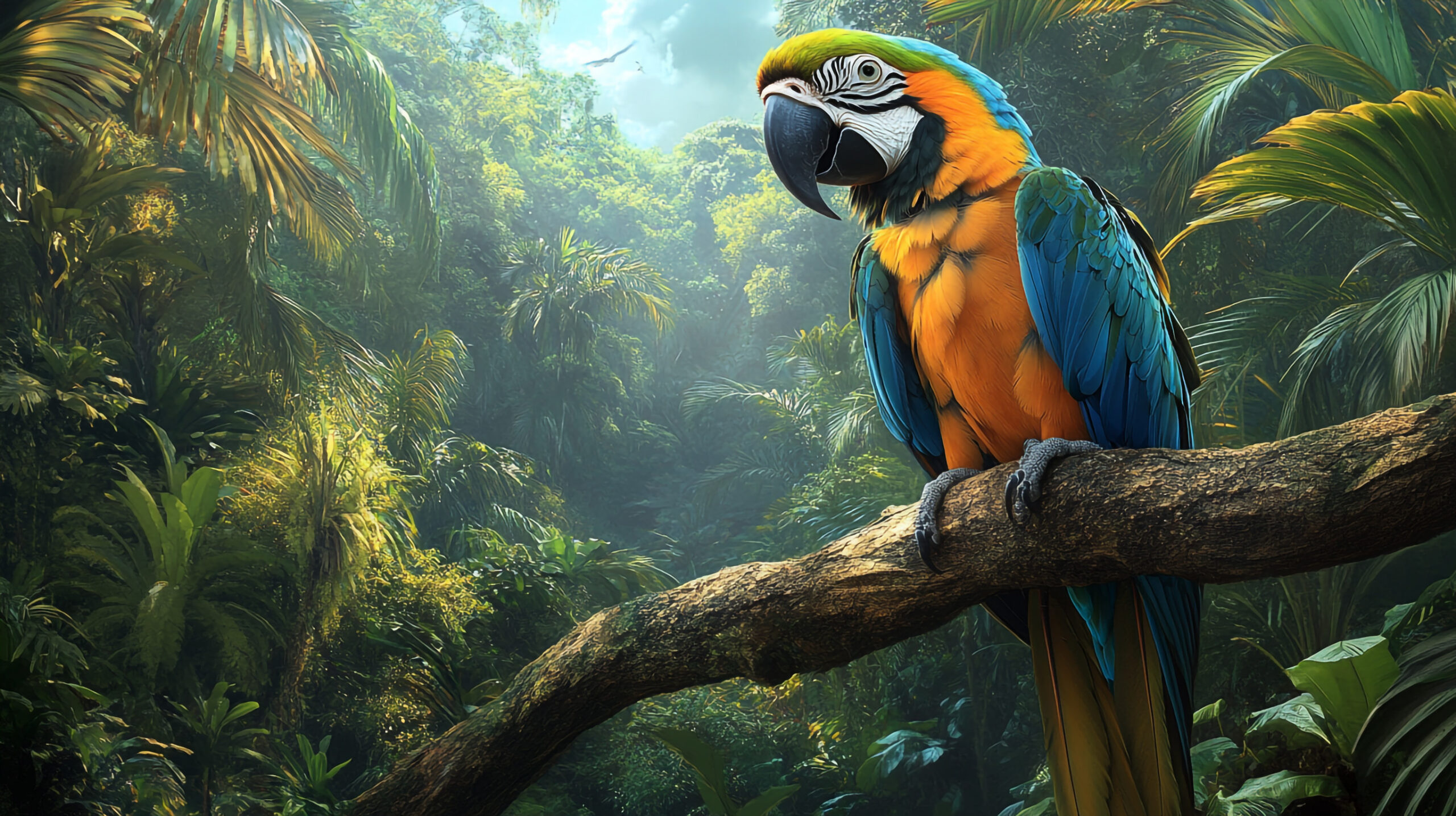
Macaws are known for their bright colors and playful personalities, but don’t let their vibrant feathers fool you. They possess one of the most powerful beaks in the bird world. Their massive, hooked beaks are capable of cracking open hard nuts and seeds, and they can easily bite through wood.
With the strength to crush bone, macaws are capable of defending themselves fiercely when threatened. The sharpness and power of their beaks can cause quite a bit of damage if a macaw ever feels cornered.
The Bearded Vulture
The bearded vulture, or lammergeier, has one of the most unique beaks in the bird world, adapted specifically for its diet. Known for eating bones, this vulture has a large, powerful beak capable of crushing the toughest of bones. The bearded vulture will often drop bones from great heights to break them open, allowing it to consume the marrow inside.
Its beak is designed to deliver an incredible amount of force, making it both a terrifying and fascinating bird of prey.
Conclusion
The diversity and functionality of bird beaks are truly mind-blowing. Whether they’re designed to crush bones, probe for food, or tear through flesh, these beaks represent some of the most specialized adaptations in the animal kingdom. From the intimidating hook of the harpy eagle to the scythe-like curve of the scarlet ibis, these birds remind us that nature’s designs are often as strange as they are beautiful.
So, the next time you see a bird with an unusually shaped beak, remember it’s likely the result of millions of years of evolution, perfectly tailored to its environment and survival.