


At first glance, a sprawling McMansion can seem like the ultimate status symbol, with its grand entryways, endless rooms, and show-stopping features. However, for many homeowners, these oversized properties are quietly becoming money pits, draining their savings and adding stress rather than comfort. Beyond the impressive curb appeal lies a web of financial surprises that most buyers never fully anticipate.
Understanding these hidden pressures can save owners from costly regrets. Many older and newer McMansion owners are realizing that what once felt like a dream home is increasingly a long-term financial burden. From high upkeep costs to unexpected market vulnerabilities, these properties demand constant attention and cash.
Here’s a breakdown of the ways McMansions can quietly become financial nightmares for their owners.
Skyrocketing Maintenance Costs

The larger the house, the more it costs to maintain. Expansive roofs, sprawling lawns, multiple bathrooms, and luxury finishes all require frequent upkeep. Every year, minor repairs can quickly add up to thousands of dollars, and ignoring them risks bigger, more expensive problems down the line.
Many owners underestimate just how much of their budget must go toward keeping a massive home in good condition. Even basic services like cleaning, landscaping, and pool maintenance become significant recurring expenses.
What initially seemed manageable can spiral into a monthly financial strain, leaving homeowners questioning whether the prestige of a large property outweighs the constant financial drain.
Difficult Resale in Shifting Markets
Despite their visual appeal, McMansions are not always easy to sell. Trends are shifting toward smaller, more efficient homes, and buyers may shy away from properties with excessive upkeep or outdated layouts. Sellers can face long listing periods, price reductions, or even struggle to recoup the original investment.
Utility Bills That Never Stop Rising
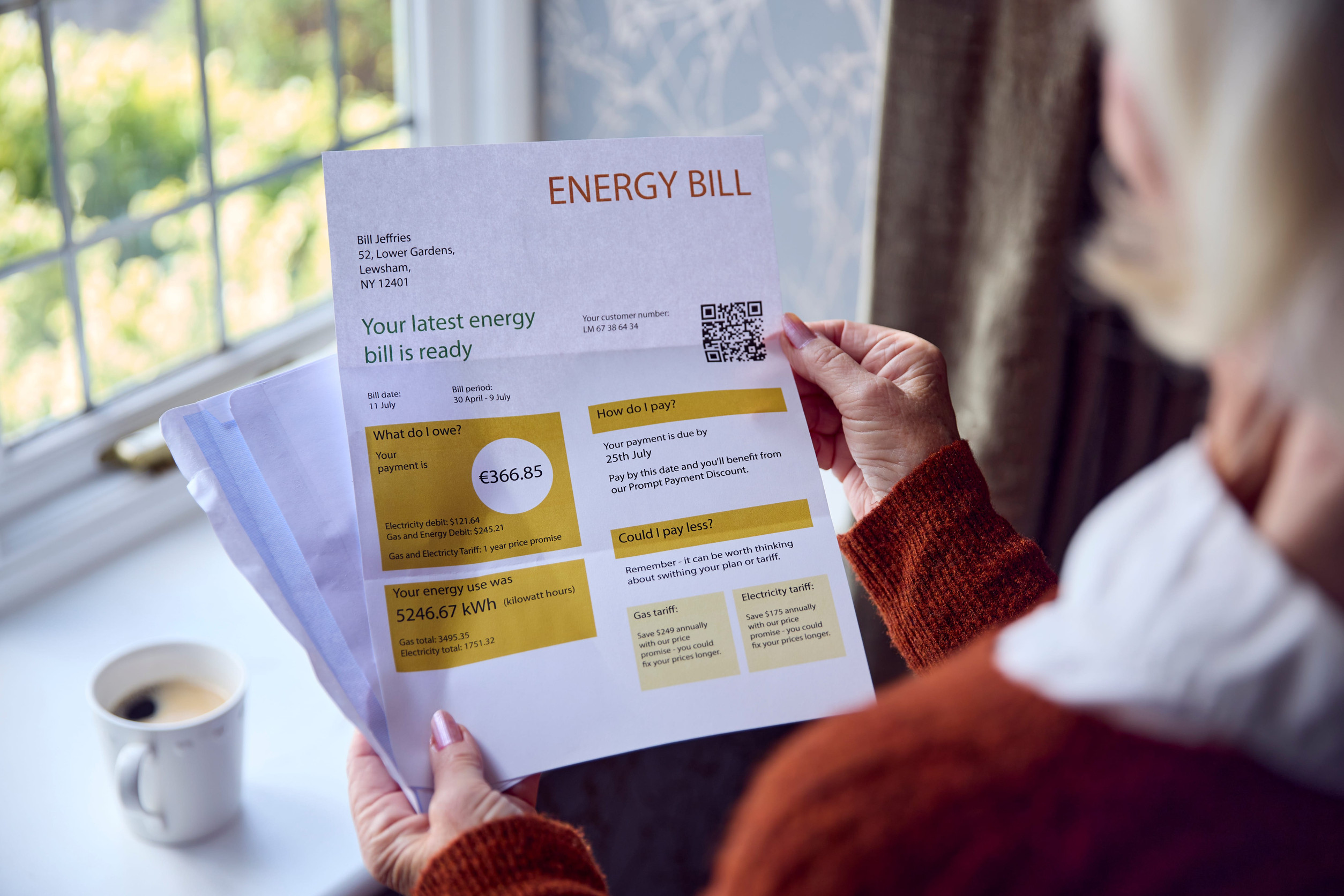
Heating, cooling, and lighting a McMansion can feel like trying to power a small office. With hundreds of square feet to heat or cool, energy bills can climb quickly, especially in older or inefficiently designed homes. Winter and summer months bring the harshest shocks, with utility bills sometimes doubling or tripling that of a standard-sized house.
Escalating Property Taxes
Large properties almost always carry higher property taxes. Municipalities assess property taxes based on square footage, lot size, and amenities, so a McMansion owner might be paying tens of thousands more per year than a modest house owner. Unexpected reassessments or rate hikes can intensify this burden, squeezing budgets in ways new buyers rarely anticipate.
Insurance Premiums That Shock
Insuring a massive home with luxury features is expensive. Roofs, pools, extensive landscaping, and specialty finishes all increase liability and replacement costs. Insurers often charge premiums that reflect potential payouts, meaning a single claim or natural disaster could drastically raise rates.
High Renovation Costs

Updating a McMansion is not like renovating a typical home. Expansive kitchens, multiple bathrooms, and custom features require more materials and labor, often resulting in exponentially higher costs. Even cosmetic changes like flooring or paint can become multi-thousand-dollar projects.
Hidden Structural and Design Flaws
Many McMansions were built quickly during boom periods, and some corners were cut. Structural issues, inefficient layouts, or low-quality materials can surface years later, leaving homeowners facing expensive fixes. From plumbing and wiring to foundation and roof problems, these hidden flaws can turn unexpected repair bills into a serious financial burden.
Emotional Stress and Lifestyle Trade-offs

Finally, the sheer scale of a McMansion can create lifestyle stress. The time, money, and energy required to maintain it often distract from other priorities like travel, hobbies, or family experiences. The pressure to keep the home pristine can lead to anxiety and resentment, subtly eroding the joy a home is supposed to provide.
Conclusion
Owning a McMansion might initially feel like the pinnacle of success, but the combination of maintenance, utilities, taxes, insurance, renovation needs, and emotional strain can quietly turn it into a financial and lifestyle nightmare.
Buyers and current owners alike should consider these factors carefully and assess whether the lifestyle matches their long-term goals. A grand home may signal achievement, but it also carries burdens that are easy to underestimate and hard to escape.


