8 Vegetables That Nobody Wants to Eat, Ranked
We’ve all been therensitting at the dinner table, staring down a plate of vegetables you’d rather not touch. From soggy, overcooked greens to the mysterious textures of certain root vegetables, some veggies have gained a reputation for being less than desirable. But why is it that some vegetables make our taste buds recoil while others get all the love?
Let’s explore the eight vegetables that most people avoid, and why they might not be as bad as they seem.
Brussels Sprouts

Brussels sprouts. These little cabbage-like orbs have been the target of countless dinner table protests. Whether they’re boiled to mush or burned in the oven, Brussels sprouts have developed a notorious reputation.
The bitter taste and strong aroma, especially when overcooked, leave many scrambling for something else to eat.
Why They’re Hated:
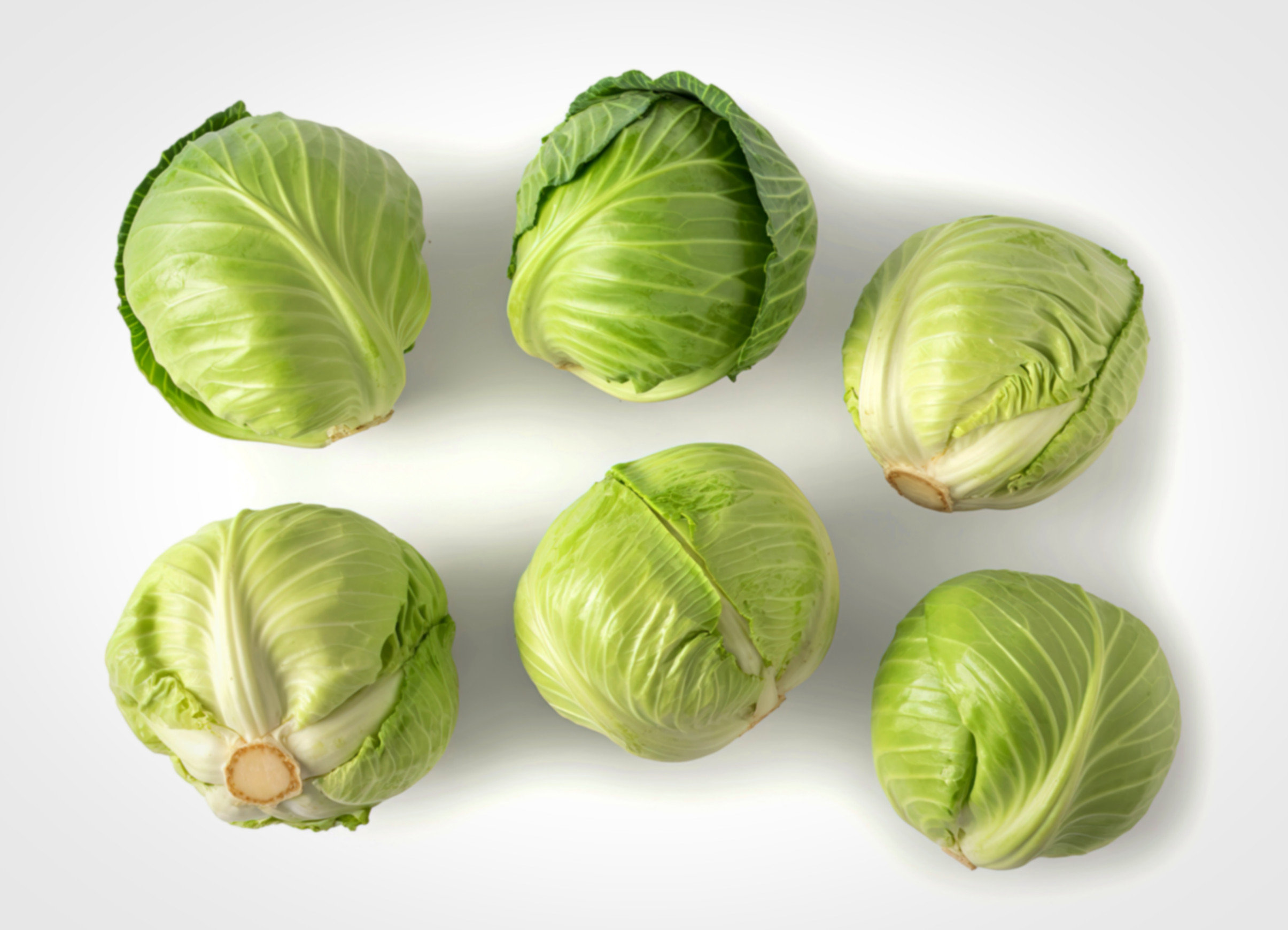
Cabbage
Why They’re Hated:
Cabbage has a strong, somewhat sulfuric smell when overcooked, and its dense, leafy texture can be off-putting if it’s not cooked properly. Many people associate it with bland, boiled dishes or overly greasy stir-fries, giving cabbage a bad reputation.
However, when sautéed or stir-fried, cabbage can be a delicious, crunchy, and flavorful vegetable that pairs well with a variety of dishes.
Kale
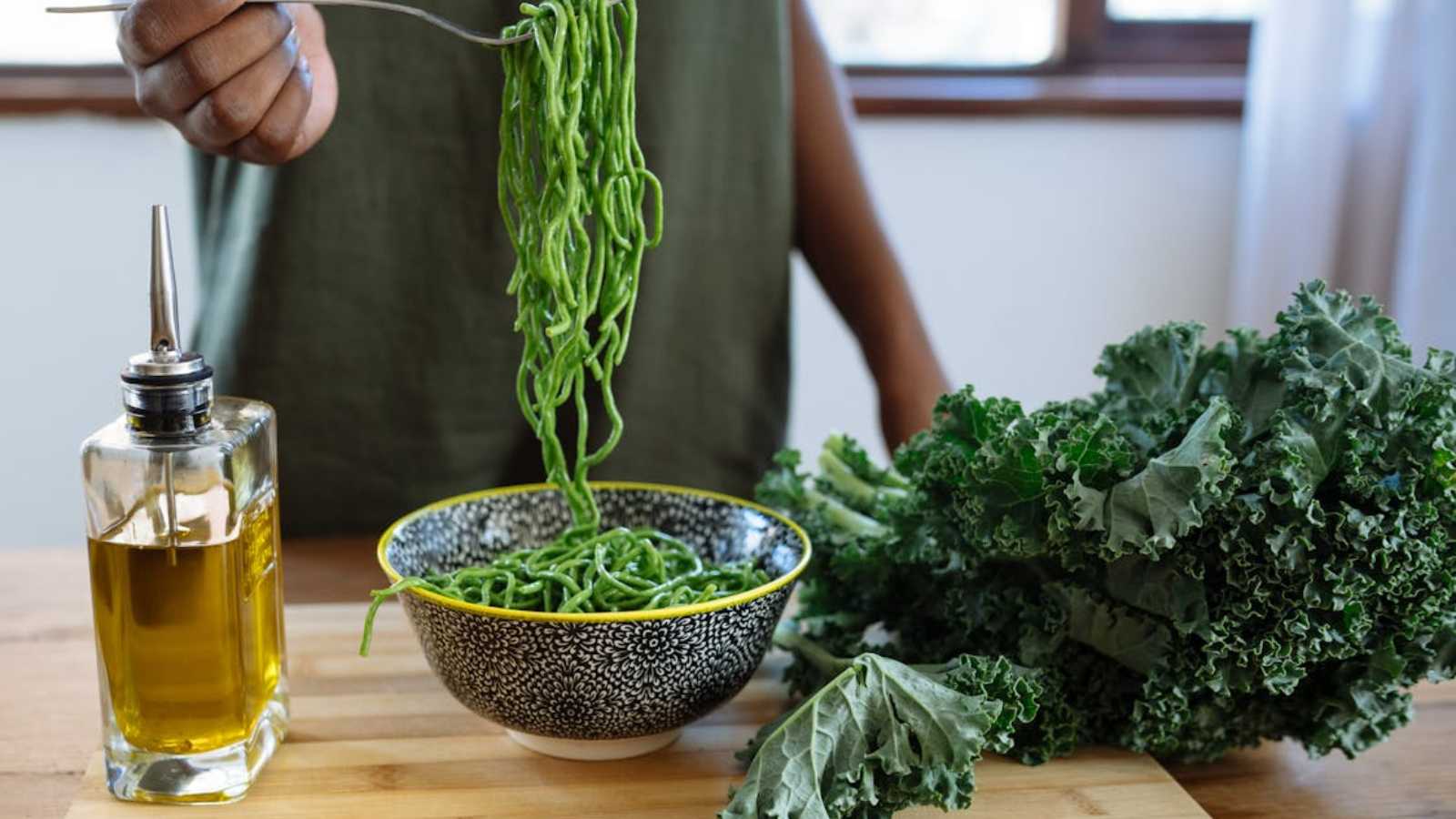
Why They’re Hated:
Kale’s thick, tough leaves make it difficult to eat unless it’s been prepared to soften the texture, like massaging it with olive oil or sautéing it. Raw kale in salads can be off-putting for some, especially if it’s too bitter or tough to chew.
While kale chips have become a trendy alternative, their health benefits often don’t outweigh the textural challenge for many.
Turnips
Why They’re Hated:
Beets
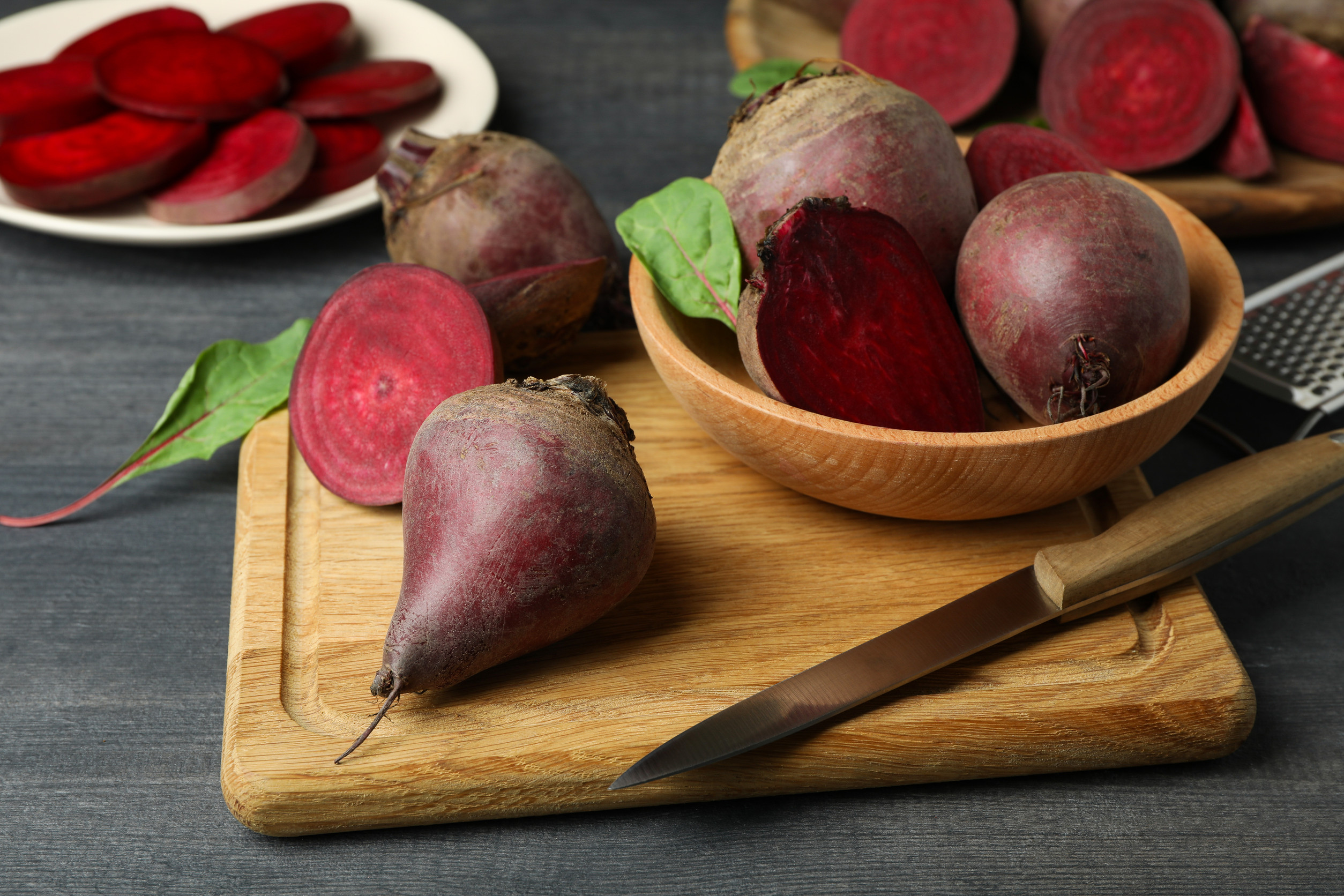
Why They’re Hated:
Beets have a strong, earthy flavor that can be overwhelming for some. The texture, too, can be divisive. Whether roasted, pickled, or boiled, beets tend to have a very distinctive taste that doesn’t sit well with everyone.
Add to that the fact that they stain everything, and it’s no wonder that many avoid them. However, roasted beets can develop a sweetness that transforms them into a delicious addition to salads and even juices.
Celery
Why They’re Hated:
Celery’s water-dense structure can leave it feeling soggy and unappealing. Its mild flavor doesn’t really pack a punch, making it feel like a filler that doesn’t contribute much to the overall taste. While it’s great for adding crunch to salads or for dipping in peanut butter, it’s not a veggie most people crave on its own.
If prepared right, however, celery can add a refreshing crunch to a dish or provide a wonderful base flavor in soups and stews.
Eggplant
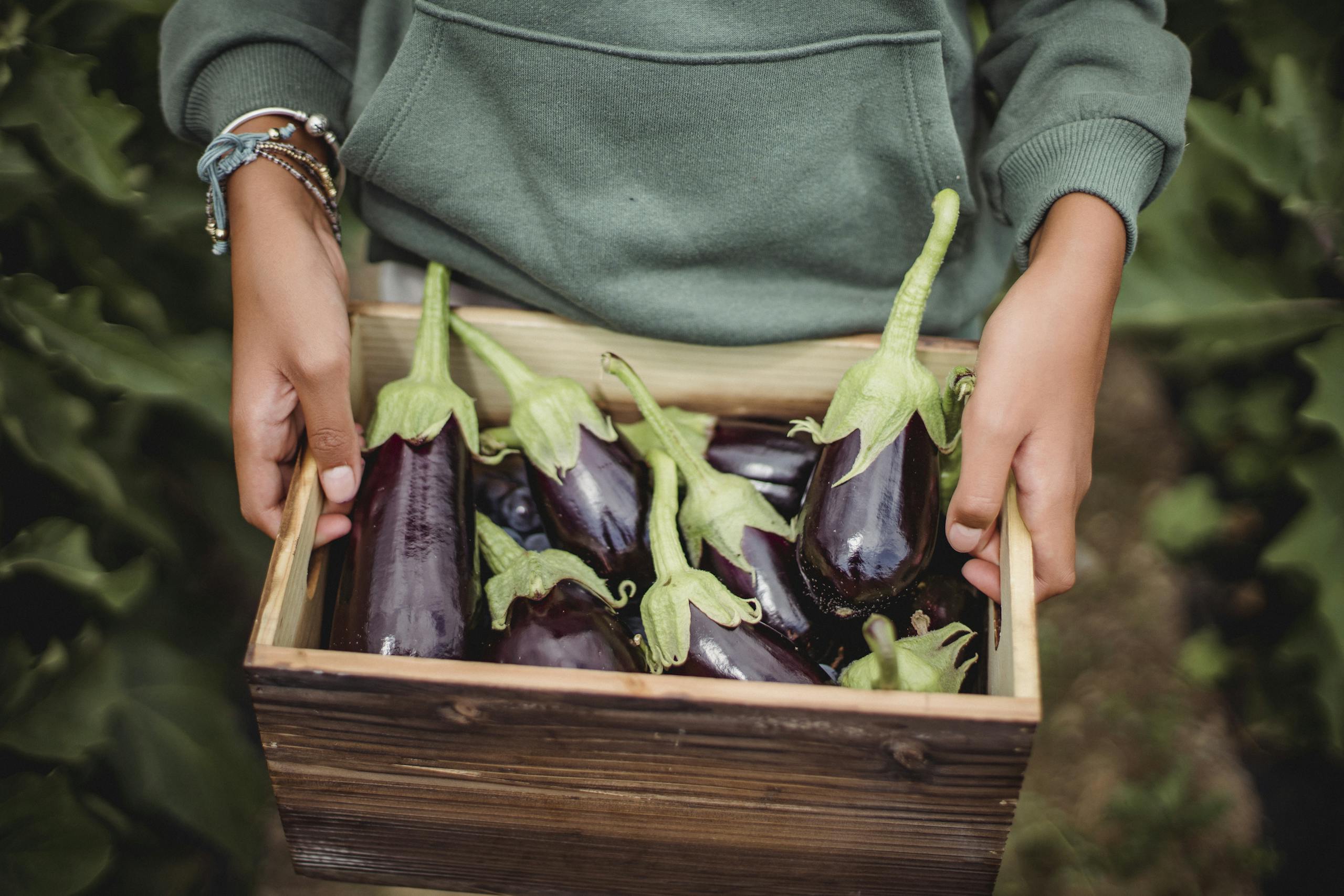
Why They’re Hated:
Eggplant has a distinct, somewhat bitter taste, especially if it’s not properly cooked or seasoned. The spongy texture makes it difficult to enjoy, and the vegetable can absorb way too much oil when fried. On top of that, its skin can be tough and unappetizing.
That said, eggplant shines when grilled, roasted, or used in Mediterranean and Asian dishes, where its unique texture and flavor can really come through.
Okra
Why They’re Hated:
The “slime” factor is the primary reason people avoid okra. When cooked, the pods release a mucilaginous substance that gives the vegetable its distinctive, slippery texture. This can make eating unpleasant.
However, this sliminess can be controlled by cooking okra properly, such as frying or grilling, so it becomes much more palatable.
Conclusion
While these vegetables might have a reputation for being the least appealing, the truth is that with the right preparation and seasoning, they can become some of the most flavorful and satisfying dishes. The key lies in experimenting with different cooking techniques, from roasting and grilling to adding bold spices and seasonings.
Don’t let their initial appearance or reputation fool you; these veggies just need a little love and creativity to make them the star of your next meal. Give them a shot, you might just be surprised at how delicious they can be.
Read the original Crafting Your Home.