8 Unseen Realities of Aging
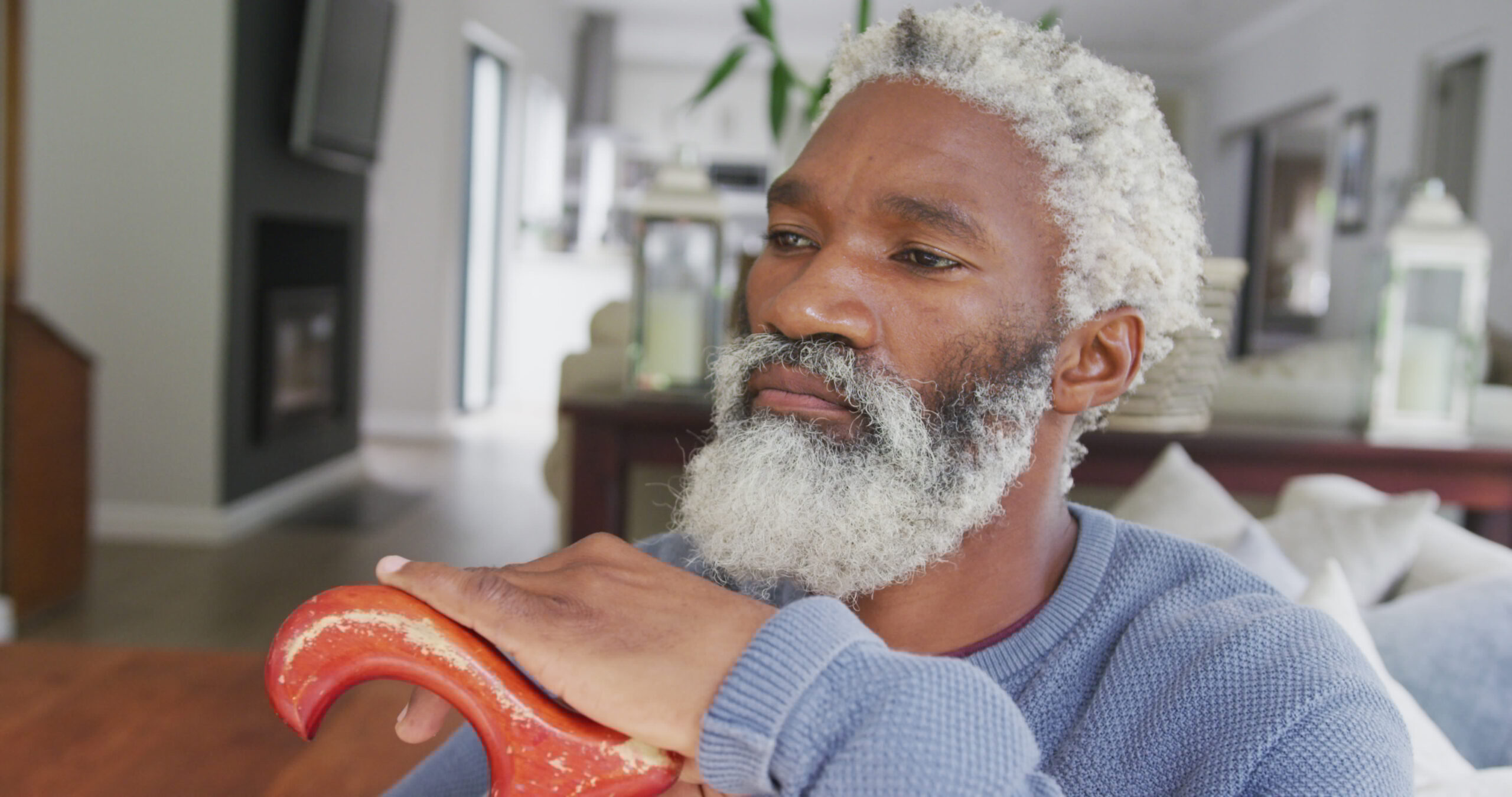
Aging, while a natural part of life, often comes with unexpected challenges and realizations. Many people envision growing older as a slow process, filled with peaceful moments and quiet wisdom.
However, the reality of aging is far more complex. It’s a journey that can often feel like navigating through uncharted waters, one filled with truths that nobody prepares you for. From facing the emotional upheaval of seeing your parents grow frail, to confronting your own body’s unrelenting physical changes, the truth is that aging isn’t as smooth as we might hope.
In this article, we explore eight uncomfortable truths about aging that most people don’t talk about but that everyone must eventually face. These revelations are not designed to discourage, but rather to offer a more authentic and holistic understanding of what it means to age.
Your Parents Become the Children
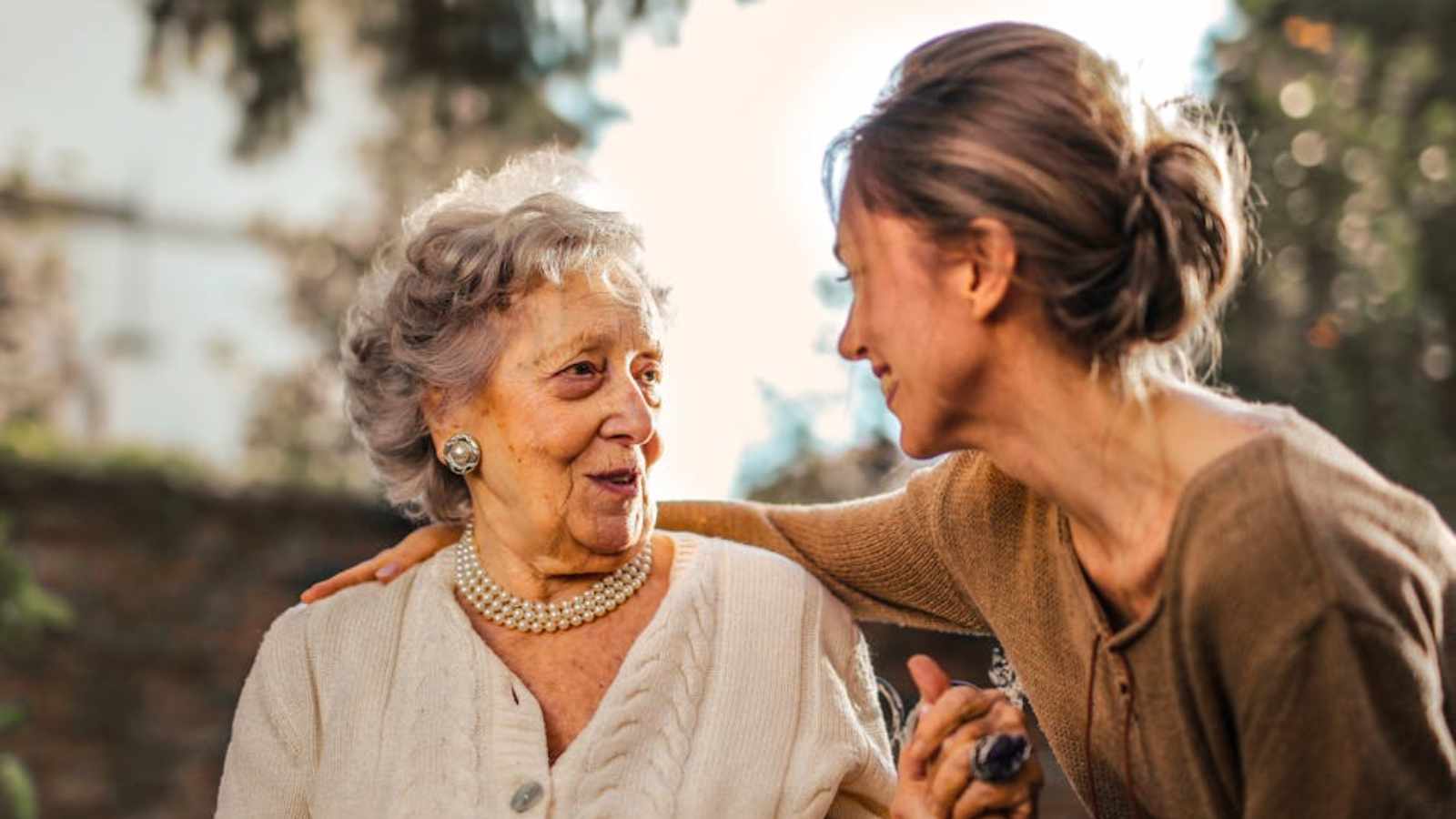
When you’re young, your parents are the ones guiding you through life, offering advice and protection. But as you age, there’s an unsettling shift. Your once-vibrant parents may begin to rely on you for decisions, care, and even emotional support. This reversal of roles is difficult to comprehend at first, especially when you find yourself coordinating medical treatments or even managing their financial affairs.
Friendships Require Effort, Not Spontaneity
Making friends in adulthood is often far from organic. Unlike the carefree days of childhood, where friendships formed through shared experiences or proximity, adult friendships require intentionality. Whether it’s joining clubs, attending social events, or merely reaching out for a coffee date, maintaining connections demands consistent effort.
Your Body Starts Keeping Score

Every choice you make with your body starts to accumulate, and not always in the ways you might expect. The back pain from slouching at your desk for years, the knee that aches from an old sports injury, or the joint discomfort after years of physical exertion, they all become reminders of your past decisions.
However, it’s not all doom and gloom. While your body may present you with more frequent aches, it also holds within it an incredible record of your life. Those scars, aches, and pains tell the story of how you’ve lived, what you’ve overcome, and the strength you’ve built.
Success Feels Different Than You Expected
In youth, we often chase the idea of success, whether it’s a promotion, a high salary, or social recognition. However, once these milestones are achieved, they may not bring the satisfaction we anticipated. Success, in adulthood, tends to shift from external markers to internal fulfillment.
Time Becomes Your Most Valuable Resource
When you’re young, time seems limitless. But as you age, the stark reality sets in: there are fewer days ahead than behind. Time becomes a precious commodity, and you begin to evaluate how you spend each moment.
Your Past Self Becomes a Stranger
Aging isn’t just about the changes in your body; it’s also about coming to terms with who you used to be. As you look back on your younger self, you may find that the person you once were feels distant. Whether it’s viewing old photos or revisiting old journals, your past self may feel like a stranger to you, someone you barely recognize.
The Mirror Reflects a Time Traveler
It’s a strange experience when you look in the mirror and realize you’ve become a blend of your younger self and your parents. Whether it’s the way your face has changed or the small gestures you make that echo those of a parent, the reflection staring back at you often feels like a time machine, one that shows not only who you’ve become but who you once were.
Letting Go Becomes a Complex Emotional Process

As you grow older, letting go becomes both easier and harder. On one hand, you start to care less about trivial matters, things that used to cause you stress or frustration no longer seem as important. But on the other hand, the things you hold on to become increasingly significant, and the process of letting go of certain dreams, people, or even past versions of yourself becomes more complex.
Conclusion
Aging is not just about growing older; it’s about evolving, adapting, and learning to embrace the uncomfortable truths that come with time. These realities may feel overwhelming at times, but they offer invaluable lessons in resilience, growth, and self-awareness. By acknowledging these truths, we make the process of aging a little less daunting and perhaps a little more meaningful.
As we navigate this journey, it’s important to remember that aging is not just about what we lose, but also about what we gain: insights, wisdom, and the ability to appreciate life on a deeper level. Let’s embrace the changes and make the most of the years ahead, one uncomfortable truth at a time.