
The post 8 Things Your Grandparents Did Every Winter That Still Make Sense Today first appeared on Crafting Your Home
Many grandparents made winter look simple. The house stayed warm, the pantry was stocked, the car was ready, and the family somehow had what it needed before the first snowstorm.
Behind that calm routine was practical wisdom. They understood that winter problems are easier to prevent than repair. Many of their habits still make sense today. In fact, modern safety and energy experts recommend versions of the very things grandparents did decades ago.
They Sealed Every Draft
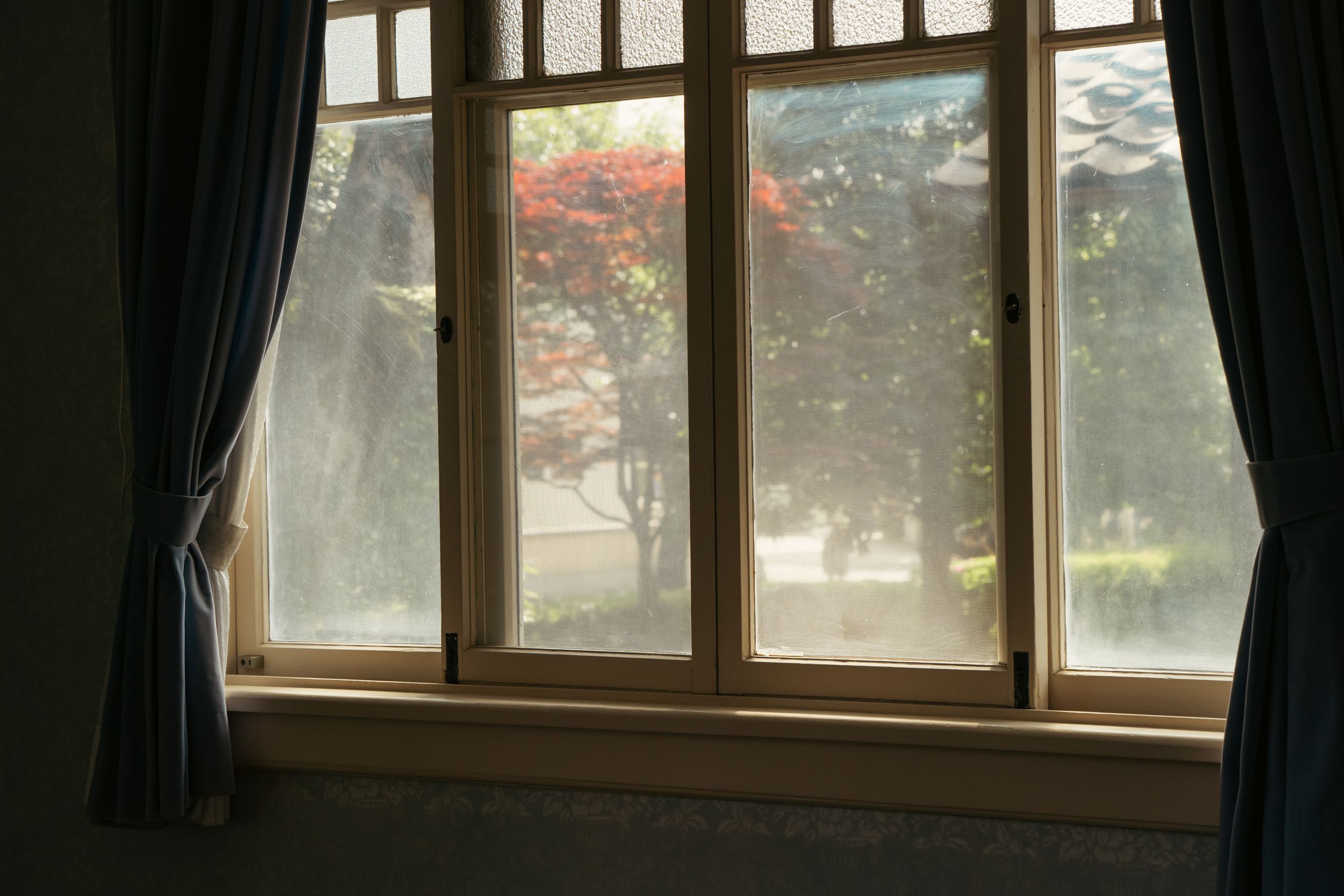
Grandparents knew that cold air finds the smallest opening. They used weatherstripping, caulk, rolled towels, or heavy curtains to keep drafts from creeping through windows and doors.
That habit still saves money. The U.S. Department of Energy recommends sealing gaps around windows, doors, and vents with weatherstripping or caulking, and using draft stoppers at the base of doors.
A drafty home is not just uncomfortable. It forces the heating system to work harder.
They Changed the Furnace Filter
That advice remains sound. ENERGY STAR recommends checking the furnace filter and changing it if it looks dirty, and replacing it at least every three months.
A clogged filter restricts airflow, makes the system work harder, and can raise heating costs. Keeping vents clear of furniture and curtains also helps warm air circulate. This five-minute task can make the whole house feel warmer.
Related:If You Grew Up With These 8 Winter Traditions, Your Family Did Something Right
They Prepared for Power Outages
They Kept the Car Winter-Ready
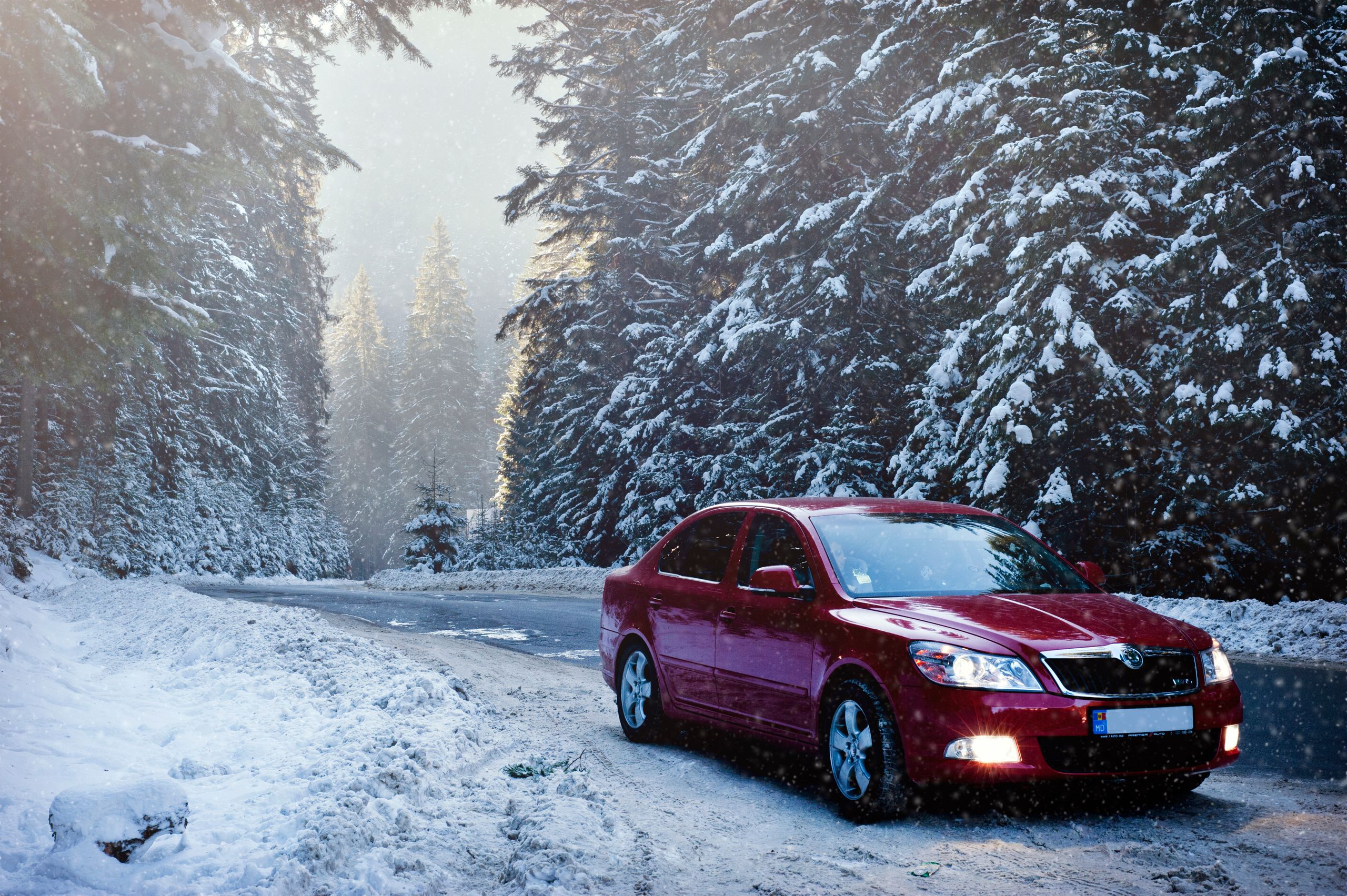
Modern guidance says the same.
Ready.gov recommends a car emergency kit with jumper cables, sand, a flashlight, warm clothes, blankets, bottled water, and non-perishable snacks.
It also recommends keeping the gas tank full during winter. This provides fuel for heat if you are stranded and reduces the chance of fuel-line problems in extreme cold.
They Protected Pipes From Freezing
A burst pipe can cause major damage, so grandparents took freezing weather seriously. They disconnected garden hoses, drained outdoor faucets, and kept the house from getting too cold.
Those steps are still essential.Ready.gov recommends learning how to keep pipes from freezing before winter weather arrives.
Insulating exposed pipes, sealing gaps where cold air enters, and keeping the thermostat at a safe temperature can all reduce the risk.
A few minutes of prevention can prevent thousands of dollars in water damage.
Related:If Your Mom Kept These 9 Things in the Pantry All Winter, She Was Always Prepared
They Tested Smoke and Carbon Monoxide Detectors
Winter means more time indoors, more heating and more use of fireplaces, furnaces and space heaters. Grandparents understood that safety equipment needed attention before the cold season began.
Today, experts recommend installing and testing smoke alarms and carbon monoxide detectors with battery backups. If you use a fireplace, wood stove, or kerosene heater, a carbon monoxide detector is especially important because the gas is odorless and dangerous.
Test detectors monthly and replace batteries as needed.
They Kept Walkways Safe
Grandparents did not wait for someone to slip before dealing with ice. They shoveled early, spread salt or sand, and kept steps and walkways manageable.
That habit still protects both family members and visitors. Winter preparedness guidance recommends keeping rock salt, sand, snow shovels, and other removal equipment on hand.
Clear walkways reduce fall risk, especially for older adults and children. Keeping steps, handrails, and outdoor paths safe is one of the simplest ways to prevent a winter injury.