


Walmart is still one of America’s biggest shopping habits. Millions of people walk through its doors because they want groceries, school supplies, pet food, medicine, clothes, and last-minute birthday candles without having to visit five different stores. That kind of convenience is powerful, and Walmart’s reach is almost impossible to ignore.
Its U.S. business remains massive, with thousands of stores across the country and annual sales of hundreds of billions. Still, size does not erase frustration. For many shoppers, the weekly Walmart run has started to feel less like a bargain hunt and more like a test of patience.
Critics say the problem is not one single issue. It is a pileup of small annoyances that turn a simple errand into a long, confusing, and sometimes exhausting trip.
Self-checkout makes shoppers feel like unpaid employees.
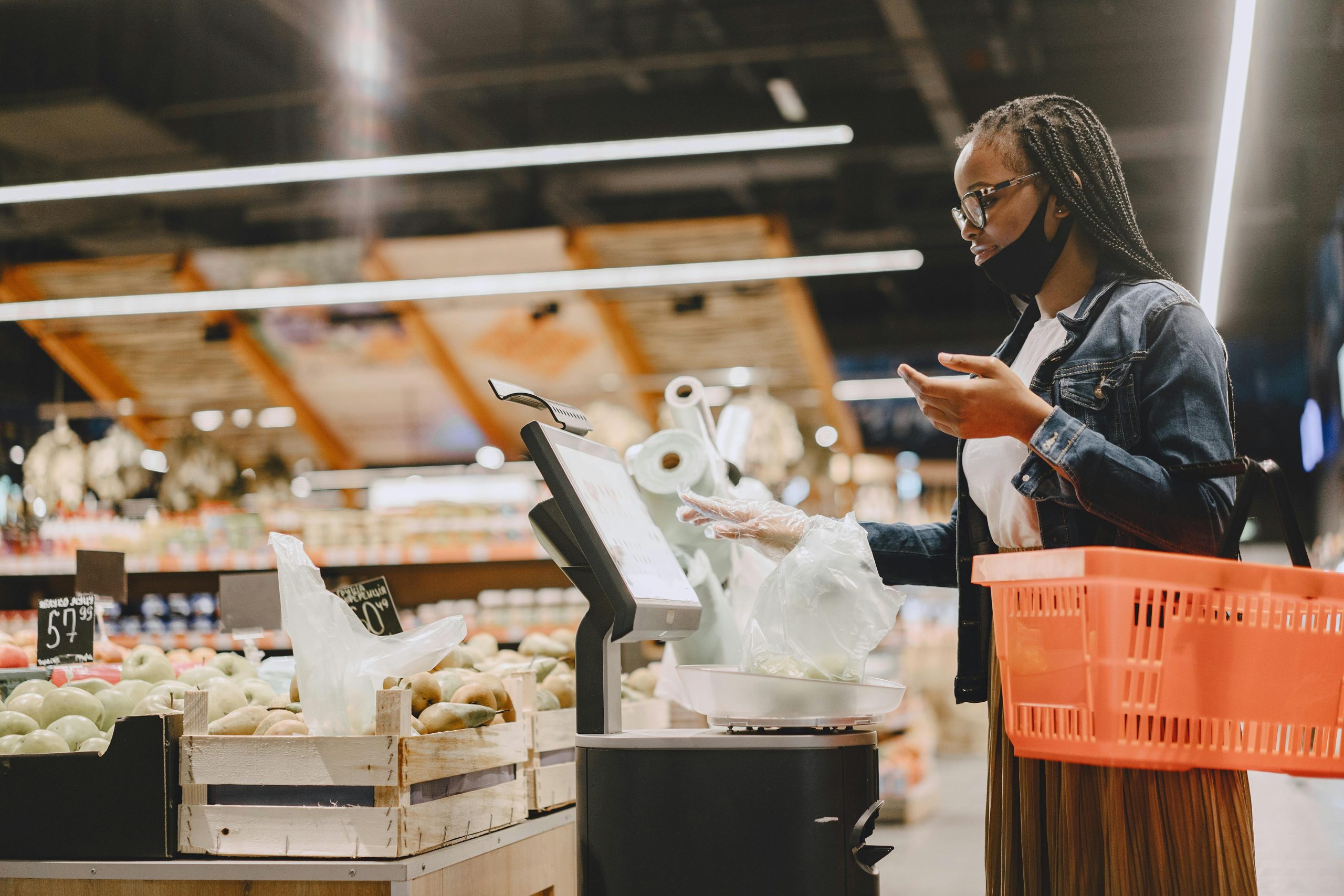
Self-checkout was once sold as freedom. Scan your items, bag your groceries, pay, and leave without waiting behind someone buying a cart full of canned soup. That sounded great until shoppers realized they were doing the work themselves, often with a machine that freezes, misreads produce, or calls for help after every third item.
Critics say Walmart’s push for self-checkout made shopping feel less personal and more like a chore. CBS News reported that Walmart and other major retailers have scaled back self-checkout in some locations amid concerns about theft and customer complaints. That says a lot.
When shoppers are expected to scan, bag, troubleshoot, and still wait for an associate to approve basic purchases, the “faster” lane can feel slower than the old-fashioned register. Critics argue that customers do not mind technology when it helps. They mind when it quietly shifts the labor onto them.
Long checkout lines make low prices feel less worth it
People will tolerate a lot for a good price, but long lines can kill the joy of saving a few dollars. A shopper may walk in happy after finding a cheaper cart of groceries, then leave irritated after spending 20 minutes trying to pay. Critics say this is where Walmart sometimes loses the emotional bargain.
The receipt may look good, but the experience feels expensive in time, stress, and patience. This matters because customers compare Walmart with delivery apps, warehouse clubs, discount grocers, and smaller stores that may feel easier to navigate.
If a shopper can get in and out faster somewhere else, Walmart’s price advantage has to work harder. A store can advertise everyday low prices all day long, but a tired parent with frozen food melting in the cart remembers the line more than the savings.
Digital shelf labels make some shoppers nervous about prices
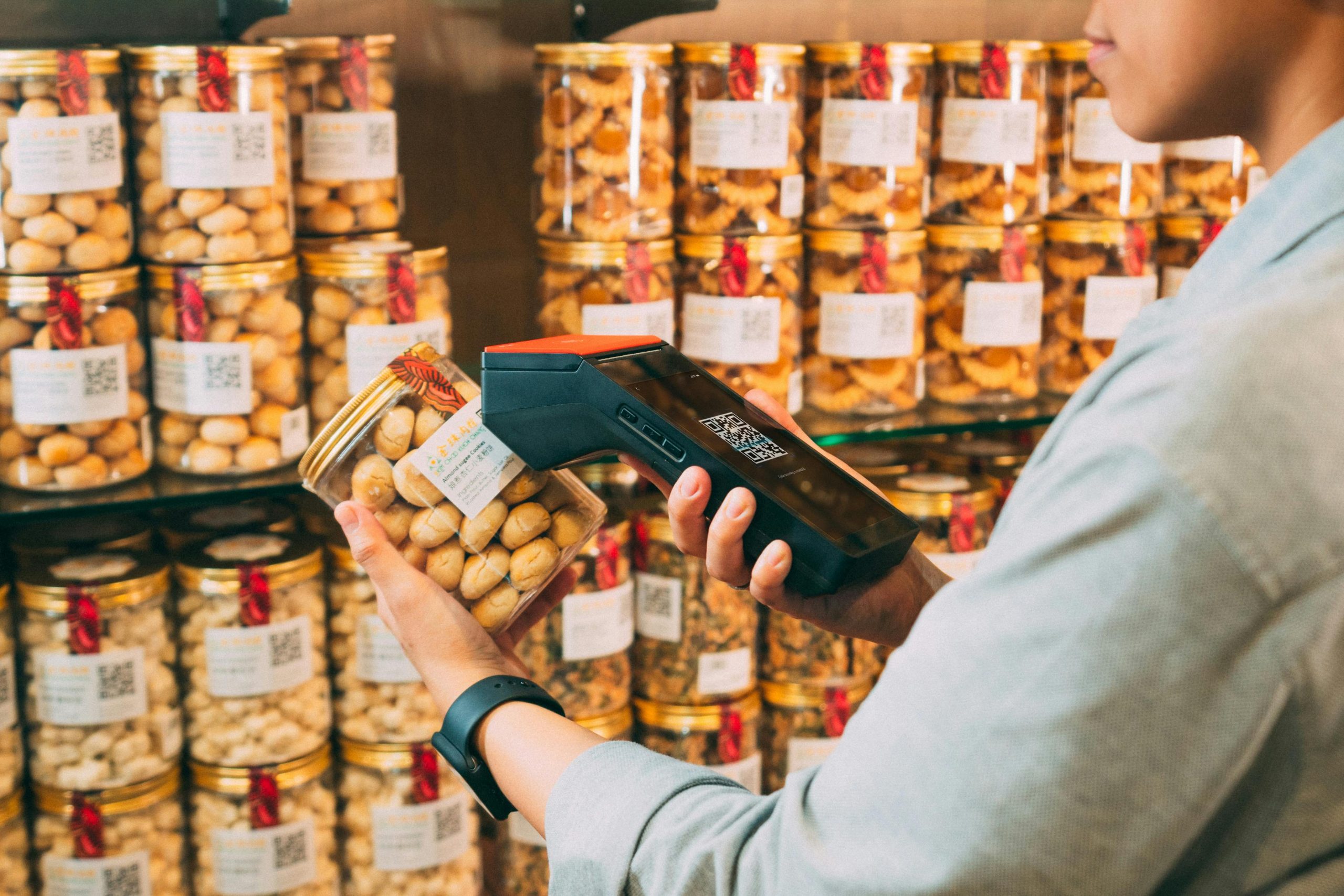
Walmart says digital shelf labels help workers update prices faster, keep shelves accurate, and support online order fulfillment. The company has said thousands of stores are already using the technology, with wider rollout expected. On paper, that sounds efficient.
In the aisle, some shoppers see little screens on shelves and wonder if prices can change too easily. Reuters reported that Walmart said it had no plans for sudden hour-by-hour surge pricing. Even so, critics say the fear goes beyond one company’s statement.
After years of inflation, customers are already suspicious of price changes. If a shelf label can be updated in minutes, shoppers want strong confidence that the price they saw is the price they will pay. For Walmart, the technology may be smart. For skeptical customers, it can feel like one more reason to check the receipt.
Locked cases turn quick errands into waiting games
Few things frustrate shoppers faster than finding the product they need locked behind glass. Razor blades, cosmetics, baby formula, electronics, laundry items, and personal care products are often protected in some stores because of theft concerns.
Critics understand that retailers want to prevent losses, but they argue that the customer experience suffers when buying toothpaste feels like requesting access to a jewelry counter. The real problem is the wait. A shopper presses a button, looks around for an employee, waits, asks another worker, waits again, and sometimes gives up.
That turns a five-minute errand into a small negotiation. Critics say locked cases may protect products, but they can also push honest customers toward online ordering, Target, Costco, Amazon, or a local store where basic items are easier to grab.
Marketplace shopping can make returns feel confusing.
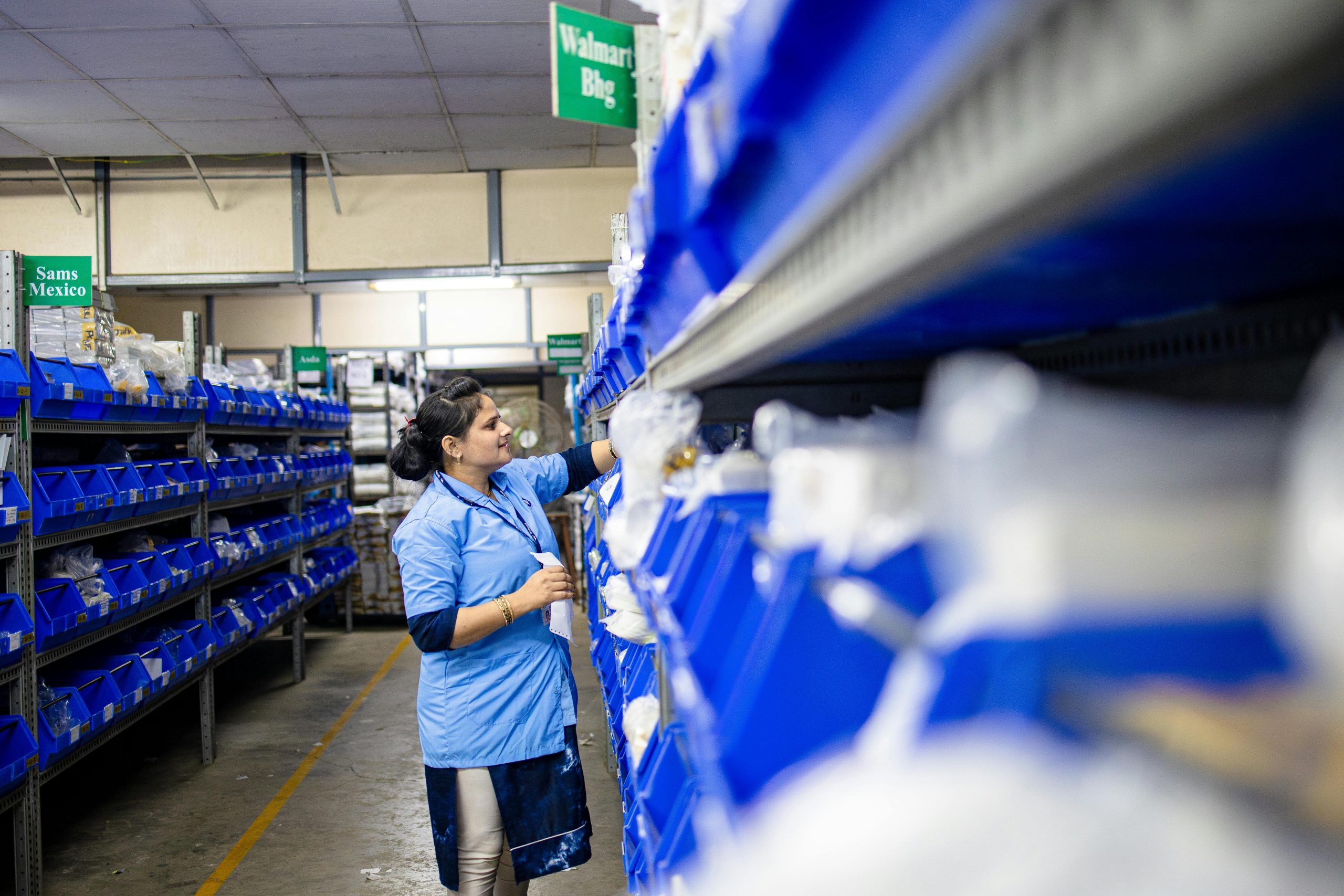
Walmart.com is no longer just Walmart. It also includes marketplace sellers, which can make the online shopping experience feel less straightforward than walking into a store. A customer may buy something on the Walmart website, only to discover different return rules depending on who sold and shipped the product.
Walmart’s policy gives most items a 90-day return window, but marketplace items may have different timelines. Critics say that such fine print can erode trust. Shoppers often assume “bought at Walmart” means “returnable to Walmart without drama.”
When the process involves seller rules, shorter windows, or extra steps, frustration builds quickly. Online convenience only works when the customer feels protected. If shoppers have to study return policy details before buying a toaster, the easy Walmart promise starts to feel less easy.
Store clutter and thin staffing make the trip feel tiring.
A huge store can be a blessing when everything is stocked and easy to find. It can feel like a maze when aisles are crowd