


The post 8 Things Designers and Organizers Say Don’t Belong in a Bedroom first appeared on Crafting Your Home.
A bedroom does not need to be perfectly minimalist to feel comfortable. But according to interior designers and professional organizers, some items can make the room feel more cluttered, distracting, or difficult to keep organized.
The bedroom often has to do several jobs at once: sleeping, getting dressed, reading, relaxing, and storing clothes. That can make it tempting to use every available corner for something else.
Design professionals generally recommend being more selective about what stays in the room. The goal is not to create a bedroom that looks like a showroom, but one where the furniture and belongings have a clear purpose.
Here are eight things designers and organizers say are worth reconsidering.
A television that dominates the room
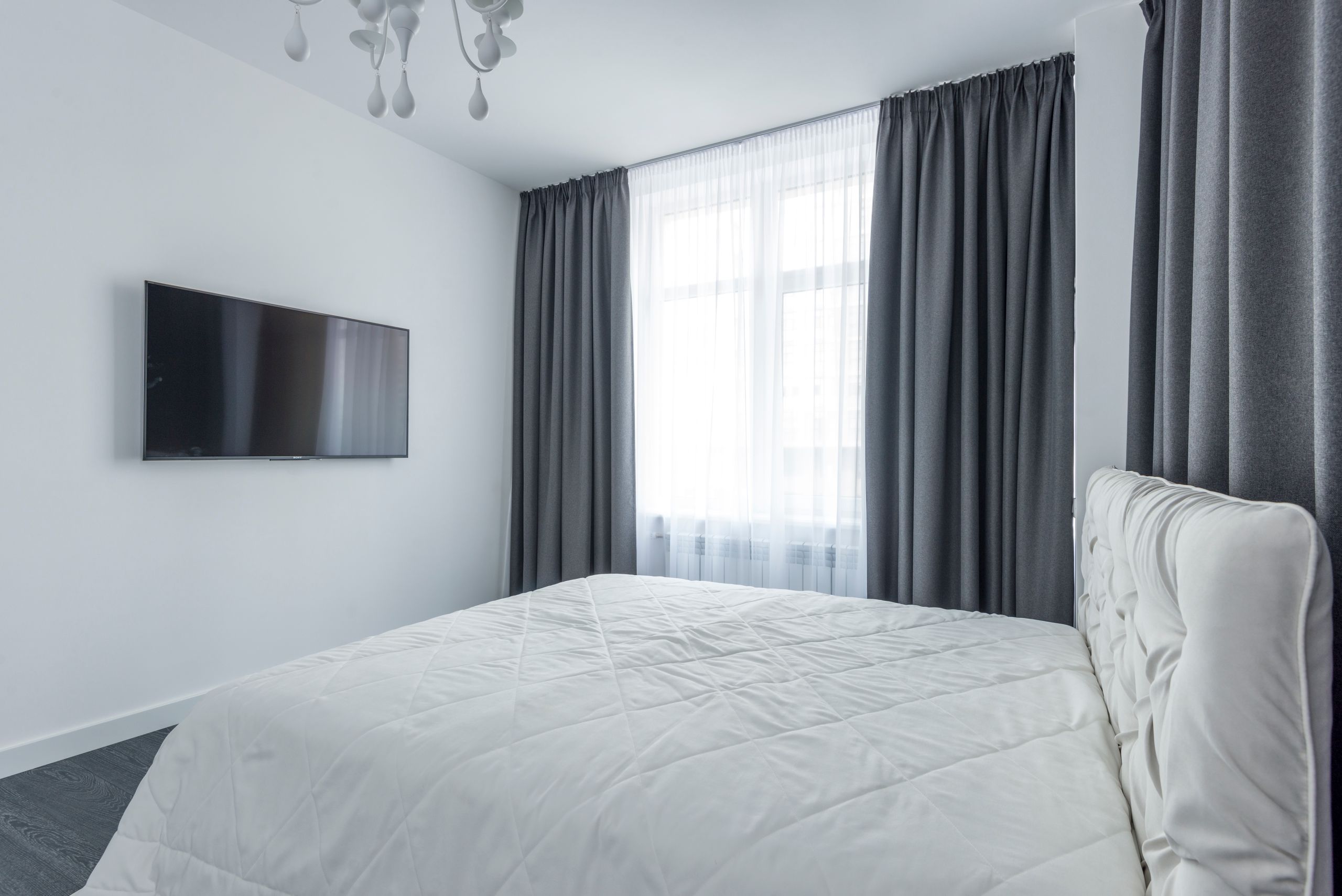
A television can be useful in a bedroom, but some designers would rather not have one there.
Interior designer Rayman Boozer has argued that a television can become a visual distraction because the screen looks like a large black rectangle when it is switched off. Other design professionals also recommend concealing televisions in cabinets when possible.
If you already have a television in your bedroom and enjoy using it, you don’t need to remove it automatically. But consider whether it dominates the room or interferes with the overall design.
A wall-mounted screen with visible cables and no surrounding storage can make an otherwise tidy bedroom look unfinished.
A permanent workstation
Working from a bedroom may be unavoidable, particularly in a small home. However, designers often recommend keeping work and rest areas separate whenever possible.
Interior designer Beth Diana Smith has advised against incorporating a desk or work area into the bedroom when another option exists, arguing that separating the two functions can make the room feel more restful.
If your bedroom doubles as a home office, organization becomes particularly important. At the end of the workday, put paperwork away, clear the desk, and avoid letting the work area take over the room.
A compact desk that can be closed or visually separated may be a better solution than spreading work equipment across multiple surfaces.
Clothes that never make it to the closet
A chair covered in clothes can quickly become one of the biggest sources of bedroom clutter.
Professional organizers frequently encounter worn-but-not-dirty clothes left on chairs, floors, and other surfaces. Instead of treating the chair as a permanent clothing pile, organizers recommend creating a specific place for clothes that aren’t ready for the laundry but aren’t ready to go back in the closet either.
That could be a designated hook, basket, or part of the wardrobe.
The key is a system that keeps clothing from spreading throughout the room.
Paperwork and random documents
Bills, receipts, unopened mail, notebooks, and other paperwork can easily migrate to a bedside table or dresser.
Professional organizers recommend keeping paper clutter under control because it can make bedroom surfaces appear crowded. A dedicated location elsewhere in the home can prevent the bedroom from becoming a temporary filing cabinet.
If you need to keep a book or journal beside the bed, that’s different. The problem is allowing miscellaneous paperwork to accumulate without a designated home.
Excessive decorations
Decorating a bedroom doesn’t mean filling every available surface.
Professional organizers and designers often recommend editing nightstands, dressers, and other surfaces so they contain only items that are useful or meaningful. Too many decorative objects can make a room look busy even when everything is technically organized.
Instead of displaying every accessory you own, choose fewer pieces that complement the room.
A lamp, a small stack of books, and one meaningful decorative object may have more visual impact than a nightstand covered from edge to edge.
Too many pillows and blankets
Extra bedding can make a bed look luxurious, but it becomes impractical at some point.
Designers interviewed by Homes & Gardens have identified excessive blankets and pillows as items worth reconsidering in a minimalist bedroom. Professional organizers have also pointed to excess bedding as a common source of bedroom clutter.
That does not mean every bedroom needs a minimalist bed with a single pillow.
Instead, keep the bedding you genuinely use and find a designated storage solution for seasonal or occasional pieces. A storage bed, closet shelf, or appropriate under-bed container can keep extras accessible without leaving them piled around the room.
Furniture that has no clear purpose
A bedroom can become crowded when you add furniture simply because there is enough space for it.
Designers recommend thinking about how each piece functions before keeping it. A chair that is never used, a small table that provides no useful storage, or an oversized piece that makes movement difficult may be taking up valuable space without adding much to the room.
This does not mean every item needs to serve multiple purposes. It means furniture should make sense for how the room is actually used.
Where space is limited, designers often recommend multifunctional furniture, including beds with storage and furniture that combines storage with another function.
Tangled electronic cords
Even when electronics are necessary, messy cables can make a bedroom look much more cluttered.
Chargers, extension cords, power strips, and device cables often gather around nightstands. Professional organizers recommend sorting cords and creating designated charging areas, rather than letting cables become a permanent part of the room’s visual landscape.
Simple cable management can make a noticeable difference. Route cords neatly, remove chargers you no longer need, and keep frequently used devices in one designated location.
A bedroom doesn’t have to be minimalist.
The central message from designers and organizers is not that bedrooms should contain almost nothing.
A comfortable bedroom can include books, artwork, electronics, decorative objects, and plenty of personality. The difference is whether those belongings have a purpose and a place.
Start by looking at the surfaces that collect the most clutter. Then consider furniture that rarely gets used, clothes that never get put away, and objects that have gradually accumulated without a clear reason.
You may not need to redesign the entire room. Removing a few unnecessary items and giving the rest better homes can be enough to make the bedroom feel more intentional, organized, and comfortable.
Other Posts You Might Like
- 13 Mantel Mistakes Designers Warn You to Avoid
- 7 Things in your home that make everyone think you’re rich
- 7 Home Improvements That Might Actually Lower Your Home’s Value
If you like what you just read, then subscribe to our newsletter and follow us on social media.


