8 Startling Reasons Marriage Makes Men Gain Weight
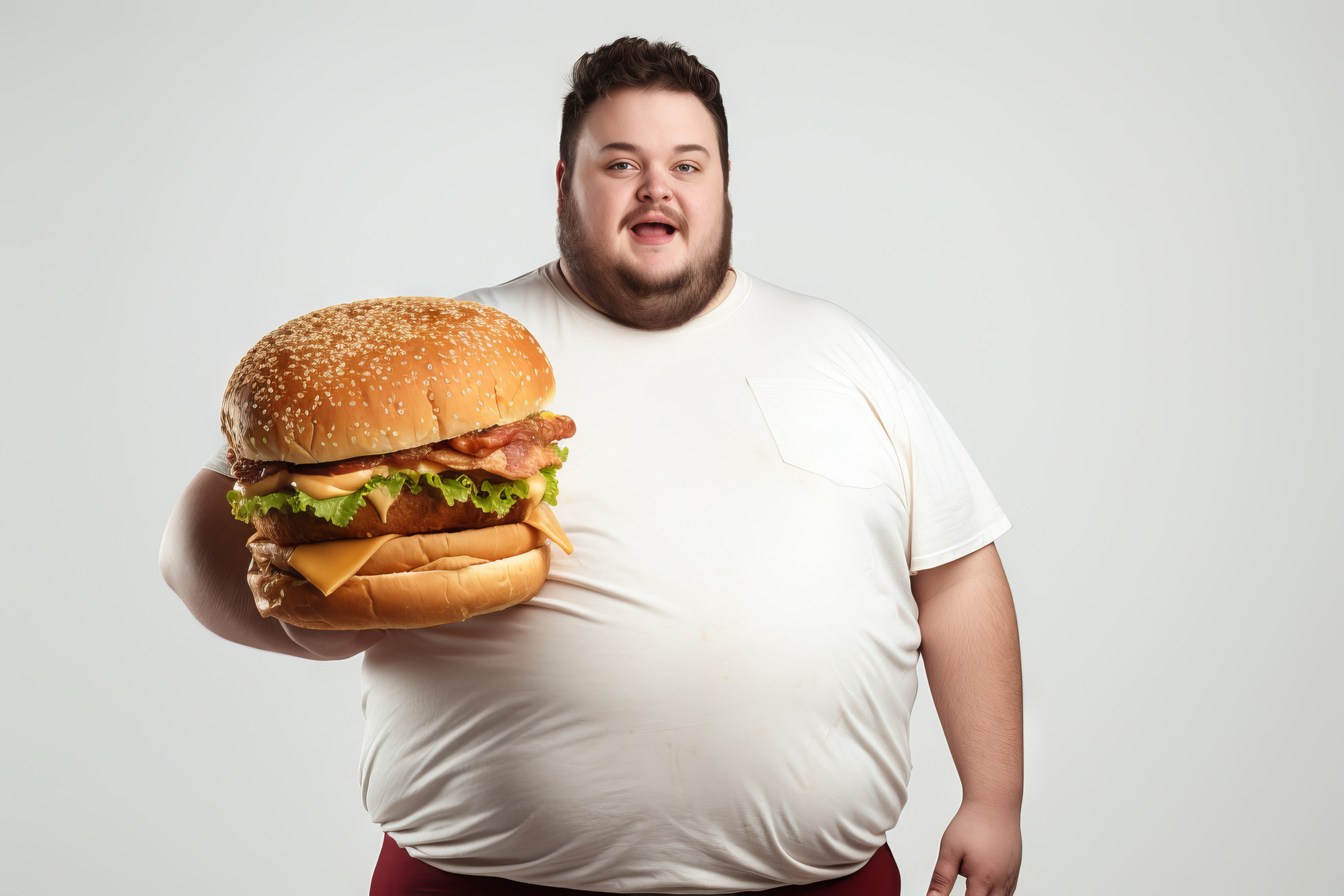
Marriage can change a man’s life in beautiful ways, but it can also change his waistline faster than he expects. One recent study presented at the European Congress on Obesity reported that married men were far more likely to be obese than unmarried men, and a 2024 study found that marriage can sharply cut exercise time, which helps explain why the pounds start creeping in after the vows.
That does not mean marriage is bad for men, and it definitely does not mean every husband will gain weight. What it does mean is that marriage often reshapes routine, appetite, stress, sleep, social habits, and even motivation. Once those daily shifts pile up, the body notices.
Here are eight reasons that happen so often.
Married life often cuts into exercise time
That makes perfect sense in real life.
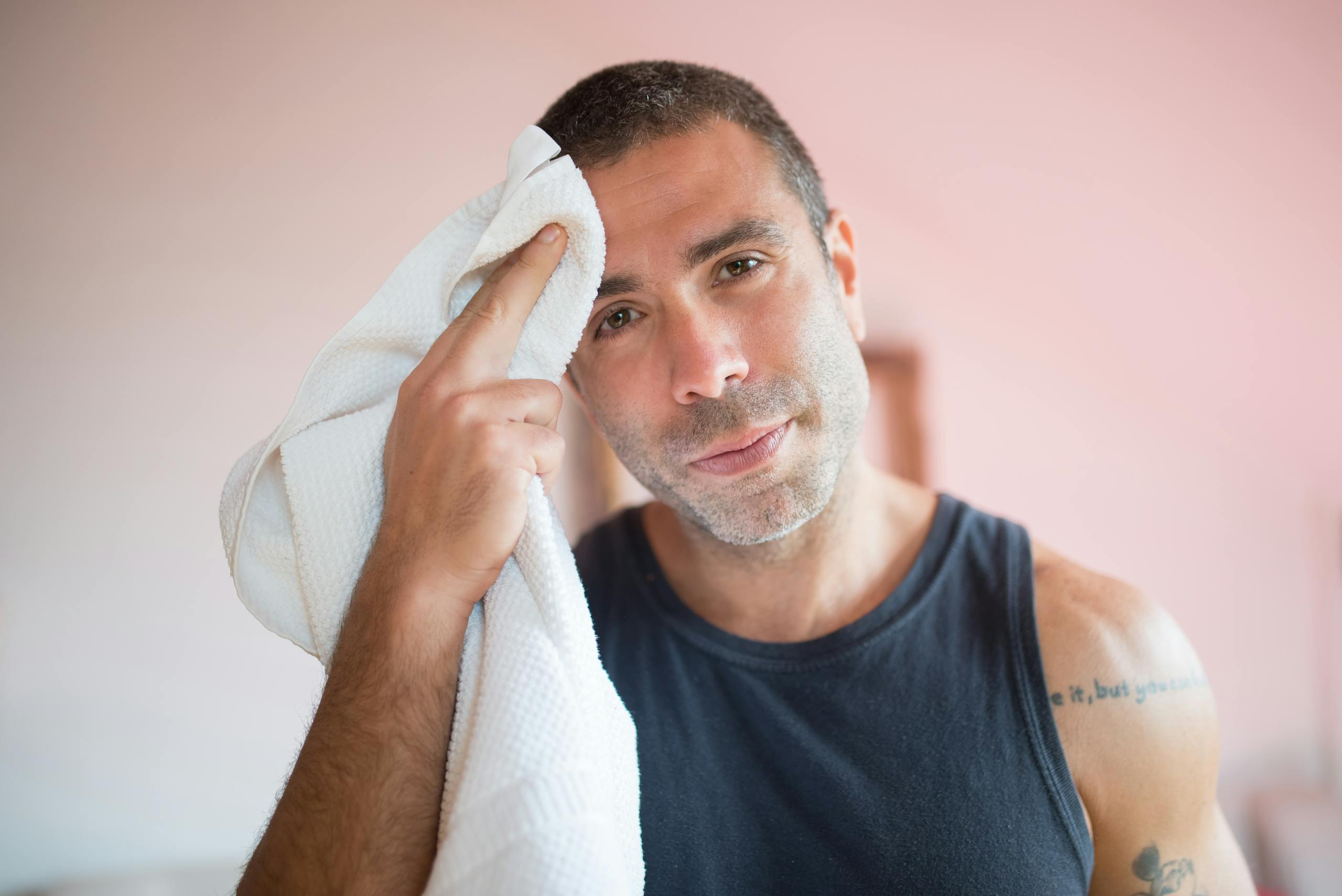
Marriage adds shared responsibilities, errands, family obligations, home maintenance, and more structured evenings. A man who once had time for a long run after work may now be racing home for dinner, helping with chores, attending family events, or simply feeling too drained to make it to the gym.
Alcohol and celebration calories sneak in
Marriage brings more social moments, and social moments often bring drinks. There is the wedding season circuit, dinner with friends, anniversary toasts, game nights, holidays with relatives, and casual drinks that feel too normal to count. Many men do not realize how fast liquid calories stack up because drinks rarely feel as filling as food.
The CDC has reported that U.S. adults consume nearly 100 calories a day on average from alcoholic beverages, with men consuming more calories from alcohol than women. MedlinePlus also notes that alcohol can contribute to weight gain because it is calorie-dense and can lead to poorer food choices.
Shared meals become bigger, richer, and more frequent

Marriage often turns food into a daily love language. There are date nights, family dinners, takeout treats after a long day, weekend brunches, celebration meals, and those cozy late-night snacks that feel harmless because they happen in such a warm setting.
Research on social eating shows that meal context matters, and studies on portion size show that people tend to eat more when the portions around them are larger or when bigger servings become the norm. In other words, food is not just about hunger. It is also shaped by who we eat with and what starts to feel “normal” at the table.
Comfort can turn into complacency
Marriage gives emotional safety, and that is one of its greatest gifts. The problem is that emotional safety can slowly slide into physical complacency if a man stops checking in with himself. He may no longer notice the fit of his clothes, the drop in his energy, or the way his stamina is slipping.
A 2017 University of Bath report found married men had higher BMI than their unmarried counterparts, and researchers linked part of that to lifestyle patterns that often shift after commitment.
Stress changes, and stress eating follows

Single life has its own stress, but marriage brings a different kind. Now the pressure may involve bills, family planning, in-laws, work-life balance, home responsibilities, parenting, and the emotional labor of being a dependable partner. Stress does not always make people eat less. In many cases, it drives them toward richer, more comforting foods.
A large 2023 review found that overeating and obesity are strongly linked with emotional eating and unhealthy eating behaviors, and stress-related eating patterns remain a major part of that picture. Other CDC-linked research has also described stress as a factor that can shape diet, activity, and BMI.
Sleep gets worse, and poor sleep feeds weight gain
Marriage does not guarantee bad sleep, but married life can disrupt it. A snoring partner, a new baby, late-night conversations, packed schedules, work stress, and family duties can all cut into rest. Once sleep drops, appetite control often gets messier.
The CDC says that getting enough sleep helps people maintain a healthy weight, and it lists poor sleep as a risk factor for obesity. Reviews in the medical literature also show that sleep deprivation is associated with increased energy intake and more snacking, especially on foods high in fat and carbohydrates.
He stops trying to impress in the same way
Before marriage, many men are more alert to how they look. They may hit the gym more often, skip that second plate, or think twice before wearing a shirt that suddenly feels tighter. Attraction feels active, visible, and urgent.
After marriage, that pressure often softens. He feels secure, loved, and settled, which is emotionally beneficial, but it can reduce the day-to-day urgency to maintain the same level of discipline. A 2024 study on marriage and obesity points to “marriage market theory,” the idea that single people often have stronger incentives to manage their appearance, while marriage can reduce that pressure over time.
Fatherhood changes the male body, too

prostooleh/freepik Photos
For many men, marriage is followed by fatherhood, and that brings another wave of weight gain risk. The schedule gets more chaotic, sleep gets broken, meals become more rushed, workouts get pushed aside, and stress takes on a whole new dimension.
Longitudinal research has found that entering fatherhood is associated with an upward shift in BMI among men, and one Northwestern summary of that research reported that first-time resident fathers gained weight, while similar men who did not become fathers actually lost weight over the same period. A 2021 study also found that fathers can start gaining BMI in the early months after birth.
Conclusion
Marriage does not make men magically gain weight. It makes weight gain easier by changing the structure of everyday life. Security replaces pressure, shared meals replace solo restraint, exercise time shrinks, sleep worsens, stress rises, drinks add up, and fatherhood can push the body even further off course.
The good news is that the same marriage that encourages weight gain can also help reverse it. A supportive partner can make healthy dinners normal, active weekends fun, steadier bedtime routines, and accountability less lonely. So the real issue is not marriage itself.
The issue is what a couple turns marriage into. If a man lets comfort run the whole show, the scale will eventually speak up. If he builds new habits inside the relationship, marriage can make him stronger, healthier, and far more alive than before.
Read the original Crafting Your Home.