


This article was originally published on Crafting Your Home. A human contributor also wrote and edited the post.
Preparing the house for holiday guests often means vacuuming the floors, wiping the kitchen counters, and cleaning the bathroom. But some of the most noticeable areas are the ones people forget.
Guests touch light switches, open cupboards, use bathroom taps, and place coats near the entryway. A quick clean in these overlooked spots can make the home feel fresher without requiring an exhausting deep clean.
The Front Door and Entryway
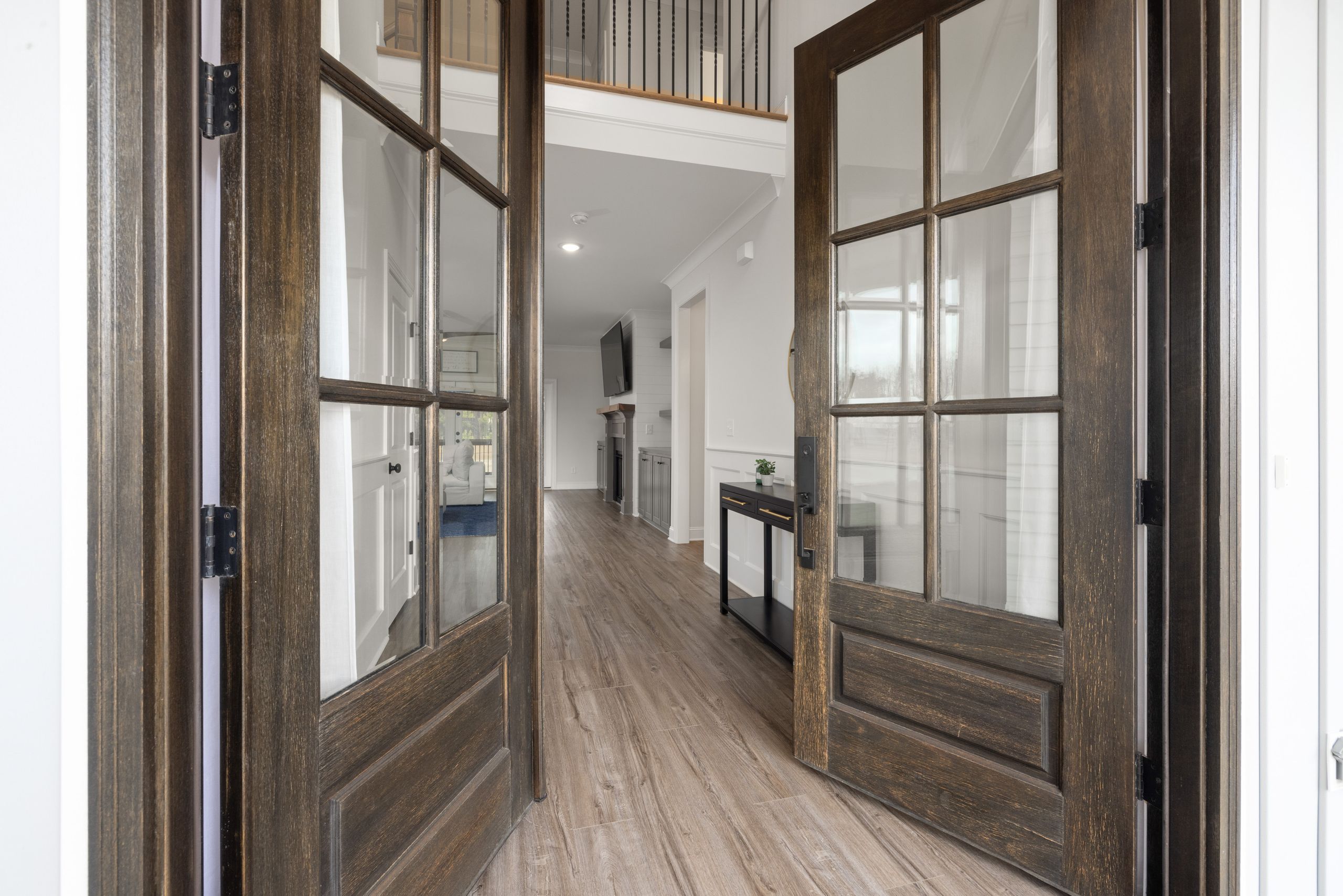
The entryway creates the first impression. Sweep away leaves and dirt, remove cobwebs, and wipe the front door, doorbell, and handle.
Inside, clear away shoes, bags, mail, and packages. Vacuum the floor and make space for guests to hang coats and set down belongings.
A clean doormat can also help reduce the amount of dirt carried into the rest of the house. Professional cleaners recommend treating the entryway as a priority because visitors notice it as soon as they arrive.
Light Switches and Dimmer Controls
Light switches are touched repeatedly but are rarely included in ordinary dusting. Wipe switches, dimmer controls, and the surrounding plates with a slightly damp cloth.
For high-touch surfaces, the Centers for Disease Control and Prevention recommends regular cleaning, especially after visitors have been in the home.
Do not spray liquid directly onto electrical switches. Apply a small amount of cleaner to a cloth, and avoid letting moisture enter the switch.
Door Handles and Stair Rails
Door handles, cabinet pulls and stair rails collect fingerprints, dust and germs throughout the day. They may be especially busy during a gathering when several people move around the house.
Clean the handles on the front door, bathroom, bedrooms, and patio doors. If your home has stairs, wipe the handrail from top to bottom.
The CDC identifies frequently touched surfaces such as doorknobs, handles and stair rails as areas that should be cleaned regularly.
The Bathroom Flush Handle and Tap

A bathroom can look clean while its most-touched surfaces remain overlooked. Wipe the toilet flush handle, sink tap, cabinet handles, and bathroom door handle.
Clean the toilet both inside and outside, then wipe the mirror and sink area. Restock hand soap, toilet paper, and clean hand towels before guests arrive.
Clean surfaces before using a disinfectant. The CDC explains that dirt and other impurities can make disinfecting chemicals less effective.
Follow the product label and never mix cleaning chemicals, particularly bleach with ammonia or acidic products.
Under the Bed and Furniture
Dust, pet hair, toys, and forgotten objects can collect beneath beds, sofas, and cabinets. Guests may not look underneath the furniture, but dust can affect a room’s smell and air quality.
Move small furniture when possible and vacuum underneath. If the furniture is too heavy, use a vacuum attachment or a long-handled duster.
This task is easier when you do it a few days before guests arrive. That gives the room time to air out after cleaning.
The Tops of Cabinets and Light Fixtures
High surfaces can collect a thick layer of dust because they are hard to see from the floor. Guests may notice dust on cabinet tops, ceiling fans, light fixtures, curtain rods, and high shelves.
Use an extendable duster or a clean microfiber cloth. Dust from the highest areas first, then vacuum the floor afterward so fallen dust does not remain in the room.
Do not stand on unstable chairs or furniture. Use a secure step ladder or ask another adult to help.
The Kitchen Range Hood and Oven
Holiday cooking often makes the kitchen the busiest room in the home. The range hood, oven door, splashback, and handles can collect grease and fingerprints even when the counters are clean.
Wipe visible splashes from the stovetop and clean the outside of the oven. If the oven needs a deeper clean, do it early enough for any cleaning smell to disappear before guests arrive.
Empty the rubbish bin, clean the sink and check the refrigerator for expired food or strong odors. These small tasks can make the kitchen feel more organized during a busy meal.
Window Sills and Tracks
Windows may look clean from a distance, but the sills and tracks can collect dust, insects, and dirt. Run a vacuum attachment along the tracks, then wipe the sills with a damp cloth.
Pay particular attention to windows in guest rooms, living spaces, and dining areas. Clean glass is helpful, but removing debris from the edges gives the entire room a more polished appearance.
If windows are difficult to reach, clean only the areas you can access safely. Never lean out of a window or use an unstable ladder.
Clean What Guests Touch First

A last-minute cleaning routine does not need to cover every corner of the house. Focus first on the entryway, bathroom, kitchen, seating areas, and high-touch surfaces.
Clear visible clutter, remove rubbish, vacuum floors, and wipe the areas guests are most likely to use. The CDC recommends cleaning high-touch surfaces regularly and after visitors have been in the home.
A clean and comfortable home matters more than perfection. Guests are usually more concerned with having a place to sit, a clean bathroom, fresh towels, and a welcoming atmosphere than with whether every baseboard has been polished.
By remembering door handles, switches, bathroom fixtures, hidden dust traps, and kitchen appliances, hosts can make the home feel ready for visitors without spending the entire day cleaning.
Other post you might like:
- “Your Home Might Not Be Messy, You Might Just Have Too Many ‘Landing Spots’
- 7 Household Items to Replace Regularly for a Cleaner, Safer Home
If you like what you just read, then subscribe to our newsletter and follow us on social media.


