

The post 8 Smart Things to Do With Your Pumpkins After Halloween first appeared on Crafting Your Home.
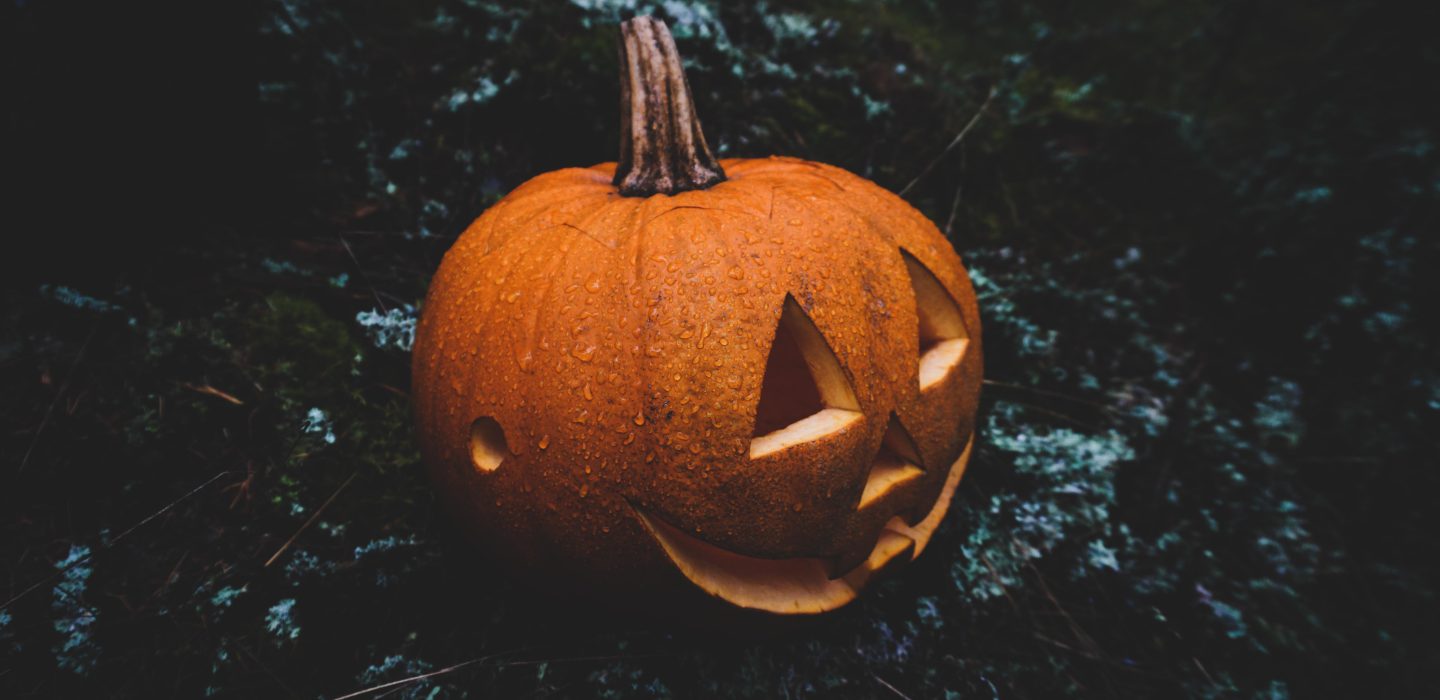
The trick-or-treaters go home, the jack-o’-lanterns start to slump, and the morning brings a question: what to do with a pumpkin.
Trash is the easiest answer, but rarely the best. Extension specialists, gardeners and farmers have found plenty of ways to use pumpkins after Halloween, from snacks to soil.
A few rules apply to all of them. A pumpkin that has been carved and left outside with a candle in it is no longer safe to eat, one sustainability guide says.
A pumpkin that has been painted, waxed, or decorated with non-organic material shouldn’t go to animals. With that in mind, here are eight ideas.
Eat It
Roast the seeds
After removing the seeds, rinse them, drizzle them with oil, season them, and roast them, as one guide suggests, for a snack or a crunchy topping for soups and salads.
One homesteading guide says seeds from painted pumpkins can also be eaten. Seeds are the most reliable edible part of any Halloween pumpkin, and it’s worth saving them at carving time before the rest of the pumpkin hits the compost.
Related: How to Grow, Harvest, and Care for Your Pumpkins
Cook the pumpkin you didn’t carve
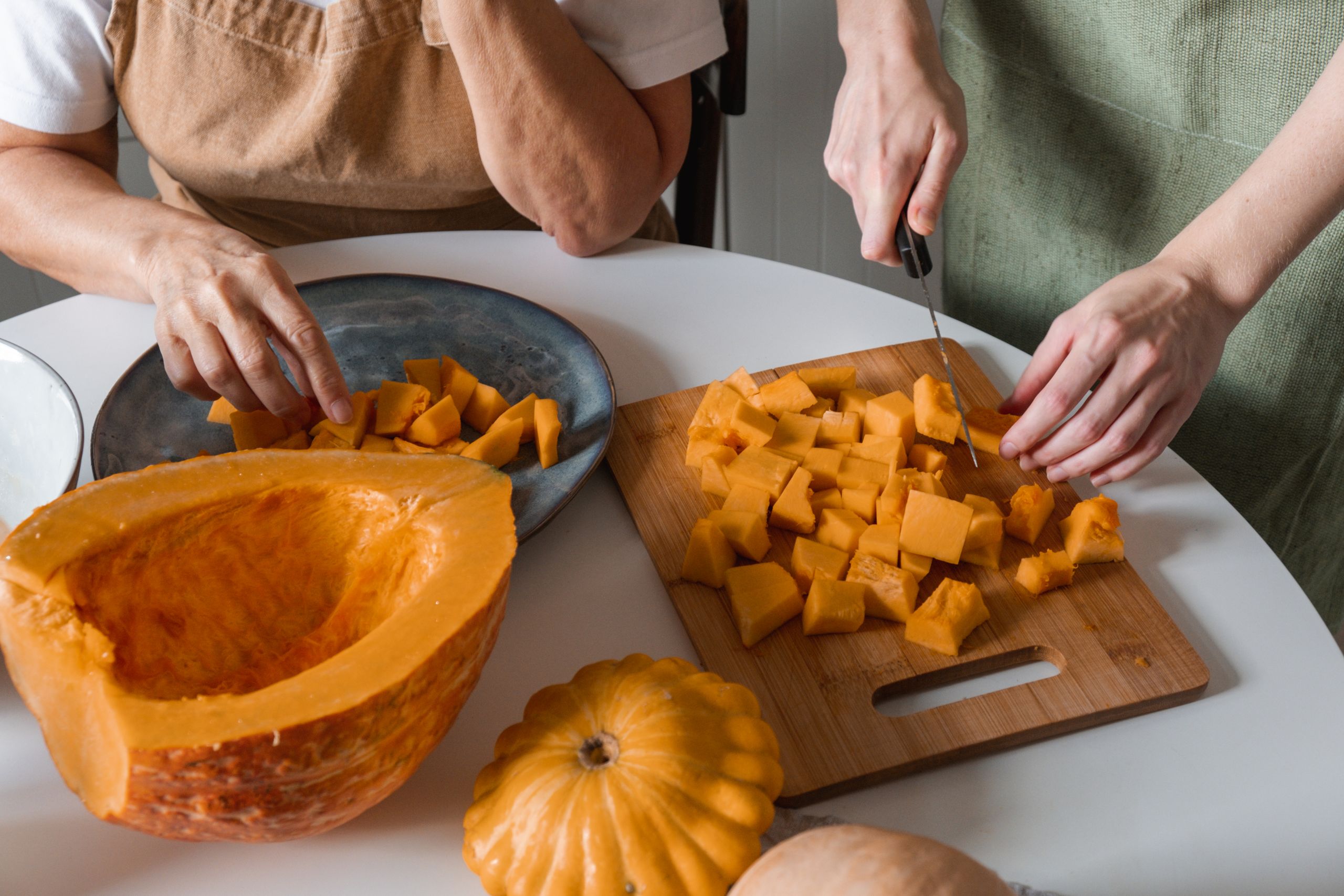
One gardening blog suggests you can roast a pumpkin that was kept intact whole or in chunks, and use the flesh for soups, smoothies, and baking.
Pumpkins can last up to 12 weeks if intact and healthy, according to one horticulturist quoted by Men’s Journal. If you carved one, you can still cook the scraps you cut out, store them in the refrigerator, and roast them, but a carved pumpkin that has been sitting outside isn’t safe to eat.
For the Garden and Yard
Compost it
Horticulturist Jessica Mercer says pumpkins work as a “green” material in a compost pile because they are moist and break down fairly quickly. Chop the pumpkin into small pieces first to speed things up.
A gardening site warns that pumpkin flesh is nitrogen-rich and moist, so adding too much at once can leave a heap wet, compacted, and smelly. Wipe off any wax or paint before composting. Compost made from this year’s pumpkins can feed next year’s garden.
Related: Pumpkins and Hot Dogs: The Halloween Costumes Americans Pick Most for Their Pets
Make a bird feeder
If a pumpkin is carved and still in good shape, cut off the top or carve a larger hole in the side, and add birdseed, as several gardening guides suggest.
Once the pumpkin starts to soften, you can compost what is left. This simple project gives the pumpkin a second purpose and provides birds with a winter snack.
Save the seeds for planting
If you want to grow your own next year, one horticulturist recommends removing the seeds, cleaning and drying them thoroughly, and storing them in a cool, dry place until spring.
She cautions that, depending on the variety, next year’s pumpkins may look different because of cross-pollination with other squash. It is a low-cost, fun experiment for children.
Share It Responsibly
Feed backyard chickens
If you keep chickens, they may enjoy leftover pumpkin, according to one guide. You can give them the seeds and flesh scraped out when carving, and the rest of the pumpkin the day after Halloween; cutting the pumpkin in half makes it easier for them to eat. Remove leftovers from the coop before dark to keep pests away.
Offer clean pieces to wildlife, carefully
Texas AgriLife Extension wildlife specialist Maureen Frank says pumpkins used as jack-o’-lanterns or other decorations can serve as a snack for wildlife. Horticulturist Leslie Halleck advises making sure any non-organic matter has been removed first.
University of Illinois Extension advises against dumping pumpkins in nature preserves, since pumpkins can sprout there, and warns that whole pumpkins left in the sun for weeks can become contaminated and should not go to animals. In some places, feeding wildlife is not allowed, so check local rules.
Donate it, or take it to a pumpkin smash
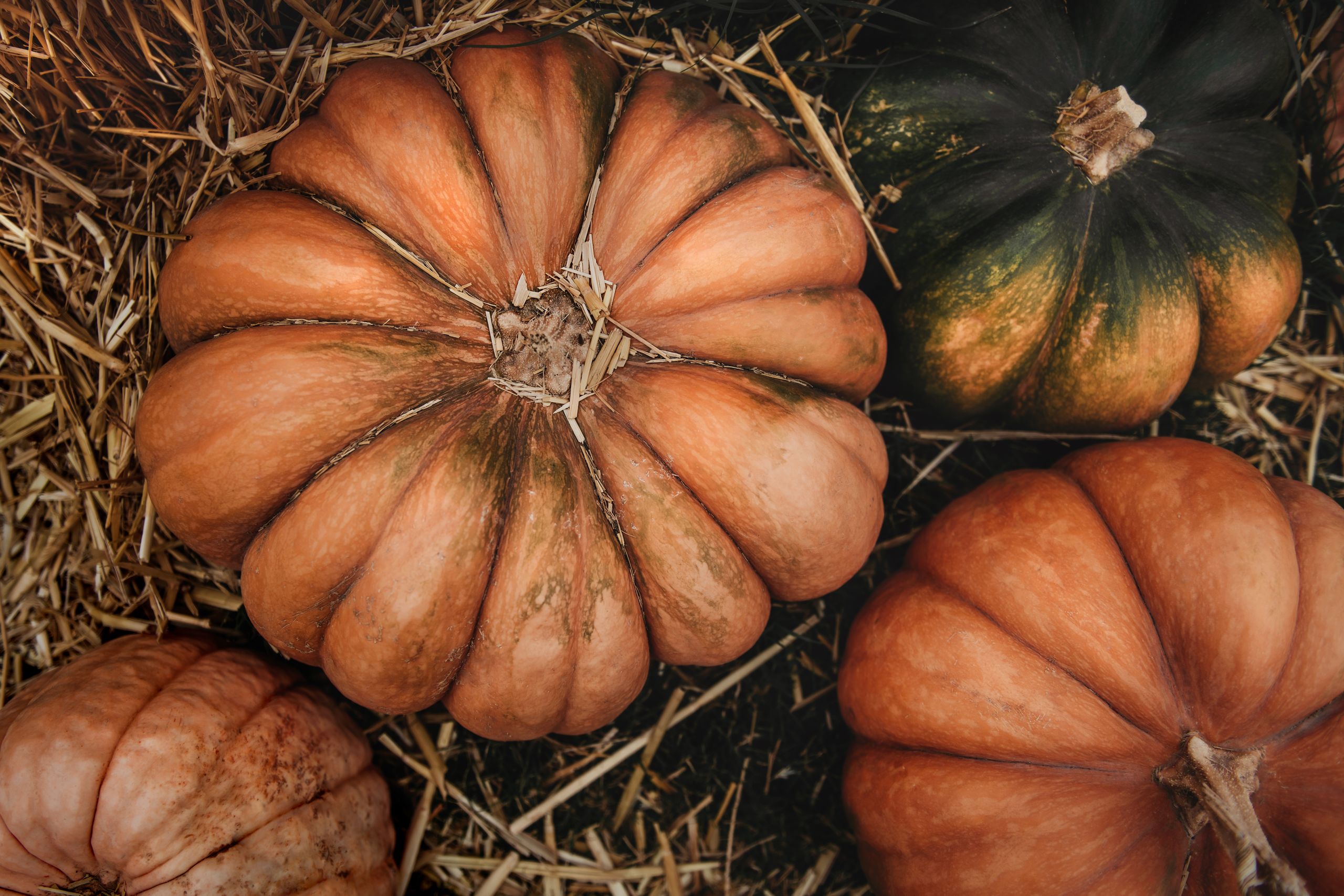
Many farms accept pumpkins after Halloween to feed animals, and Men’s Journal points to the Pumpkins for Pigs website, a directory of farms that accept them.
Some towns host pumpkin smash or drop-off events, and University of Illinois Extension suggests taking pumpkins to a municipal or commercial composting facility. Call ahead to confirm what a farm or facility accepts, and clean pumpkins are much more likely to be welcome.
Conclusion
A pumpkin doesn’t have to end up in the trash. It can become a snack, a bird feeder, a bag of seeds for next spring, or a contribution to a neighbor’s compost pile.
Most of these ideas take only a few minutes, and they also give back to the soil that grew the pumpkin in the first place. This weekend, before the pumpkins go out with the garbage, pick one of the eight and give yours a second life.
Other Stories You Might Like
- From Coffin Races to Haunted Streets, 8 States That Transform for Halloween
- The Census Bureau counts 72 million potential trick-or-treaters and 132.7 million homes to visit this Halloween
- 11 Halloween Habits That Make the Whole Neighborhood Quietly Dislike You
If you like what you just read, then subscribe to our newsletter and follow us on social media.