

The post 8 Reasons Women Pull Away From Men They Once Loved first appeared on Crafting Your Home.
Emotional distance in a relationship rarely happens overnight. It usually develops slowly through small, ignored moments: conversations that never get resolved, feelings that are repeatedly dismissed, promises that never turn into action, or a partner who is physically present but emotionally unavailable.
By the time someone notices that a woman seems distant, she may have already spent months or even years feeling lonely, disappointed, or disconnected.
However, it is important to remember that not every woman pulls away for the same reasons, and emotional withdrawal is not something that only happens to women. In many relationships, distance develops because of unmet needs, changing circumstances, unresolved problems, or a connection that has slowly been neglected.
Here are eight common reasons someone may begin pulling away from a partner they once deeply loved.
She No Longer Feels Heard

One of the strongest foundations of a healthy relationship is feeling understood. When someone repeatedly shares thoughts, worries, or emotions but feels ignored or dismissed, emotional distance can begin to grow.
A woman may start withdrawing when she feels that her concerns are minimized, interrupted, or treated as unimportant. It does not always happen through major arguments. Sometimes it shows up in small, everyday moments.
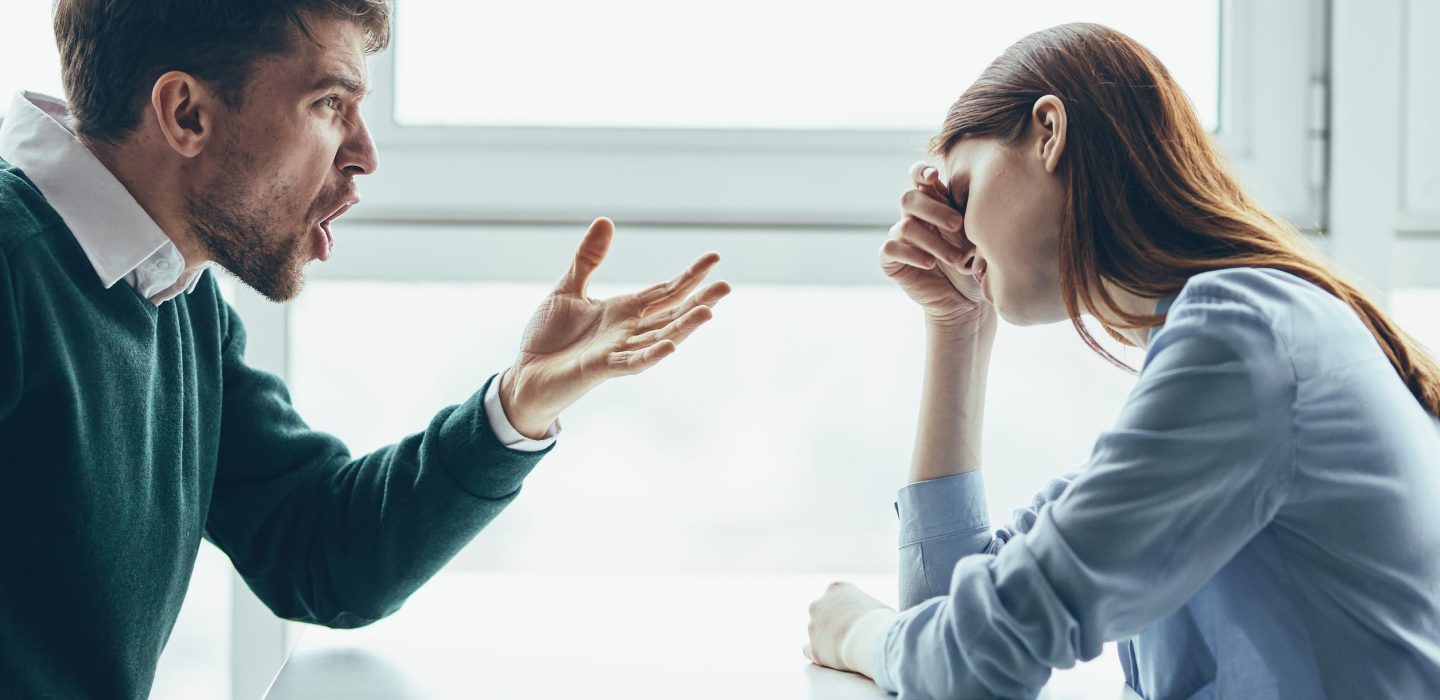
She may say she is overwhelmed, and her partner jokes about it. She may try to discuss a problem, and the conversation quickly becomes defensive. She may ask for more quality time, only to feel criticized for wanting attention.
Over time, she may decide that opening up creates more frustration than comfort. Instead of continuing to seek emotional support and feeling disappointed, she may stop sharing altogether. Relationship research has linked positive communication and emotional responsiveness with greater relationship satisfaction, trust, intimacy, and connection.
Sometimes people do not need their problems solved immediately. They simply want to feel heard. A response such as, “I understand why that was difficult for you,” can create more connection than offering advice right away.
Trust Has Slowly Been Damaged
Trust is built through consistent actions. It grows when partners keep promises, respect boundaries, communicate honestly, and show reliability. For some women, emotional withdrawal begins after repeated disappointments.
This can include broken promises, dishonesty, financial problems, hidden conversations, or behavior that repeatedly creates uncertainty. Even if one partner considers an issue small, repeated disappointments can send another message: “My feelings are not being taken seriously.”
Trust is difficult to rebuild because apologies alone are usually not enough. Rebuilding requires consistent behavior, openness, and accountability over time. A person may stop arguing not because they no longer care, but because they no longer believe conversations will lead to change.
Related:trust-issues-in-relationships-9-practical-ways-couples-can-start-rebuilding-what-was-broken
She Feels Taken for Granted

Many relationships begin with excitement and effort. Partners ask questions, plan dates, show appreciation, and make each other feel special. But over time, those habits can disappear.
A woman may begin pulling away when she feels more like a caretaker, organizer, or background figure than a valued partner. She may be the person who remembers important dates, starts meaningful conversations, plans activities, and carries the emotional responsibility of the relationship without feeling the same effort in return.
Feeling appreciated does not always require grand romantic gestures. Small actions often matter: saying thank you, showing interest in her day, noticing her efforts, and making time for connection. Research on affectionate communication suggests that expressions of care and warmth are associated with stronger feelings of trust, intimacy, and relationship satisfaction.
Her Needs and Priorities Have Changed
People grow throughout their lives. Their goals, values, responsibilities, and expectations can change as they experience new situations. A relationship that once worked perfectly may feel different years later.
A woman may begin wanting deeper emotional security, shared future plans, healthier communication, or a more balanced division of responsibilities. Another person may realize they need more independence, personal space, or time for individual goals.
Problems often arise when people ignore or dismiss these changes. Two people may still care about each other but discover that their priorities, lifestyles, or visions for the future no longer match. Regular conversations about what each person needs can help prevent silent resentment from building.
Emotional Intimacy Has Faded
A couple can spend years together and still feel emotionally disconnected. Living in the same home, sharing responsibilities, or having daily conversations does not automatically create closeness. Emotional intimacy requires feeling safe enough to share fears, dreams, struggles, and personal thoughts.
A woman may pull away when she feels her partner no longer shows curiosity about her inner world. Conversations may become limited to schedules, chores, finances, and responsibilities instead of meaningful connection.
Rebuilding intimacy often starts with simple actions: asking thoughtful questions, listening without distractions, and creating regular moments to reconnect.
Conflict Has Become the Normal Pattern

Disagreements are a natural part of relationships. The problem isn’t conflict itself, but how couples handle it. When conversations regularly turn into criticism, defensiveness, anger, or silence, emotional safety can disappear. A person may start choosing distance because avoiding conflict feels easier than repeatedly going through stressful arguments.
Relationship experts often emphasize responding positively to a partner’s attempts to connect. These moments can be simple: sharing a concern, asking for attention, making a joke, or wanting support.
A healthier response is curiosity, not immediate defense. Asking, “What do you need from me right now?” can open a conversation that blame often closes.
Related:emotional-intelligence-helps-couples-turn-small-conflicts-into-better-conversations
She Feels Overwhelmed or Has Lost Herself
A healthy relationship should allow both people to grow. Some people begin withdrawing when they feel controlled, pressured, constantly criticized, or unable to maintain their own identity.
This can happen when someone feels they must manage their partner’s emotions, give up friendships, abandon hobbies, or avoid expressing their true feelings to keep peace. Strong relationships create closeness while still allowing independence. Partners should feel supported as they become their best selves, not limited by the relationship.
She Has Fallen Out of Love or Sees the Relationship Differently
Sometimes no single event explains emotional distance. Feelings can change. People can grow apart. A relationship that once felt right may no longer fit either person’s needs, goals, or identity.
A woman may still care deeply about someone while realizing that the romantic connection has changed. Losing feelings is often complicated and may involve unresolved problems, different goals, emotional disconnection, or changing compatibility.
Conclusion
When someone pulls away, it is rarely because of one single moment. Emotional distance often reflects deeper issues such as loneliness, unmet needs, broken trust, changing priorities, or a lack of emotional connection.
The goal should not be to find someone to blame. Instead, the goal is to understand the relationship patterns and determine whether both people are willing to rebuild connection.
Sometimes relationships become stronger through honest communication and consistent effort. Other times, emotional distance reveals that two people have grown in different directions. Either way, understanding the reasons behind the distance is the first step toward clarity, healing, and healthier relationships.
Other posts you might like
- most-older-women-regret-peaking-before-30-here-are-8-reasons
- 8 things-many-women-secretly-admit-they-never-truly-enjoyed
If you like what you just read, then subscribe to our newsletter and follow us on social media.