

As we age, the simple act of showering becomes more complicated than it seems. What once felt like a daily necessity can start to have hidden consequences for skin, health, and overall wellbeing. Understanding the balance between cleanliness and self-care is essential, and there are multiple reasons why cutting back on frequent showers could actually be better for older adults.
Every habit carries subtle effects that add up over time, and bathing is no exception. From skin sensitivity to immunity, each of the following points uncovers why less might truly be more when it comes to showers after a certain age.
Skin Becomes Fragile With Age

Aging skin naturally loses oils and moisture, making it thinner and more delicate. Daily exposure to water, especially hot water, can strip away the protective barrier, leaving the skin dry, itchy, and prone to cracks.
Over time, frequent cleansing can worsen redness and irritation, making minor scratches more likely to become infected. Older adults may feel compelled to moisturize more often, yet over-washing can undo even the best skincare routine.
Risk of Dermatitis Increases
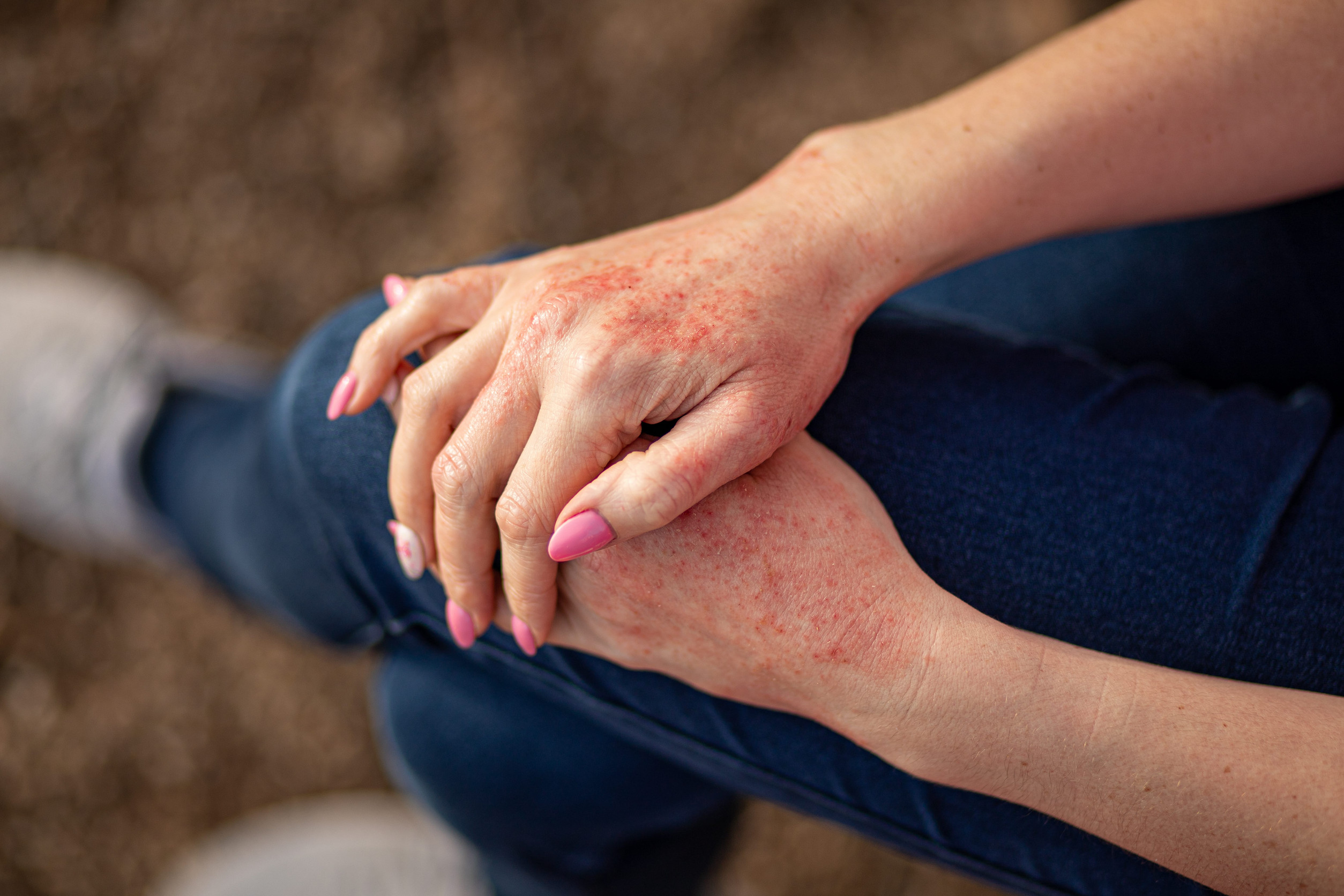
Repeated exposure to soaps and cleansers can disrupt the skin’s natural balance. Harsh products remove essential oils that protect against inflammation, leading to irritant dermatitis.
This condition can manifest as persistent dryness, flaking, or painful rashes that become more difficult to treat. Reducing shower frequency allows the skin to maintain its natural defenses and recover from minor irritations naturally.
Natural Oils Protect Against Infection
Skin oils serve as a barrier against bacteria and fungi, helping prevent infections that become more concerning with age. Over-showering washes these oils away, leaving the skin vulnerable.
For older adults, this means a higher risk of minor cuts or scrapes turning into infections that require medical attention. Preserving natural oils with less frequent showers supports healthier skin immunity.
Temperature Sensitivity Becomes a Concern

Older adults often have altered sensitivity to hot water, and frequent exposure can damage fragile blood vessels. Hot showers may lead to flushing, discomfort, or even faintness in those with circulatory issues.
A cooler shower routine or fewer baths can help maintain a stable body temperature and reduce stress on the heart and vascular system. Adjusting shower habits accommodates physiological changes without entirely sacrificing hygiene.
Skin Microbiome Disruption
The skin hosts a complex ecosystem of beneficial bacteria that protect against harmful microbes. Frequent cleansing disrupts this microbiome, weakening its natural protective role.
Over time, this imbalance can lead to skin problems, increased irritation, and slower healing. Allowing the skin to maintain its microbial balance supports natural defenses and overall skin health in older adults.
It Can Worsen Eczema Symptoms
Older adults with eczema or other chronic skin conditions may find symptoms flare with frequent washing. Water, combined with soaps and detergents, strips moisture and triggers itching and redness.
Limiting showers and using gentle cleansing alternatives helps manage flare-ups and provides relief from ongoing discomfort. This approach prioritizes skin stability and reduces the need for constant topical treatments.
Joint Pain and Fatigue Are Aggravated
Standing for long showers can strain joints and muscles that have already weakened with age. Frequent bathing sessions add repetitive stress, increasing the risk of fatigue or minor injuries.
Reducing shower frequency while incorporating quick cleansing routines for critical areas conserves energy and minimizes strain. Older adults benefit from balancing cleanliness with physical comfort.
Environmental and Practical Factors

sweettomato/123RF
Daily showers consume significant amounts of water and energy, which can impact both household resources and the environment. Older adults may find shorter, less frequent showers more manageable and sustainable.
Practical adjustments such as sponge baths or quick rinses on non-shower days maintain hygiene while reducing the cumulative impact of daily washing. This approach makes bathing both safer and more convenient.
Conclusion
Showering less often after a certain age is not about neglect but about preserving health, comfort, and skin integrity. Older adults face unique challenges, including fragile skin, reduced natural oils, and sensitivity to temperature and joint strain, all of which are exacerbated by long daily showers.
By adopting a more mindful bathing routine, incorporating gentle cleansing, and focusing on critical hygiene areas, older adults can maintain cleanliness while protecting the skin, microbiome, and overall wellbeing. Prioritizing quality over frequency in shower habits ensures comfort and health for years to come.
Read the Original Crafting Your Home.