


This article was originally published on Crafting Your Home. A human contributor also wrote and edited the post.
Before smart thermostats, heated floors, and modern insulation, families relied on simple household habits to make winter more comfortable. Many of those old-fashioned ideas still work today because they reduce drafts, trap warmth, and make rooms feel cozier.
These methods aren’t replacements for safe heating systems or proper insulation, but they can improve comfort without immediately turning up the thermostat.
Close Heavy Curtains at Night
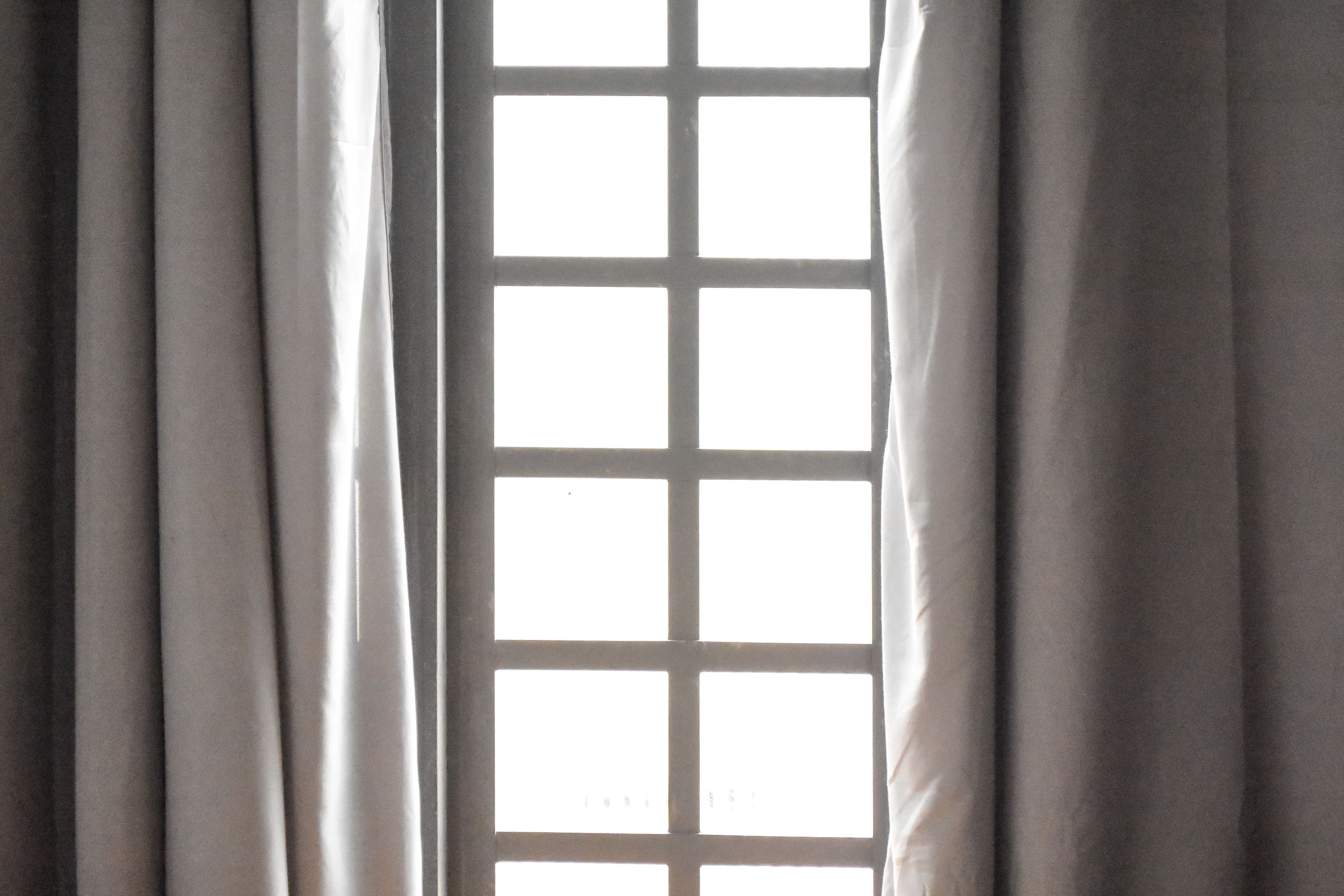
Thick curtains can help reduce heat loss through windows, especially after sunset. Draw them once the daylight fades and keep them closed overnight.
During the day, open curtains on sunny windows so natural sunlight can warm the room. Close them again before temperatures fall in the evening. Historic England recommends thick curtains, blinds, and internal shutters to reduce winter heat loss.
Avoid placing curtains over radiators or heaters because blocked airflow can reduce their effectiveness and create a safety risk.
Use Rugs on Cold Floors
Area rugs can make rooms feel warmer by adding a layer between feet and cold floors. They may be especially useful over wooden floors, stone, tile, and other hard surfaces.
Rugs can also reduce drafts that come through gaps around floorboards. Historic England recommends rugs or carpets to reduce heat loss through floors in older homes.
Place non-slip pads beneath rugs to reduce the risk of falls, particularly in hallways and near stairs.
Place a Draft Stopper Under Doors
Cold air can enter through the gap beneath an exterior door. A fabric draft stopper, rolled towel, or purpose-made door snake can block some of that airflow.
Older households often made these draft stoppers from fabric scraps filled with rice, beans, or other materials. Modern versions are available in many designs, but the basic idea remains the same.
For a longer-term improvement, install weatherstripping around the door and repair damaged seals. The Department of Energy identifies weatherstripping and air sealing as common parts of home weatherization.
Close the Fireplace Damper
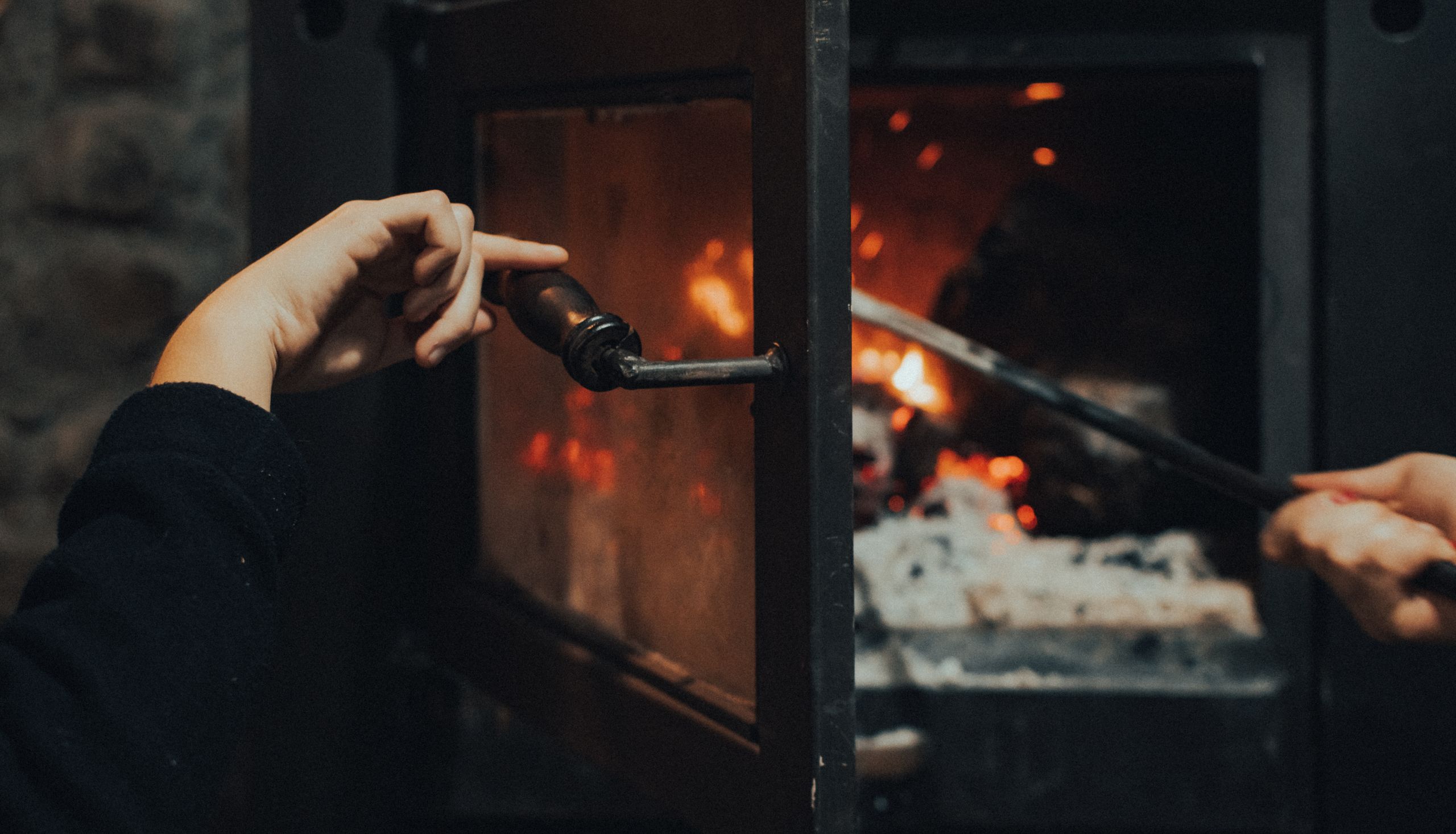
A fireplace can make a room feel warm while it is burning, but an open chimney can allow heated air to escape when the fire is not in use.
Close the damper after the fire has completely gone out and the ashes are cool. Never close it while embers are still burning because dangerous gases, including carbon monoxide, need a safe route out of the home.
If the fireplace creates a persistent cold downdraft, consult a qualified professional before using a chimney cover or other device.
Keep Interior Doors Closed

Closing doors between rooms can help keep warm air in the areas where people spend the most time. It may be more efficient to concentrate heating in occupied rooms than to heat every part of the house equally.
Keep doors to unused bedrooms, storage rooms, and other spaces that don’t need to stay warm closed. Do not close doors that are required for safe circulation of heat from a furnace or other heating system.
If you use a space heater, follow the manufacturer’s instructions and keep it away from curtains, bedding, furniture, and other flammable materials.
Open and Close Shutters Strategically
Interior shutters and thick blinds were once common ways to protect rooms from cold glass and nighttime drafts. They can still provide an extra layer between the room and the window.
Open them during sunny hours and close them at dusk. If a window is particularly cold, temporary insulating curtains or a properly fitted window film may also help.
Do not block ventilation openings or use materials that create a fire hazard around heaters and candles.
Cook and Bake When It Makes Sense
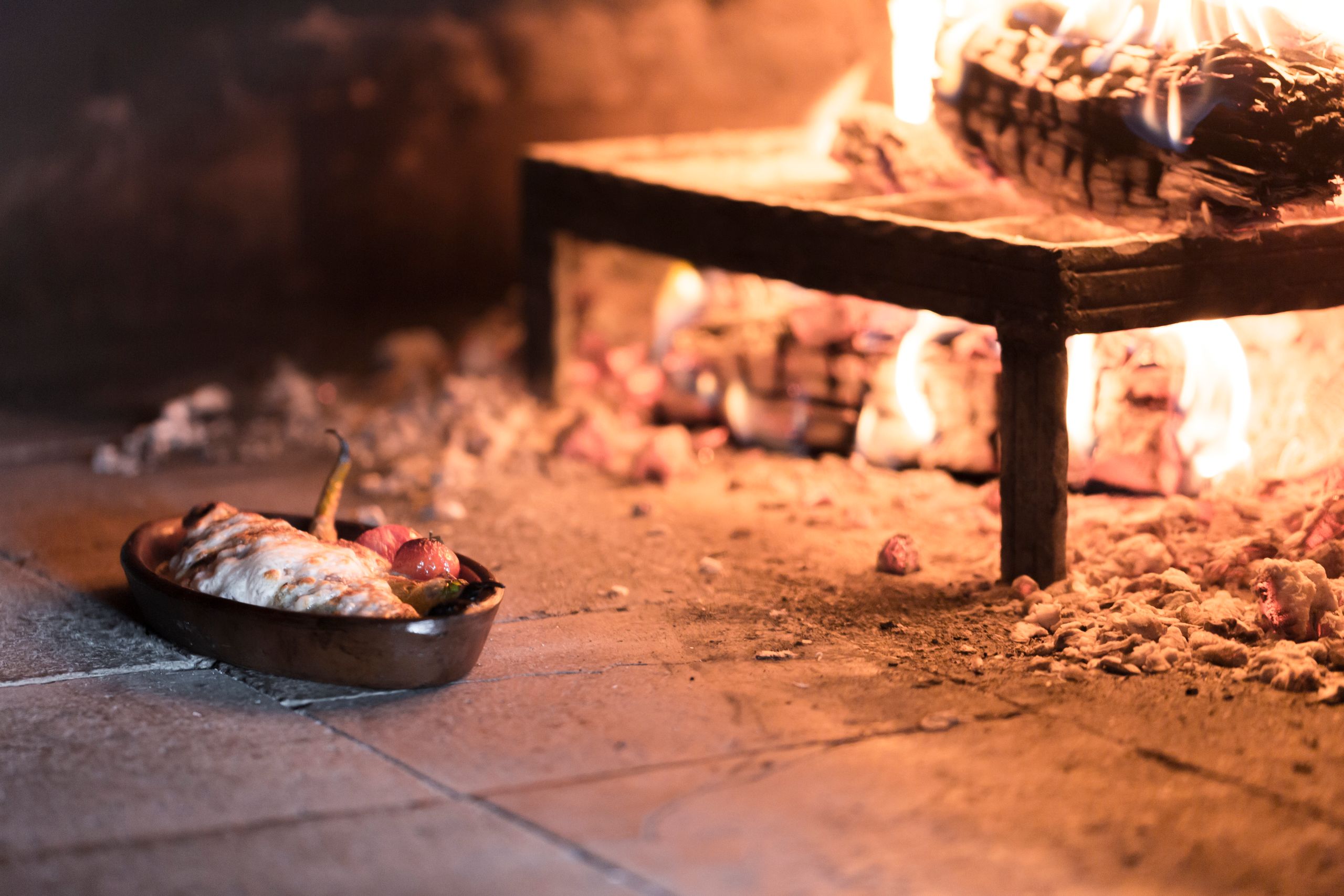
Cooking produces heat as well as food. Preparing a meal in the oven can warm the kitchen, and baking can make the home feel comfortable in cold weather.
However, never use an oven or gas stovetop as a substitute for home heating. These appliances can create carbon monoxide, consume oxygen, or start a fire if used improperly.
After cooking, allow the oven to cool normally with the door closed unless the manufacturer provides different instructions. Keep heat-producing appliances away from children and flammable materials.
Layer Blankets and Fabrics
Heavy blankets, quilts, wool throws, and fabric wall hangings were practical ways to make rooms and beds feel warmer. A blanket on a sofa can improve comfort without raising the temperature of the entire house.
Use extra bedding at night instead of relying only on higher heating settings. Choose breathable materials and avoid covering heaters, vents, or electric blankets in ways that can cause overheating.
Traditional quilts can also add color and character, making a room feel warmer visually and physically.
Seal Small Gaps Carefully
Older homes may have small gaps around windows, skirting boards, floorboards, letter boxes and exterior doors. A simple inspection can reveal where cold air is entering.
The Department of Energy recommends starting with an energy audit and considering air sealing, insulation, moisture control and ventilation as part of a whole-home approach.
Temporary measures such as removable weatherstripping or a rolled towel can help identify problem areas. Permanent repairs should use appropriate caulk, sealant, or professional assistance.
Do not seal vents, combustion-air openings or areas that require ventilation for safety.
Other post you might like:
If you like what you just read, then subscribe to our newsletter and follow us on social media


