8 Highly Protein-Rich Vegetables You Need to Include in Your Diet

When it comes to building muscle, staying full longer, and nourishing your body, protein is an essential nutrient. While meat and dairy products are well-known protein powerhouses, many people are turning to vegetarian choices for a healthier, better, more sustainable way of eating.
The good news is that there’s a variety of protein-rich vegetables that can easily fit into your diet, whether you’re vegan, vegetarian, or just looking to diversify your meals.
Here are eight vegetables that pack a serious protein punch, giving you all the muscle-building benefits without the meat.
Edamame
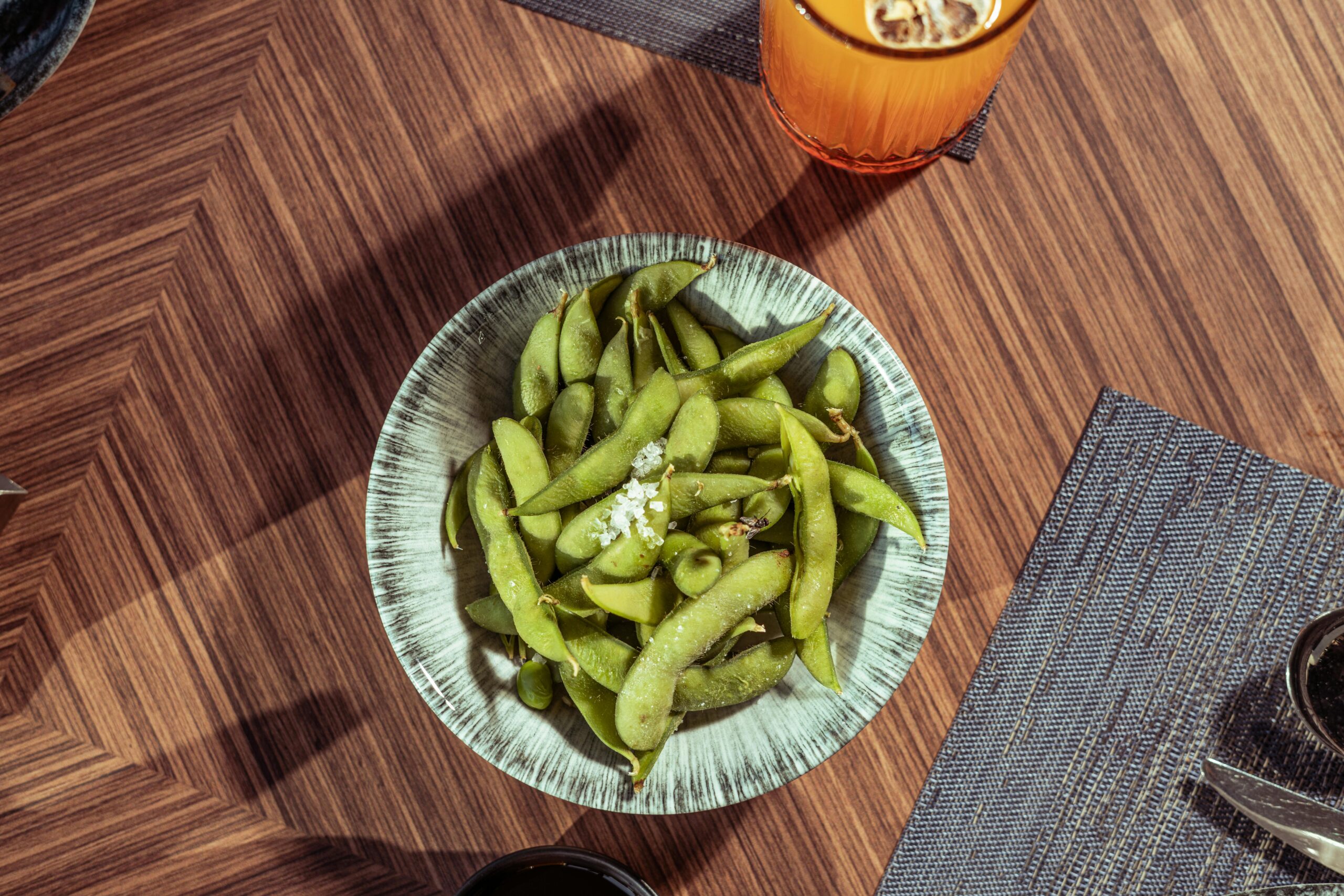
Edamame, or young soybeans, are an incredible source of plant-based protein, making them one of the best vegetables for boosting protein intake. Just one cup of cooked edamame provides a hefty 17 grams of protein.
These little green pods are also high in fiber, vitamins, and minerals, rendering them a perfect snack or addition to salads and stir-fries. Whether you enjoy them steamed with a sprinkle of sea salt or tossed in a spicy dressing, edamame is a protein-packed powerhouse.
Spinach

This leafy green is more than just a great source of iron; it’s also packed with protein. One cup of cooked spinach contains about 5 grams of protein. It’s loaded with vitamins A, C, and K, along with a host of antioxidants, making it a nutritional goldmine.
Whether you add it to smoothies, sauté it with garlic, or use it as the base for a salad, spinach provides a healthy dose of protein that helps build and repair tissues.
Peas
Don’t underestimate the humble pea. This small vegetable is a protein-packed powerhouse, providing about 9 grams of protein per cup when cooked. Peas are rich in vitamins A, C, and K, as well as fiber that supports digestive health.
They’re also incredibly versatile; toss them into salads, soups, or stews, or enjoy them as a side dish for an added protein boost.
Broccoli
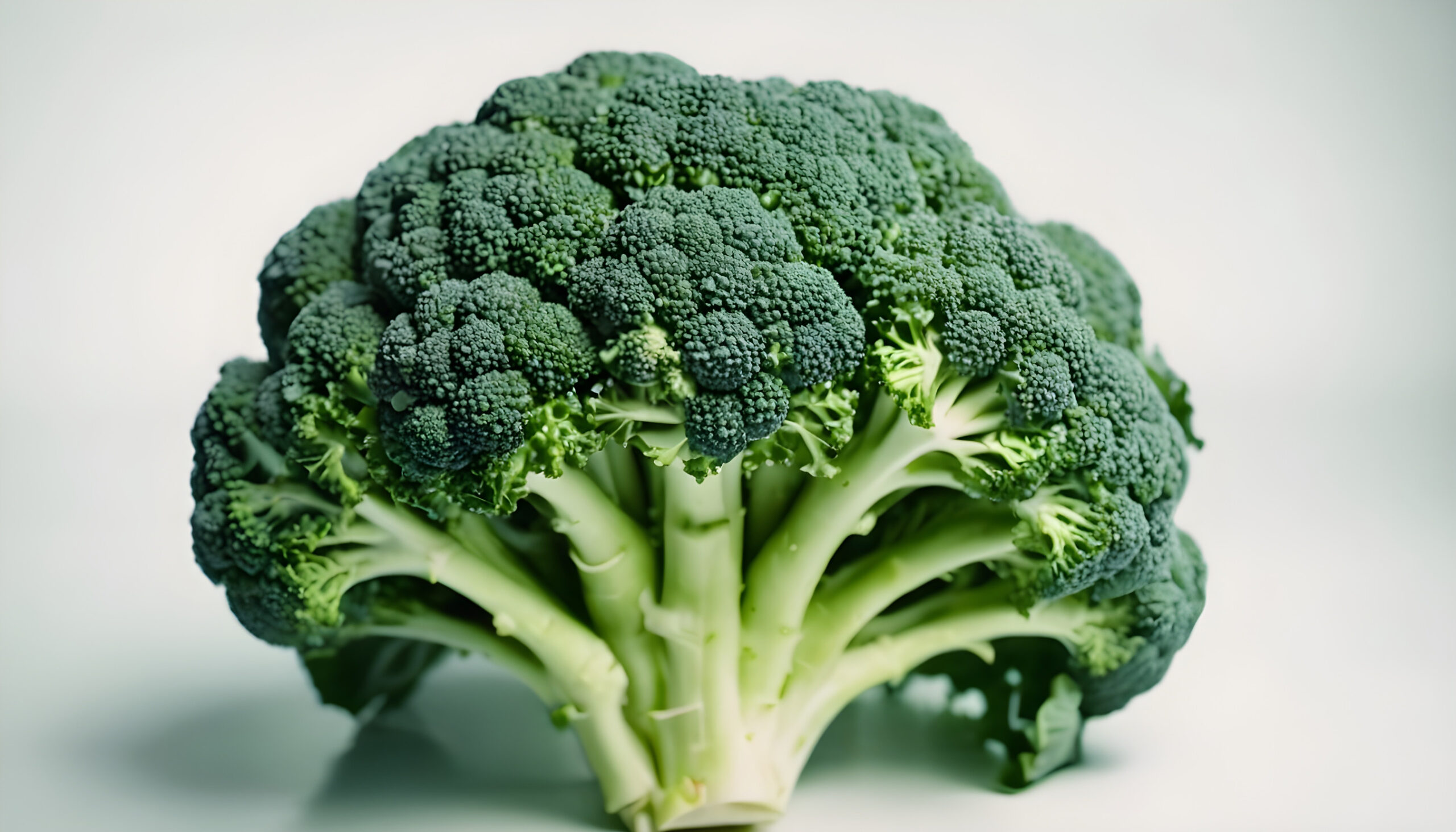
Broccoli is a well-known nutritional superstar, offering not only a rich source of protein but also significant amounts of fiber, vitamins, and minerals. One cup of cooked broccoli contains around 4 grams of protein. This cruciferous vegetable is also packed with antioxidants, including sulforaphane, which has anti-inflammatory properties.
Add it to stir-fries, soups, or eat it raw with a tasty dip; the possibilities are endless, and the benefits are bountiful.
Kale
Kale is a dark leafy green that deserves a permanent spot in your diet. While it’s often hailed for its high levels of vitamins and minerals, kale is also a solid protein source, offering about 3 grams of protein per cup when cooked.
Beyond protein, kale is rich in antioxidants, fiber, and vitamin K, making it an excellent vegetable for supporting overall health. Enjoy kale in salads, smoothies, or sautéed with a bit of olive oil for a nutrient-dense addition to any meal.
Artichokes
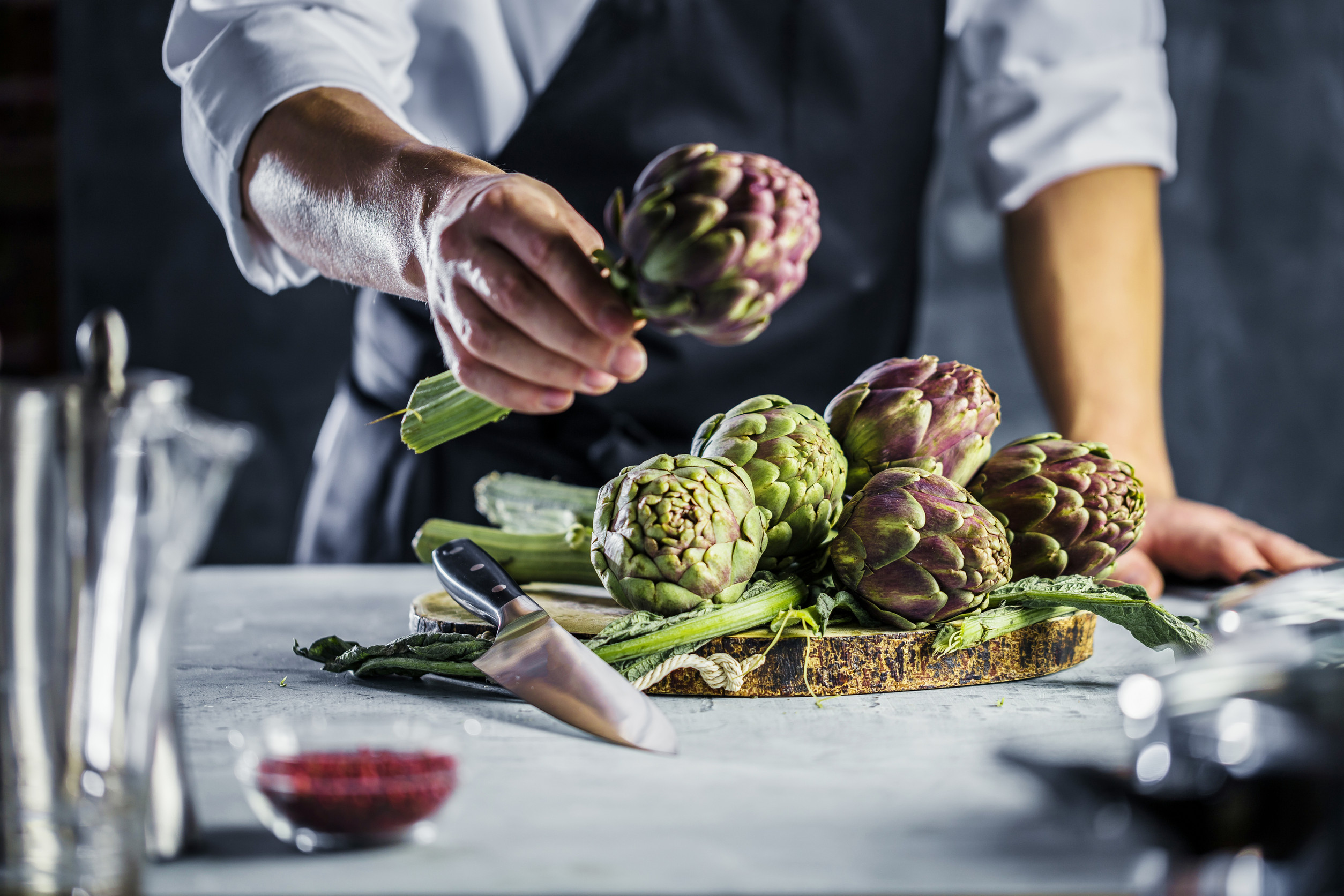
Artichokes are often overlooked when it comes to high-protein vegetables, but these thistle-like plants are a protein-rich treasure. One medium artichoke provides around 4 grams of protein, making it a great addition to any meal.
They’re also rich in fiber, antioxidants, and vitamins C and K. Artichokes can be enjoyed steamed, roasted, or added to pastas and salads, giving your dishes a healthy, protein-packed punch.
Brussels Sprouts
Brussels sprouts are another cruciferous vegetable that’s high in protein and fiber. Just one cup of cooked Brussels sprouts provides about 4 grams of protein. They’re also loaded with vitamins C and K, folate, and manganese.
Roasting or sautéing Brussels sprouts brings out their natural sweetness, making them a delicious side dish or salad topper that boosts your protein intake without meat.
Sweet Corn
Conclusion
If you’re looking to boost your protein intake without relying solely on animal products, these vegetables are a perfect place to start. From edamame to sweet corn, these plant-based protein sources are not only nutritious but also incredibly versatile, making them easy to incorporate into a variety of dishes.
Whether you’re building muscle, maintaining a healthy weight, or simply looking to eat more plant-based meals, these protein-rich vegetables will fuel your body with the nutrients it needs to thrive.
Read the original Crafting Your Home.