


For many, saying “I am American” no longer inspires pride; it sparks guilt, frustration, or even embarrassment. Endless political scandals, systemic injustice, social dysfunction, and moral contradictions have turned national identity into a source of anxiety rather than honor.
Headlines filled with corruption, inequality, and violence leave millions questioning what it truly means to belong to this country.
This shame is not shallow; it reflects deep structural, cultural, and ethical failures. Understanding these eight devastating realities exposes why patriotism has fractured, why global perception of the U.S. is critical, and why citizens increasingly hesitate to claim the label “American” without hesitation.
Rampant Political Corruption and Dysfunction

America’s political system, mired in lobbying influence, partisan gridlock, and repeated scandals, undermines trust and fuels cynicism. Leaders appear more invested in personal gain or party loyalty than public welfare, leaving citizens disillusioned with governance.
The result is widespread disengagement, voter apathy, and a sense that democracy serves the powerful instead of the people. For many Americans, the disconnect between promises and reality generates embarrassment over national leadership and global reputation.
Enduring Racial and Social Inequality
Systemic racial and social disparities persist in policing, healthcare, housing, education, and income. Historical injustices, paired with ongoing discrimination, reveal a nation still struggling to live up to its founding ideals of liberty and equality.
Many Americans feel guilt or shame when they witness inequity, particularly when ideals of freedom and opportunity do not extend to all citizens. This tension between values and reality leaves national identity feeling flawed, and pride becomes complicated by conscience.
Escalating Gun Violence

The U.S. suffers alarmingly high rates of mass shootings, firearm deaths, and gun-related injuries compared to other developed nations. Daily headlines of violence instill fear and frustration.
Citizens often feel ashamed that a global superpower cannot implement effective measures to protect lives. This persistent epidemic undermines confidence in safety, governance, and the country’s moral responsibility.
Failing Healthcare System
Despite enormous wealth, millions remain uninsured or underinsured, facing barriers to care and skyrocketing medical costs. Life-saving treatments are inaccessible to many, exposing systemic inequities in healthcare access.
This failure generates embarrassment and anger among Americans who expect a developed nation to provide equitable care. The gap between capability and reality contributes directly to national shame.
Extreme Political Polarization
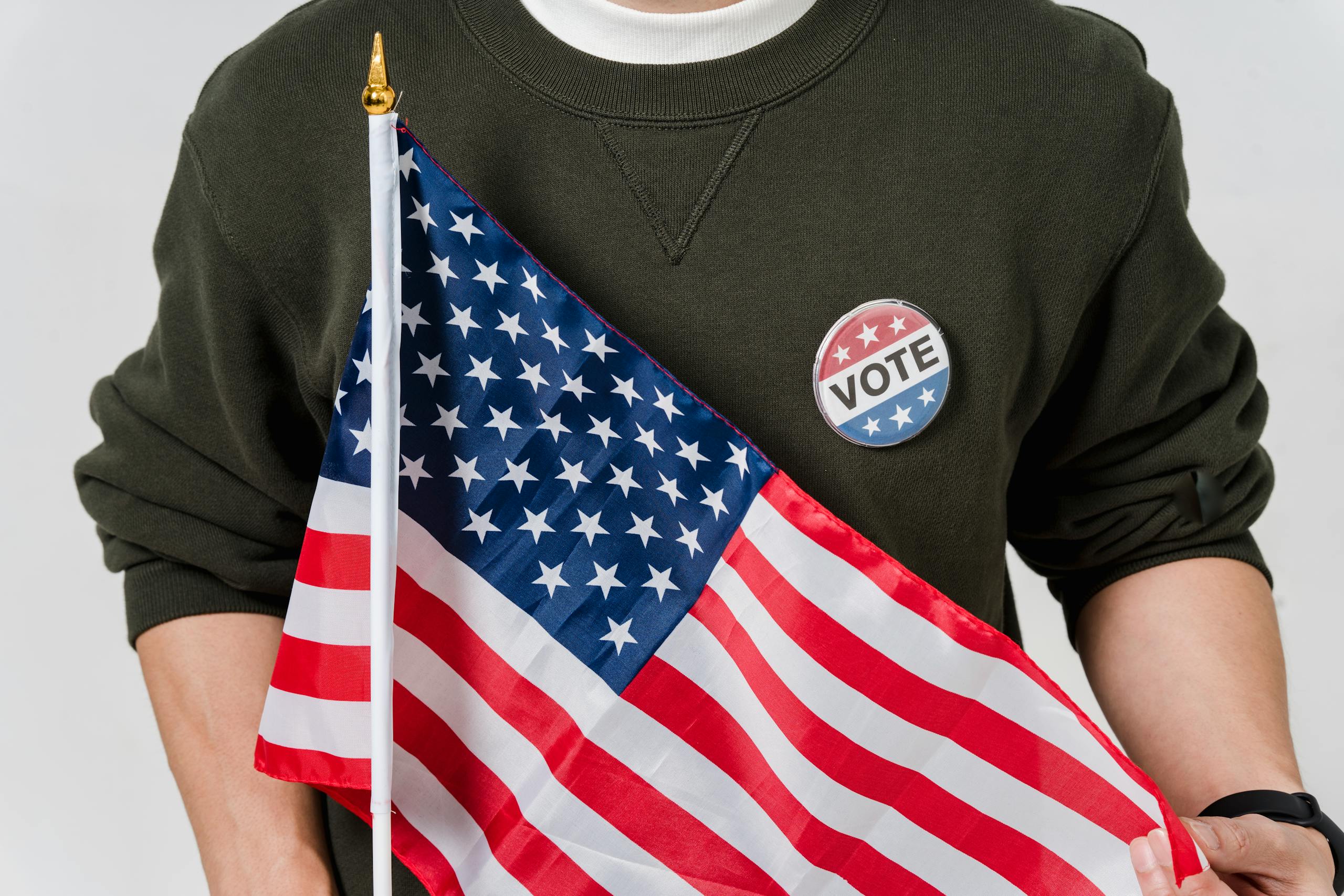
Deepening ideological divides, online vitriol, and partisan warfare have made unity nearly impossible. Americans witness extreme conflict even on basic governance and civic values.
This environment fosters alienation, social tension, and eroded trust. Many citizens feel ashamed that national identity is increasingly associated with hostility rather than collaboration.
Soaring Economic Inequality
A small elite accumulates vast wealth while millions struggle with stagnant wages, housing insecurity, and limited opportunities. This economic imbalance intensifies resentment and social fragmentation.
Financial inequity undermines pride in the American dream and fosters shame among citizens who see structural barriers that prevent upward mobility, despite national rhetoric promising opportunity for all.
Environmental Neglect

The U.S. often lags in addressing climate change, pollution, and environmental degradation, drawing global criticism. Domestic failures exacerbate ecological crises affecting communities across the country.
Citizens feel complicit and embarrassed about environmental inaction. The dissonance between national influence and ecological responsibility tarnishes global reputation and personal pride.
Cultural Hypocrisy and Moral Contradictions
The gap between national ideals, freedom, equality, justice, and everyday reality fosters cognitive dissonance. Consumerism, systemic injustice, and political extremes highlight contradictions in society.
Many Americans feel embarrassed because the nation often fails to live up to its promises. Patriotic pride gives way to tension, leaving citizens uncertain about asserting their identity with confidence.
Recognizing these eight brutal realities explains why millions hesitate to identify as American. The nation’s systemic failures, social inequalities, and moral contradictions undermine pride, making awareness and reform essential to restoring trust, unity, and a genuine national identity.


