8 Fascinating and Surprising Facts About Humans and Horses You May Not Have Known
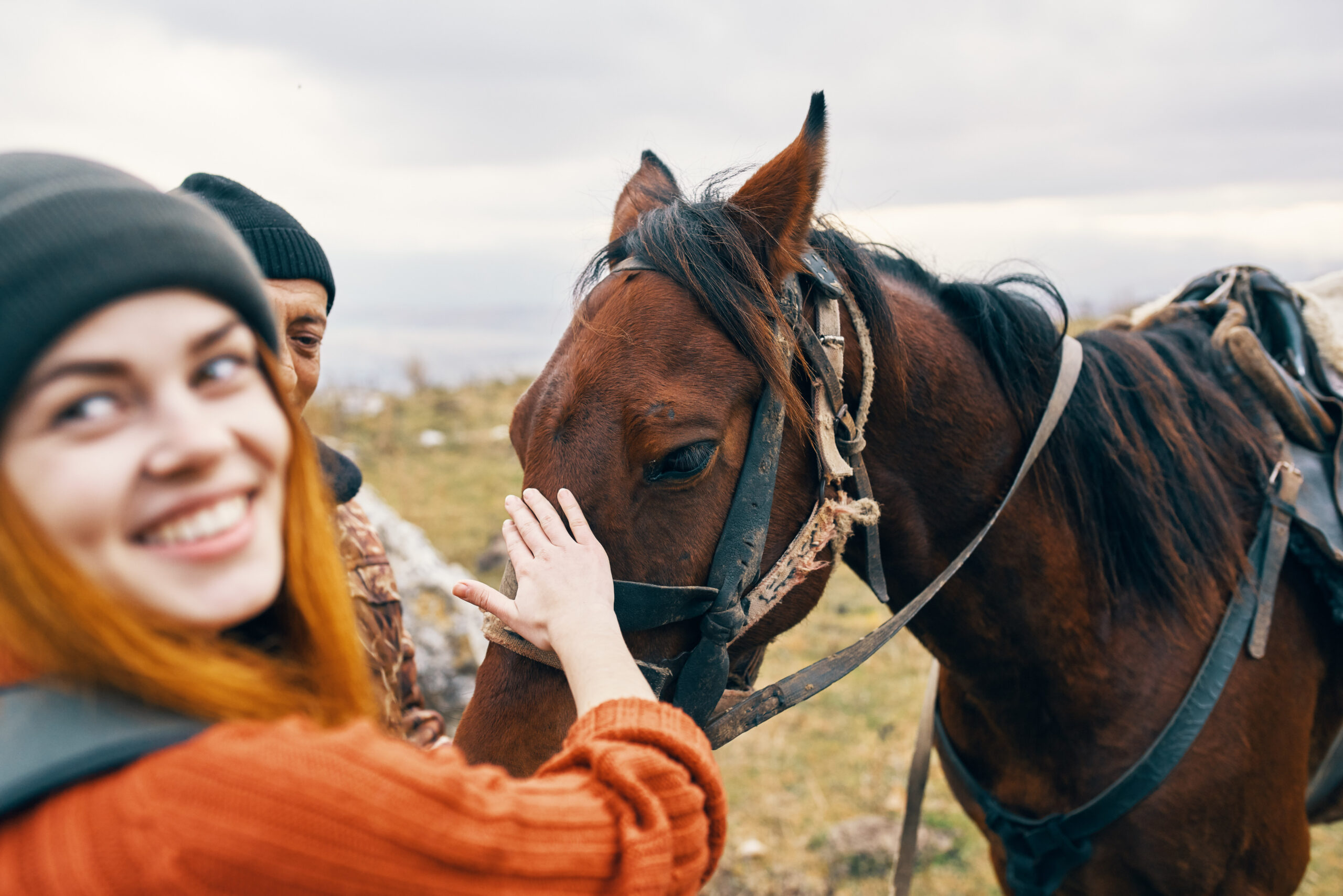
Humans and horses have shared a unique bond for centuries. From transportation and farming to companionship and sports, these majestic animals have played an integral role in shaping human civilization.
However, beyond their practical roles, there are some mind-blowing and strange facts about humans and horses that not many people are aware of. These facts span a wide range of topics, from biology to behavior, and they highlight just how remarkable both species truly are.
In this article, we delve into some of the most astonishing facts about humans and horses, exploring the deep connection between the two.
Horses Can Read Human Emotions
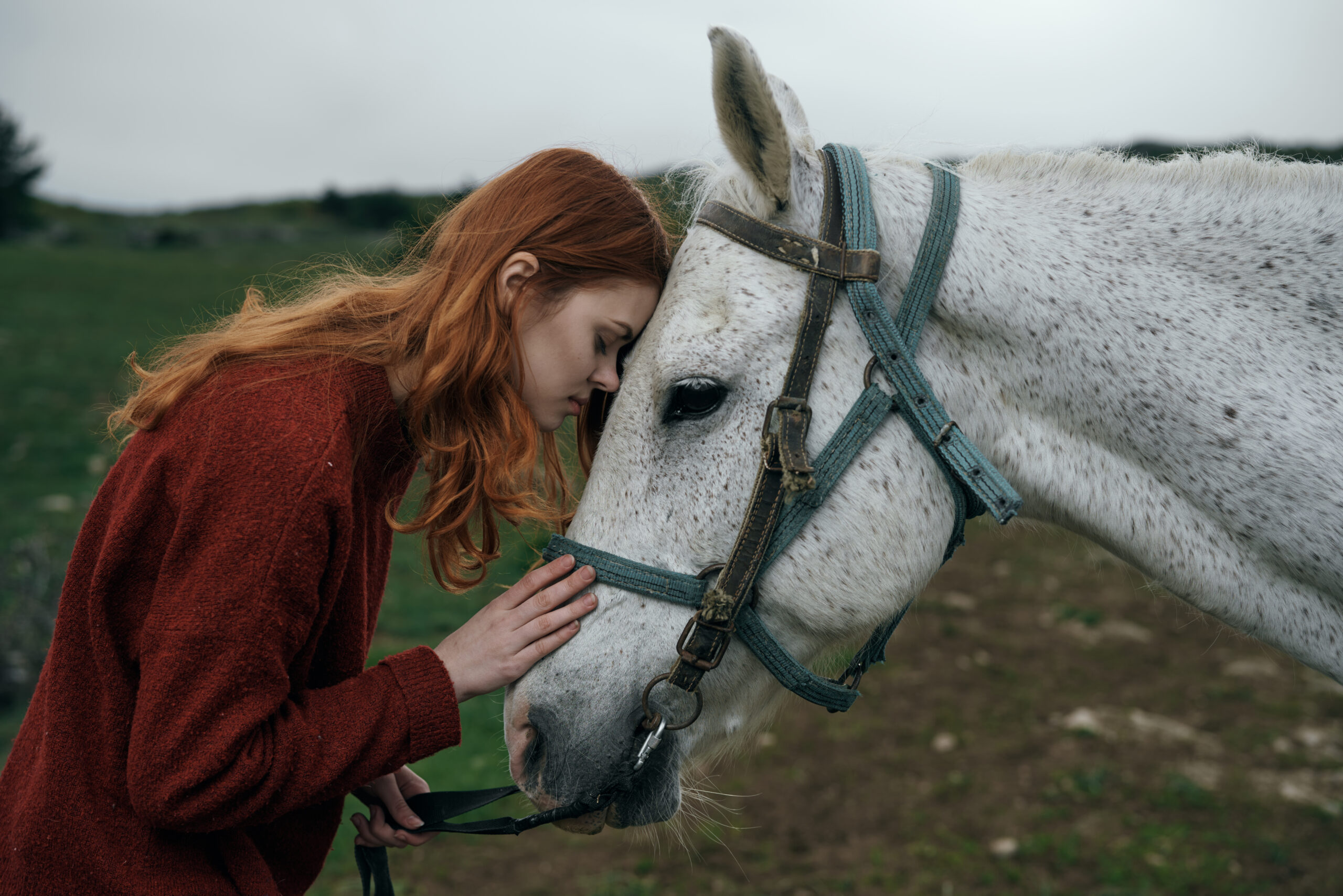
One of the most extraordinary facts about horses is their ability to read and react to human emotions. Horses are incredibly perceptive animals that can sense subtle cues in a person’s voice, body language, and even facial expressions.
Studies have shown that horses can distinguish between happy, angry, and neutral human facial expressions.
This emotional intelligence allows them to form close bonds with their human companions, responding with affection or wariness based on how they are being treated.
The Science Behind Horses’ Emotional Sensitivity
Research has shown that horses have a sophisticated understanding of human emotions and can recognize their handlers’ emotional states from facial expressions and tone of voice.
This remarkable ability may be linked to their evolutionary need for survival, as horses, being prey animals, needed to be attuned to the emotions of predators and other herd members.
Humans and Horses Have Similar Heart Rates
It’s fascinating to know that horses and humans share a surprising physiological similarity: their heart rates often align during moments of deep emotional connection.
In fact, research has found that when humans and horses are in proximity, their heart rates can synchronize, especially during moments of calm or intense emotional exchange.
This phenomenon, known as heart-rate coherence, demonstrates a profound connection that goes beyond words.
Why Does This Happen?
When a human and a horse form a bond, their bodies can align in various ways, including syncing heartbeats. Heart rate synchronization reflects a harmonious connection between the two species.
This is why horses are often used in therapies such as equine-assisted therapy: they can help regulate human emotional and physiological states by providing a calming presence.
Horses Can Sleep Both Standing and Lying Down

Horses have a unique way of sleeping. They can sleep both standing up and lying down, but the way they do so is very different from how humans do.
When horses sleep standing, they use a specialized locking mechanism in their legs, known as the “stay apparatus,” that keeps them upright.
This adaptation helps them stay alert to potential threats while they rest, as horses are prey animals and must be ready to flee at a moment’s notice.
When Do Horses Lie Down to Sleep?
While horses can sleep standing, they also need to lie down for deep REM sleep, which is essential for their well-being.
However, they only require a few hours of REM sleep each day, which is why they can sleep standing for the majority of the time.
This dual ability to rest in both positions makes horses highly adaptable in the wild, where remaining alert while resting is crucial for survival.
Horses Have a Highly Developed Sense of Smell
Horses’ sense of smell is one of their most finely tuned senses. They have a remarkable ability to detect scents from miles away, which they use for various purposes, such as finding food, identifying other horses, and sensing danger.
Their keen sense of smell is also vital for their survival, as it helps them detect predators before they approach. This powerful olfactory system allows horses to form strong bonds with humans, as they can recognize familiar scents and respond with affection.
How Horses Use Their Sense of Smell
Horses use their sense of smell to communicate with each other, particularly when it comes to establishing dominance or friendship within a herd. They will often nuzzle each other’s faces, exchanging scents to reinforce social bonds.
This powerful sense of smell is also why horses are so responsive to environmental changes, reacting to subtle shifts in the air that humans may not even notice.
Horses Have Excellent Memory
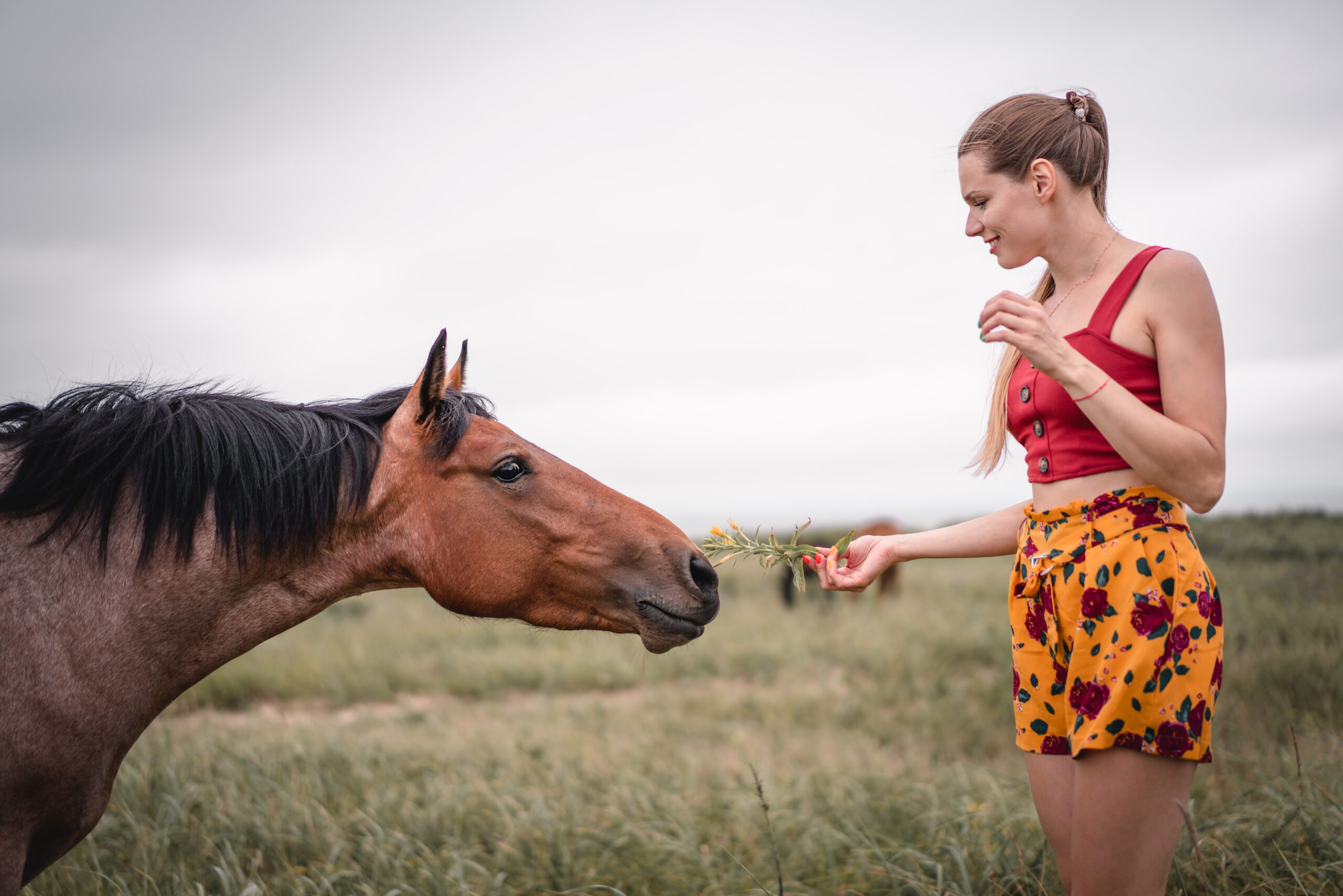
A horse’s memory is far superior to that of many other animals, including humans. Horses can remember specific people, places, and even experiences for many years.
This is particularly evident in the way horses bond with their human caretakers and form lasting relationships.
If a horse has a positive or negative experience with a person, it can recall that memory for years and often reacts accordingly when it encounters that person again.
The Power of Long-Term Memory
Horses can remember details about their environment and experiences in vivid detail. They can recall specific training cues, recognize faces, and even navigate complex environments based on memories they’ve formed.
This impressive memory helps wild horses remember the locations of food, water, and safe resting places, and it also enhances their ability to learn and adapt to new situations.
Horses Can Communicate Through Body Language
While humans rely heavily on verbal communication, horses use body language as their primary mode of communication. Every movement a horse makes can convey a message, from the position of its ears to the movement of its tail.
For example, when a horse’s ears are pointed forward, it typically indicates curiosity or interest, while flat ears signify aggression or irritation.
Horses use their bodies to communicate with other horses, humans, and even predators, making their body language a crucial survival tool.
Understanding the Horse’s Body Language
Recognizing a horse’s body language is essential for developing a strong bond with them. For instance, a horse’s posture can indicate whether it feels relaxed, threatened, or playful.
A relaxed horse will have its ears forward, its head low, and its body loose. In contrast, a horse that is feeling threatened will have its ears back, its body tense, and may even stamp its feet.
Understanding these cues is essential for any horse owner or trainer, as it allows for more effective communication and stronger relationships.
Horses Have a Unique System of Communication with Their Hooves
In addition to body language, horses also communicate through their hooves. This form of communication is often overlooked, but it is just as vital as their other forms of expression.
Horses use their hooves to signal their intentions, emotions, and physical state. For instance, when a horse stamps its hooves, it may indicate impatience, irritation, or a desire for attention.
In the wild, hoofbeats can also signal the presence of a predator, alerting other horses in the herd to danger.
The Significance of Hoof Communication
Hoofbeats play a critical role in a horse’s communication, especially in the wild. The rhythm and force of the hooves can indicate the mood or urgency of the horse’s message.
By learning to interpret these sounds, humans can gain a deeper understanding of a horse’s emotional state and respond accordingly.
Humans and Horses Share a Deep Emotional Bond
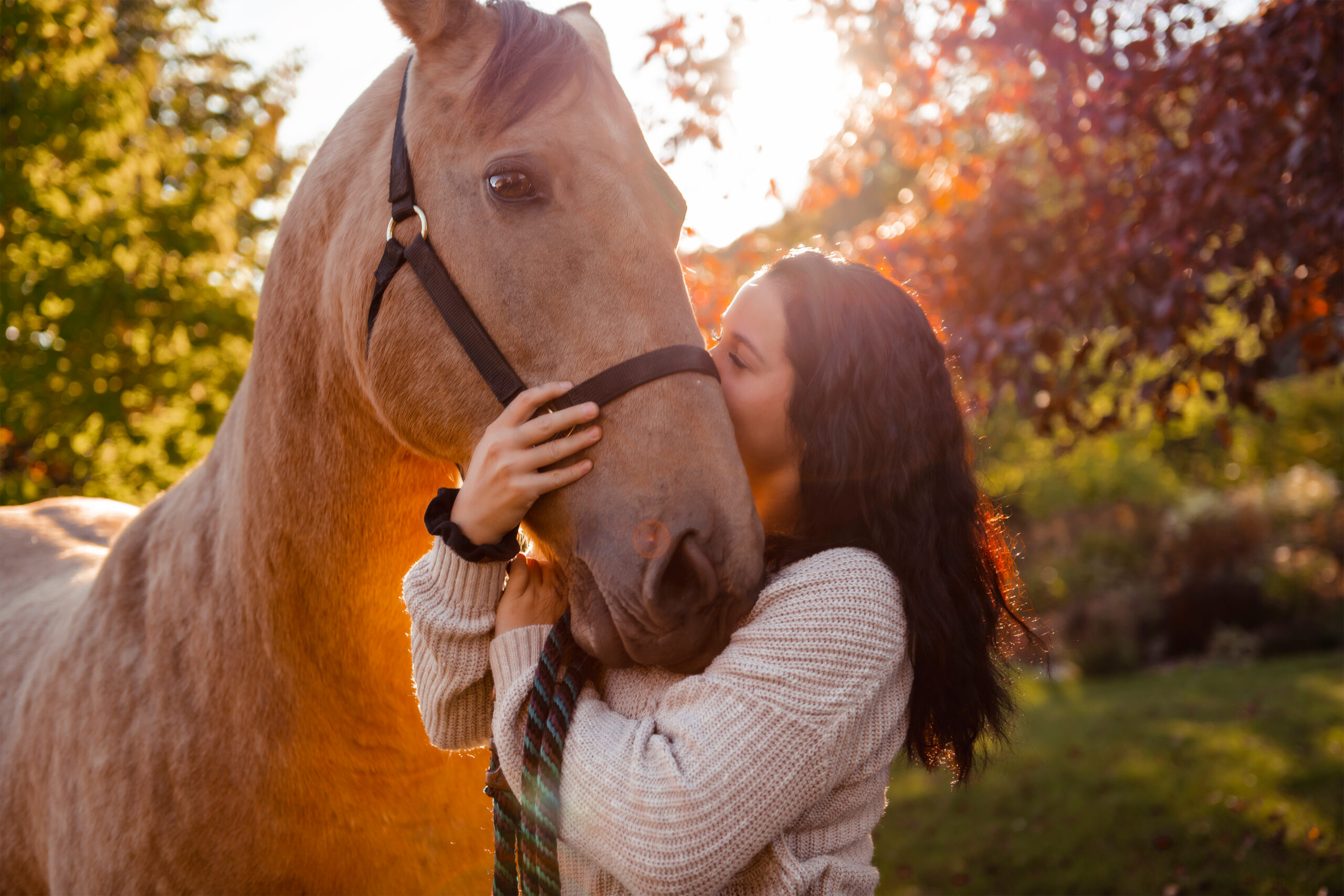
Perhaps one of the most surprising facts about humans and horses is the deep emotional bond that can form between them.
Horses are known to form close attachments to humans, displaying affection through nuzzling, licking, and following their owners. In return, humans often feel a profound sense of connection and empathy toward their horses.
This bond is not only emotional but also psychological, as horses can sense their human companions’ moods and respond accordingly.
The Psychological Impact of Horse-Human Relationships
The relationship between humans and horses can offer therapeutic benefits, particularly in equine-assisted therapy.
Studies have shown that spending time with horses can help reduce stress, anxiety, and depression, fostering a sense of calm and well-being.
The bond between humans and horses allows both species to experience emotional healing and growth, making them powerful partners in therapeutic settings.
Conclusion
The relationship between humans and horses is more than just practical; it is deeply rooted in emotion, understanding, and mutual respect. From their ability to read human emotions to their extraordinary memory and body language, horses are remarkable creatures that continue to fascinate us.
Their role in our lives is not just functional but also emotional, and their bond with humans continues to evolve. As we continue to learn more about these magnificent animals, we uncover even more surprising facts that deepen our appreciation for the connection we share with them.
Whether for sport, therapy, or companionship, the relationship between humans and horses is one of the most enduring and meaningful in history.