


The post 8 Everyday Behaviors That Can Make Someone Seem Rude Without Meaning To first appeared on Crafting Your Home
Most people do not wake up planning to be rude. More often, rudeness comes from distraction, stress, social anxiety, or simply not realizing how a behavior lands on someone else.
Still, small habits can send the wrong message. A glance at a phone, a late arrival, or an interruption can make someone feel dismissed even when no offense was intended.
The good news is that most of these habits are easy to fix once you notice them. A little more awareness can make everyday interactions feel warmer, more respectful, and more connected.
Here are eight everyday behaviors that can make someone seem rude without meaning to.
Interrupting People Mid-Sentence

It can also happen when someone is eager to relate or add context. Still, repeatedly cutting people off can make conversations feel one-sided and dismissive.
A simple fix is to pause, let the other person finish, and then share your thought. If you are worried about forgetting, jot a quick note or mentally anchor your point to what they said.
Related: 10 Outrageous Reasons People Were Kicked Out of Restaurants
Checking Your Phone During a Conversation
Constantly checking a phone during a conversation, often called “phubbing,” has become second nature in a screen-driven world. But it can make the other person feel like something else matters more.
Even a glance can signal that you are not fully present. In group settings, answering a call or texting while others are talking can seem especially rude because it shows a lack of consideration for those around you.
Putting the phone away, even for a short conversation, shows attention and respect. If you must take a call, excuse yourself briefly rather than continuing the conversation in front of others.
Being Late Without an Explanation
Being late with no heads-up, apology, or explanation can feel especially dismissive. It can leave others waiting, wondering, or adjusting plans without knowing why.
A quick message saying you are running behind can go a long way toward preserving goodwill. Even a brief acknowledgment afterward can soften the impact.
Not Acknowledging Someone

This can happen when someone is distracted, shy, or simply did not hear. But the other person may interpret silence as disinterest. In group settings, rarely smiling or acknowledging others can make people assume you are closed off.
A simple “hello,” a nod, or a brief acknowledgment can prevent that misunderstanding. It signals that you see the other person and value their presence.
Related: 15 American Habits and Phrases That Are Rude in Other Countries
Avoiding Eye Contact
For some people, especially those who are shy or anxious, avoiding eye contact is not intentional. But others may read it as disengagement or disrespect.
Making brief, natural eye contact can help conversations feel more connected. You do not need to stare; look up when someone is speaking to you and hold their gaze for a moment before looking away.
Giving Unsolicited Advice
It may also come across as assuming a level of familiarity that has not been earned. In group settings, it can feel like you are hijacking the conversation or turning every topic into your own story.
A better approach is to ask first: “Do you want advice, or do you just want to vent?” This respects the other person’s autonomy and avoids making them feel judged.
Oversharing Personal Information
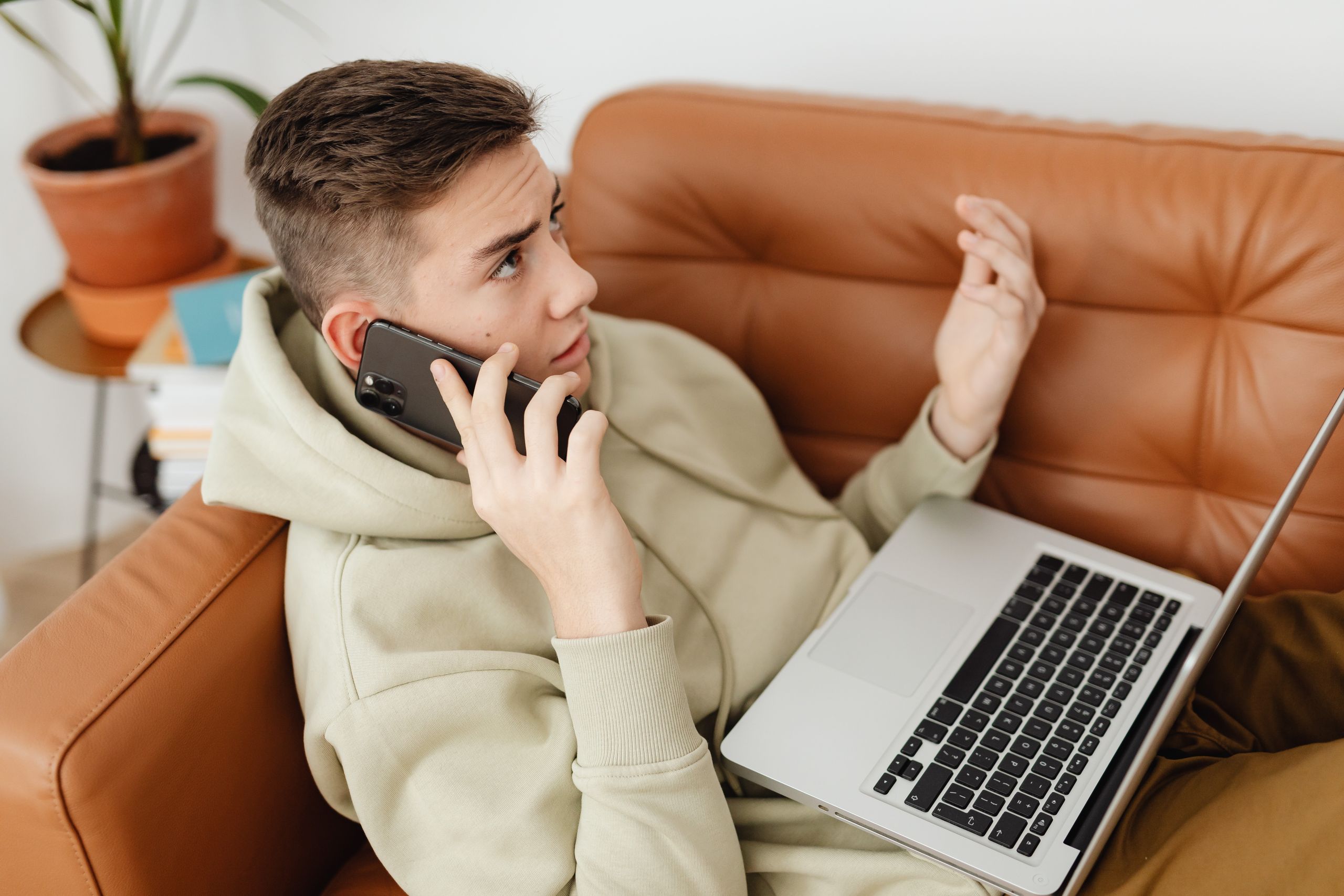
It can also put someone in the position of carrying an emotional burden they didn’t agree to. In group settings, it can feel like you are turning the conversation into your own story, leaving others feeling trapped.
Openness can build connection, but timing and context matter. A good rule of thumb is to match how much you share to the relationship and setting.
Leaving People on Read
It can send the message that you don’t value their time, even if that is not your intention. In group chats, it can also make others feel like their contributions are being ignored.
A short reply, even “I’ll get back to you later,” can prevent hurt feelings. If you are overwhelmed, a brief acknowledgment is better than silence.
Related: 7 Things Women Who Know Their Worth Do That Others Often Mistake for Rudeness
Why These Habits Matter
Rudeness is often unintentional. Research suggests that only a small percentage of people say they are rude because it is fun or because they can get away with it.
Most rudeness comes from cluelessness, being inconsiderate, or not thinking through how someone else might feel. Even small nonverbal cues like crossed arms, eye rolls, or side glances can signal disinterest or discomfort without you realizing it.
The good news is that these habits are easy to fix once you notice them. A little more attention, a little more patience, and a little more awareness can make everyday interactions feel much more respectful.
How to Break the Habit
The second step is to pause before reacting. If you feel the urge to interrupt or give advice, take a breath and let the other person finish first.
The third step is to use intentional body language. Uncross your arms, make eye contact, and put your phone away when someone is speaking to you.
The fourth step is to follow through. If you say you will call someone back, do it. If you say you will be somewhere at a certain time, be there. Consistency builds trust.
Other post you might like:
- 9 American Behaviors That Can Be Quite Offensive or Perplexing
- 6 Relationship Behaviors That Can Be Impossible to Forgive
- 7 Behaviors That Reveal a Man Is Not as Kind as He Seems
If you like what you just read, then subscribe to our newsletter and follow us on social media


