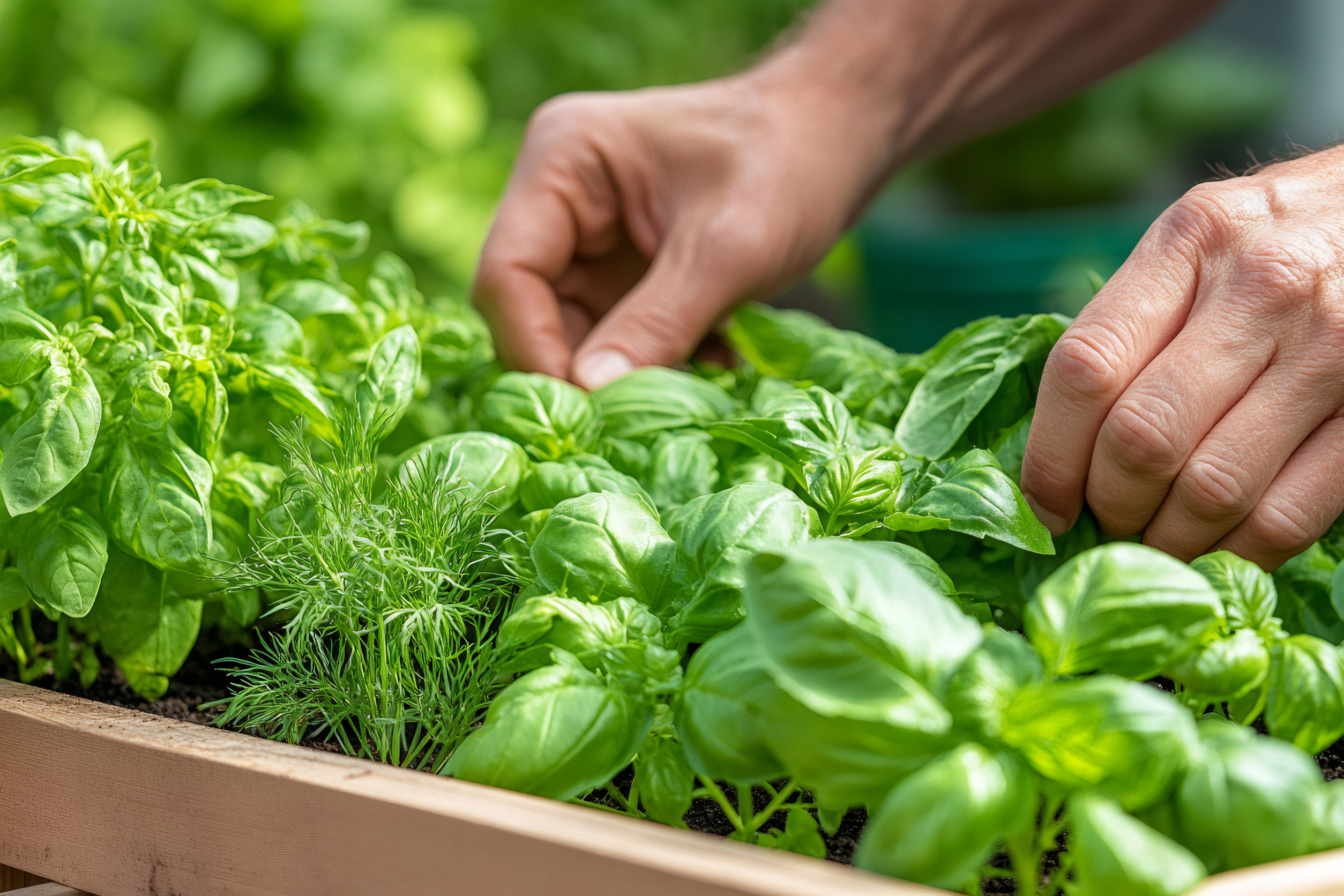
Embarking on your gardening journey as a first-timer can be both exciting and overwhelming, but there’s no need to fear. Growing your own herbs is a fantastic way to start, and the good news is that many herbs are surprisingly easy to cultivate, even for those with little gardening experience.
In this guide, we’ll walk you through eight of the easiest herbs to grow, offering a wealth of fresh, flavorful additions to your kitchen.
Basil
Image Credit:123RF Photos
Basil is often regarded as one of the best herbs for beginner gardeners, and for good reason. This aromatic herb is not only simple to grow but also highly versatile, adding a fresh kick to dishes like pasta, pizza, salads, and even cocktails.
Basil thrives in warm, sunny environments, making it perfect for outdoor gardens or windowsill planters.
Growing Tips
Light Requirements: Basil loves full sunlight and needs at least 6-8 hours of direct sunlight each day.
Watering Needs: Keep the soil consistently moist, but avoid overwatering. Let the soil dry out slightly between waterings.
Harvesting: Regular harvesting encourages new growth. Snip the leaves and flowers when they are young and tender to maintain the plant’s vitality.
Basil is a low-maintenance herb that also grows quickly, with wide varieties offering distinct flavors such as sweet, spicy, or lemony. Just a little care and attention, and you’ll be ready to enjoy this herb all season long.
Mint
Mint is one of the most resilient herbs to grow, making it perfect for novice gardeners. Known for its refreshing aroma and flavor, mint is a popular addition to teas, desserts, and savory dishes. However, be warned, it’s a prolific grower that spreads rapidly, so it’s best to plant it in a pot or container to prevent it from overtaking your garden.
Growing Tips
Light Requirements: Mint can tolerate partial shade, though it will grow best with some direct sunlight each day.
Watering Needs: This herb enjoys moist, well-drained soil. Ensure that it doesn’t dry out completely, but don’t let it become waterlogged.
Harvesting: Snip the leaves regularly, especially before the plant flowers, to keep it from becoming too woody. The leaves can be used fresh or dried for later use.
Mint is not only forgiving and low-maintenance, but it’s also incredibly versatile, offering everything from refreshing mojitos to invigorating tea. Just keep it in check, and it’ll reward you with endless fresh leaves.
Parsley
Image Credit:123RF Photos
Parsley is another excellent choice for beginner gardeners. It’s a well-known herb that adds brightness to a wide variety of dishes, from soups and stews to garnishes and salads. Parsley is easy to grow and doesn’t require much fuss, making it perfect for those just starting out.
Growing Tips
Light Requirements: Parsley prefers partial sun but can tolerate full sun. Aim for 4-6 hours of sunlight each day.
Watering Needs: Keep the soil consistently moist but not soggy. Parsley does well in a slightly humid environment.
Harvesting: Harvest the outer leaves, which are the most mature, and leave the center intact to allow the plant to continue growing.
Whether you use it to top off your favorite dishes or to make zesty tabouli, parsley is a reliable herb that adds nutrients and flavor. Plus, it can be grown in both soil and containers, making it a great choice for gardeners of all types.
Chives
Chives are an incredibly easy herb to grow, with their mild onion-like flavor perfect for enhancing a variety of dishes. Whether you’re adding them to salads, scrambled eggs, or baked potatoes, chives are a must-have for any kitchen garden. They also have beautiful purple flowers that can add a touch of color to your garden.
Growing Tips
Light Requirements: Chives prefer full sunlight but can also tolerate partial shade. Aim for 6 hours of sunlight a day.
Watering Needs: Chives don’t like to be too wet, so ensure the soil drains well. Water them when the top layer of soil is dry to the touch.
Harvesting: Snip the leaves with scissors or pruning shears, leaving about 1 inch of growth above the soil to allow new shoots to form.
Chives are hardy and low-maintenance, often regrowing year after year. They’re perfect for beginners looking for a simple herb that doesn’t demand much attention but delivers on flavor.
Thyme
Image Credit:123RF Photos
Thyme is one of the most versatile herbs you can grow, offering a rich, earthy flavor that pairs well with everything from meats to vegetables. This herb thrives in both gardens and pots, making it an ideal candidate for small or container gardens.
Growing Tips
Light Requirements: Thyme prefers full sunlight and requires at least 6 hours of direct sun daily.
Watering Needs: This herb is drought-tolerant and doesn’t like its roots to sit in wet soil. Water sparingly, allowing the soil to dry out between waterings.
Harvesting: Pick thyme leaves regularly, especially before it flowers. You can harvest the whole stem or individual leaves.
Thyme is a low-maintenance herb that requires minimal effort while rewarding you with a long-lasting, fragrant plant. Its culinary uses are endless, from soups and sauces to savory roasted dishes.
Oregano
Oregano is a staple herb in Mediterranean and Italian cooking. It adds a strong, bold flavor to pizza, pasta, and grilled meats. Not only is oregano easy to grow, but it’s also a perennial, meaning it will come back year after year with little effort.
Growing Tips
Light Requirements: Oregano thrives in full sunlight, so plant it in an area that gets at least 6 hours of sunlight per day.
Watering Needs: This herb is drought-tolerant, making it perfect for dry climates. Water it deeply but infrequently, allowing the soil to dry out between waterings.
Harvesting: Snip the leaves just before the plant flowers for the most flavorful leaves.
Whether you grow it in a garden bed or a container, oregano is a reliable herb that requires little care but offers an abundance of fresh flavor for your cooking.
Cilantro
Cilantro, also known as coriander, is a herb that adds a burst of freshness to your dishes. Whether you’re making salsa, guacamole, or curry, cilantro is an essential ingredient. Although cilantro can be a bit finicky in hot weather, it’s still a great choice for beginner gardeners because it grows quickly and provides an immediate harvest.
Growing Tips
Light Requirements: Cilantro thrives in full sun but can tolerate partial shade, especially in warmer climates.
Watering Needs: Keep the soil consistently moist but well-drained. Cilantro doesn’t like to dry out completely.
Harvesting: Snip the leaves when they are young and tender. Once the plant flowers, the leaves may become bitter.
Cilantro grows rapidly, and you can start harvesting within just a few weeks of planting. It’s an excellent choice for gardeners who want quick results and a fresh addition to their meals.
Sage
Image Credit:123RF Photos
Sage is a hardy herb that adds a distinct, earthy flavor to meats, stews, and stuffing. Its aromatic leaves are as beautiful as they are functional, making sage an excellent addition to any garden. Whether you’re cooking a Thanksgiving turkey or making a hearty soup, sage is sure to enhance your dishes.
Growing Tips
Light Requirements: Sage requires full sunlight and benefits from at least 6 hours of sunlight per day.
Watering Needs: Sage is drought-tolerant and does not like soggy soil. Water it sparingly and ensure good drainage.
Harvesting: Harvest mature leaves, avoiding cuts into the woody stems.
Sage is not only easy to grow but also adds an elegant touch to your cooking and garden. This perennial herb is perfect for novice gardeners looking for something that thrives year after year.
Conclusion
Growing your own herbs is a rewarding experience, especially when you start with easy-to-grow varieties like basil, mint, and parsley. With a little care and attention, you can cultivate these flavorful plants with minimal effort, bringing your kitchen to life with fresh ingredients.
Vivian Wilson is a forward-thinking writer specializing in lifestyle, home improvement, travel, and personal finance. She creates thoughtful, engaging content that simplifies complex topics into practical, relatable insights for everyday audiences.
With a background in Community Development Studies and experience supporting mental health communities, Vivian brings empathy and a well-rounded perspective to her writing. Her work has been featured on reputable platforms such as MSN and NewsBreak.
Outside of writing, she enjoys travel, photography, exploring different cultures and lifestyle trends.