Abraham Lincoln is often celebrated as the savior of the Union and the liberator of enslaved people. His speeches, his leadership during the Civil War, and his moral legacy are etched into American memory. Yet beneath the legend lies a presidency marked by authoritarian decisions, military blunders, and human suffering. Honest Abe’s record reveals a complex blend of achievement and overreach, demonstrating that greatness often comes at a high cost.
Even as Lincoln navigated the nation through its bloodiest conflict, his choices frequently tested the boundaries of democracy, civil liberties, and human decency. Examining the darker aspects of his presidency gives a fuller understanding of the man behind the myth and the pressures that shaped his decisions.
Pragmatic Support of Slavery-Related Laws

Lincoln initially supported the Fugitive Slave Act and even indicated willingness to protect slavery in certain states via the Corwin Amendment. These pragmatic compromises aimed to preserve the Union and prevent further secession but came at the expense of enslaved individuals’ rights.
Lincoln’s nuanced approach to abolition highlights a presidency balancing morality against political expediency, occasionally allowing laws and proposals that contradicted his personal opposition to slavery.
Neglecting Native American Welfare
Lincoln’s administration oversaw brutal campaigns against Native American tribes. In 1863, the forced relocation of Navajos and Mescalero Apaches to Bosque Redondo, a 450-mile march across harsh desert, resulted in widespread death from exposure and starvation.
Combined with other massacres and land seizures facilitated by legislation like the Pacific Railway Act, Lincoln’s presidency inflicted profound suffering on Indigenous communities, a legacy often overshadowed by his achievements regarding slavery.
National Development at the Expense of Communities
The Pacific Railway Act of 1862 facilitated the transcontinental railroad, strengthening commerce and national unity. Yet railroad construction displaced thousands of Native Americans, disrupted ecosystems, and prioritized economic progress over human welfare.
Lincoln’s vision of a united, modernized nation came with significant collateral damage, reflecting a recurring theme: progress achieved through centralized authority often exacted a high human cost.
Suspension of Habeas Corpus
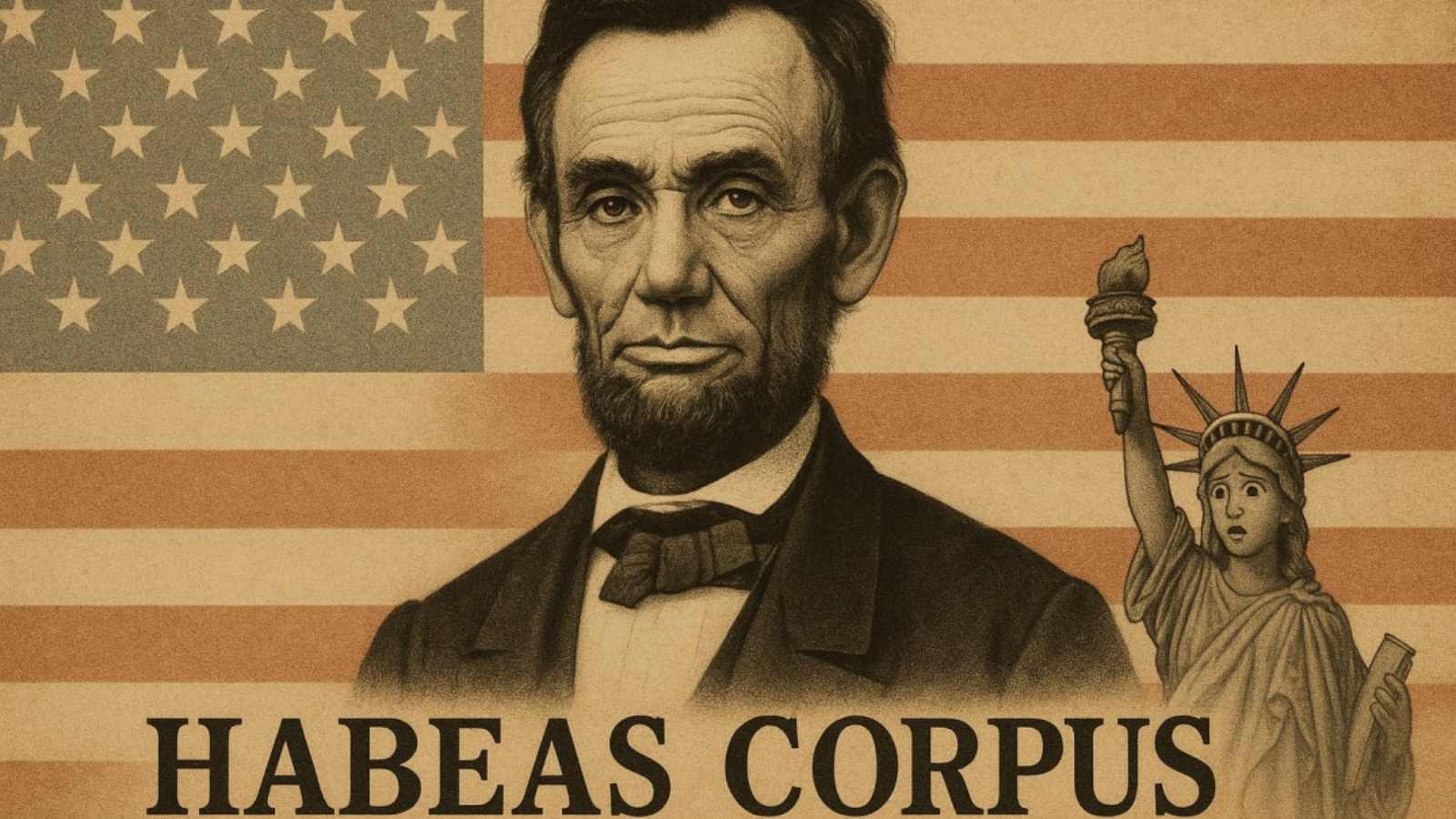
Within two months of taking office, Lincoln suspended habeas corpus in critical areas to prevent Maryland’s secession and protect Washington, D.C. While intended as a wartime necessity, the suspension allowed indefinite detention without judicial review and the military enforcement of arrests.
This controversial measure expanded executive authority and set a precedent for future emergency powers, creating a tension between national security and constitutional rights that still resonates today.
Expansion of Executive War Powers
Lincoln repeatedly expanded presidential authority during the Civil War, using military commissions, arrests, and special measures without full congressional approval.
While these actions helped preserve the Union, they also set a precedent for concentrated executive power. His wartime decisions illustrate the tension between effective leadership in a crisis and the safeguarding of democratic norms.
Overseeing Deadly Prison Conditions
Union prisoner-of-war camps such as Camp Douglas in Chicago exemplified the human cost of Lincoln’s wartime policies. Designed for 6,000 inmates but holding twice that number, the camp faced severe overcrowding, inadequate food, poor sanitation, and rampant disease.
Thousands of Confederate prisoners died due to exposure, malnutrition, and unsanitary conditions, making the camp one of the deadliest in the Union and a stark reminder of the consequences of administrative neglect during war
Punishing Political Dissent
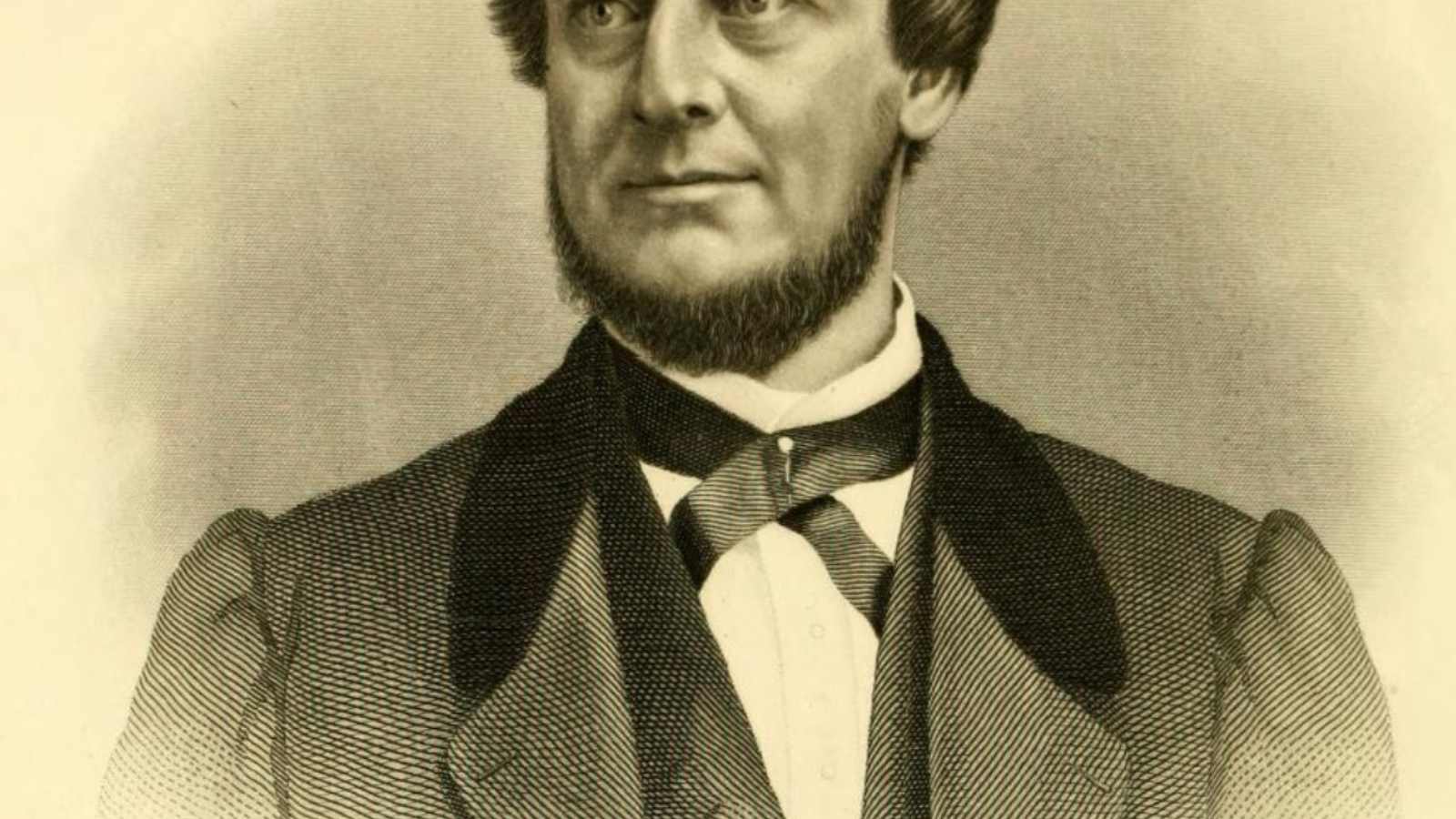
Clement L. Vallandigham, an outspoken Ohio Democrat, opposed Lincoln’s war policies and criticized civil liberty restrictions. He was arrested, tried by a military tribunal, and deported to Confederate lines, not for espionage or aiding the enemy, but for expressing dissenting views.
This action demonstrated Lincoln’s readiness to suppress political opposition, raising profound questions about the limits of free speech in a crisis and the balance between loyalty and liberty.
Imposing Wartime Censorship on the Press
In 1864, Lincoln confronted newspapers that printed false or damaging information about the administration. When two New York papers published a forged proclamation, the president authorized a military takeover, arresting editors and shutting down operations.
While the newspapers violated ethical standards, the response set a chilling precedent: freedom of the press was curtailed under the guise of national security. The editors were eventually released, but the episode underscores Lincoln’s willingness to override civil liberties during wartime.
Conclusion
Abraham Lincoln’s presidency remains one of the most consequential in American history. He preserved the Union and laid the groundwork for the abolition of slavery. Yet, his administration also pushed the boundaries of executive power, suppressed dissent, mishandled military appointments, and inflicted suffering on Native Americans and prisoners.
Recognizing these facets does not diminish his achievements; it provides a fuller, more accurate portrait of a leader navigating an unprecedented national crisis.