


Aluminum foil is a staple in kitchens around the world, prized for its versatility and convenience.
However, despite its widespread use, many people unknowingly make mistakes when handling this seemingly simple kitchen tool.
Whether you’re using it for cooking, storage, or wrapping, knowing what not to do can help you avoid potential hazards and maximize the foil’s effectiveness. Below are 10 crucial mistakes to avoid when using aluminum foil.
Wrapping Acidic Food

Foil and acidic food do not make a great pair. Ingredients like tomatoes, lemon juice, vinegar, tamarind, and many marinades can react with aluminum.
The result is often a sharp metallic taste that sneaks into the food, making it seem off, even when everything else is seasoned properly.
That strange flavor can turn a good dish into one that tastes flat, bitter, or vaguely chemical.
The issue is not always dramatic, which is why many people miss it. Sometimes the foil discolors, softens, or sticks to the food.
Other times, the change happens mainly in flavor and texture. If a dish is strongly acidic, it is better to use glass, ceramic, or a food-safe container lined with parchment paper. Foil works best when the food is mild, dry, or only briefly in contact with it.
Putting Foil in The Microwave
This mistake is famous for a reason. Metal and microwaves are a risky combination, and foil can spark when exposed to microwave energy.
Those sparks may seem small at first, but they can quickly become dangerous. What begins as a few bright flashes can damage the microwave interior, scorch food, or trigger a fire risk in seconds.
Many people think a tiny piece of foil is harmless, especially if it is tucked around the edge of a plate. That confidence is exactly what gets them in trouble.
Foil does not behave predictably in a microwave the way glass or microwave-safe plastic does.
Thin edges and crumpled sections are especially problematic. When reheating food, it is always better to remove the foil completely and use microwave-safe containers.
Wrapping Food Too Tight
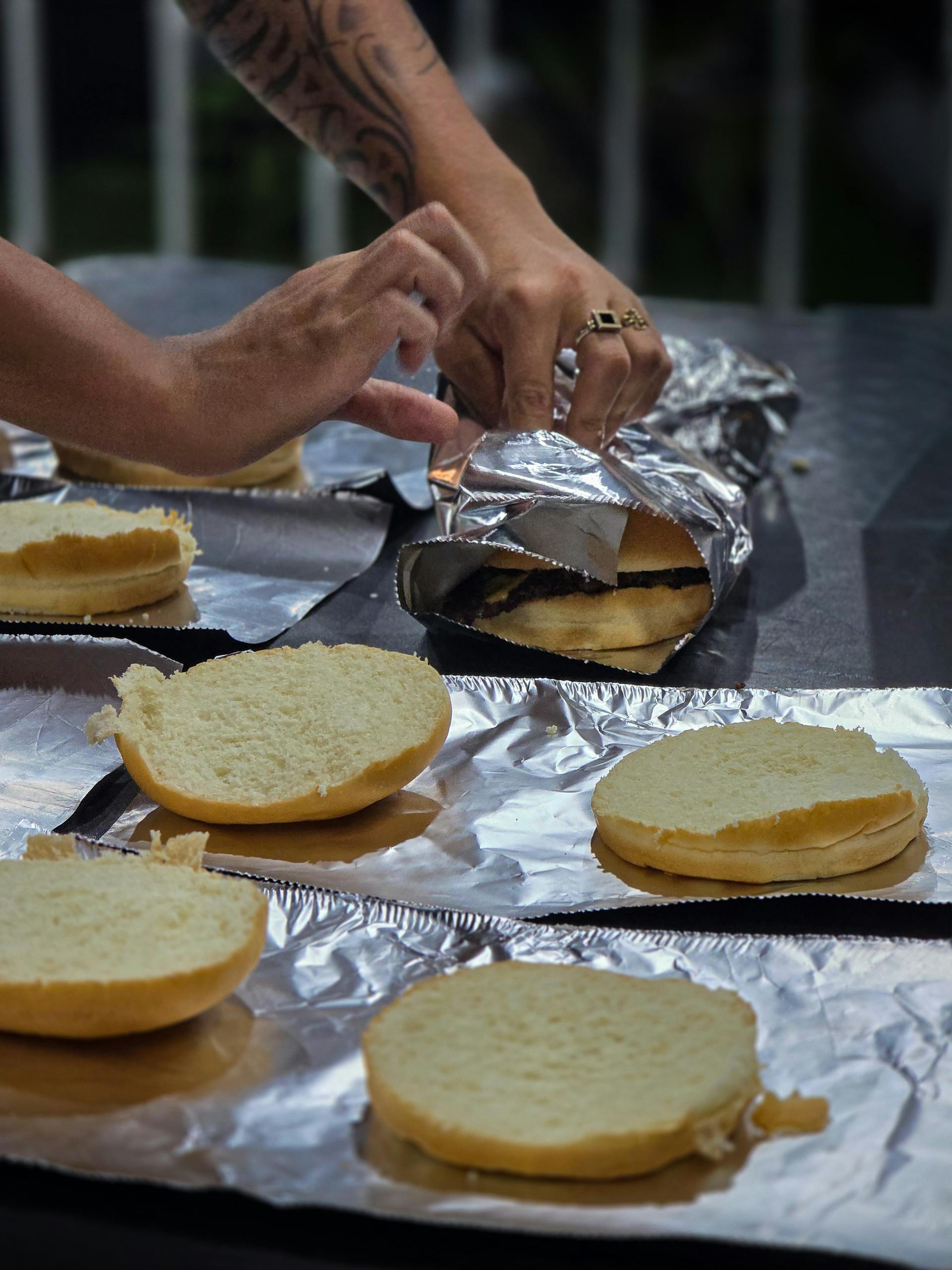
Foil is supposed to protect food, but too much tightness can work against the final result. When food is sealed too firmly, steam gets trapped with nowhere to escape.
Instead of roasting or crisping, the food starts steaming in its own moisture. That may be fine for some dishes, but it is a disaster for foods that need browned edges, a crisp skin, or a dry surface.
Potatoes, fish, vegetables, and meats all react differently when wrapped in foil, and tight wrapping can change their texture quickly.
A loosely made foil packet allows some circulation and gives heat room to move around the food.
A tight packet creates a damp environment that softens everything. When using foil, the goal should match the food.
If you want tenderness, a sealed packet can help. If you want caramelization, too much wrapping will ruin the effect.
Storing Food Too Long
Foil can handle short-term wrapping, but it is not the best long-term storage solution. Many people wrap leftovers in foil and forget about them, assuming the barrier is enough to keep food fresh for days.
The problem is that foil does not seal food as well as airtight containers do. Air and moisture still find ways in, and that means quality starts slipping faster than expected.
Food stored too long in foil can dry out, absorb odd odors, or lose its original taste. In the fridge, delicate foods become dull and stale.
In the freezer, poor wrapping can lead to freezer burn, which damages texture and makes once good food taste old and lifeless.
Foil is useful as an outer layer, but for real storage, it works better paired with airtight containers or freezer bags.
Cleaning With Harsh Products
Some people ball up foil and use it as a scrubber, which can work in the right setting. The problem starts when strong cleaners are introduced.
Harsh, acidic products can react badly with aluminum, causing the foil to break down or leave a messy residue. Instead of cleaning effectively, the foil may smear, scratch, or make the surface look worse.
This is especially important for cookware, glass doors, and metal finishes. A rough foil ball paired with the wrong cleaner can leave hard-to-remove marks.
If foil is being used for scrubbing, it should be reserved for durable surfaces and paired with gentle soap and water unless the manufacturer of the item says otherwise. A quick cleaning shortcut is only useful if it does not create a bigger repair problem later.
Covering The Grill Badly
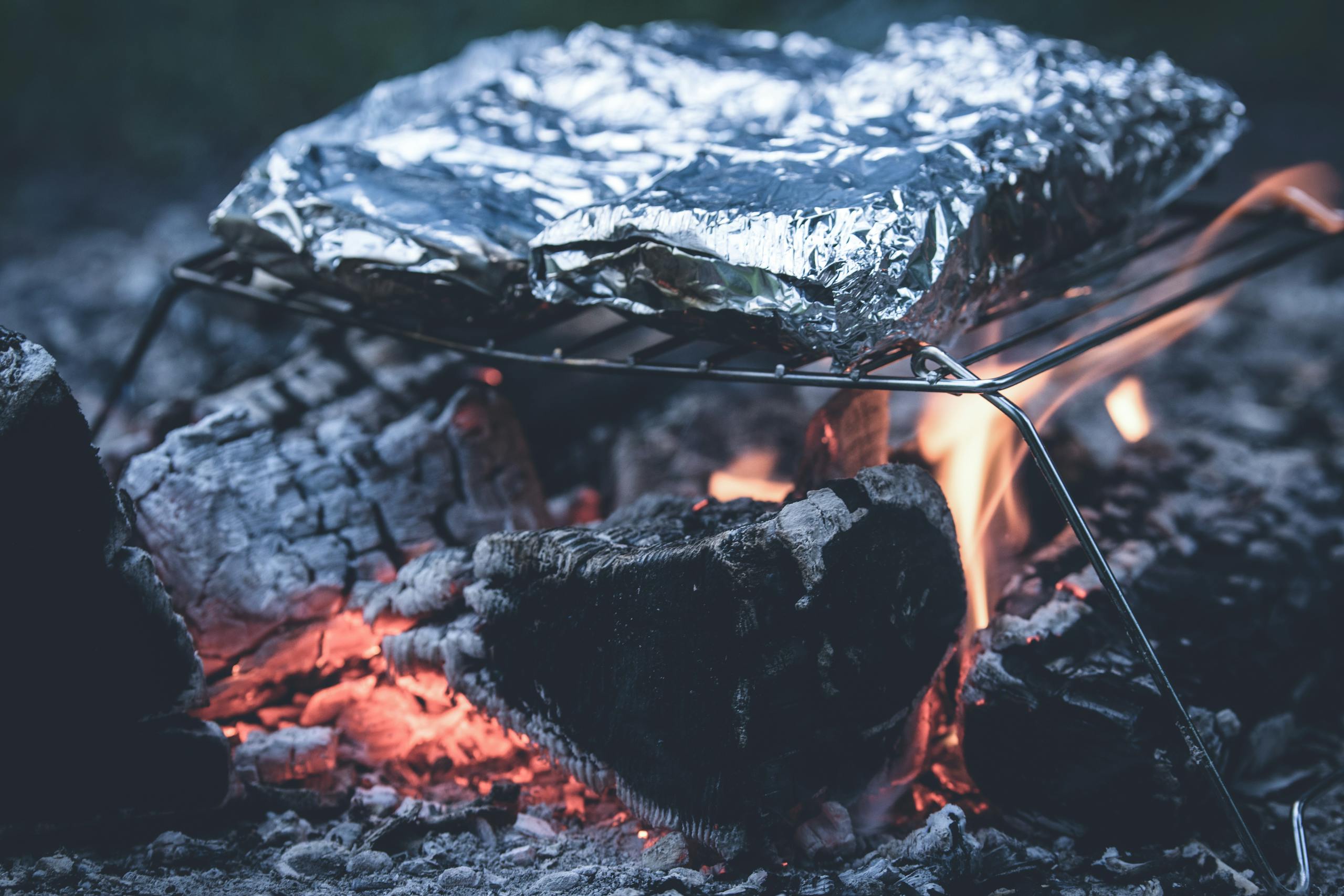
Foil on a grill can be useful, but only when it is used with care. When people cover too much of the grill surface with foil, they block airflow and interfere with how heat moves around the food.
That changes the entire cooking environment. Instead of steady grilling, the grill becomes uneven, smoky, and harder to control.
Poor foil placement can also let grease collect in the wrong places. Once fat has nowhere to drip safely, flare ups become more likely.
That puts the food and the cook at risk. Foil should be used strategically, not like a full blanket.
A small sheet for delicate items, a packet for vegetables, or a lined tray for messy foods makes sense. Covering everything does not.
Cooking Greasy Food On It
Foil and greasy food seem like an obvious match because cleanup looks easier. In reality, fatty foods often create a mess that foil cannot manage well on its own.
Bacon, sausage, heavily marbled meat, and oily cuts release a lot of grease as they cook. That grease pools fast, and once it does, the food may fry unevenly rather than roast properly.
The texture suffers first. Instead of crisp edges and balanced browning, you get soggy undersides and greasy surfaces.
Then comes the cleanup problem, because thin foil can tear under the weight of hot fat. A rack set over a tray usually works much better because it lifts the food out of the grease while still catching the drippings. That means cleaner cooking and better texture.
Letting It Touch Heat Directly
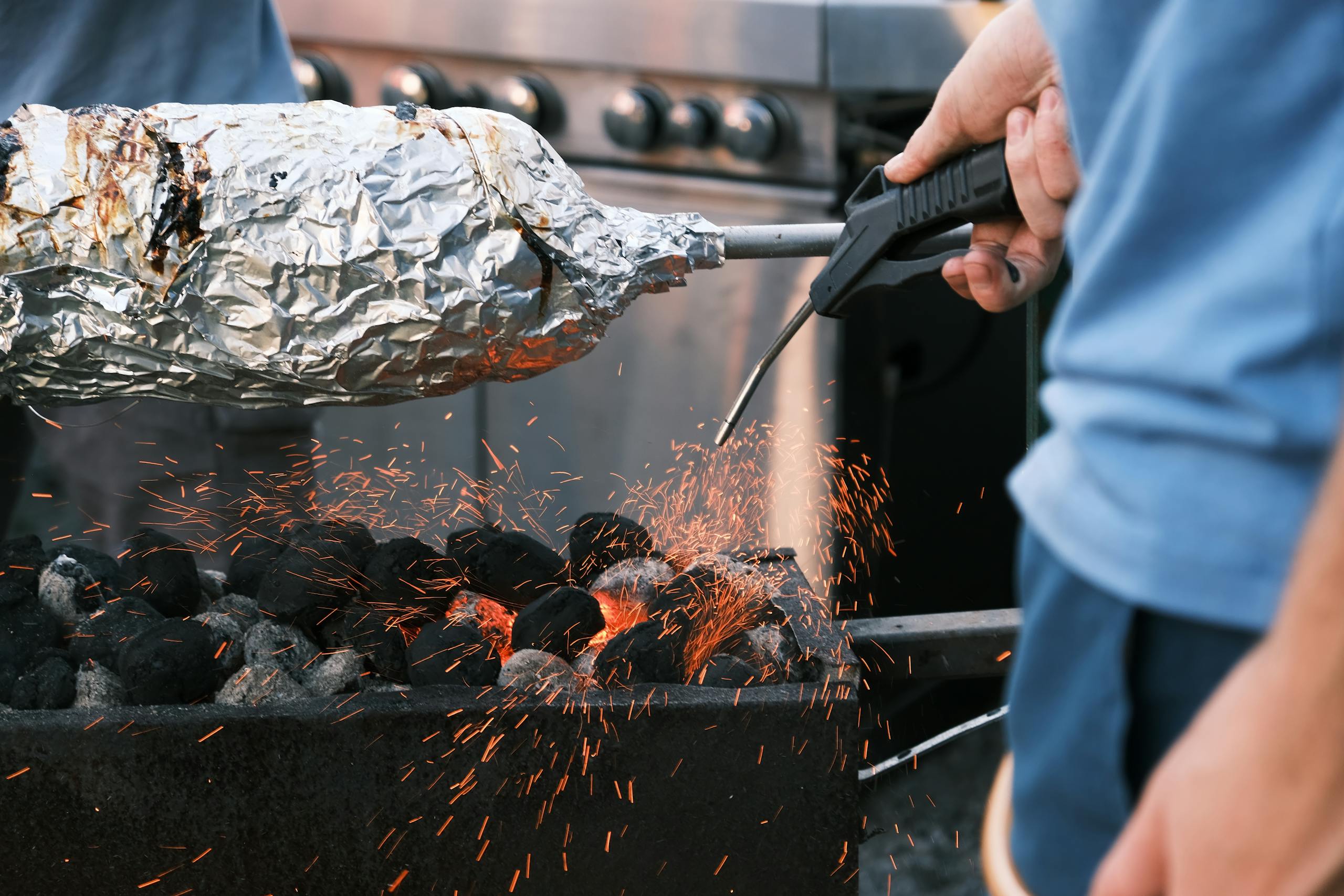
Foil should never be treated casually around open flames, hot burners, or exposed heating elements. It is light, flexible, and easy to move by accident.
A loose sheet near direct heat can shift, curl, or ignite surrounding grease. Even when it does not catch fire, it can melt into a mess or damage a cooking surface, making cleanup frustrating.
This often happens during rushed cooking. Someone tears off foil, sets it too close to the stove, and forgets about it for a second.
That second is enough. Good foil use requires a little discipline. Keep it away from direct flame, secure it properly when cooking, and never assume it will stay where you left it if strong heat or airflow is nearby.
Conclusion
Aluminum foil earns its place in the kitchen, but only when it is used with some judgment. The biggest foil mistakes happen when we assume it can handle every job equally well. It cannot. Sometimes it blocks heat when food needs airflow.
Sometimes it traps steam when food needs to be crisp. Sometimes it reacts with ingredients or turns a simple cooking shortcut into an appliance problem.
Used wisely, foil is helpful, practical, and efficient. Used carelessly, it ruins food quality and creates problems that did not need to happen. A better kitchen habit is to use less foil. It is using it with more intention.


