

The world map feels permanent, but rising oceans are quietly rewriting it. Some countries cling to coastlines barely above sea level, where even modest increases in water height can flood homes, ruin roads, poison freshwater, and make daily life a constant battle for survival.
For these nations, disappearance isn’t just about land submerging, it’s about entire communities losing homes, heritage, and identity.
Over the next 50 years, parts of these countries could become uninhabitable or economically impossible to protect, threatening generations with displacement, cultural loss, and the erasure of histories that have endured for centuries.
Tuvalu

Tuvalu has become one of the strongest symbols of the climate crisis because its future is brutally tied to sea level rise. This tiny Pacific nation sits only a few feet above the ocean in many places, which means king tides and storm surges can flood homes, roads, and farmland with terrifying speed.
Saltwater is already a major threat because it can contaminate freshwater supplies and make soil less suitable for food production.
The country is trying to protect its identity even as the physical land becomes more fragile. Tuvalu has explored digital nationhood, climate migration agreements, and coastal protection projects, but none of those choices are easy. A country is more than territory, and Tuvalu’s biggest fight may be proving that a nation can still exist even if its land becomes unsafe.
Maldives
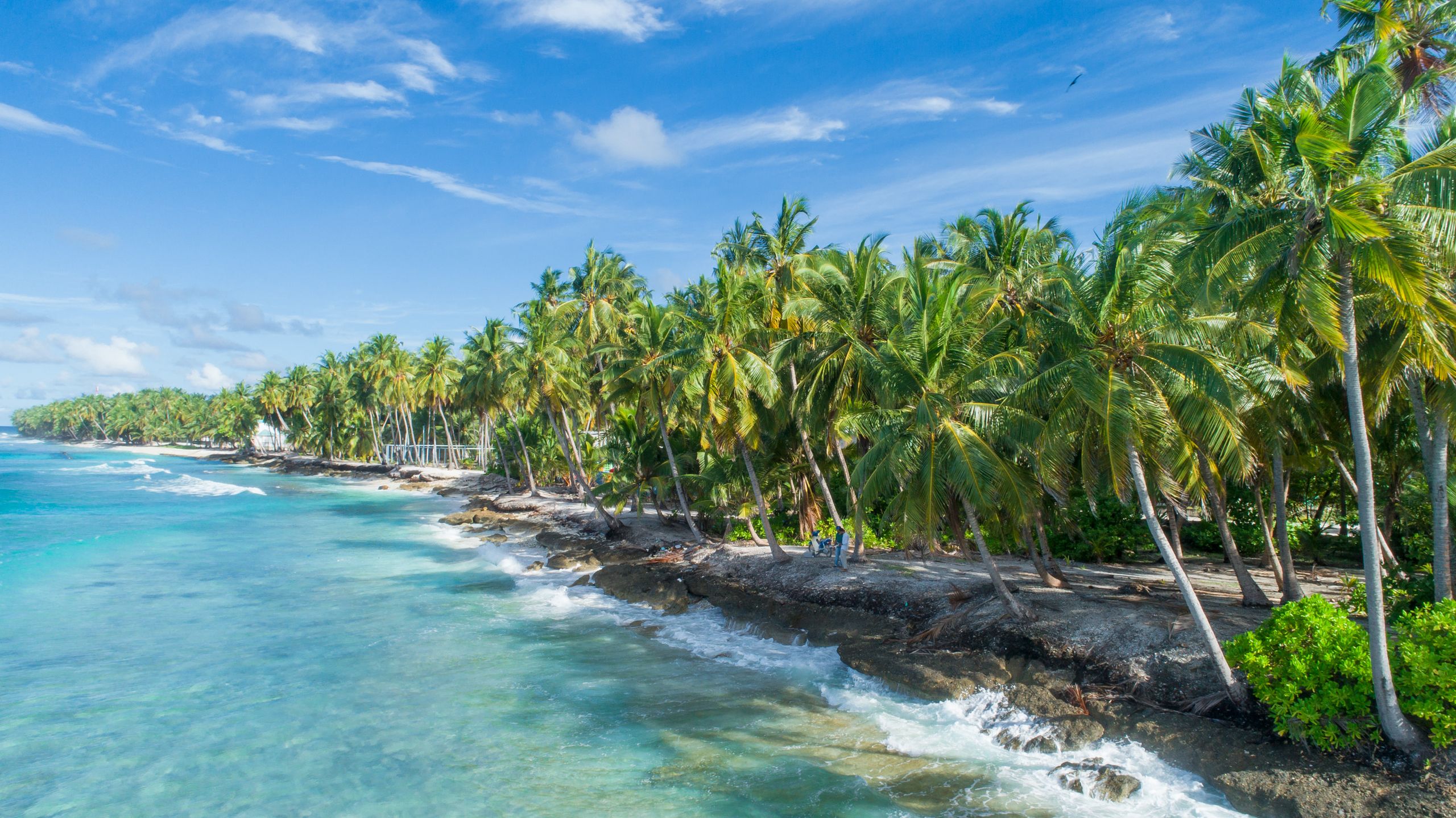
The Maldives looks like paradise in travel ads, but its beauty hides one of the world’s most dangerous geological problems.
Much of the country is extremely low-lying, leaving islands exposed to erosion, flooding, and saltwater intrusion. Resorts can sometimes afford protection walls and raised infrastructure, but ordinary communities face a much harder battle.
The threat is especially serious because the Maldives depends heavily on beaches, reefs, fishing, and tourism. Rising seas do not need to swallow every island to cause major damage.
They only need to flood airports, contaminate wells, damage roads, and scare away investment. That is why the Maldives may survive politically while still losing parts of the land that make daily life possible.
Kiribati
Kiribati is spread across a huge stretch of the Pacific, but much of its habitable land is narrow, flat, and dangerously exposed. Rising seas are already increasing the risk of flooding, especially on crowded islands where people have limited space to move inland.
When the ocean pushes farther into homes and freshwater lenses, survival becomes less about future theory and more about daily pressure.
Kiribati has tried to plan ahead by discussing migration, land protection, and long-term adaptation. Still, moving an entire culture is not like moving furniture. Songs, graves, churches, schools, family compounds, and fishing routes all carry meaning.
If Kiribati loses large areas of livable land, the world may face one of the hardest questions of the century: what happens when a country remains legal, but its home becomes unsafe?
Marshall Islands

The Marshall Islands face a frightening mix of sea level rise, storm surges, and limited high ground. Many communities live on narrow strips of land where the ocean is visible on both sides.
That geography makes even small increases in sea level feel huge, because waves can wash across entire neighborhoods during extreme tides.
The danger goes beyond flooded streets. Saltwater can damage crops, weaken freshwater supplies, and force families to relocate within islands that already have little space.
The Marshall Islands also carry a painful history of outside powers shaping their future, so climate vulnerability feels deeply unfair. The country contributed little to global emissions, yet it faces one of the harshest possible bills.
Nauru
Nauru is different from some other island nations because it has higher ground, but that does not make it safe. Much of the population and infrastructure is located near the coast, where rising sea levels, erosion, and stronger storms can cause serious damage.
The island also has a long history of phosphate mining, which left parts of the interior scarred and difficult to use.
That creates a cruel trap. People may need to move away from vulnerable coastal zones, but some inland areas are not easy to settle or farm. Climate pressure can make old environmental damage feel even more costly.
Nauru may not vanish beneath the ocean, but the usable parts of the country could shrink in ways that make life harder, more expensive, and more dependent on outside help.
Bahamas
The Bahamas may seem too large and well-known to appear on this kind of list, but its low elevation makes it highly exposed. Many islands, homes, roads, airports, and tourist areas sit close to the sea.
Hurricanes already show how quickly water can overwhelm beautiful coastlines, and sea-level rise can make those storm surges more destructive.
The danger is not that every island disappears at once. The danger is that repeated flooding makes rebuilding harder each time. Insurance can become more expensive, families can lose savings, and coastal communities can slowly retreat from areas that once felt secure.
For a country built around island life and tourism, even partial land loss can create a national crisis.
Seychelles
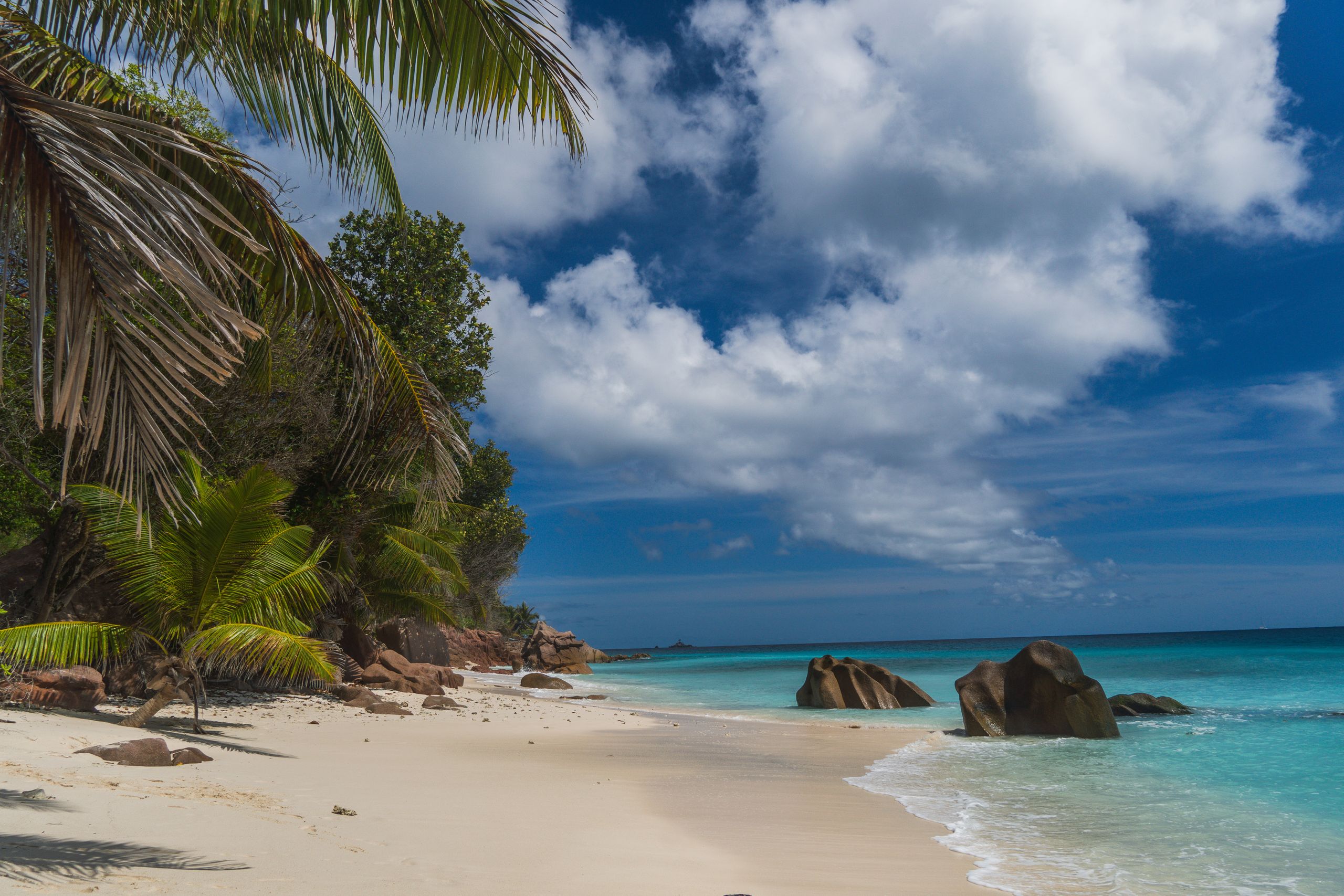
Seychelles is often seen as a dream destination, but small island beauty comes with serious exposure. Coastal erosion, coral reef damage, and rising seas can threaten homes, roads, beaches, and tourism infrastructure.
Since many people and businesses depend on coastal areas, even modest sea-level changes can have significant economic consequences.
The country has worked on climate adaptation, marine protection, and coastal planning, but nature is not waiting politely. Damaged reefs can leave shorelines more exposed to waves, and stronger storms can speed up erosion.
Seychelles may still exist on the map in 50 years, but parts of its coastal life could look very different if protection fails to keep pace.
Fiji
Fiji has more high ground than countries like Tuvalu or Kiribati, so it is unlikely to vanish completely. Still, some villages and coastal areas are already under pressure from rising seas, erosion, and stronger storms.
That makes Fiji important because it shows that climate change can happen inside a country, one community at a time.
Several Fijian communities have already faced discussions or moves to relocate, and that process can be emotionally heavy. Leaving a village means leaving memories, ancestors, churches, gardens, and the rhythm of coastal life.
Fiji’s future may not be total disappearance, but the loss of vulnerable communities is still a warning. A country can stay standing while pieces of its history are forced inland.


