


If you’re looking for more conventional, everyday foods that can help regulate blood sugar and maintain a healthy diet, you’re in luck. While some may be more familiar, these staple foods are packed with the essential nutrients your body needs and help stabilize blood sugar levels.
Here are 8 some common, easy-to-find foods that diabetics can depend on.
Oats
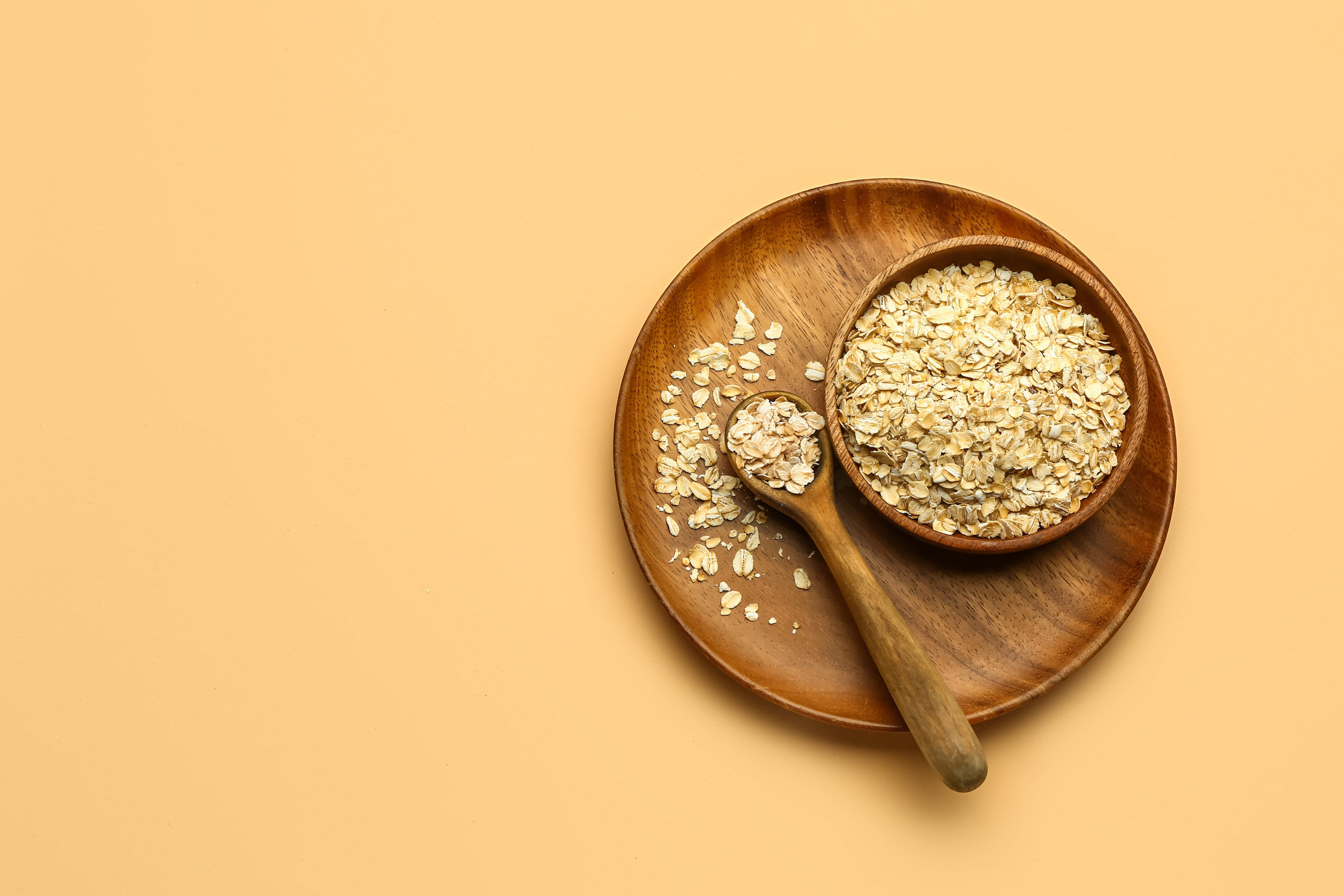
Oats are a classic, heart-healthy food that are easy to prepare and incredibly versatile. Rich in soluble fiber, particularly beta-glucan, oats help slow the absorption of sugar into the bloodstream, preventing sudden spikes in blood glucose levels. Whether you enjoy them as a warm breakfast porridge, add them to smoothies, or incorporate them into baking recipes, oats provide a steady source of energy and fiber.
Apples
Apples are one of the most popular and easily accessible fruits, and for good reason. They are not only delicious but also contain fiber, vitamins, and antioxidants that support overall health. Apples have a low glycemic index and high fiber content, making them an ideal choice for managing blood sugar.
The fiber in apples, particularly in the skin, helps slow down the digestion of sugars, preventing sharp increases in blood glucose. Eating an apple as a snack is an easy way to keep your energy up while avoiding blood sugar spikes. You can enjoy them raw, add them to salads, or even bake them for a warm, comforting treat. Since apples are widely available year-round, they make a practical option for a diabetic-friendly snack.
Carrots

Eggs
Eggs are a protein-packed, blood sugar-friendly food that can be included in nearly any meal. They’re low in carbohydrates, which means they won’t cause spikes in blood sugar levels. Eggs are also a great source of healthy fats, particularly omega-3s when sourced from pasture-raised chickens, which help reduce inflammation and promote heart health.
Sweet Bell Peppers
Sweet bell peppers are a vibrant and nutritious vegetable that can be easily incorporated into a diabetic-friendly diet. They are low in carbohydrates, making them a great choice for regulating blood sugar. Sweet bell peppers are also rich in vitamin C, antioxidants, and fiber, all of which contribute to better overall health and improved immune function.
Tomatoes
Tomatoes are a widely loved fruit that can be used in a variety of dishes, from salads to soups to sauces. Rich in vitamins A and C, as well as antioxidants such as lycopene, tomatoes offer anti-inflammatory benefits and support heart health. Despite being sweet in flavor, tomatoes have a low glycemic index, meaning they won’t cause blood sugar levels to spike.
Whole Wheat Bread

While many breads are high in refined carbohydrates that can cause rapid blood sugar spikes, whole wheat bread is a healthier choice for those with diabetes. Made from whole grains, whole wheat bread is higher in fiber and lower in the glycemic index compared to its white bread counterpart. The fiber helps slow the digestion of carbohydrates, leading to a more gradual release of sugar into the bloodstream.