8 Common Habits After 50 That Are Accelerating Your Aging Process

Aging is inevitable, but it doesn’t have to come with a decline in vitality or health. While genetics and lifestyle play a role in how we age, many of us unknowingly accelerate the process through unchecked daily habits. If you’re over 50 and feel like your body is aging faster than you expect, it might be time to assess your habits.
Neglecting Strength Training

Strength training is essential to maintaining muscle mass and promoting a healthy metabolism.
Overlooking Stress Management
Stress, if not managed, can have a detrimental effect on the body, especially as we age. Chronic stress increases inflammation, disrupts sleep, and accelerates cell aging by shortening telomeres. In the long run, unmanaged stress can contribute to severe health conditions like heart disease and high blood pressure.
Ignoring Changes in Your Metabolism and Diet
As you age, your metabolism naturally slows down. This means that the exact portion sizes and eating habits you maintained in your 30s might not work in your 50s. Overeating, especially late-night snacks and oversized meals, contributes to weight gain and increases the risk of conditions like diabetes and cardiovascular diseases.
Staying Sedentary for Too Long
Extended sitting has been dubbed “the new smoking,” and for good reason. Prolonged inactivity leads to increased risks of obesity, heart disease, and even premature aging at a cellular level. As we age, the effects of sitting for hours on end become even more pronounced.
Disregarding Changing Sleep Needs
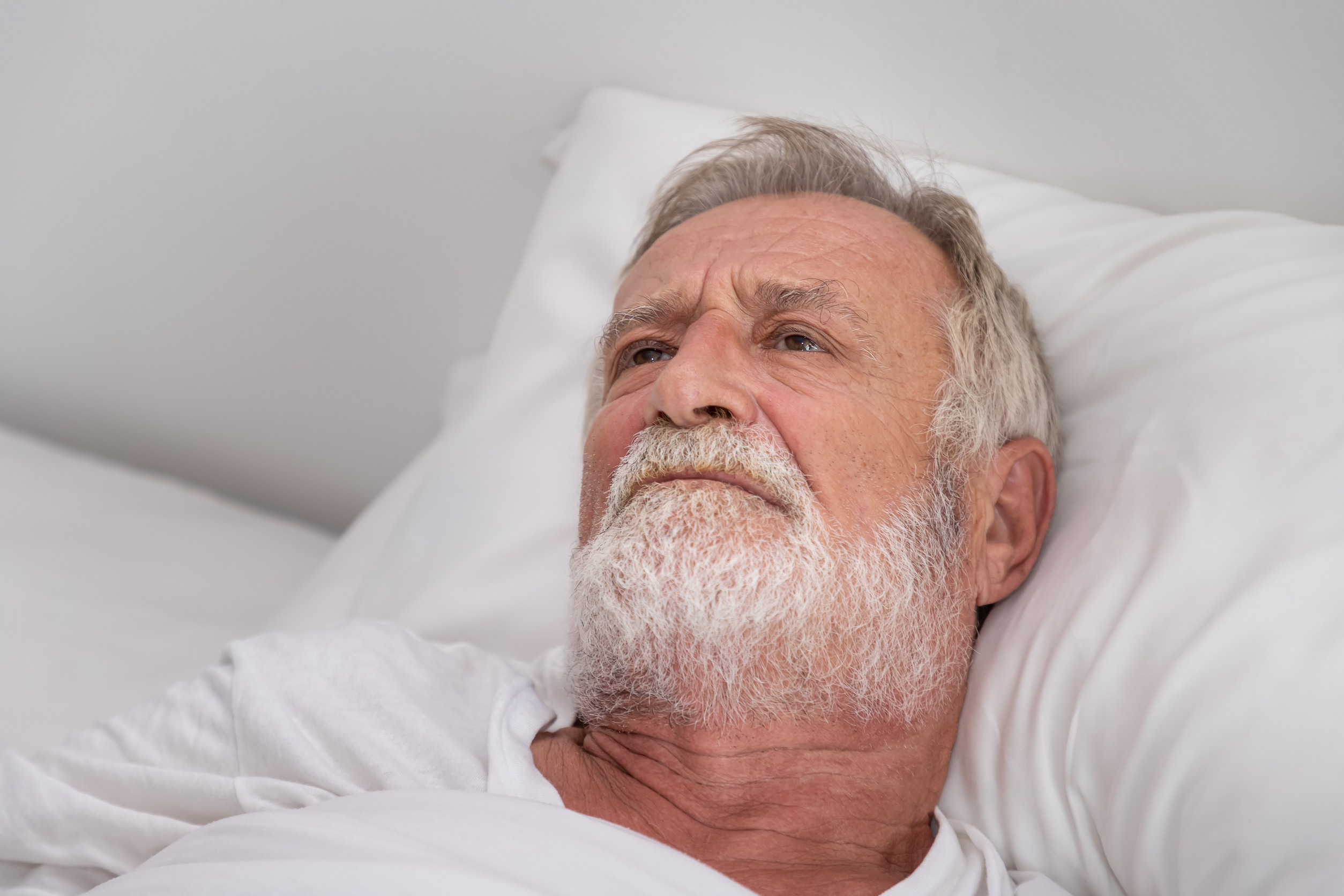
As you age, your sleep patterns change. You may find yourself waking up more often throughout the night or struggling to get a full eight hours of quality sleep. Sleep is critical for repair, memory consolidation, and overall well-being, and inadequate sleep accelerates aging and increases the risk of mental and physical health issues.
Holding Onto Activities That No Longer Serve You
As we age, we often find ourselves holding onto past activities that are no longer suitable for our current physical or mental state. This could include high-impact sports, strenuous hobbies, or risky activities that put unnecessary stress on our bodies.
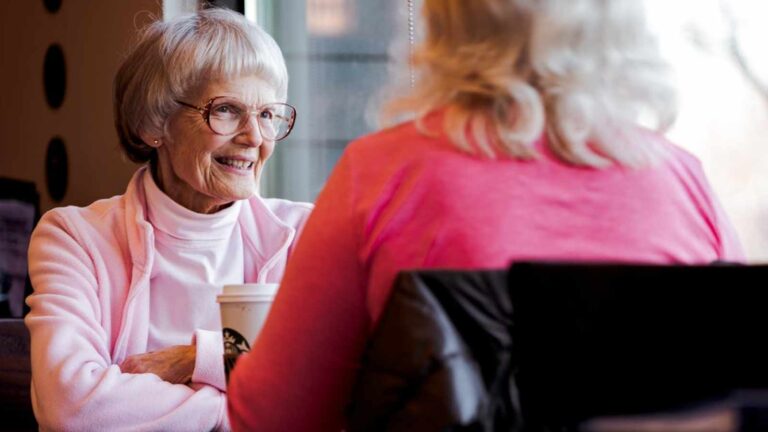
Isolating Yourself Socially
Loneliness has been shown to have similar health risks as smoking 15 cigarettes a day. Social connections are vital for emotional well-being and can significantly impact physical health, especially after 50. Isolation leads to increased stress, depression, and cognitive decline.
Skipping Regular Health Screenings
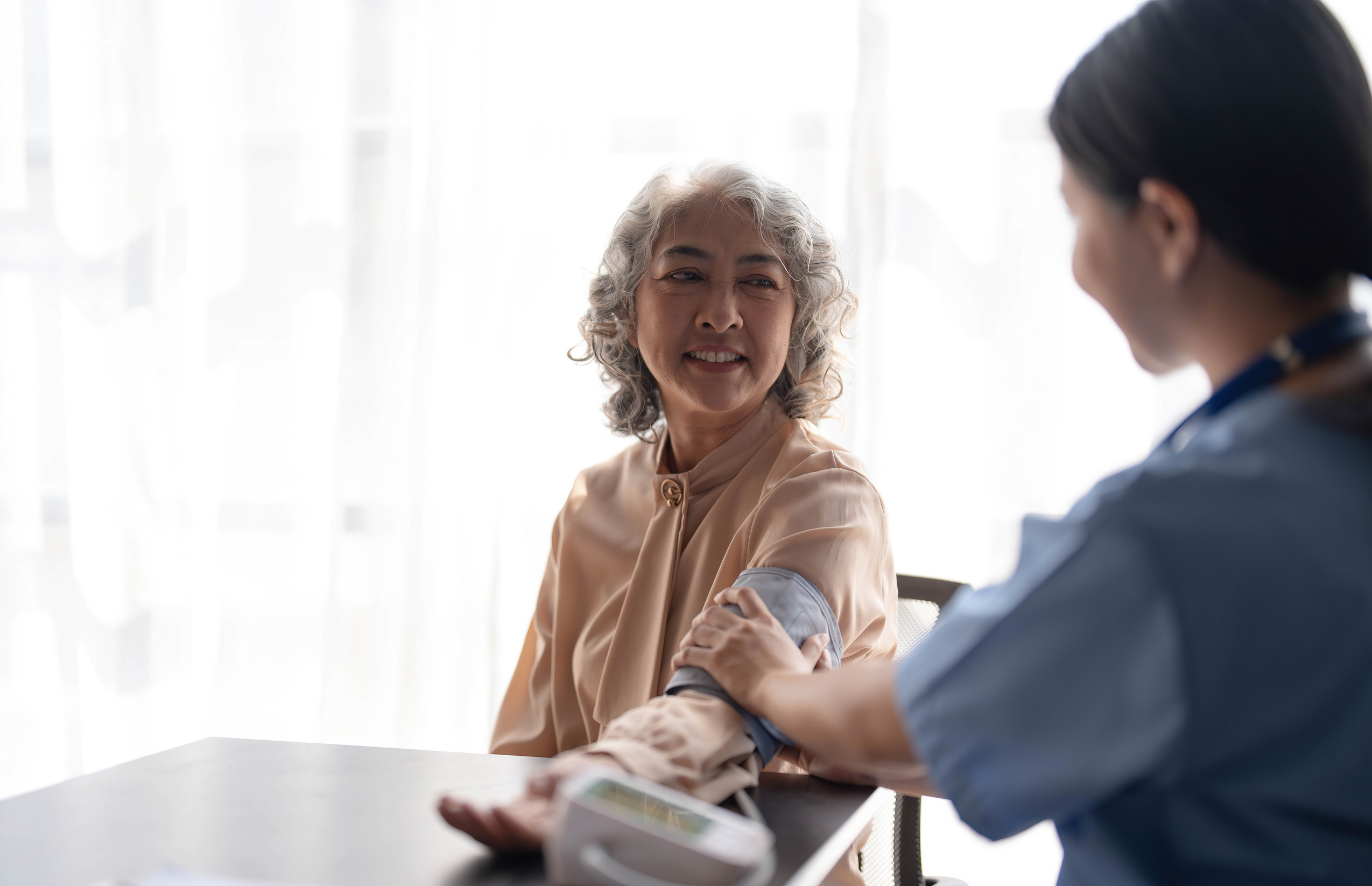
Many people over 50 assume that as long as they feel fine, they are in good health. However, many conditions, such as hypertension, high cholesterol, or certain types of cancer, may not present noticeable symptoms until they’ve progressed significantly. Routine screenings help catch these conditions early, improving the chances of successful treatment.
Conclusion
Aging doesn’t have to mean a decline in health or vitality. By recognizing the habits that accelerate aging, such as poor eating habits, neglecting exercise, or chronic stress, you can begin to make small but impactful changes. Start by adjusting one habit at a time, and over time, these changes will accumulate, leading to a healthier, more vibrant life well into your later years.
The key to aging gracefully is not about finding quick fixes or miracle treatments. It’s about nurturing your body, making intentional choices, and evolving with age rather than resisting it. Take control of your health today, and make choices that add not just years to your life, but life to your years.