

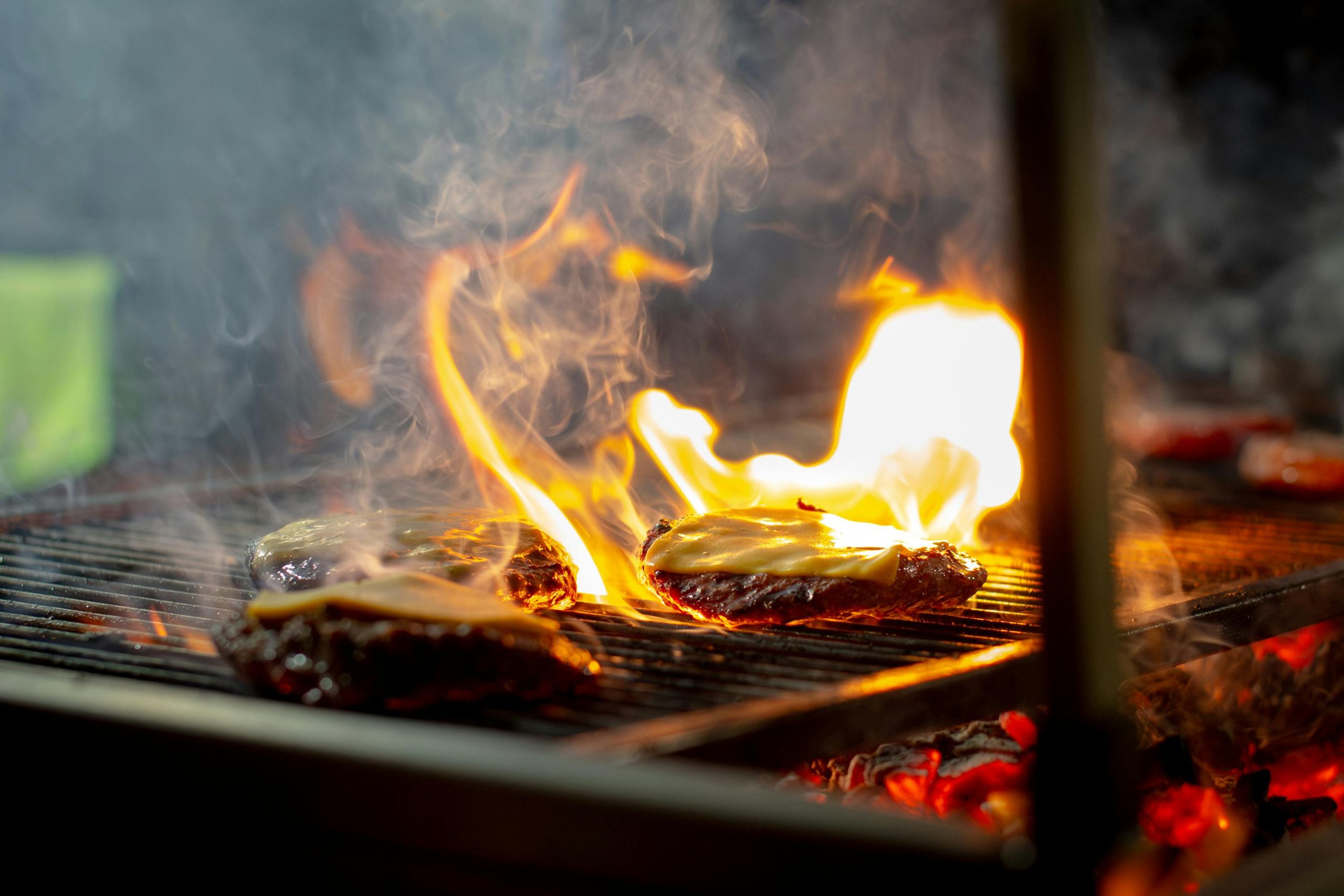
A great burger should feel almost unfair. The outside should have a deep, savory crust, the inside should stay juicy, and the first bite should make the bun, sauce, cheese, and patty work together as they were always meant to. Yet many burgers lose their magic long before they ever reach the plate.
The problem is usually not the recipe. It is the little mistakes people make before and during cooking. A burger can go from rich and tender to dry, dense, greasy, or bland because of one rushed step.
Here are eight burger mistakes that quietly ruin juicy patties before they reach the bun.
Using Meat That Is Too Lean
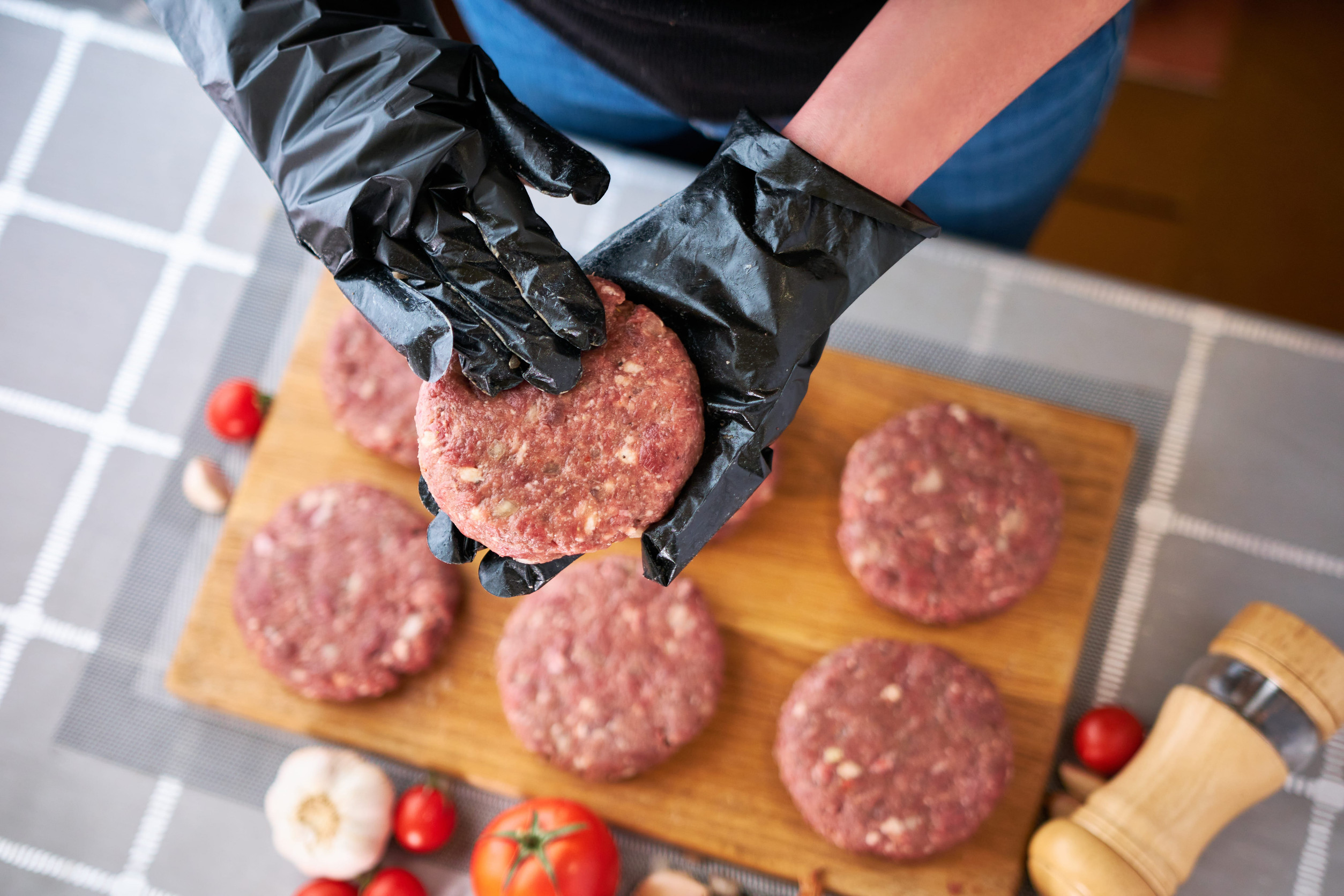
A burger needs fat the same way a fire needs fuel. Lean meat may look like the healthier choice, but it often creates patties that taste dry, tight, and disappointing. When beef has too little fat, there is not enough moisture to protect the patty during cooking.
The best burgers usually come from ground beef with enough fat to stay tender under heat. Many cooks prefer an 80 percent lean and 20 percent fat blend because it gives the patty flavor, moisture, and structure. Go much leaner, and the burger starts acting more like a meatball that forgot how to enjoy itself.
Flipping Too Often
A burger does not need constant attention. Flipping it repeatedly can interrupt browning, weaken the crust, and make the cooking process feel more chaotic than necessary. The patty needs time to make solid contact with the hot surface.
Mixing the Meat Too Much
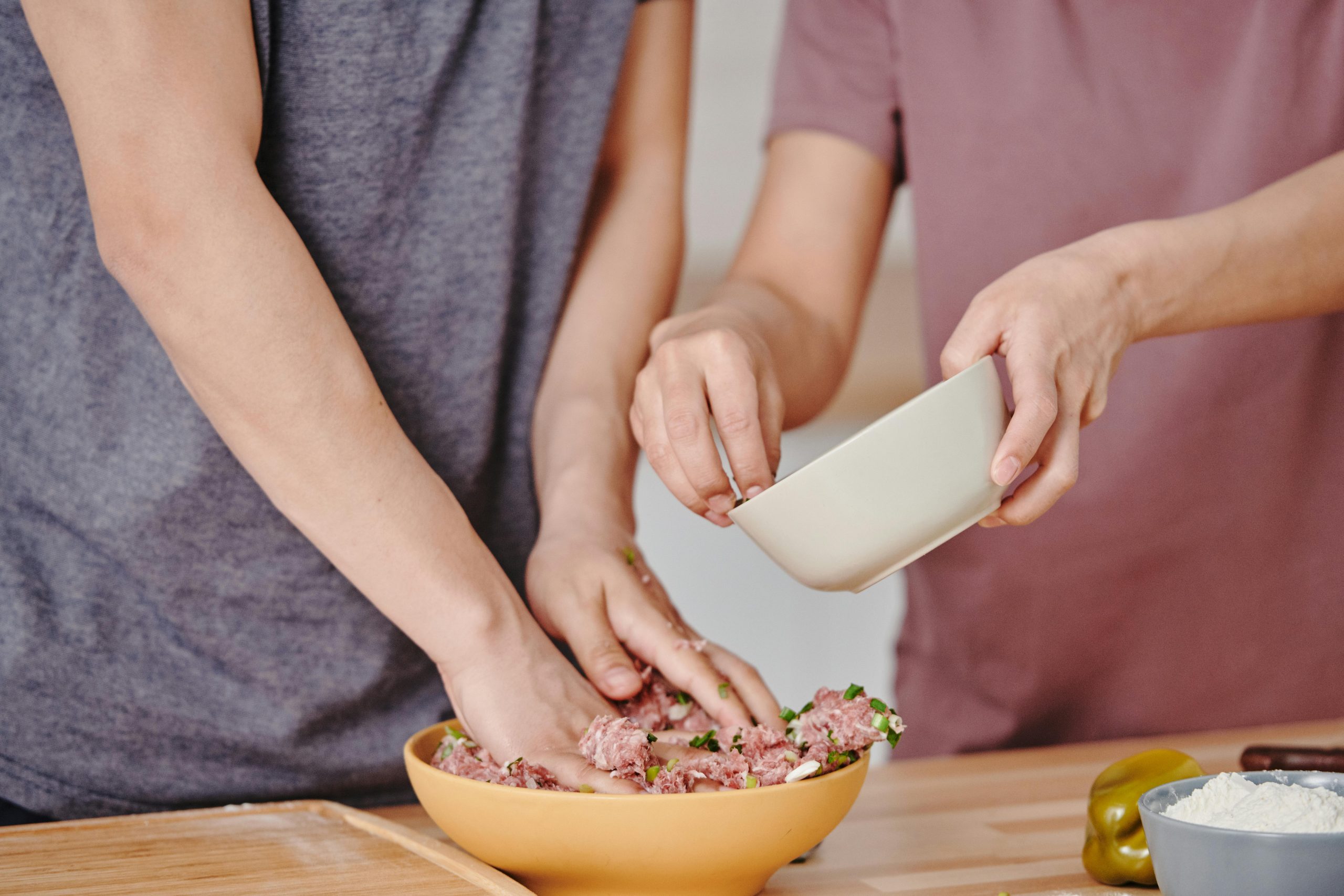
Ground beef does not like being handled like bread dough. The more you press, squeeze, fold, and mash it, the tougher the final patty becomes. Overmixing breaks down the texture and compacts the meat, resulting in a dense burger rather than a loose, juicy one.
The goal is to handle the meat gently and briefly. Shape it just enough to hold together, then stop. A good burger patty should feel formed, not forced. Once the meat looks like a smooth hockey puck, you have probably gone too far.
Cooking on Heat That Is Too Low
A burger needs real heat to build flavor. Low heat may feel safer, but it often causes the patty to steam slowly rather than sear. That means less crust, less flavor, and more time for juices to escape.
Forgetting the Center Dimple

Burgers puff up while cooking, especially when the heat hits the outside, and the proteins tighten. Without a small dent in the center, the patty can swell into a dome shape. That may look harmless, but it creates uneven cooking and makes toppings slide around as if they’re trying to escape.
Pressing a shallow dimple into the middle of each raw patty helps it cook flatter. It does not need to be dramatic. A gentle thumbprint is enough. This simple move keeps the patty even, stable, and ready for cheese, onions, pickles, and sauce without turning into a wobbly mound.
Making Patties Too Thick or Too Thin
Patty size can make or break the burger before it touches the pan or grill. If the patty is too thick, the outside may burn before the center cooks properly. If it is too thin, it can dry out fast and lose the juicy bite everyone wants.
Salting the Meat Too Early
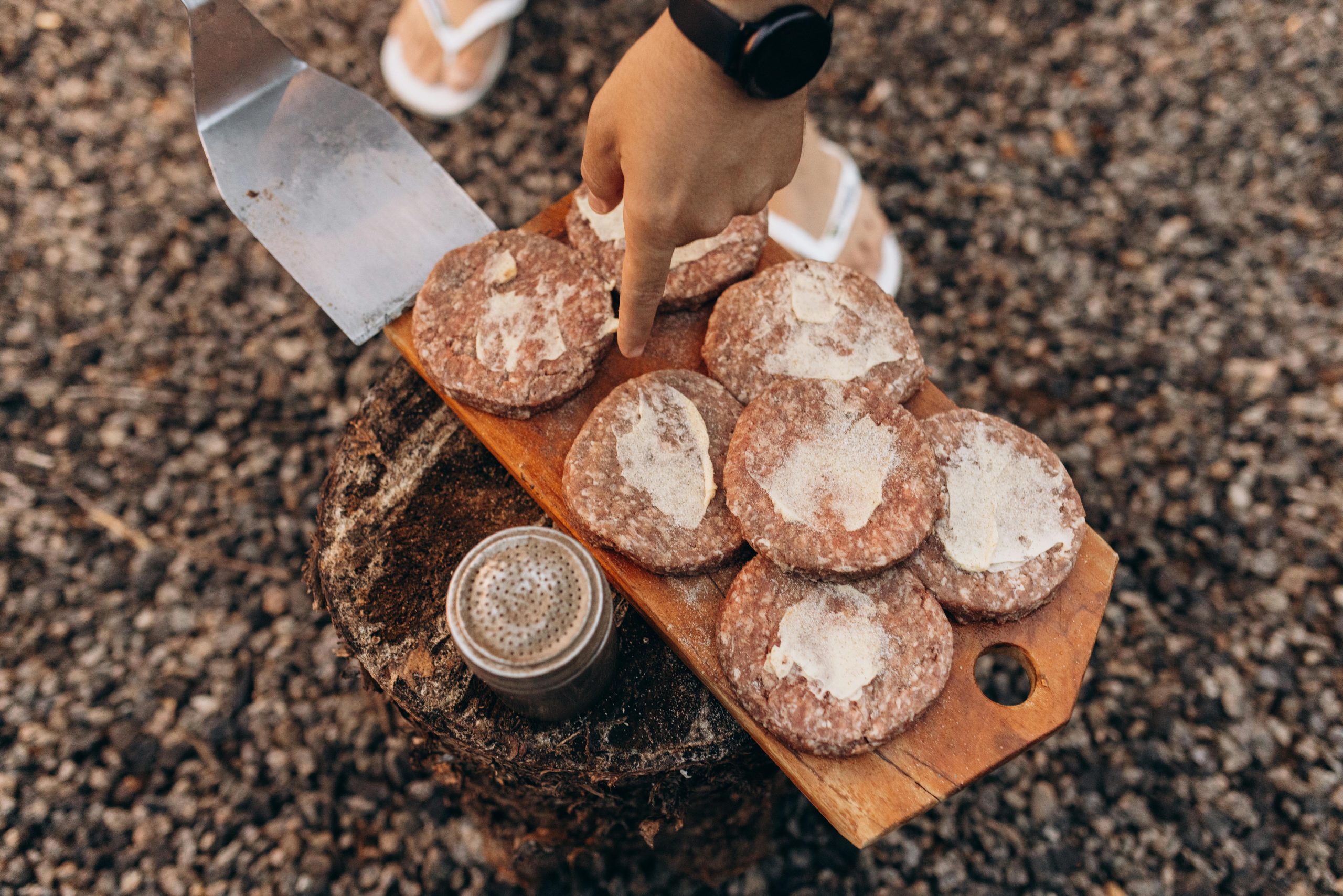
Salt is powerful, but timing matters. When salt sits in ground beef for too long before cooking, it starts to change the meat’s texture. Instead of a tender, loose burger, you may end up with a firmer, sausage-like patty that lacks that classic juicy crumble.
Pressing the Patty While It Cooks
This is one of the most tempting burger mistakes. The patty is sizzling, the spatula is right there, and pressing down feels oddly satisfying. Unfortunately, that dramatic sizzle is often the sound of precious juice leaving the burger forever.
Conclusion
A juicy burger is not just about buying good meat or stacking on better toppings. It comes from protecting the patty at every step: choosing the right fat content, handling the meat gently, seasoning at the right time, and giving it enough heat to sear properly. Small mistakes can drain the life out of a burger before it ever meets the bun.
The good news is that these mistakes are easy to fix. Use beef with enough fat, shape the patties lightly, make a dimple in the center, stop pressing them, and let the heat do its job. Do that, and your burgers will taste richer, juicier, and far more satisfying before the first bite even gets close.
Read the original Crafting Your Home.


